Last Updated on January 13, 2026
Buttermilk adds magic to baking. It creates moist, flavorful baked goods.
Buttermilk baking isn’t just about taste; it’s an experience. This humble ingredient transforms ordinary recipes into extraordinary treats. Cakes become softer, biscuits fluffier, and pancakes lighter. It’s the secret weapon in the kitchen, offering tangy richness and tender textures. Despite its simple appearance, buttermilk holds a power that elevates your baking game.
Understanding its role can unlock new possibilities in your culinary creations. Whether you’re an amateur baker or a seasoned pro, buttermilk can bring your dishes to life. Dive into the world of buttermilk baking and discover the delicious potential hiding in your fridge. With its unique properties, you can bake treats that delight the senses and please the palate.
Benefits Of Buttermilk In Baking
Buttermilk baking offers a tangy flavor and tender texture to baked goods. It helps cakes and bread rise well. The acidity in buttermilk softens gluten, making baked treats moist and fluffy.
Buttermilk is a versatile ingredient that can transform your baking. If you’ve ever wondered why your grandmother’s cakes were always so moist and fluffy, buttermilk might have been her secret weapon. Let’s dive into why buttermilk deserves a spot in your baking pantry.Enhancing Texture
Buttermilk works wonders on the texture of baked goods. It reacts with baking soda or baking powder to create a soft, tender crumb. This is the secret behind those perfectly fluffy pancakes and muffins you adore. Have you noticed how some baked goods almost melt in your mouth? That’s often the buttermilk working its magic. Its acidity tenderizes gluten, helping create lighter, airier products. Try swapping regular milk with buttermilk in your favorite recipes. You might be surprised by the improved texture of your cakes and breads.Adding Flavor Depth
Buttermilk adds a subtle tang that enhances flavors. It’s like a background singer that makes the main act sound even better. This depth of flavor can elevate simple recipes like biscuits or scones. When you use buttermilk, it doesn’t overpower. Instead, it complements sweet and savory elements beautifully. Imagine a chocolate cake that’s rich but not overwhelmingly sweet, thanks to the tanginess of buttermilk. Consider using buttermilk in your next batch of cookies. You might discover a new favorite flavor profile that keeps your taste buds intrigued. Have you tried baking with buttermilk before? What’s your go-to recipe? Share your thoughts and let’s inspire each other to try something new in the kitchen.Choosing The Right Buttermilk
Buttermilk is a key ingredient in many baking recipes. It adds a tangy flavor and tender texture. Choosing the right buttermilk can make a big difference. There are several types to consider. Each offers unique benefits for your baking needs.
Understanding the differences helps in picking the best one. This guide will explore key factors. Let’s dive into fresh vs. cultured and fat content considerations.
Fresh Vs. Cultured
Fresh buttermilk is a byproduct of butter making. It has a thin consistency and mild taste. Fresh buttermilk is less common in stores. It’s often found at farmers’ markets.
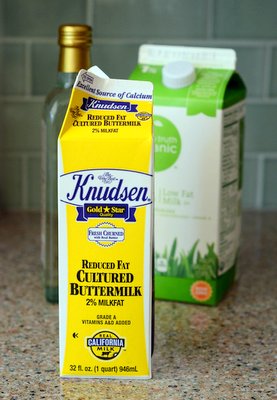
Cultured buttermilk is widely available. It is made by adding bacteria to milk. This process thickens the milk and adds tanginess. Cultured buttermilk is usually preferred for baking. It offers consistent results and flavor.
Fat Content Considerations
Buttermilk comes in various fat contents. Most store-bought buttermilk is low-fat. This works well for most recipes. Low-fat buttermilk keeps baked goods light and fluffy.
Whole buttermilk has more fat. It adds richness and moisture. Use whole buttermilk for a denser, moist result. It is ideal for biscuits and scones.
Choosing the right fat content depends on your recipe. Consider the desired texture and flavor.
Buttermilk Substitutes
Buttermilk is a key ingredient in many baking recipes. Its tangy flavor and acidity enhance the texture of baked goods. Sometimes, you might not have buttermilk on hand. Or you may need a lactose-free option. Fortunately, there are several substitutes. Let’s explore DIY buttermilk and alternatives for those lactose intolerant.
Diy Buttermilk
Create buttermilk at home easily. Use milk and an acid. Mix one cup of milk with one tablespoon of lemon juice. Or use vinegar. Let it sit for five minutes. This mixture mimics the tangy taste of buttermilk. Perfect for pancakes, cakes, and biscuits. Another option is using yogurt. Combine half a cup of yogurt with half a cup of milk. Stir until smooth. This substitute works well for baking.
Alternatives For Lactose Intolerant
Lactose-free buttermilk is possible. Use lactose-free milk as a base. Add lemon juice or vinegar. Follow the same DIY method. Almond milk is a good choice. Mix it with an acid to create a similar taste. Coconut milk offers a rich flavor. Combine with lemon juice for a tropical twist. Soy milk is another option. It works well in most recipes.
Perfecting Buttermilk Pancakes
Crafting perfect buttermilk pancakes requires fluffy batter and a hot griddle. Mix ingredients until just combined for tender pancakes. Golden edges and a light interior create the ideal breakfast treat.
Making perfect buttermilk pancakes at home can be a delightful experience that transforms an ordinary morning into something special. The secret lies in the balance of flavors and textures, creating pancakes that are both fluffy and flavorful. Whether you’re a seasoned cook or new to the world of breakfast delights, mastering the art of buttermilk pancakes is within your reach.Mixing Techniques
Achieving the right consistency in your pancake batter is crucial. Start by whisking together the dry ingredients in a large bowl, ensuring no lumps remain. Slowly add the buttermilk and eggs, mixing gently. Overmixing can lead to tough pancakes, so aim for a slightly lumpy batter. Those lumps are your friends, promising airy pancakes. Have you noticed that the perfect pancake batter has visible bubbles? That’s a good sign that you’ve nailed it.Cooking Tips
Preheat your griddle or non-stick pan over medium heat for even cooking. A few drops of water should dance on the surface when it’s ready. Lightly grease the pan with butter or oil to prevent sticking and add flavor. Pour a quarter cup of batter onto the griddle for each pancake. Wait until bubbles form on the surface and edges begin to set before flipping. This typically takes about two to three minutes. Keep an eye on the color as well. Golden brown is what you’re aiming for, so adjust the heat if needed. Once flipped, the second side usually needs less time, just about one to two minutes. Does your first pancake often turn out less than perfect? You’re not alone. Think of it as a test run to adjust your heat. Perfecting buttermilk pancakes is about finding your groove in the kitchen. With practice and these tips, you’ll be serving up stacks of delicious pancakes that will make any morning feel special.Crafting Fluffy Muffins
Discover the secret to crafting fluffy muffins with buttermilk baking. This ingredient adds moisture and a light texture. Perfect for a delightful treat.
Crafting fluffy muffins is a delightful adventure that brings joy to both novice bakers and seasoned chefs. Imagine biting into a muffin that is light as air, yet full of flavor. That’s the magic of buttermilk baking! The tangy richness of buttermilk transforms ordinary muffins into extraordinary treats. So, how do you achieve the perfect fluffiness? Let’s dive into the essential steps.Balancing Ingredients
Achieving the right balance of ingredients is crucial for fluffy muffins. Buttermilk is your secret weapon. It reacts with baking soda to create a light texture. Use fresh, high-quality buttermilk for the best results. Too much flour can make your muffins dense. Measure it carefully, using a spoon to fill your measuring cup. A gentle hand ensures a tender crumb. Consider the sweetness and flavor. Add vanilla extract for depth, and use brown sugar for a hint of molasses. Your muffins should be sweet enough to complement the tangy buttermilk.Optimal Baking Conditions
The oven temperature is key. Preheat your oven to 375°F (190°C). It ensures even cooking and a golden top. Too hot, and your muffins will burn before they cook through. Muffins need room to rise. Fill your muffin tin only two-thirds full. This gives them space to expand without spilling over. Watch the baking time. Check your muffins after 15 minutes. A toothpick should come out clean, indicating they are done. Overbaking leads to dryness, so keep a close eye. Have you ever wondered why some muffins rise perfectly while others fall flat? It’s all about the conditions you create. By fine-tuning your ingredients and baking environment, you pave the way for muffin success. Whether you’re baking for breakfast or a cozy afternoon snack, crafting fluffy muffins is a satisfying endeavor. With buttermilk in your arsenal, you’re set to impress. Now, what will you bake next?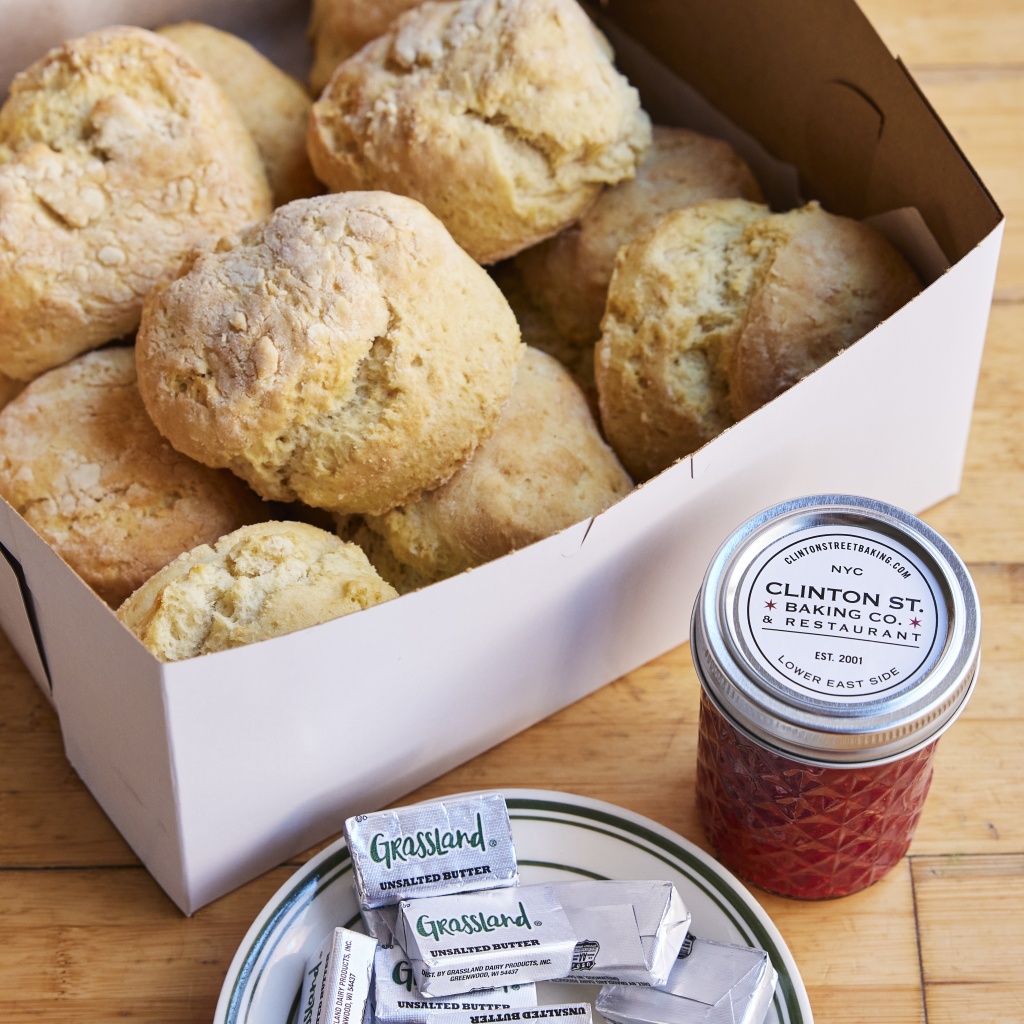
Credit: www.clintonstreetbaking.com
Moist Buttermilk Cakes
Buttermilk baking creates cakes that are moist and fluffy. The tangy flavor enhances the cake’s sweetness. Perfect for any occasion, these cakes are a delightful treat.
Moist buttermilk cakes are a delightful treat that can elevate any occasion. They have a unique tangy flavor and a tender crumb that makes them stand out. But what makes these cakes so irresistibly moist and flavorful? Let’s dive into the key elements that contribute to their deliciousness.Choosing The Right Flour
The type of flour you choose can greatly impact the texture and moisture of your cake. Cake flour is usually the best option for buttermilk cakes. It has a lower protein content compared to all-purpose flour, resulting in a finer, softer crumb. If you only have all-purpose flour at hand, you can make a quick substitute. Simply remove two tablespoons of flour from one cup and replace it with two tablespoons of cornstarch. This little trick can help mimic the effects of cake flour.Secrets To Moisture Retention
Keeping your buttermilk cakes moist isn’t just about the buttermilk; it’s about how you handle the entire baking process. One key secret is not to overmix your batter. Overmixing can lead to a dense, dry cake, so mix just until the ingredients are combined. Another important tip is to monitor your baking time closely. Even a few extra minutes in the oven can dry out your cake. Use a toothpick to check for doneness; it should come out with a few moist crumbs clinging to it. Finally, consider adding ingredients that naturally retain moisture. Fruits like apples or berries can add both flavor and moisture. You might be surprised how adding a few mashed bananas or a cup of yogurt can transform the texture of your cake. Have you ever experimented with adding unconventional ingredients to your cakes? Sometimes, a small tweak can make a huge difference. Try these tips and see how they elevate your next baking adventure.Buttermilk Biscuits: A Southern Classic
Buttermilk biscuits are a staple of Southern cuisine. They are fluffy, buttery, and delicious. These biscuits have been cherished for generations. Their rich taste and soft texture make them irresistible. The secret lies in the buttermilk, which adds tang and tenderness. Baking them at home brings comfort and joy to many kitchens.
Rolling And Cutting Techniques
Start by preparing the dough. Roll it gently to maintain its softness. Use a floured surface to prevent sticking. Flatten the dough to an even thickness. Take care not to overwork it. This keeps the biscuits light.
Use a sharp cutter for neat edges. Dip the cutter in flour. Press straight down for clean cuts. Avoid twisting the cutter. Twisting seals the edges and hampers rising. Place the cut biscuits closely on the baking sheet. They support each other as they rise.
Achieving Perfect Layers
Layers are key to a great biscuit. Fold the dough multiple times. This creates the flaky layers. Make sure to fold gently. Too much pressure can ruin the texture.
Chill the dough briefly before baking. Cold dough enhances flakiness. It helps the layers separate beautifully. Keep the oven hot and preheated. This ensures rapid rising and perfect layers.
Credit: bakingbites.com
Troubleshooting Common Issues
Baking with buttermilk often leads to dry cakes or dense breads. Adjusting liquid ratios can enhance texture and taste. Experiment with baking soda to balance acidity and achieve fluffier results.
When baking with buttermilk, encountering a few hiccups is not uncommon. Whether your bakes turn out too dry or flat, these issues can be frustrating. Understanding the root causes can help you achieve perfect results every time. Let’s dive into some practical solutions for these common baking challenges.Preventing Dryness
Dry baked goods can be a major letdown. Buttermilk is a fantastic ingredient that can prevent this, thanks to its natural acidity and moisture content. Make sure your measurements are accurate; too much flour can absorb the buttermilk, leading to dryness. Consider the temperature of your ingredients. Cold buttermilk straight from the fridge can sometimes hinder proper mixing, leading to an uneven distribution of moisture. Allow it to reach room temperature before using it to ensure your bakes are moist and tender. Have you ever overbaked a cake? It’s an easy mistake, but it can quickly dry out your bake. Keep a close eye on your baking time and use a toothpick to test for doneness. It should come out with a few moist crumbs, not completely dry.Avoiding Flat Bakes
Flat bakes can be disappointing, especially when you’re expecting a light and fluffy texture. Double-check your leavening agents. Baking soda and baking powder lose their potency over time, which can affect the rise of your baked goods. Fresh ingredients are crucial for a good lift. Mixing methods also play a key role in achieving the right texture. Overmixing your batter can knock out the air, making your bakes dense and flat. Mix just until the ingredients are combined for the best results. Ask yourself if you’ve preheated your oven adequately. An oven that’s not hot enough can cause your batter to spread before it sets, leading to flat results. Always preheat your oven for the specified time and use an oven thermometer if necessary to ensure accuracy. By addressing these common issues, you can improve your baking skills and enjoy perfect buttermilk bakes every time. What’s your biggest baking challenge, and how do you plan to tackle it?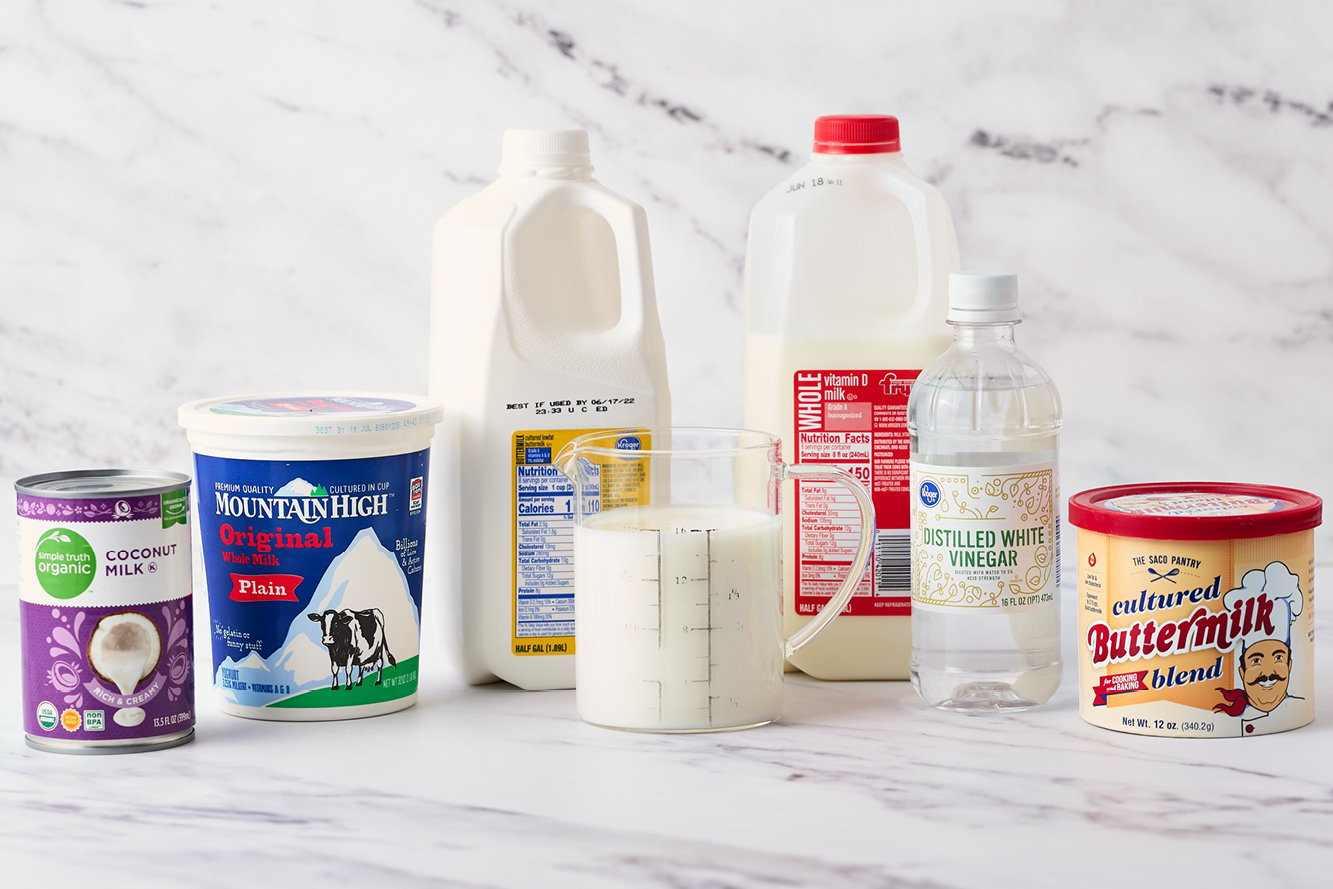
Credit: handletheheat.com
Frequently Asked Questions
What Does Buttermilk Do In Baking?
Buttermilk adds moisture, tenderness, and flavor to baked goods. It activates baking soda, helping them rise. Its acidity also breaks down gluten, creating a softer texture.
What Can I Bake That Uses Buttermilk?
Bake fluffy pancakes, moist muffins, or tender biscuits with buttermilk. It adds tangy flavor and richness. You can also create delicious buttermilk cornbread or creamy mashed potatoes. Enjoy the versatility and taste enhancement that buttermilk brings to baked goods and savory dishes.
Can Buttermilk Replace Milk In Baking?
Yes, buttermilk can replace milk in baking. Use equal amounts for a tangy flavor. It enhances moisture and texture. Adjust baking soda or powder to balance acidity. Great for pancakes, muffins, and cakes. Buttermilk offers a unique taste, making baked goods soft and flavorful.
Can I Freeze Buttermilk For Later Use?
Yes, you can freeze buttermilk. Use airtight containers or freezer bags, leaving space for expansion. Thaw in the refrigerator before use, but note texture may change.
Conclusion
Buttermilk baking brings warmth to every kitchen. It adds a unique flavor and texture. Perfect for cakes, biscuits, and pancakes. Each recipe becomes a delightful experience. Buttermilk helps create moist and tender bakes. It’s a versatile ingredient worth exploring. Easy to find and simple to use.
Next time, try buttermilk in your recipes. Watch your baked goods come to life. Enjoy the rich taste and texture. Baking with buttermilk truly satisfies. Happy baking!