Last Updated on February 13, 2026
Cake Baking isn’t just a kitchen task—it’s a gateway to creativity, celebration, and mouthwatering moments. It’s a delightful art that brings joy and flavor to any occasion.
Imagine the aroma of freshly baked cake filling your kitchen. Cake baking is not just a skill, but a creative outlet. From choosing the perfect ingredients to decorating with flair, each step is a journey. Cakes hold a special place in celebrations, creating memories that last a lifetime.
Baking cakes at home lets you experiment and personalize each creation. Whether you’re a beginner or a seasoned baker, the world of cake baking offers endless possibilities. Dive into expert tips, from choosing the perfect bakeware to mastering moist layers and decadent frostings. Whether you’re a novice or seasoned baker, discover innovative strategies, clever techniques, and inspiration to elevate every slice of your next masterpiece.
Table of Contents
Choosing The Right Ingredients
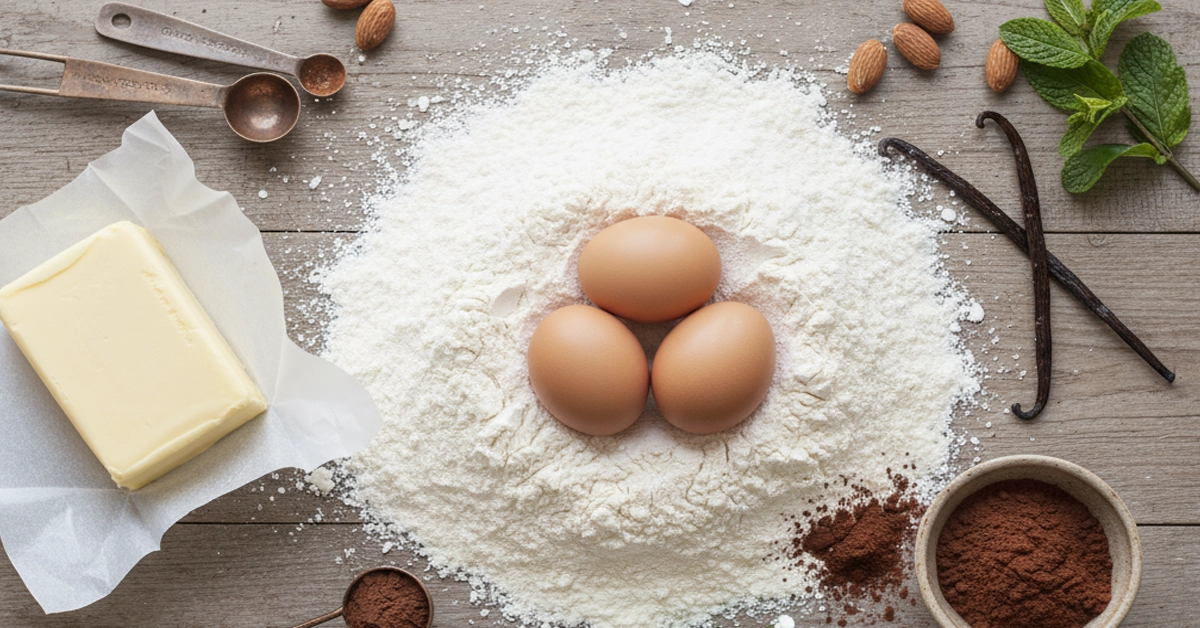
Selecting the right ingredients is crucial for achieving a successful cake baking experience. The quality and type of ingredients can make a significant difference. Your choice determines the cake’s taste, texture, and appearance. Understanding how ingredients work together helps create delicious and beautiful cakes. Let’s explore how to select the best ingredients for your cake.
Quality Matters
High-quality ingredients elevate your cake’s flavor and texture. Fresh eggs add richness and color. Use real butter instead of margarine for a better taste. Choose pure vanilla extract for a deeper flavor. High-grade flour ensures a light and fluffy cake. Quality cocoa powder makes chocolate cakes richer. Using fresh, quality ingredients makes a noticeable difference.
Substitute Smartly
Sometimes, substitutions are necessary. Smart substitutions can still yield great results. Use applesauce instead of oil for a healthier cake. Substitute Greek yogurt for sour cream to reduce fat. Almond milk can replace regular milk for those with lactose intolerance. Use honey instead of sugar for a natural sweetness. Choose substitutes that maintain the cake’s integrity. Be mindful of how substitutions affect flavor and texture.
Perfecting Cake Batter
Perfecting cake batter is the foundation of baking a flawless cake. The texture, flavor, and rise depend on how well the batter is mixed. Consistency is key in cake batter. Just like learning What Makes Cookies Chewy, understanding how ingredients interact helps you achieve the perfect crumb and moist texture in cakes. For further insights on achieving ideal cake—and even cookie—textures, check out ‘Why Are My Cookies Cakey? I Asked 3 Bakers’ from Better Homes & Gardens.
Achieving The Right Consistency
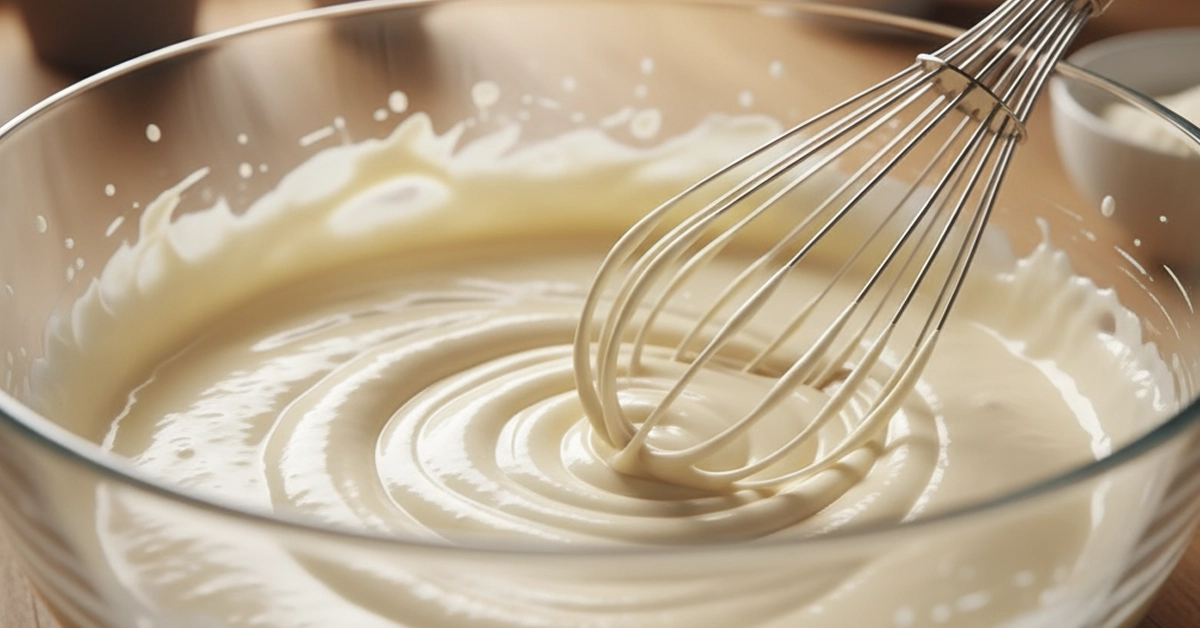
Consistency is key in cake batter. Start with room temperature ingredients. This helps them blend smoothly together. Measure ingredients accurately. Use a scale for precision. Mix dry ingredients separately before adding to wet ones. Gradually add flour to avoid lumps. Stir until just combined. Overmixing can lead to a dense cake. The batter should be smooth, with no visible flour streaks.
Avoiding Common Mistakes
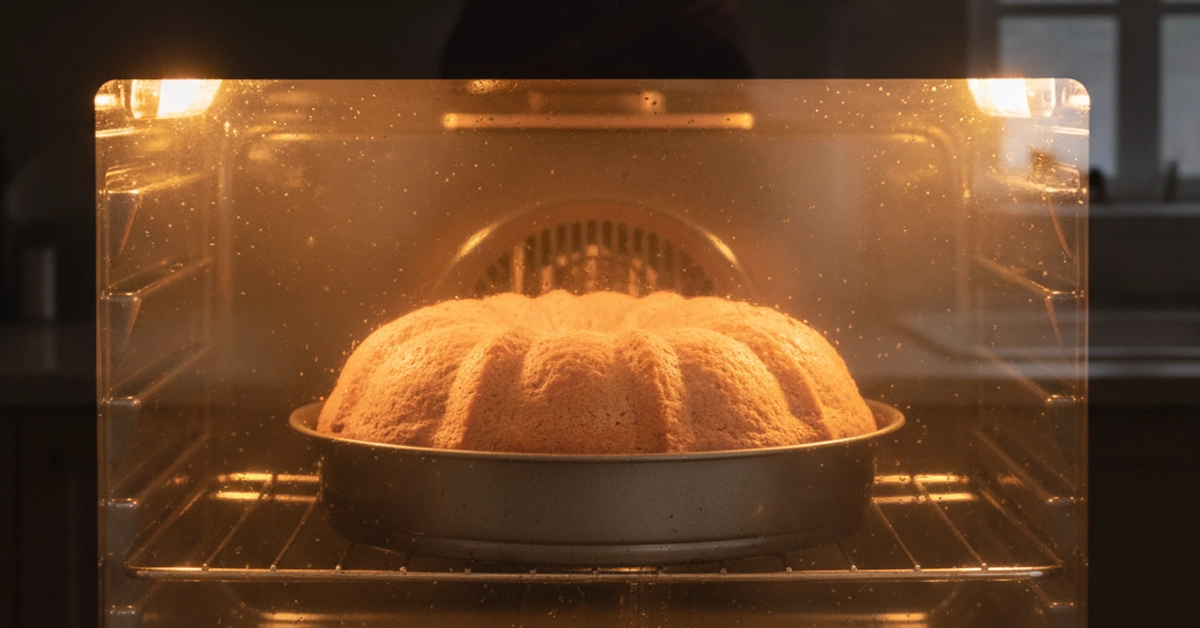
Common mistakes can ruin cake batter. Don’t rush the process. Take time to measure each ingredient. Avoid using cold butter or eggs. They don’t mix well. Ensure baking powder is fresh. Old baking powder won’t rise properly. Resist the urge to open the oven door too soon. It can cause the cake to collapse. Follow the recipe closely to prevent errors.
Mastering Baking Techniques
When you step into the world of cake baking, mastering the techniques is your golden ticket to success. Whether you’re crafting a birthday cake or a simple dessert, the proper methods can make all the difference. From controlling the oven temperature to timing the bake, let’s explore what makes your cake not just good, but truly unforgettable.
Temperature Control
Ever wondered why your cake sometimes turns out dry or uncooked in the middle? It’s all about temperature control. Your oven is like a magic wand, but only if you know how to use it effectively. Ensure your oven is preheated to the right temperature before you start baking. A consistent temperature allows the cake to rise evenly and develop a perfect texture. Use an oven thermometer to verify the accuracy. It’s a small investment that pays off in golden, moist cakes. The type of Oven Baking Pan you use also impacts results, since dark pans absorb more heat while lighter pans bake more evenly.
Consider your ingredients, too. If eggs or milk are cold, they can affect the batter temperature and, ultimately, the bake. Allow them to reach room temperature for best results. It’s these little adjustments that elevate your baking from good to great.
Timing Is Everything
Timing can make or break your cake. Have you ever pulled a cake out of the oven and found it dense or gummy? Timing was the culprit. Knowing when to check your cake is crucial. Set a timer, but also trust your instincts. The aroma filling your kitchen is often a sign that your cake is nearing perfection.
Testing for doneness is simple. Insert a toothpick or skewer into the center of the cake. If it comes out clean or with a few crumbs, your cake is done. But here’s a tip: if you’re unsure, err on the side of caution. A slightly under-baked cake can be saved, but an over-baked one often can’t. Timing is your secret weapon to achieving the perfect bake.
What are your go-to techniques for baking the perfect cake? Share your thoughts in the comments below!
Creative Flavor Combinations
Discover endless possibilities with creative flavor combinations in cake baking. Mix unexpected ingredients like lavender with lemon or chocolate with chili. Surprise your taste buds with these unique blends.
Creating unique flavor combinations in cake baking is like painting a masterpiece with your taste buds. The magic happens when you step beyond traditional vanilla and chocolate, venturing into a world of unexpected pairings. These creative combinations can elevate your cake from ordinary to extraordinary, making each bite a delightful surprise.
Adding Unique Elements
Have you ever thought about adding herbs to your cakes? Rosemary in a lemon cake adds an aromatic twist that feels both refreshing and sophisticated.
Spices like cardamom or ginger can offer warmth and depth to your cake’s flavor profile. Consider adding a touch of chili powder to a chocolate cake for a surprising kick.
Fruits are another great way to innovate. Try pairing tangy raspberries with sweet coconut for a tropical-inspired treat. Think of your favorite fruit salad and imagine those flavors in cake form.
Balancing Flavors
When experimenting with new flavors, balance is key. You want each element to shine without overpowering the others.
A pinch of salt can enhance sweetness and bring out the best in both sweet and savory components. Use it wisely to prevent your cake from tasting flat.
Acidity from citrus or vinegar can cut through rich, buttery flavors, making the cake feel lighter. Next time you’re baking a dense chocolate cake, consider a hint of orange zest.
Think about texture, too. A crunchy element like nuts or seeds can add contrast to a soft cake, making the eating experience more dynamic. What unique elements will you try in your next baking adventure?
Decorating Like A Pro
Decorating a cake like a professional can transform a simple dessert into a stunning masterpiece. Imagine the delight on your guests’ faces when they see a beautifully decorated cake gracing your table. The harmony of Cake and Icing is what truly makes a dessert shine—matching flavors and textures ensures every bite is as delicious as it is beautiful.. Let’s explore some practical tips to help you elevate your cake-decorating skills.
Choosing The Right Tools
First things first, you need the right tools to get the job done. Investing in quality items can make a big difference in your cake’s final look. Begin with a basic set of piping tips, as they are essential for creating various designs and patterns.
Consider purchasing a turntable. It allows you to smoothly rotate the cake while decorating, ensuring an even finish. This tool is convenient for beginners trying to achieve professional results.
Don’t forget spatulas and scrapers. These are essential for spreading icing evenly and creating a smooth surface. A simple offset spatula can be your best friend in achieving clean edges.
Creating Visual Appeal
The visual appeal of your cake is what grabs attention. Think about color combinations that work well together. Choose colors that complement the theme of your occasion, whether it’s pastel for a wedding or vibrant hues for a children’s party.
Textures add interest. Consider using different icing techniques like rosettes or ruffles. These can be achieved by using varied piping tips and practicing your piping technique.
Don’t underestimate the power of garnishes. Fresh fruits, edible flowers, or chocolate shavings can add that extra touch and make your cake look irresistible. They are simple yet effective ways to enhance your cake’s appearance.
What do you want your cake to say? Every decoration choice reflects your personality and the theme of your event. With the right tools and a keen eye for detail, you can create a cake that not only tastes good but also tells a story. So, are you ready to decorate like a pro?
Troubleshooting Common Issues
Baking cakes can be a delightful experience, but sometimes things don’t go as planned. Troubleshooting common issues is crucial to ensure your cakes come out perfect every time. Whether you’re dealing with sinking cakes or trying to prevent dryness, understanding these challenges can elevate your baking game.
Dealing With Sinking Cakes
Have you ever opened the oven door with excitement, only to find your cake has sunk in the middle? It’s a common issue that can be frustrating. Often, the problem lies in the baking powder. Ensure it’s fresh by checking the expiration date.
Too much or too little can cause your cake to sink. Measure carefully using a spoon to scoop it into your measuring cup, then level it with a knife. Another culprit could be opening the oven door too early. Wait until your cake is almost fully baked before checking.
Consider your oven temperature as well. An inaccurate temperature can lead to uneven baking. Using an oven thermometer can help you verify the exact temperature, ensuring your cake rises beautifully.
Preventing Dryness
Dry cakes can be a letdown, especially when you’re expecting something moist and delicious. One key factor is overbaking. Set a timer and check your cake a few minutes before the recommended baking time ends.
If your cake is still dry, consider the ingredients. Butter and sugar are essential for moisture. Be precise with your measurements, as too little of either can lead to dryness. Also, don’t skimp on liquid ingredients like milk or eggs. They contribute significantly to the cake’s texture.
Ask yourself if you’re mixing correctly. Over-mixing can lead to a tough cake. Mix just until the ingredients are combined. If dryness persists, try adjusting your recipe by adding a bit more liquid or fat.
Remember, troubleshooting is part of the baking journey. What challenges have you faced while baking cakes? Share your thoughts or tips in the comments below. Together, we can master the art of cake baking!
Tips For Healthy Alternatives
Embracing healthy alternatives in cake baking can transform your treats. Healthier ingredients make cakes delicious and nutritious. You don’t need to sacrifice flavor for health. Discover simple swaps that enhance the nutritional value of your cake.
Using Natural Sweeteners
Refined sugars can be replaced with natural sweeteners. Honey and maple syrup add depth to your cake’s flavor. They provide sweetness without excessive calories. Stevia is another option for those watching their sugar intake. It is plant-based and calorie-free. Dates and bananas can add natural sweetness, too. These fruits add moisture to your cakes. Experiment with these sweeteners for a healthier dessert.
Incorporating Whole Grains
Whole grains enrich your cakes with fiber and nutrients. Use whole wheat flour instead of white flour. It adds a nutty flavor and more fiber. Oats can be blended into flour for added texture. They make cakes heartier and more filling. Try spelt or quinoa flour for unique flavors. These grains offer protein and essential minerals. Whole-grain options make every bite nutritious.
Storing And Serving Cakes
Proper storage keeps cakes fresh and delicious. Use airtight containers to maintain moisture and flavor. Serve slices at room temperature for optimal taste and texture.
Storing and serving cakes is an art that every baker should master. Whether you’re saving a delicious slice for later or presenting a masterpiece at a party, how you store and serve your cake can make all the difference. It’s not just about keeping the cake fresh; it’s about showcasing it in a way that makes everyone want a piece.
Preserving Freshness
Keeping your cake fresh is crucial for maintaining its taste and texture. Start by wrapping it tightly in plastic wrap to prevent air exposure. This simple step helps lock in moisture and keeps your cake from drying out.
If you have a frosted cake, consider using a cake dome. It not only protects the frosting but also adds a layer of elegance to your countertop. Refrigerating your cake can extend its freshness, but be mindful that some frostings might harden in the cold.
Have you ever wondered if freezing is an option? It is! Freezing can preserve a cake for months. Just make sure to wrap it in multiple layers to protect it from freezer burn. When you’re ready to enjoy, thaw it in the fridge to bring back its original texture.
Presentation Tips
How you present your cake can elevate its appeal. A simple trick is using a cake stand; it adds height and makes your cake the centerpiece of any table. Choose a stand that complements your cake’s theme or color.
Decorative elements can instantly transform a cake. Think about adding fresh fruit or edible flowers on top. These additions not only enhance visual appeal but also offer a delightful taste contrast.
Consider slicing your cake with precision. Use a sharp knife and wipe it clean between cuts. This ensures each slice looks neat and inviting.
Have you thought about serving with style? Use matching plates and napkins to complete the look. A cohesive presentation makes your cake irresistible.
How do you make your cake the star of the party? Share your tips and become part of the cake conversation.
Frequently Asked Questions
How To Bake A Cake Step By Step?
Gather ingredients and preheat oven to 350°F. Mix dry and wet ingredients separately. Combine the mixtures and pour into a greased pan. Bake for 30-35 minutes. Test with a toothpick; if it comes out clean, the process is complete. Cool before serving. Enjoy your homemade cake!
What Are The 7 Rules For Baking a Perfect Cake?
1. Preheat the oven and prepare pans properly. 2. Measure ingredients accurately. 3. Use room temperature ingredients. 4. Mix ingredients as directed, avoiding overmixing. 5. Follow baking time and temperature precisely. 6. Test for doneness with a toothpick. 7. Allow the cake to cool completely before frosting.
Do You Bake A Cake At 350 Or 375?
Bake most cakes at 350°F for even cooking. Some recipes suggest 375°F for a quicker bake. Always follow the specific recipe instructions for best results.
Is It Cheaper To Buy A Cake Or Make A Cake?
Buying a cake is often more expensive than making one. Homemade cakes can save money, especially with simple recipes. Ingredients for a basic cake are usually cheaper than store-bought options. DIY cakes also allow for customization, making them a cost-effective option. Consider time and effort when deciding.
Conclusion
Baking cakes can be a fun and rewarding hobby. Start with simple recipes. Practice makes you better. Experiment with flavors and decorations. Share your creations with friends and family. Enjoy the process and learn from each bake. Mistakes are part of the journey.
Celebrate each success and grow your skills. Baking can bring joy to your life. It’s a chance to express creativity and love. So grab your apron, preheat the oven, and bake a cake today. Experience the joy of homemade goodness.
Happy baking!