Last Updated on February 13, 2026
Have you ever struggled with a dull can opener blade that just won’t cut through your cans smoothly? If so, you know how frustrating it can be to wrestle with stubborn lids, risking spills or even injury.
Your can opener blade is the key part that makes opening cans easy and safe, but not all blades are created equal. You’ll discover everything you need to know about can opener blades—how they work, why they wear out, and how to choose the best one for your kitchen.
Keep reading to make sure your next can-opening experience is quick, effortless, and mess-free.
Types Of Can Opener Blades
Can opener blades vary widely, affecting how well they cut through cans. Choosing the right type can make opening cans easier and safer. Understanding the differences helps in picking a blade that fits your needs.
Manual Vs Electric Blades
Manual can opener blades require hand power to rotate and cut. They are simple and do not need electricity. Electric blades work with a motor that spins automatically. This makes opening cans quicker and needs less effort.
Manual blades are best for small kitchens or outdoor use. Electric blades suit those who open cans often or have hand problems. Both types have sharp edges designed to pierce the metal lid cleanly.
Material Variations
Can opener blades come in different materials, affecting strength and durability. Stainless steel is common because it resists rust and stays sharp. Some blades have carbon steel for extra hardness but may need more care.
Plastic is used in some parts but rarely for the blade itself. High-quality materials last longer and cut smoothly without jagged edges. Look for rust-proof blades to keep your opener clean and safe.
Blade Designs
Blade designs vary to improve cutting style and safety. Some blades cut around the lid’s edge, leaving smooth sides. Others cut from the inside, which can be faster but less safe.
Some openers feature a serrated blade for better grip on the can’s surface. Others use a smooth, circular blade for cleaner cuts. Choose a blade design that feels comfortable and safe for you.
Factors Affecting Blade Sharpness
The sharpness of a can opener blade affects how easily it cuts through metal lids. Several factors influence this sharpness. Understanding these can help you choose and maintain the best blade for your needs.
Material Hardness
The blade’s material must be hard to stay sharp longer. Hard metals resist dulling and wear. Soft metals lose their edge quickly. Stainless steel is common because it is strong and resists rust.
Blade Thickness
Thinner blades can cut more precisely. They require less force to pierce lids. Thick blades last longer but need more strength to use. The right thickness balances sharpness and durability.
Edge Geometry
The shape of the blade edge affects cutting performance. A fine, pointed edge slices cleanly. Rounded edges dull faster and struggle to cut. Proper edge design keeps the blade sharp and efficient.
Maintaining Sharpness
Maintaining the sharpness of your can opener blade is key for smooth and safe use. A sharp blade cuts through cans with ease, saving time and effort. It also helps prevent slips and injuries.
Sharp blades last longer and keep your can opener working at its best. Simple care steps keep the blade sharp and ready for every use.
Regular Cleaning Tips
Clean the blade after each use. Remove food bits stuck on the blade. Use warm, soapy water and a soft brush. Rinse well and dry completely. Avoid letting moisture sit on the blade. This prevents rust and dullness.
Proper Storage Methods
Store the can opener in a dry place. Avoid humid or wet areas. Keep it away from other utensils to stop dulling. Use a protective cover if available. Hanging it on a hook helps air dry the blade.
Sharpening Techniques
Sharpen the blade when it starts to feel dull. Use a small metal file or sharpening stone. Hold the blade steady and file in one direction. Keep a gentle, steady pressure. Test the blade on a can to check sharpness. Repeat as needed but avoid over-sharpening.

Credit: www.amazon.com
Durability Considerations
Durability plays a key role in choosing a can opener blade. A strong blade lasts longer and performs better. It saves money and reduces frustration. Understanding durability helps pick the right blade for daily use. The following points explain key durability factors.
Corrosion Resistance
Corrosion weakens metal blades over time. Rust can make the blade dull and unsafe. Stainless steel blades resist corrosion well. They stay sharp and clean longer. A blade with good corrosion resistance needs less maintenance.
Wear And Tear
Constant use causes wear and tear on the blade. Dull blades struggle to cut cans smoothly. Quality materials reduce wear and keep sharpness. Blades made from hardened steel resist damage better. Regular cleaning helps maintain blade condition.
Impact Of Usage Frequency
Frequent use shortens a blade’s life span. Heavy users need blades with high durability. Occasional users can choose standard blades. Knowing usage frequency helps select the right blade. This avoids frequent replacements and ensures smooth cutting.
Choosing The Right Blade
Choosing the right can opener blade matters a lot. It affects how well you open cans and how long your tool lasts. Picking a blade that fits your needs makes kitchen tasks easier and safer. This section helps you find the best blade for your use.
Matching Blade To Usage
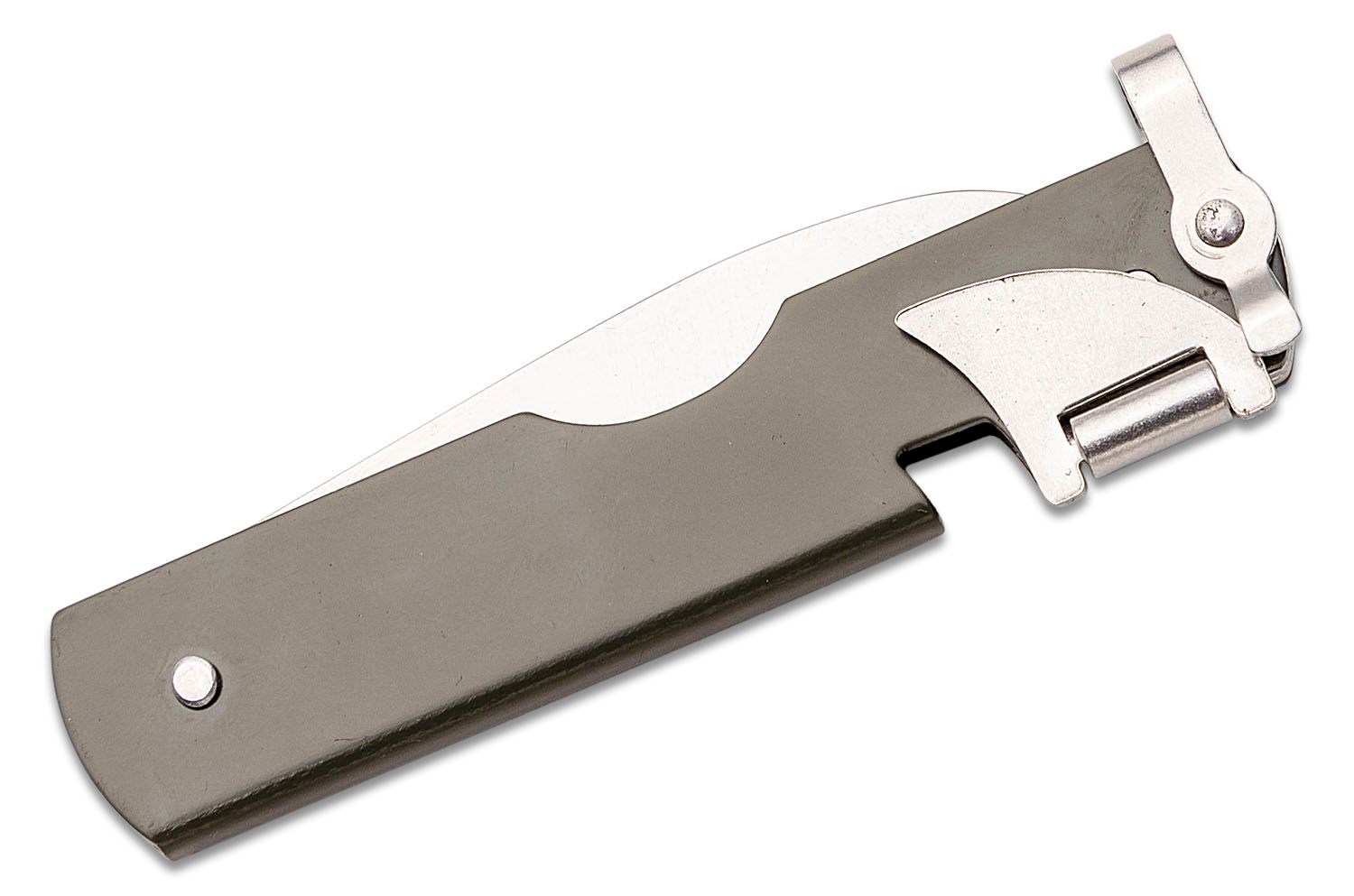
Different can openers have blades made for specific tasks. Some blades work best on thin metal cans. Others handle thick, tough lids better. Think about the types of cans you open most. Choose a blade designed for that use. This prevents damage to the blade and can lids.
Balancing Sharpness And Durability
A sharp blade cuts easily but can wear out fast. Durable blades last longer but may need more effort to cut. Find a blade that offers good sharpness and strength. This balance saves time and money on replacements. Regular cleaning also keeps the blade sharp and safe.
Budget Vs Quality
Cheap blades may seem good at first. They dull quickly and might break easily. High-quality blades cost more but last longer. Spending a bit more upfront can save money later. Choose a blade that fits your budget but does not sacrifice quality.
Credit: www.knifecenter.com
Signs Of Blade Wear
Knowing the signs of blade wear helps you keep your can opener working well. A worn blade can make opening cans harder and less safe. Watch for these signs to know when to replace the blade.
Dulling Indicators
The blade becomes less sharp over time. It may feel smooth or rounded instead of sharp. The blade might not cut through the can lid easily. You may need to press harder to open cans.
Physical Damage
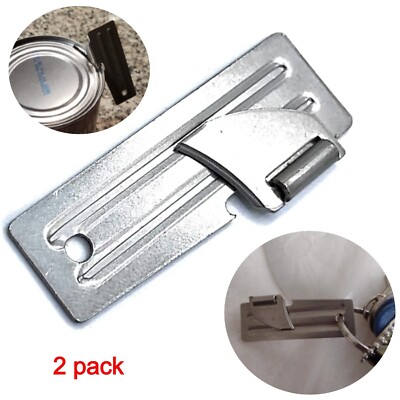
Check the blade for chips or cracks. Small dents or bends can reduce cutting ability. Rust or discoloration also shows the blade is worn. Damaged blades can cause uneven cuts or slip.
Performance Issues
The can opener may skip or get stuck while cutting. It can leave jagged edges on the lid. The blade might tear the lid instead of cutting it cleanly. These problems show the blade needs replacement.
Credit: www.ebay.com
Frequently Asked Questions
What Is A Can Opener Blade Made Of?
A can opener blade is usually made from stainless steel. This material prevents rust and maintains sharpness. It ensures durability and effective cutting through metal lids safely and efficiently.
How Does A Can Opener Blade Work?
The blade pierces the can lid and rotates around its edge. This cuts the metal lid, allowing easy removal. The blade’s sharpness and precision are essential for smooth operation.
Can A Can Opener Blade Be Replaced?
Yes, many can openers allow blade replacement. Regular blade replacement keeps the opener efficient and safe. It’s important to use compatible blades for your specific can opener model.
Why Does My Can Opener Blade Get Dull?
Frequent use and cutting hard metal cause blade dullness. Exposure to moisture can also lead to corrosion. Regular cleaning and timely blade replacement maintain optimal performance.
Conclusion
A can opener blade makes opening cans quick and safe. It cuts smoothly, reducing spills and sharp edges. Choosing the right blade keeps your kitchen tools working well. Regular cleaning helps the blade stay sharp and last longer. A good blade saves time and effort every day.
Simple care and the right blade improve your cooking routine. Small details like this make a big difference in the kitchen.