Last Updated on December 14, 2025
Imagine hosting a gathering where your guests can’t stop talking about the delicious spread you’ve prepared. A cheese charcuterie board is your secret weapon to creating that wow factor.
It’s not just about cheese and meat; it’s about crafting an experience that excites your taste buds and sparks conversation. Whether you’re planning a casual night or a special celebration, this guide will help you build a stunning, irresistible board that everyone will love.
Ready to impress your friends and treat yourself at the same time? Let’s dive in.
Choosing The Right Cheeses
Choosing the right cheeses makes your cheese charcuterie board special. It brings variety in taste and texture. A good mix keeps your guests excited with every bite. Balance creamy, firm, and bold cheeses for the best experience.
Soft Cheeses
Soft cheeses are smooth and creamy. They often have a mild, buttery taste. Examples include Brie, Camembert, and fresh goat cheese. Soft cheeses pair well with fruits and crackers. They add a gentle touch to the board.
Hard Cheeses
Hard cheeses are firm and dense. Cheddar, Parmesan, and Manchego are popular choices. These cheeses offer a stronger, sharper flavor. They are easy to slice and perfect for nibbling. Hard cheeses balance softer options nicely.
Blue Cheeses
Blue cheeses have veins of blue mold inside. They have a strong, tangy taste. Examples include Roquefort, Gorgonzola, and Stilton. Blue cheese adds boldness and depth to the board. Pair it with sweet items like honey or fruit.
Aged Vs Fresh Cheeses
Aged cheeses are matured for months or years. They taste richer and more complex. Fresh cheeses are young, soft, and mild. Examples are mozzarella and ricotta. Mixing aged and fresh cheeses creates a nice contrast of flavors and textures.
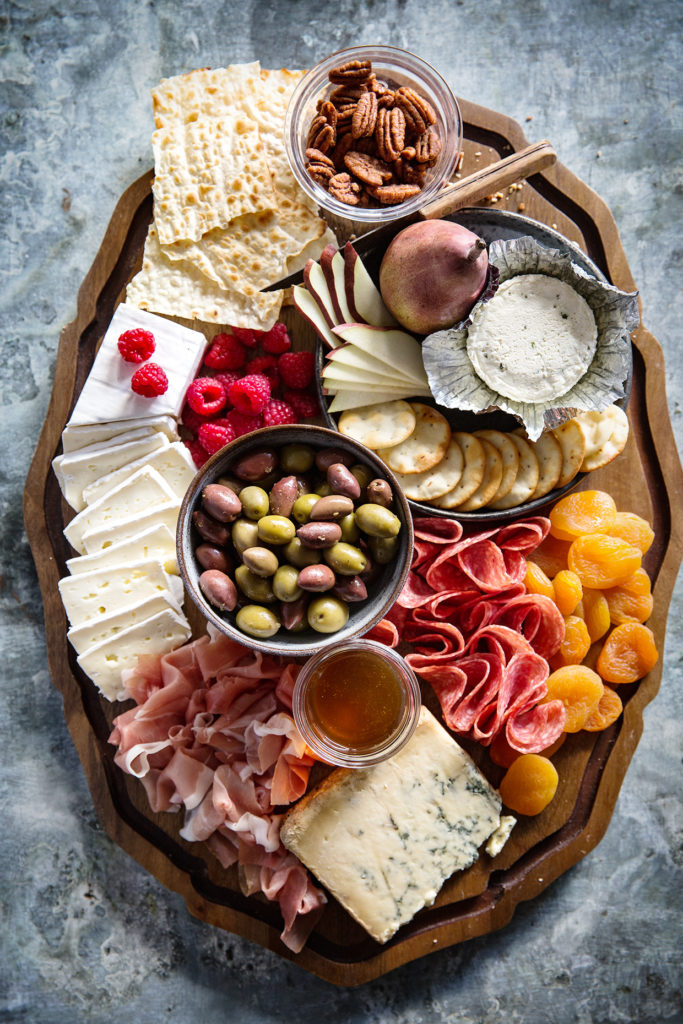
Credit: realfoodbydad.com
Selecting Meats For The Board
Selecting meats for a cheese charcuterie board is a key step to create a tasty and balanced spread. The right meats add flavor, texture, and variety. They pair well with cheeses and other board items. Choose a mix of flavors and textures to keep the board interesting and inviting.
Cured Sausages
Cured sausages bring bold and spicy flavors. They have a firm texture and rich taste. Popular options include salami, chorizo, and soppressata. Slice them thin to let their flavors shine. Their salty and smoky notes complement creamy cheeses well.
Sliced Cold Cuts
Sliced cold cuts offer a mild and tender choice. Ham, turkey, and roast beef are common picks. These meats are easy to layer and fold on the board. They add softness and a fresh, meaty taste that balances strong cheeses.
Patés And Terrines
Patés and terrines add a luxurious and smooth texture. They come in many flavors, from liver to vegetable blends. Serve them with small spoons or spreaders. Their rich taste and creamy feel elevate the board’s appeal.
Adding Fresh And Dried Fruits
Adding fresh and dried fruits to a cheese charcuterie board brings color and flavor. Fruits balance the rich taste of cheeses and meats. They offer a sweet and tangy contrast that excites the palate. Including a variety of fruits makes the board more inviting and appealing.
Seasonal Fresh Fruits
Seasonal fresh fruits add a burst of natural sweetness. Choose fruits like grapes, apple slices, or berries. These fruits are juicy and refreshing. They provide a crisp texture that pairs well with soft cheeses. Seasonal fruits ensure freshness and better taste. They also reflect the time of year, making the board feel special.
Dried Fruit Varieties
Dried fruits bring chewy texture and concentrated sweetness. Options include apricots, figs, and dates. These fruits complement salty or sharp cheeses nicely. Dried fruits last longer and add depth to the board. They create a mix of flavors and textures that please the senses. Use a small amount to avoid overpowering the other ingredients.
Incorporating Nuts And Crunchy Elements
Incorporating nuts and crunchy elements brings life to a cheese charcuterie board. These additions create interesting textures that balance soft cheeses and meats. Crunchy bites excite the palate and add variety. They also help cleanse the palate between tastings. Choosing the right nuts and crackers is key to a perfect board.
Nuts For Texture
Nuts add a satisfying crunch and rich flavor. Almonds, walnuts, and pecans work well with many cheeses. Roasted or raw nuts offer different tastes and textures. Salted nuts add a savory touch that pairs nicely with creamy cheeses. Spread nuts in small piles or mix them with dried fruits for a colorful look. Nuts also bring healthy fats and protein to the board.
Crispy Crackers And Breads
Crispy crackers and breads provide a sturdy base for cheese. Choose plain or flavored crackers to match your cheese selection. Thin, crunchy crackers highlight delicate cheeses. Thick, crusty bread slices hold stronger cheeses and spreads. Toasted baguette slices add warmth and a rustic feel. Variety in shapes and flavors keeps the board interesting and inviting.
Choosing Spreads And Condiments
Choosing spreads and condiments is key to a great cheese charcuterie board. They bring extra flavor and texture. Spreads can balance the richness of cheese and meats. Condiments add a burst of taste that excites the palate. Both sweet and savory options work well together. The right pairings create a delightful tasting experience.
Sweet Options
Sweet spreads offer a nice contrast to salty cheese. Honey is a classic choice, smooth and natural. Fruit jams like fig, apricot, or berry add a fruity touch. They pair beautifully with soft cheeses such as brie. Sweet mustard provides a tangy and sweet mix. It works great with sharp cheddar or gouda. These options add variety and keep the board interesting.
Savory Options
Savory spreads bring depth and a bold taste. Pesto adds fresh herbs and a nutty flavor. Olive tapenade gives a salty, briny punch. Mustard, especially Dijon, offers a spicy kick. Hummus adds creaminess and a mild earthiness. These condiments complement cured meats perfectly. They balance the richness and enhance every bite.
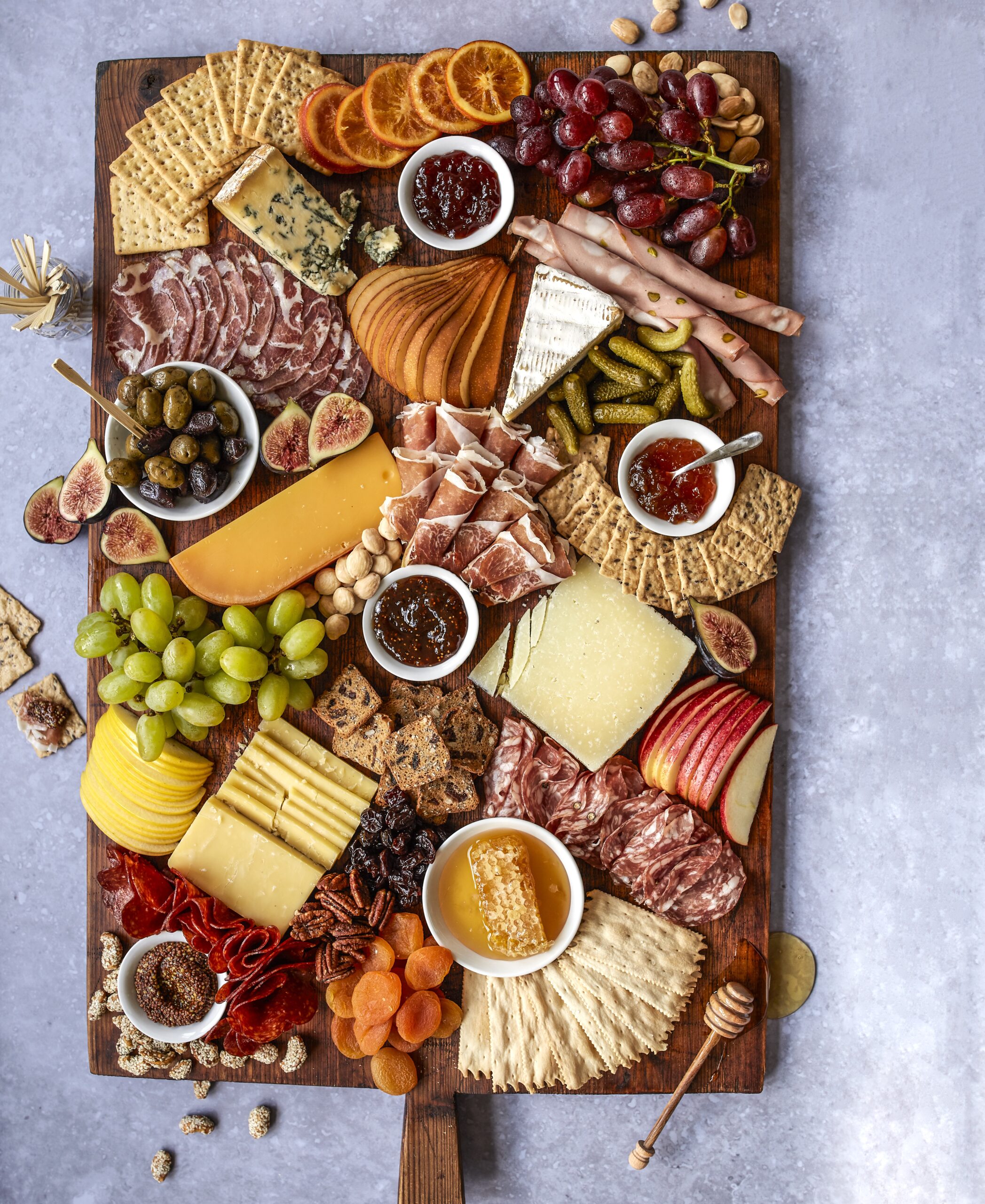
Credit: thebakermama.com
Pairing With Wine And Beverages
Pairing the right drinks with a cheese charcuterie board brings out the best flavors. Drinks can balance the saltiness and richness of cheese and meats. Choosing a good drink makes your tasting experience more enjoyable. This section guides you on wine and other beverage options for your board.
Wine Pairing Tips
Red wines suit aged and hard cheeses well. Try a light Pinot Noir with soft cheeses like Brie. White wines like Sauvignon Blanc match fresh and mild cheeses. Sparkling wines work great with salty and creamy textures. Avoid very tannic wines with delicate cheeses. Let the wine and cheese flavors enhance each other.
Alternative Beverage Options
Non-wine options can also complement your board. Craft beers with fruity or malty notes pair nicely. Ciders offer a crisp, sweet contrast to rich cheeses. Sparkling water cleanses the palate between bites. Herbal teas add warmth without overpowering flavors. Choose drinks that highlight the taste of your charcuterie.
Arranging The Board
Arranging a cheese charcuterie board is an art. It needs a good mix of colors, shapes, and flavors. A well-arranged board looks inviting and makes guests excited to try everything. Spreading out the elements evenly helps create balance. Using different textures and sizes adds interest. Planning space for each item avoids crowding. The goal is a beautiful and tasty display.
Balancing Colors And Textures
Use a variety of cheese colors. Include white, yellow, and orange cheeses. Add cured meats with red and pink tones. Bright fruits and green herbs bring freshness. Mix soft, hard, and crumbly cheeses. Add crunchy nuts and crispy crackers. This contrast makes the board exciting to eat. Color and texture catch the eye and the palate.
Portioning For Sharing
Cut cheese into small, easy-to-pick pieces. Slice meats thinly for easy grabbing. Offer enough for each guest to try all items. Place spreads and dips in small bowls. Use small utensils to avoid mixing flavors. Arrange items so guests can reach everything. Portioning this way keeps the board neat and inviting.
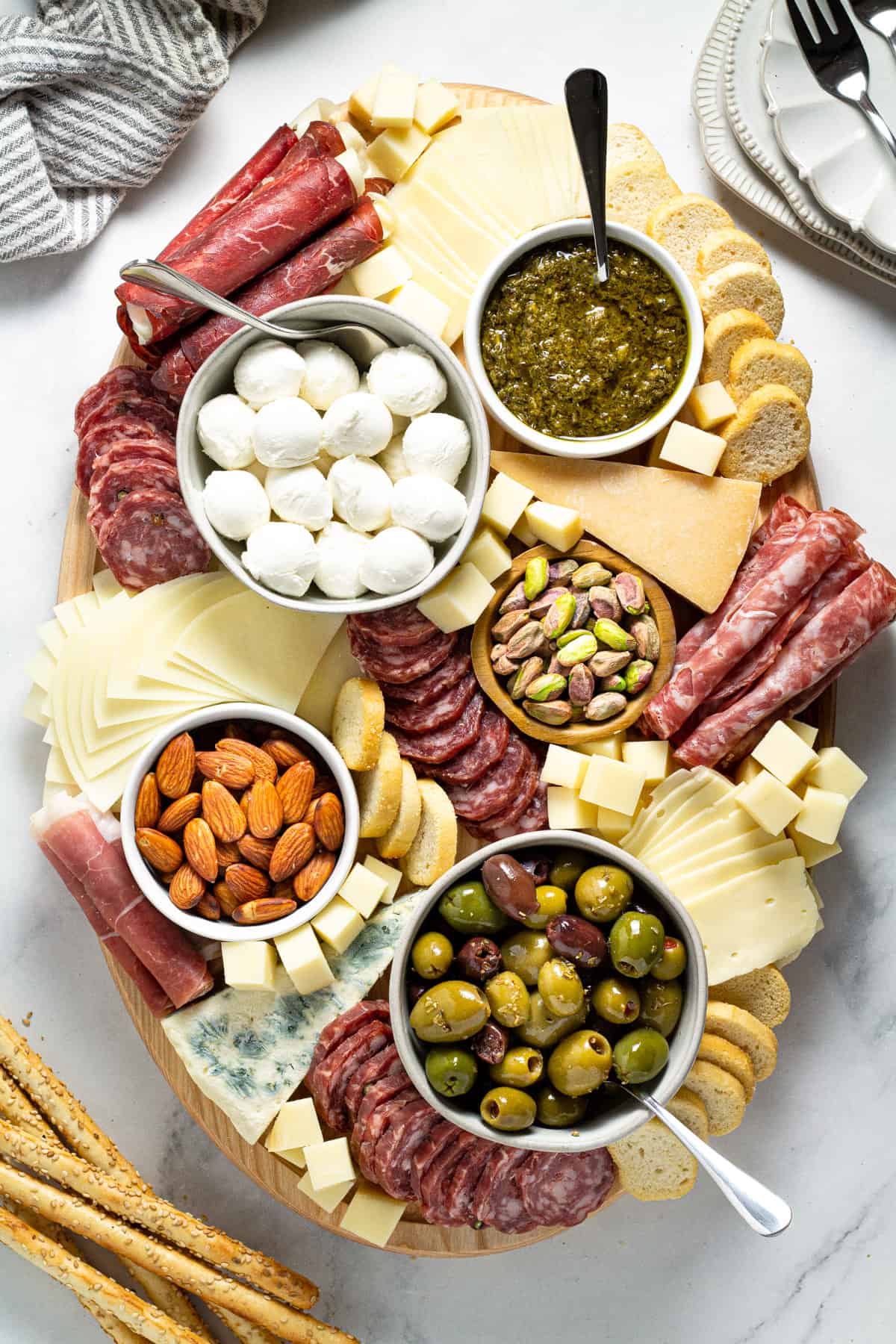
Credit: midwestfoodieblog.com
Tips For Serving And Storing
Serving and storing a cheese charcuterie board properly keeps flavors fresh and textures perfect. Simple steps help you enjoy every bite at its best. Follow these tips to make your board look and taste great.
Serving Temperature
Cheese tastes best at room temperature. Take it out of the fridge 30 minutes before serving. This brings out the full flavor and creamy texture. Cold cheese can taste dull and hard. Soft cheeses like brie or camembert should be served slightly warmer than hard cheeses. Arrange the cheese on the board after it reaches room temperature.
Storage Guidelines
Wrap cheese tightly in wax paper or parchment paper. Avoid plastic wrap as it traps moisture. Store wrapped cheese in an airtight container or a cheese drawer in the fridge. Keep different types of cheese separate to avoid mixing flavors. Hard cheeses last longer than soft ones. Use soft cheese within a few days. Always check for mold or off smells before serving again.
Frequently Asked Questions
What Cheeses Are Best For A Charcuterie Board?
Soft cheeses like brie, creamy goat cheese, and semi-hard cheeses like cheddar or gouda are excellent choices. They offer varied textures and flavors, making the board more enjoyable and appealing to different taste preferences.
How Do I Pair Meats With Cheeses On A Board?
Pair mild cheeses with spicy meats and strong cheeses with milder meats. For example, pair creamy brie with prosciutto or sharp cheddar with salami for balanced flavors.
What Accompaniments Enhance A Cheese Charcuterie Board?
Add fresh fruits, nuts, olives, honey, and crusty bread or crackers. These elements complement cheese and meat flavors and add texture variety to the board.
How Can I Make A Cheese Charcuterie Board Visually Appealing?
Use different shapes, colors, and textures. Arrange cheeses, meats, and accompaniments in clusters with space between. Garnish with fresh herbs or edible flowers for a beautiful presentation.
Conclusion
A cheese charcuterie board brings people together. It offers a mix of flavors and textures to enjoy. You can choose cheeses, meats, fruits, and nuts. Each board is unique and fun to create. Simple or fancy, it suits any occasion.
Share it with friends or family. Everyone will appreciate the tasty variety. Try different combinations to find your favorite. A cheese charcuterie board makes any gathering special. Give it a try and enjoy the experience.