Last Updated on August 10, 2026
Who doesn’t love cookies? The perfect cookie batter is the key to delicious cookies.
Creating the ideal cookie batter might seem challenging. But, with the right recipe, anyone can do it. Whether you crave chewy chocolate chip or crispy sugar cookies, the right batter makes all the difference. In this guide, we’ll walk you through a simple, foolproof cookie batter recipe.
Get ready to impress your friends and family with homemade cookies that taste like they came from a bakery. Let’s dive in and start mixing up some magic!
Essential Ingredients
Creating the perfect cookie batter can be a delightful and rewarding experience. The key to getting it just right lies in the essential ingredients you choose. Understanding the role of each ingredient and how they work together can help you bake cookies that are not only delicious but also uniquely yours.
Flour Varieties
Flour forms the backbone of your cookie batter. All-purpose flour is the most common choice, providing a good balance of structure and tenderness. However, experimenting with other types of flour can yield interesting results.
Whole wheat flour adds a nutty flavor and a bit of chewiness. Try substituting half of the all-purpose flour with whole wheat to start. For a gluten-free option, almond flour or oat flour can be fantastic alternatives. They bring a different texture and a rich taste to your cookies.
Have you ever tried using bread flour? It has more protein, which can make your cookies chewier. If you prefer a softer cookie, cake flour might be your go-to. Mixing and matching these flours can help you find the perfect balance for your ideal cookie.
Sweeteners
The type of sweetener you use can significantly impact the taste and texture of your cookies. Granulated sugar is standard for a crisp edge and a sweet flavor. If you want a softer, chewier cookie, brown sugar is your best friend. It adds moisture and a hint of molasses.
Consider using a combination of both granulated and brown sugar. This blend often results in a perfect balance of crispiness and chewiness. Feeling adventurous? Try using honey or maple syrup. These natural sweeteners can add unique flavors and keep your cookies moist.
What about reducing sugar for a healthier option? Coconut sugar is a great alternative. It has a lower glycemic index and adds a subtle caramel flavor. You can also experiment with sugar substitutes like stevia or monk fruit sweetener, but be mindful of their stronger sweetness and adjust quantities accordingly.
By carefully selecting and experimenting with these essential ingredients, you can elevate your cookie batter to new heights. What combination of flour and sweeteners will you try next to create your perfect cookie?
:max_bytes(150000):strip_icc()/17481-simpl-white-cake-mfs-005-1a111e2a4fdd4c4595a0a9774efe340c.jpg)
Credit: www.allrecipes.com
Choosing The Right Fat
Choosing the right fat is crucial for your cookie batter recipe. The type of fat used affects the taste and texture. Different fats can make your cookies chewy, crispy, or soft.
Butter Vs. Margarine
Butter gives a rich flavor. It creates a tender texture. Butter is high in saturated fat. Margarine, on the other hand, is often lower in saturated fat. It can be a healthier option. Margarine can make cookies spread more during baking. Choose margarine without trans fats for the best results.
Oil Options
Oil can be a good alternative to butter or margarine. Vegetable oil is a common choice. It keeps cookies moist and gives a soft texture. Canola oil is also a good option. It has a neutral taste. Coconut oil can add a unique flavor. It is solid at room temperature but melts when heated.
Mixing Techniques
Achieve perfect texture in your cookie batter by mixing ingredients just until combined. Overmixing can lead to tough cookies. Use a spatula or mixer on low speed for the best results.
When making cookie batter, the mixing technique you choose can make or break your cookies. The right method ensures your cookies are soft, chewy, or crispy—exactly how you like them. Two popular techniques, the creaming method and the one-bowl method, can help you achieve that perfect texture. ###Creaming Method
The creaming method is a classic for a reason. It involves beating butter and sugar together until light and fluffy. This step is crucial as it incorporates air, resulting in cookies with a tender crumb. Imagine the delightful moment when you take a bite, and the cookie melts in your mouth. That’s the magic of creaming done right. Ensure your butter is at room temperature for easier blending. Use an electric mixer for the best results, but a wooden spoon works too if you’re up for a workout. After creaming, add eggs one at a time. This helps the batter emulsify smoothly. ###One-bowl Method
Short on time or just don’t want to deal with a mountain of dishes? The one-bowl method might be your savior. It’s straightforward and perfect for those quick cookie cravings. Start by melting your butter—this allows all ingredients to mix effortlessly in one go. Add sugars, eggs, and vanilla directly into the bowl. Stir until combined. Next, fold in your dry ingredients. This method is less fussy but requires care to avoid overmixing. Overmixing can lead to tough cookies, and nobody wants that. The beauty of the one-bowl method lies in its simplicity. It leaves you with fewer dishes and more time to enjoy your freshly baked cookies. Have you tried both methods? Which one do you prefer? Consider experimenting to find out which technique delivers your perfect cookie.Flavor Enhancements
Enhance cookie batter by adding vanilla or almond extract for rich taste. Try adding cinnamon or nutmeg for warmth. Mix in chocolate chips or nuts for texture and crunch.
Enhancing the flavor of your cookie batter can transform a simple treat into an unforgettable delight. Adding unique flavor elements isn’t just about elevating taste; it’s about crafting a cookie that tells a story. Whether you’re baking for family, friends, or just indulging yourself, discovering new ways to enhance flavor can bring an exciting twist to your baking routine. Let’s dive into some of the most effective ways to boost the flavors in your cookie batter.Vanilla Extract
Vanilla extract is a classic addition, yet its impact is profound. A teaspoon of high-quality vanilla extract can bring depth to your cookie batter, enhancing other flavors without overpowering them. Have you ever tried using pure vanilla bean paste? It’s a bit pricier, but it adds a rich, aromatic essence that elevates your cookies to gourmet status. Experiment with different types of vanilla extracts. You might find that Tahitian vanilla offers a floral note, while Madagascar vanilla brings a creamy, buttery flavor. Which one will become your signature touch?Spices And Zests
Spices and zests can dramatically alter the taste profile of your cookies, offering warmth and brightness. Cinnamon, nutmeg, or ginger can add a cozy, spicy kick. Consider how a pinch of cinnamon can make chocolate chip cookies feel like a warm hug on a chilly day. Zests from citrus fruits like lemons, oranges, or limes can add a refreshing burst of flavor. They’re perfect for cutting through the richness of buttery cookies. Have you tried adding orange zest to your chocolate chip cookies? The combination is surprisingly delightful. Imagine the possibilities with spices and zests. What unique combinations will you try next? Adding these elements can transform your cookies from ordinary to extraordinary.Texture Control
Achieving the perfect cookie texture is an art. The key lies in understanding texture control. Different ingredients and techniques create various textures. Some cookies are chewy, while others are crunchy. Knowing the role of each ingredient helps tailor your cookie batter recipe to your preference.
Chewy Vs. Crunchy
Chewy cookies delight with their soft centers. To achieve this, use more brown sugar. Brown sugar has moisture that keeps cookies soft. More butter also makes cookies chewy. Choose melted butter for better results.
Crunchy cookies have a satisfying snap. Use more white sugar for crunchier cookies. White sugar reduces moisture, creating a crisp texture. Less butter leads to a firmer bite. Baking longer also enhances crunchiness.
Role Of Eggs
Eggs are essential for cookie texture. They bind ingredients and add moisture. More eggs make cookies soft and chewy. Try using one extra egg yolk for softness.
Fewer eggs result in a drier texture. This helps achieve a crunchy bite. Egg whites contribute to crispiness. Adjust the number of eggs for desired texture.
Knowing how eggs affect texture is vital. Experiment to find your perfect cookie consistency.
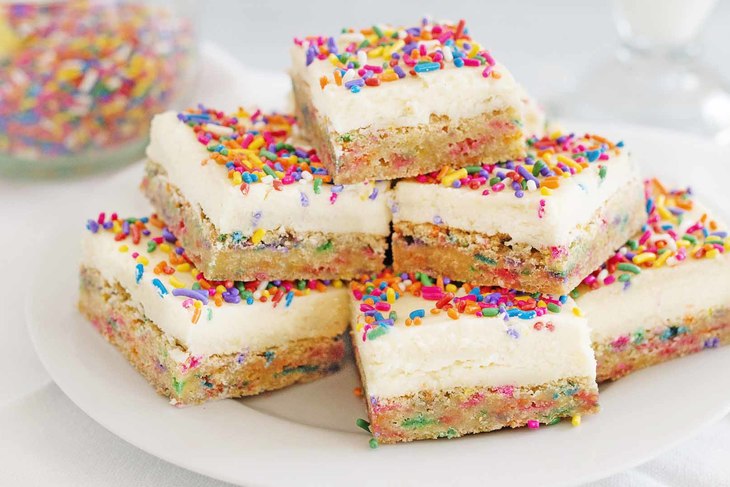
Credit: goboldwithbutter.com
Add-ins And Variations
Elevate your cookie batter with delightful add-ins and variations. Create a unique flavor every time. These simple tweaks can transform a basic recipe into a memorable treat. Explore popular additions below.
Chocolate Chips
Chocolate chips are a classic choice. They add rich sweetness to cookies. Use dark, milk, or white chocolate. Each type offers a distinct taste. Add a generous handful to your batter. Ensure even distribution for a balanced flavor. Try mini chips for smaller bites of chocolate goodness.
Nuts And Dried Fruits
Nuts add crunch and a nutty flavor. Choose from almonds, walnuts, or pecans. Toast them first for extra depth. Mix in dried fruits for a chewy texture. Raisins, cranberries, or apricots work well. Combine nuts and fruits for a complex taste. These add-ins enhance both flavor and texture.
Chilling And Resting
Chilling and resting your cookie batter is crucial for perfect cookies. This step enhances flavor and texture. It might seem like an extra task, but it pays off. Let’s dive into why these processes matter.
Refrigeration Benefits
Refrigerating dough allows flavors to meld together. It hydrates the flour, leading to better consistency. Cold dough spreads less in the oven. This ensures a thicker cookie. Refrigeration also improves chewy textures. The dough firms up, making it easier to handle.
Freezing Dough
Freezing dough is great for future use. It preserves freshness and flavor. You can bake only what you need. Frozen dough lasts for months. This saves time and effort. It’s perfect for busy days. Simply thaw and bake for fresh cookies anytime.
Baking Tips
Creating the perfect cookie batter is just the beginning of your baking journey. The next step is mastering the art of baking your cookies to golden perfection. You might think that baking is simply popping dough in the oven, but there’s so much more to it. These baking tips will help you elevate your cookie game and ensure your treats are irresistible.
Oven Temperature
The magic of baking begins with the right oven temperature. Each cookie recipe has its sweet spot, usually around 350°F (175°C). But not all ovens are created equal. If your oven runs hot, your cookies might end up crispy when you want them chewy.
Invest in an oven thermometer to check if your oven heats accurately. A small adjustment in temperature can make a big difference. Remember the time I was baking for a party and the cookies turned out rock hard? A thermometer saved the day!
Baking Time
Timing is everything in baking. Many recipes suggest a range, like 10-12 minutes. But how do you know when it’s just right? Keep an eye on your cookies. Look for the edges to turn a light golden brown.
Here’s a tip: take them out a minute before they’re fully done. They’ll continue to bake on the tray from residual heat. Have you ever pulled cookies from the oven and thought they were too soft, only to find them perfect after cooling? That’s the magic of residual baking.
Now, it’s your turn to test these tips and see the difference in your cookies. Do you have any secret baking tricks that you swear by? Share them in the comments below!
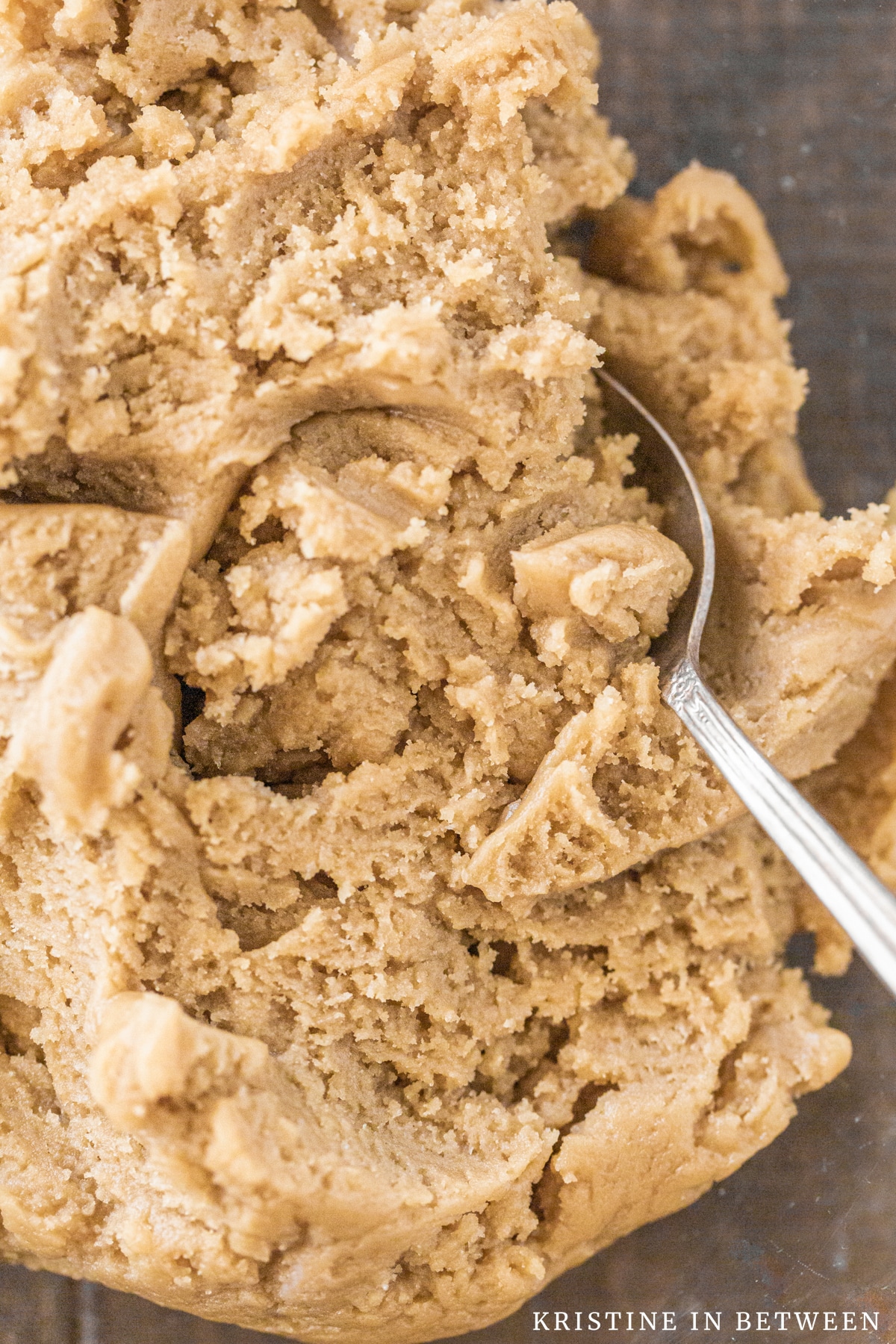
Credit: kristineinbetween.com
Frequently Asked Questions
What Is Cookie Batter Made Of?
Cookie batter is made of flour, sugar, butter, eggs, baking soda, and vanilla extract. You can add chocolate chips, nuts, or other mix-ins for extra flavor.
How To Make Cookie Dough With 3 Ingredients?
Mix 1 cup of flour, 1/2 cup of softened butter, and 1/2 cup of sugar until smooth. Enjoy!
What’s The Difference Between Cookie Dough And Batter?
Cookie dough is thicker and meant for baking into cookies. Batter is thinner, often used for cakes and pancakes. Both contain flour, sugar, and eggs, but dough is more solid, while batter is pourable.
How To Make Cookies At Home With 3 Ingredients?
Combine 1 cup of peanut butter, 1 cup of sugar, and 1 egg. Mix well. Form balls, place on a baking sheet, and flatten with a fork. Bake at 350°F (175°C) for 10 minutes. Enjoy your homemade cookies!
Conclusion
Creating cookie batter is simple and rewarding. Enjoy baking with family and friends. This recipe delivers rich, tasty cookies every time. Experiment with different flavors or add toppings. Perfect for any occasion. Cookies are a great treat to share. Remember, fresh ingredients make a difference.
Your homemade cookies will be a hit. Share the joy of baking with others. So, gather your ingredients and start mixing. A sweet experience awaits. Happy baking!