Last Updated on December 13, 2025
When it comes to choosing the perfect tea kettle for your kitchen, you might find yourself torn between copper and stainless steel. Each has its own charm, but which one truly fits your needs?
Imagine enjoying your favorite cup of tea, knowing your kettle not only looks great but also performs flawlessly every time. You’ll discover the key differences between copper and stainless steel tea kettles. By the end, you’ll feel confident picking the one that suits your style, cooking habits, and lifestyle.
Ready to find out which kettle deserves a spot on your stove? Let’s dive in.
Material Properties
Choosing the right material for a tea kettle affects its performance and look. Different metals have unique traits. These traits impact how the kettle heats water, lasts, and feels in your hand. Understanding material properties helps in making a smart choice for your kitchen.
Copper Characteristics
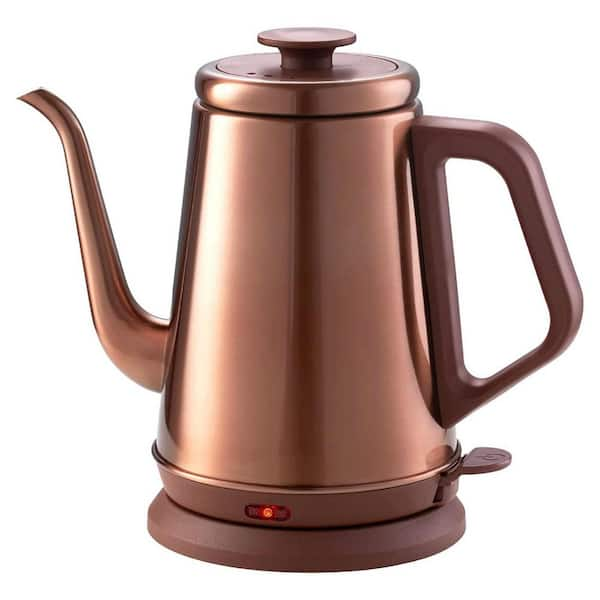
Copper heats up very quickly. It spreads heat evenly across the kettle. This means fewer hot spots and faster boiling. Copper also looks warm and shiny, adding a classic touch to your kitchen. It can change color over time, developing a natural patina. This can be cleaned to keep its bright shine.
On the downside, copper can scratch and dent easily. It may need more care to keep it looking good. Copper kettles often have a lining inside to stop metal from touching water. This lining needs careful handling to avoid damage.
Stainless Steel Features
Stainless steel is strong and resists rust and stains. It keeps its shiny look for years without much effort. This metal does not react with water or tea, keeping flavors pure. Stainless steel kettles usually need more time to heat water than copper.
They are tough and can handle daily use without damage. These kettles often have insulated handles to keep them cool. Stainless steel is a popular choice for those wanting easy care and long life in a kettle.
Heat Conductivity
Heat conductivity plays a big role in choosing a tea kettle. It affects how fast water boils and how evenly heat spreads. Different materials carry heat in unique ways. This section compares copper and stainless steel kettles by their heat conductivity.
Copper Heat Efficiency
Copper is an excellent heat conductor. It heats up quickly and spreads heat evenly. This means water boils faster in a copper kettle. The even heat reduces hot spots. It helps avoid burning or uneven boiling. Copper kettles save time and energy during boiling.
Stainless Steel Heat Performance
Stainless steel does not conduct heat as well as copper. It takes longer to heat up. Heat spreads less evenly in stainless steel kettles. Some areas may get hotter than others. This can cause uneven boiling. Stainless steel kettles often have thicker walls to improve heat distribution.
Durability And Maintenance
Durability and maintenance play a big role in choosing a tea kettle. Both copper and stainless steel have strong qualities. Each needs care to keep it looking good and working well. Knowing how to care for your kettle helps it last longer.
Copper Care Tips
Copper kettles look beautiful but need special care. Clean them often to stop tarnish. Use a soft cloth and mild soap. Avoid harsh scrubbing that can scratch the surface. Polish with a copper cleaner to keep shine. Dry the kettle well after washing. Store in a dry place to prevent green spots.
Stainless Steel Longevity
Stainless steel kettles are tough and resist rust. They need less care than copper. Wash with warm water and soap after use. Use a soft sponge to avoid scratches. They handle high heat without damage. These kettles keep their look for years. Regular cleaning helps keep them shiny and safe.

Credit: ottersprings.com
Health And Safety
Choosing a tea kettle involves thinking about health and safety. The material affects how safe the kettle is for daily use. Both copper and stainless steel have unique safety features. Understanding these can help keep your tea time safe and healthy.
Copper Safety Considerations
Copper kettles conduct heat well but need care. Pure copper can react with acidic substances. This reaction may release copper into the water. Too much copper can cause stomach problems. Many copper kettles have a lining to prevent this. Make sure the lining is intact and not scratched. Avoid using unlined copper kettles for boiling water. Regular cleaning helps stop copper build-up. Do not use harsh chemicals on copper surfaces.
Stainless Steel Safety Aspects
Stainless steel is a safe and sturdy choice. It does not react with water or tea. This means no harmful metals leach into your drink. Stainless steel kettles are easy to clean and maintain. They resist rust and corrosion well. Check the grade of stainless steel; 18/8 or 18/10 is best. These grades contain less nickel, which some people avoid. Stainless steel kettles usually last longer and stay safe over time.
Aesthetic Appeal
The look of a tea kettle can change the whole kitchen vibe. Both copper and stainless steel offer strong visual appeal. Each metal has unique colors and finishes. They suit different kitchen styles and personal tastes.
Copper Designs
Copper kettles shine with warm, rich tones. Their reddish-gold color adds a cozy feel to any space. Many copper kettles have a polished finish that gleams in the light. Some come with a hammered texture that adds a handmade look. Copper ages beautifully, developing a natural patina over time. This gives kettles a charming, vintage appearance. Ideal for rustic or traditional kitchens.
Stainless Steel Styles
Stainless steel kettles look sleek and modern. Their silver color suits minimalist and contemporary kitchens. The metal can be matte or highly polished. Brushed finishes hide fingerprints and water marks well. Stainless steel designs often feature clean lines and simple shapes. This style fits well in busy or professional settings. The timeless look stays fresh and versatile for years.
Price And Value
Price and value are important when choosing a tea kettle. The cost affects your budget and what you get in return. Both copper and stainless steel kettles have different price points. Knowing these helps you make a smart choice.
Cost Of Copper Kettles
Copper kettles usually cost more than stainless steel ones. Copper is a premium material that looks beautiful and lasts long. These kettles often have handcrafted details. Their price can range from $70 to $200 or more. The higher cost reflects quality and design. Copper kettles also heat water quickly. This feature adds value beyond just looks.
Cost Of Stainless Steel Kettles
Stainless steel kettles are generally cheaper than copper. They cost between $20 and $80 on average. Stainless steel is durable and easy to clean. These kettles come in many styles and sizes. The lower price makes them popular for everyday use. Stainless steel kettles also resist rust well. This gives good value for the price paid.
Environmental Impact
The environmental impact of a tea kettle matters to many buyers today. Choosing a kettle that is better for the planet helps reduce waste and pollution. Both copper and stainless steel have different effects on the environment. Understanding these can guide you to a greener choice.
Copper Sustainability
Copper is a natural metal that can be recycled many times. Recycling copper uses less energy than mining new copper. This lowers carbon emissions and saves natural resources. Copper mining, though, can harm ecosystems if not managed well. Responsible copper producers follow strict rules to protect the land and water. Copper kettles last a long time, reducing the need for replacements.
Stainless Steel Eco-friendliness
Stainless steel is also recyclable and often made from recycled materials. It resists rust and damage, which means a longer life for the kettle. Producing stainless steel requires more energy than copper, but its durability can balance this out. Steel factories work on reducing emissions and waste. Using a stainless steel kettle helps cut down on plastic and disposable products.

Credit: www.amazon.com
User Experience
User experience plays a key role in choosing the right tea kettle. It affects daily use and overall satisfaction. Both copper and stainless steel kettles offer unique feelings and ease of use. Understanding their differences helps pick the best fit for your kitchen.
Handling And Weight
Copper kettles tend to be lighter and easier to lift. Their smooth surface feels warm and pleasant to hold. Stainless steel kettles are often heavier but feel sturdy and solid. The weight adds stability on the stove. Handles on both types usually stay cool during boiling.
Noise Levels
Copper kettles produce a soft, gentle whistle that is not harsh. The sound signals boiling water clearly without being loud. Stainless steel kettles can be louder, with a sharper whistle. The noise may be more noticeable in quiet rooms. Both types alert you when water is ready to pour.
Ease Of Cleaning
Stainless steel kettles clean easily with soap and water. They resist stains and do not tarnish over time. Copper kettles require extra care to keep their shine. They need special cleaners to remove tarnish. Both kettles should be rinsed well to avoid residue build-up.
Choosing The Right Kettle
Choosing the right tea kettle means finding one that fits your needs and lifestyle. The material of the kettle affects its look, heat, and care. Copper and stainless steel are popular options. Each has strong points and some drawbacks. Knowing these helps you pick the best kettle for your kitchen.
Matching Needs To Materials
Copper kettles heat quickly and look beautiful. They are great for those who want fast boiling and style. Copper also spreads heat evenly, which helps with efficient boiling. But copper needs regular cleaning to keep its shine. It can also react with some water types, affecting taste.
Stainless steel kettles are sturdy and easy to clean. They do not rust or change water taste. This makes them perfect for daily use. Stainless steel heats slower than copper but lasts longer. It fits well in busy kitchens where low maintenance matters.
Budget Considerations
Copper kettles usually cost more due to their material and design. They are an investment for those who want a stylish and fast kettle. Stainless steel kettles come in a wide price range. You can find budget-friendly options that work well. Think about how often you use the kettle and how much you want to spend.
Choose a kettle that offers value for your money. Spending more does not always mean better performance. Consider durability, care, and daily use. This helps you pick a kettle that fits your budget and needs perfectly.
Credit: www.homedepot.com
Frequently Asked Questions
What Are The Main Differences Between Copper And Stainless Steel Kettles?
Copper kettles heat up quickly and distribute heat evenly. Stainless steel kettles are more durable, resistant to rust, and easier to maintain. Copper offers better heat conductivity, while stainless steel provides longevity and a modern look.
Which Kettle Material Is Safer For Boiling Water?
Stainless steel is generally safer as it doesn’t leach metals into water. Copper can react with acidic substances if unlined, potentially affecting water quality. Always choose lined copper kettles for safe usage.
How Does The Price Compare Between Copper And Stainless Steel Kettles?
Copper kettles are usually more expensive due to their material cost and craftsmanship. Stainless steel kettles are more affordable and widely available. The price difference reflects durability and heat efficiency.
Which Kettle Is Easier To Clean And Maintain?
Stainless steel kettles are easier to clean and resist stains. Copper requires regular polishing to maintain its shine and prevent tarnish. For low maintenance, stainless steel is preferable.
Conclusion
Choosing between copper and stainless steel tea kettles depends on your needs. Copper heats quickly and looks beautiful but needs care. Stainless steel lasts long and cleans easily but heats slower. Think about your kitchen style and how you use your kettle.
Both types can boil water well and add charm. The best kettle fits your daily routine and style. Simple choices lead to happy tea times.