Last Updated on August 12, 2026
Decorating frosting transforms a simple cake into a masterpiece. It’s the perfect way to express creativity and style.
Frosting decoration is an art anyone can learn, adding beauty to homemade treats. Whether for a birthday cake or holiday cookies, frosting can make desserts delightful. Colors, textures, and patterns come alive with frosting. It’s not just about taste; it’s about creating visual joy.
The right decoration can elevate any dessert, making it memorable. Explore the world of frosting and discover endless possibilities. From buttercream to royal icing, each type offers unique opportunities. Learn techniques that turn ordinary cakes into extraordinary creations. Embark on a sweet journey and let frosting be your canvas. Your desserts will never be the same.
Choosing The Right Frosting
Decorating frosting is a critical element in baking that can transform your cakes and cupcakes from ordinary to extraordinary. Choosing the right frosting is essential for both taste and aesthetics. As you explore your options, consider how each type can influence your sweet creations. Whether you’re looking for a creamy finish or a smooth surface for intricate designs, understanding the characteristics of different frostings will guide you to the perfect choice.
Buttercream Basics
Buttercream is a popular choice for many bakers due to its versatility and delicious taste. It’s creamy, easy to spread, and can be flavored in countless ways. You might have tried a classic vanilla buttercream, but have you experimented with chocolate or citrus-infused variations?
Think about the texture you desire. Buttercream can be whipped for a lighter consistency or left dense for rich flavors. It pairs well with most cakes, providing a smooth finish and holding shapes well for decorations. If you love piping intricate flowers or borders, buttercream is your best friend.
Don’t forget about its ability to adapt to vibrant colors. With a little food coloring, you can match your frosting to any theme or occasion. Have you ever surprised your guests with a cake that matches the party decor?
Fondant Features
Fondant is the go-to for bakers seeking a polished, professional look. It creates a smooth, matte surface that’s perfect for detailed designs and bold shapes. Do you dream of crafting cakes that look like they belong in a bakery window?
Unlike buttercream, fondant is not as flavorful, but it compensates with its ability to mold into any shape imaginable. From elegant bows to cute cartoon characters, fondant offers endless possibilities. Is there a design you’ve always wanted to try but felt limited by traditional frosting?
Consider fondant’s durability in different climates. It can withstand heat better than buttercream, making it ideal for outdoor events. Planning a summer wedding or garden party? Fondant might be the frosting choice that stands up to the elements.
Both buttercream and fondant have unique benefits. The choice depends on your cake’s purpose and your creative vision. Which frosting will make your next creation a masterpiece?
Essential Tools For Decorating
Decorating frosting can transform any baked good from ordinary to extraordinary. To achieve those stunning designs, having the right tools is crucial. Whether you’re a beginner or a seasoned baker, knowing what tools to use can make all the difference in your creations. Let’s explore some essential tools that will help you decorate like a pro.
Spatulas And Scrapers
Spatulas are your best friend for spreading frosting evenly. A good spatula allows you to achieve a smooth finish on cakes. Choose one with a comfortable grip to avoid strain during long decorating sessions.
Scrapers come in handy for leveling frosting on cakes and scraping bowls clean. They help you make sure every bit of frosting is used efficiently. Having a set of both angled and straight spatulas adds versatility to your decorating toolkit.
Piping Bags And Tips
Piping bags are essential for creating intricate designs. They let you control the flow of frosting, making it easier to draw patterns or write messages. Opt for reusable bags to reduce waste and save money over time.
Tips are the secret to achieving different textures and shapes. Star tips create beautiful rosettes, while round tips are perfect for writing. Experiment with different sizes to discover which works best for your style.
Think about the designs you admire. Would you like to recreate them? Having a variety of tips will allow you to explore numerous possibilities.
Which tool do you think is most important for your decorating journey? Investing in quality tools now can save you time and frustration later. Equip yourself with these essentials, and watch your decorating skills flourish.
Coloring Your Frosting
Brighten your cakes with colorful frosting. Choose vibrant hues to match any theme or celebration. Mix food coloring into your frosting for a fun, personalized touch.
Coloring your frosting can transform a simple cake into a dazzling centerpiece. The right colors can evoke emotions and set the mood for any occasion. Whether you’re aiming for the soft pastels of a baby shower or the vibrant hues of a birthday bash, mastering the art of frosting coloring is crucial. ###Selecting Food Colors
Choosing the right food color is your first step. Gel-based colors are popular because they offer intense color without adding too much liquid to your frosting. This is especially important if you’re working with delicate buttercream that can easily become too runny. Powdered colors are another option, providing a more subtle hue. These are perfect for achieving pastel shades. They’re also ideal if you’re working on a project that requires a lot of frosting, as they’re less likely to alter the frosting’s consistency. Think about the theme or emotion you want to convey. Warm colors like red and orange can feel inviting, while cool colors like blue and green can be calming. Have you considered using natural colors from fruits or vegetables? They can offer a unique touch and are free from artificial additives. ###Mixing Techniques
Start with a small amount of color. It’s always easier to add more than to take it away. Use a toothpick or the tip of a knife for precision, dipping it into the color and then swirling it through your frosting. Mix thoroughly to ensure even distribution. Use a spatula or a spoon and keep stirring until you achieve a uniform color. Uneven mixing can lead to streaks, which might not be the effect you desire. Experiment with color combinations. Mixing different colors can produce unexpected and beautiful results. Do you want a unique shade for your event? Try combining blue and green for teal or red and white for a deeper pink. Don’t forget to let the frosting sit for a few minutes after mixing. Colors can intensify as they set, so what looks perfect right away might become too dark. Have you ever had a color surprise you after setting? Adjust accordingly, being mindful of your initial vision. Coloring frosting is both an art and a science. As you play with colors and techniques, you’ll find what works best for you. What colors will your next cake showcase?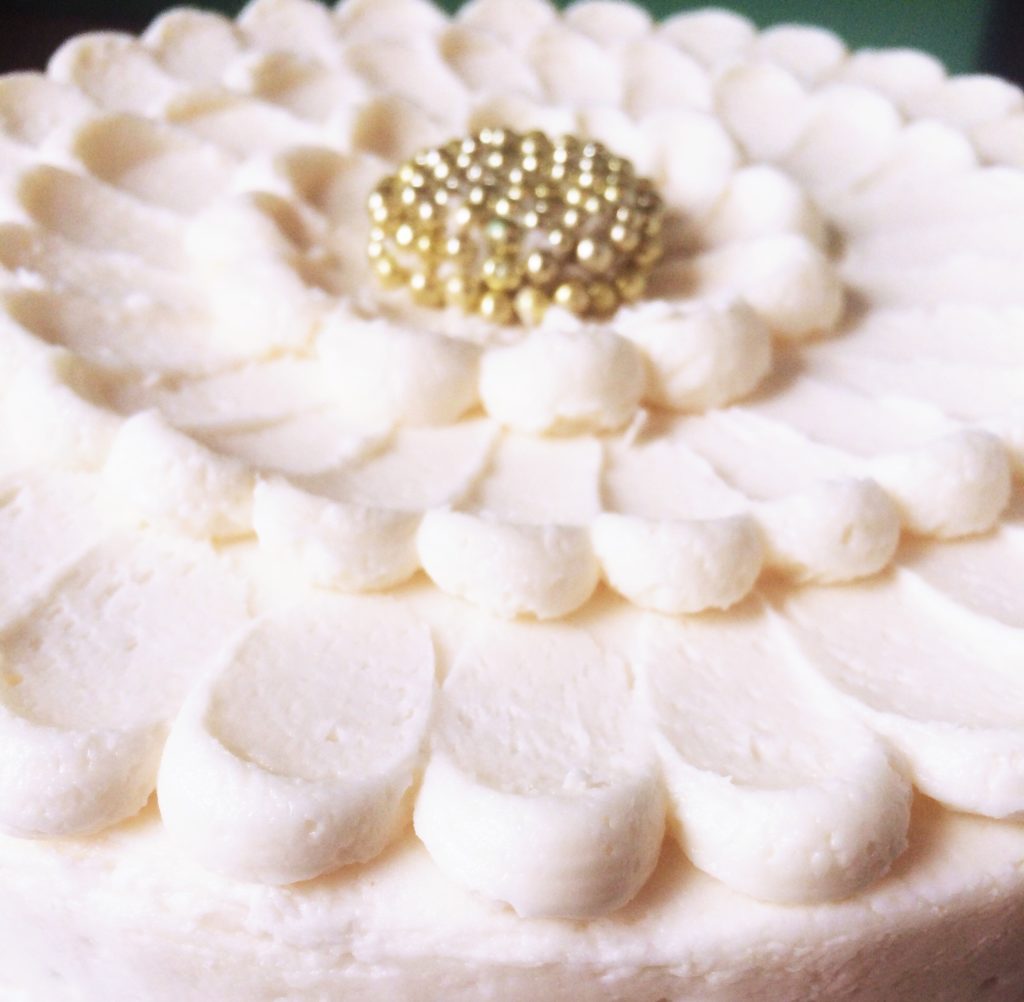
Credit: www.bakersbrigade.com
Creating Textures And Patterns
Creating textures and patterns in frosting adds visual appeal to cakes. It transforms simple designs into stunning pieces of edible art. Mastering these techniques can elevate your baking skills. It gives your creations a professional touch.
Swirling And Smoothing
Swirling frosting creates dynamic and eye-catching designs. Use a spatula or knife to make gentle circular motions. These motions form beautiful, flowing patterns. For a smooth finish, use a bench scraper or a long knife. Glide it across the cake to achieve a flat surface. Both methods bring a unique charm to your baked goods.
Stenciling And Impressions
Stenciling offers precise and intricate designs. Place a stencil on the frosting, then dust with cocoa or powdered sugar. Carefully remove the stencil to reveal the pattern beneath. Impressions add texture by pressing tools or objects into the frosting. Use items like forks or combs for creative designs. These techniques make your cakes truly stand out.
Advanced Piping Techniques
Decorating frosting can be an art. Advanced piping techniques elevate your designs. These methods allow for creative expression. With practice, anyone can achieve impressive results. Discovering new piping styles can be thrilling. Let’s explore some advanced techniques.
Rosettes And Ruffles
Rosettes add elegance to cakes. They look like small roses. To pipe a rosette, use a star tip. Start in the center and swirl outward. Keep the pressure steady for a neat shape. Ruffles create a soft, layered effect. Use a petal tip for ruffles. Move the tip side to side. This forms delicate waves on the cake.
Basket Weave And Shells
Basket weave patterns mimic woven baskets. Use a flat tip for this technique. Pipe horizontal and vertical lines. Alternate the layers for a realistic look. Shells are classic decorations. They work well on borders. Use a star tip for shells. Start with high pressure, then release. This creates a shell shape.

Credit: cakesbymk.com
Adding Edible Decorations
Decorating frosting can turn any dessert into a visual masterpiece. Adding edible decorations enhances the look and taste of your creations. Simple additions can make your cake or cupcake stand out. Discover how sprinkles, dragees, edible flowers, and leaves can transform your dessert.
Sprinkles And Dragees
Sprinkles are colorful, tiny candies that add a fun element to frosting. They come in various shapes, sizes, and colors. Use them to match the theme of your dessert. Dragees are small, metallic balls that add elegance and shine. They have a harder texture and can be used sparingly for a sophisticated touch. These decorations can be sprinkled on top or mixed into the frosting.
Edible Flowers And Leaves
Edible flowers provide a natural, vibrant look. They are perfect for adding color and freshness to desserts. Use pansies, violets, or nasturtiums for a pop of color. Edible leaves, like mint or basil, can add a touch of green. They enhance the presentation and offer unique flavors. Ensure they are free from pesticides before using them in your frosting.
Troubleshooting Frosting Issues
Frosting can be the crown jewel of your baked creations, adding that final touch of sweetness and beauty. But, what happens when your frosting doesn’t quite turn out as planned? Troubleshooting frosting issues is key to achieving that perfect finish. Whether it’s too runny or too stiff, knowing how to fix common problems is essential. Let’s dive into some practical solutions to keep your frosting fabulous.
Fixing Consistency Problems
Consistency is crucial for frosting. Imagine trying to spread frosting that keeps sliding off the cake. It’s frustrating, right? If your frosting is too runny, try adding more powdered sugar, a little at a time. This thickens it without altering the taste.
On the other hand, if your frosting is too stiff, a splash of milk or a teaspoon of softened butter can help. Stir it in gently and test the texture again. Don’t rush; patience is your ally here.
Have you ever thought about using a mixer to fix consistency problems? Sometimes, giving it a good mix can solve minor issues. What method works best for you?
Handling Humidity And Heat
Humidity and heat can wreak havoc on frosting. Ever experienced frosting melting off your cake during a summer picnic? To combat this, consider working in a cooler environment. Air conditioning can be a baker’s best friend.
If the weather is humid, use a stabilizing agent like meringue powder in your frosting. It helps maintain structure despite the moisture in the air. A little goes a long way, so use sparingly.
Have you thought of refrigerating your frosted cake for a bit before serving? It can help set the frosting, especially in warmer climates. What’s your go-to trick for handling heat?
Addressing frosting issues can transform your baking experience. By tackling consistency problems and managing environmental factors, you can ensure your frosting is always picture-perfect. What are your frosting challenges and how do you overcome them?
Creative Inspiration And Ideas
Decorating frosting can transform any cake or cupcake from simple to stunning. It’s an art that allows you to express creativity and personalize your baked goods. Whether you’re preparing for a special occasion or just want to add a personal touch to your desserts, finding creative inspiration and ideas is key. Let’s dive into some exciting concepts that can help you bring your frosting decorations to life.
Seasonal Themes
Seasons offer a wealth of inspiration for frosting decorations. Think of the vibrant colors of autumn leaves or the pastel blooms of spring. You can use these seasonal palettes to guide your choice of frosting colors.
During winter, try adding silver and blue hues for a frosty look. Use small snowflake-shaped sprinkles to add an extra wintry touch. Summer calls for bright yellows and greens reminiscent of sunshine and fresh grass.
Consider the holidays within each season. Valentine’s Day can be celebrated with red and pink heart-shaped designs. Halloween invites spooky faces and candy corn colors. What seasonal theme inspires you?
Custom Designs
Custom designs allow you to create frosting decorations that are uniquely yours. Personalize your frosting by adding initials or names using piping techniques. This is perfect for birthday cakes or anniversary treats.
Experiment with textures. Use different piping tips to create intricate patterns like rosettes or stars. You can even try creating a marbled effect by swirling two colors of frosting together.
Have you considered using fondant to craft small edible figures? These can be tailored to any theme or occasion. What custom design can you envision for your next baking project?
Let your creativity flow and don’t be afraid to try new ideas. Each frosting decoration you create can be a beautiful expression of your style and imagination. What inspiration will guide your next frosting masterpiece?

Credit: blog.wilton.com
Frequently Asked Questions
What Type Of Frosting Is Best For Decorating?
Buttercream frosting is best for decorating. It’s creamy, easy to spread, and holds shapes well. Royal icing works well for intricate designs and dries hard. Fondant provides a smooth finish and is perfect for elaborate decorations. Choose based on your specific decorating needs and desired texture.
What Is The Difference Between Buttercream And Decorating Icing?
Buttercream contains butter, sugar, and flavorings, offering a creamy texture ideal for frosting cakes. Decorating icing, often called royal icing, uses powdered sugar and egg whites, creating a stiff consistency perfect for detailed designs and hardening quickly. Both serve unique purposes in cake decoration.
Does Decorating Icing Harden?
Decorating icing does harden over time. Royal icing hardens completely, while buttercream icing forms a crust. For best results, allow icing to dry at room temperature.
What Is Decorating Icing Called?
Decorating icing is often called “royal icing. ” It’s used for intricate designs and holds its shape well. Royal icing dries hard, making it perfect for detailed decorations on cookies and cakes. It can be colored and flavored to suit your needs.
Conclusion
Decorating frosting can be fun and creative. With practice, you get better. Start with simple designs. Try new colors and textures. Experiment with different tools. Your cakes will look amazing. Share your creations with friends and family. They will love it.
Remember, practice makes perfect. Keep learning and trying new techniques. Enjoy the process and have fun. Your cakes will taste as good as they look. Happy decorating!