Last Updated on December 4, 2025
Do you love the fresh taste and aroma of herbs but worry about them spoiling too quickly? Dehydrating herbs is a simple way to keep your favorite flavors ready whenever you need them.
Imagine having a stash of fragrant, dried herbs that last for months, enhancing every meal you make. You’ll discover easy methods to dry your herbs at home, tips to preserve their natural flavor, and how to store them properly. Keep reading to unlock the secret to fresh-tasting herbs all year round!
Benefits Of Dehydrating Herbs
Dehydrating herbs is a smart way to keep your herbs fresh and useful for a long time. It helps preserve their natural qualities and makes cooking easier. You save money and enjoy stronger flavors with dried herbs. Here are some key benefits of dehydrating herbs.
Extended Shelf Life
Drying herbs removes moisture that causes spoilage. This stops mold and bacteria from growing. Dried herbs can last for months or even years. This means less waste and fewer trips to the store. You can keep a supply of your favorite herbs ready to use anytime.
Intensified Flavor
Dehydrated herbs have a more concentrated taste. Removing water makes their flavors stronger. Just a small amount adds a lot to your dishes. This helps you use herbs more efficiently in cooking. The aroma also becomes richer, enhancing your meals.
Cost Savings
Buying fresh herbs often can be expensive. Drying your own herbs saves money over time. You can grow herbs at home and dry them yourself. This reduces the need to buy fresh herbs regularly. It also cuts down on food waste from unused herbs.
Convenience In Cooking
Dried herbs are easy to store and use. They do not need refrigeration and take up less space. You can quickly add them to any recipe. This saves time on cleaning and chopping fresh herbs. Having dried herbs handy makes cooking faster and simpler.
Best Herbs For Dehydration
Dehydrating herbs is a great way to preserve their flavors and aromas. Not all herbs dry the same way. Some herbs keep their taste and color better after drying. Knowing which herbs work best helps you get the most out of your herbs.
Soft Herbs
Soft herbs have tender leaves and thin stems. Examples include basil, parsley, cilantro, and dill. These herbs dry quickly and keep their fresh flavor. Spread them out in a single layer for best results. Avoid stacking or clumping to prevent mold.
Woody Herbs
Woody herbs have thick stems and tough leaves. Rosemary, thyme, sage, and oregano fit this group. They take longer to dry but keep their strong aroma. Cut the stems into smaller pieces for faster drying. These herbs stay flavorful for many months.
Herbs To Avoid
Some herbs do not dry well and lose their flavor. Mint and chives often turn brown or limp. Basil can become bitter if dried incorrectly. These herbs are better frozen or used fresh. Choose herbs with sturdy leaves for dehydration.
Harvesting Herbs For Drying
Harvesting herbs for drying is a key step to keep their flavor and aroma. Picking herbs at the right time and in the right way helps preserve their quality. Careful selection and preparation make the drying process easier and more effective.
Proper harvesting also prevents damage to the plants. This way, you can enjoy fresh herbs for a longer time, even when they are dried.
Optimal Harvest Time
Pick herbs early in the day after the dew dries. This is when their oils are strongest. Avoid harvesting herbs late in the day or after rain. These times reduce the herb’s flavor and shelf life.
Harvest herbs before they flower for the best taste. Once flowers appear, the leaves may lose some flavor. Regular harvesting also encourages new growth and keeps plants healthy.
Selecting Healthy Leaves
Choose leaves that look fresh and green. Avoid yellow, brown, or spotted leaves. These may have diseases or pests. Only pick leaves that are dry and clean. Wet or dirty leaves can cause mold during drying.
Check for insects or damage before harvesting. Remove any unhealthy parts to keep the batch pure. Healthy leaves dry better and smell stronger.
Preparing Herbs
Rinse herbs gently with cool water to remove dust. Shake off excess water and pat dry with a clean towel. Avoid soaking herbs as this adds moisture.
Strip large stems from leaves if needed. Smaller branches dry faster and more evenly. Bundle herbs loosely for good air flow during drying.
Prepare herbs right after harvesting to keep their freshness. The sooner you dry them, the better the flavor stays.
Credit: www.luvele.com
Dehydration Methods
Dehydrating herbs is a simple way to preserve their flavor and aroma. Different methods can dry herbs effectively. Each method suits different needs and equipment. Choose the best method based on your time and tools.
Air Drying
Air drying is the oldest and simplest way to dry herbs. Tie small bunches and hang them upside down in a dry, dark place. Good air circulation helps herbs dry evenly. This method takes several days but keeps herbs fresh and flavorful.
Using A Dehydrator
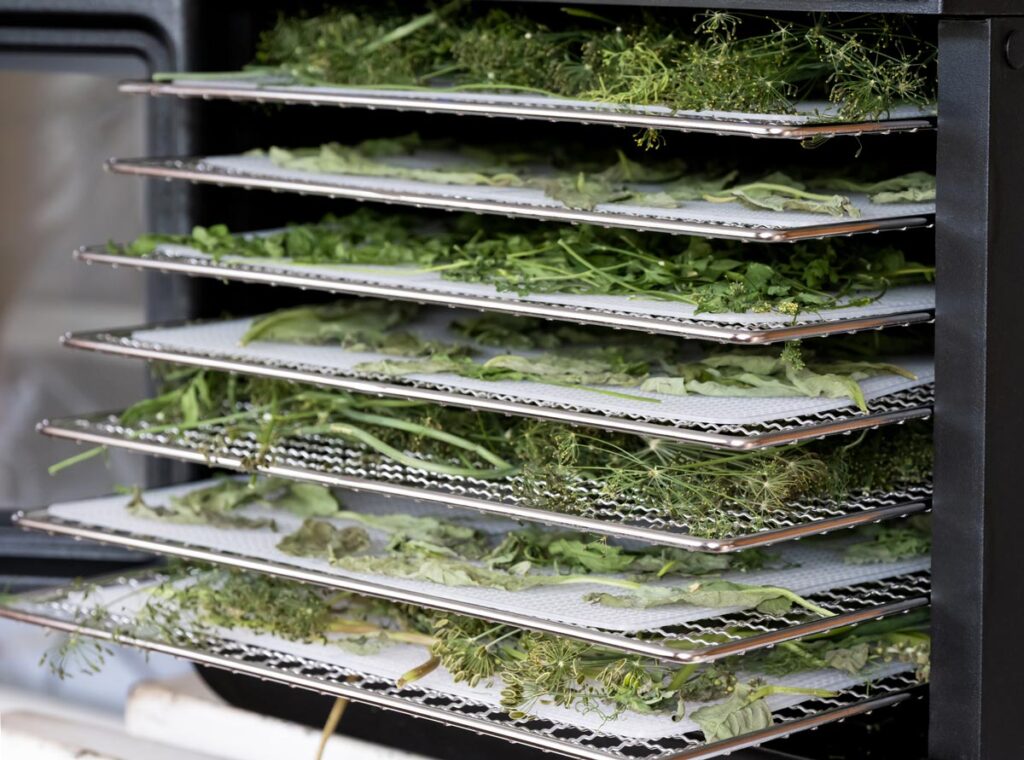
A dehydrator speeds up the drying process with controlled heat and airflow. Spread herbs in a single layer on trays. Set the temperature around 95°F to 115°F. This method is fast and keeps herbs’ color and taste well.
Oven Drying
Oven drying works well if you don’t have a dehydrator. Spread herbs on a baking sheet. Use the lowest oven temperature, about 100°F to 150°F. Keep the oven door slightly open to let moisture escape. Check herbs often to avoid burning.
Microwave Drying
Microwave drying is the quickest method for small amounts of herbs. Place herbs between paper towels. Microwave in short bursts of 20 to 30 seconds. Let herbs cool between bursts to avoid overheating. This method is fast but can dry herbs unevenly.
Step-by-step Drying Process
Drying herbs preserves their flavor and aroma for months. Follow these simple steps to dry herbs effectively. The process is easy and requires minimal tools. Each step ensures your herbs stay fresh and potent.
Cleaning And Trimming
Start by rinsing herbs gently under cool water. Remove any dirt or bugs carefully. Shake off excess water or pat dry with a towel. Trim the stems, cutting away damaged or yellow leaves. Only healthy leaves will dry well and taste better.
Arranging For Drying
Bundle herbs into small bunches using string or rubber bands. Hang them upside down in a dry, warm, and dark place. Good air circulation helps prevent mold. Avoid direct sunlight to keep color and flavor intact. Alternatively, spread leaves on a screen or tray in a single layer.
Monitoring Dryness
Check herbs every few days for dryness. Leaves should feel crisp and crumble easily. Stems should snap, not bend. If herbs are still soft, give them more time. Drying time depends on the herb type and environment humidity.
Proper Cooling
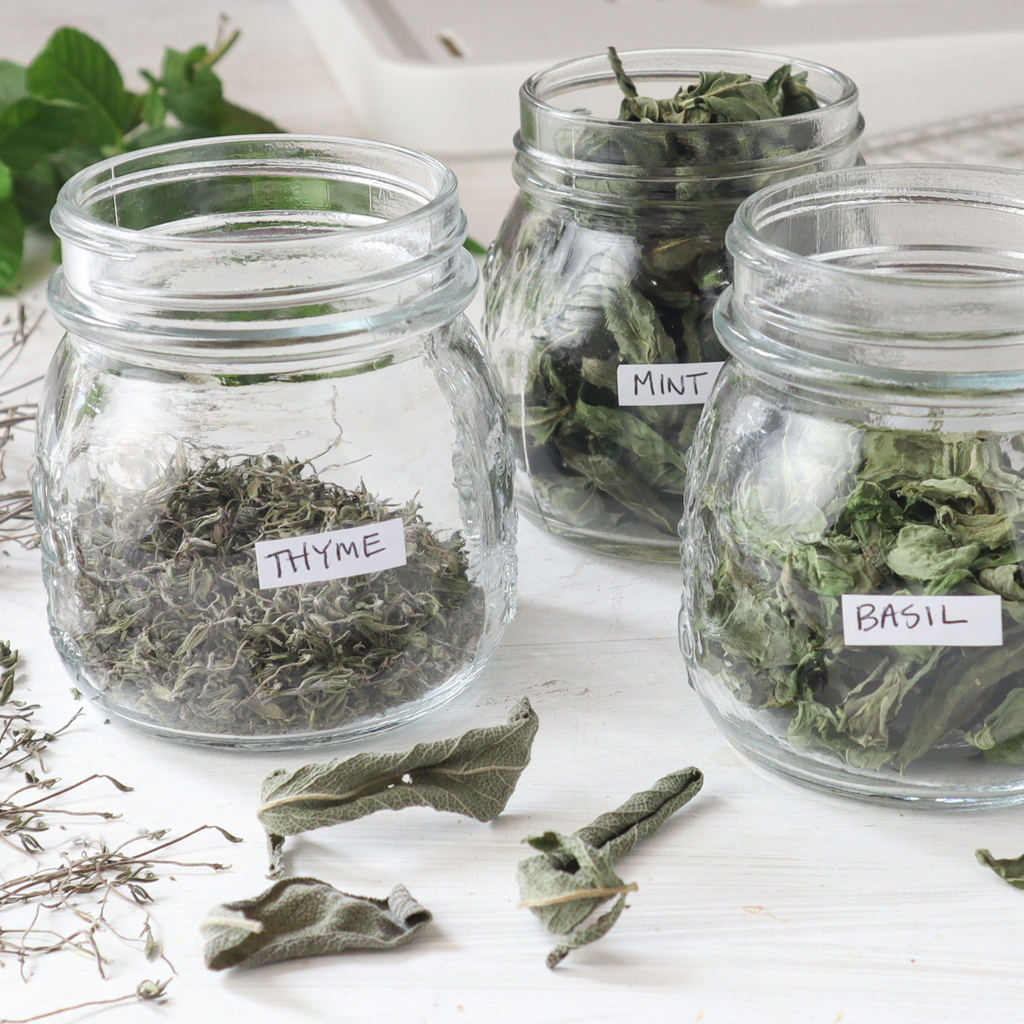
Once dry, let herbs cool in a clean, dry area. Avoid sealing herbs while still warm or moist. Cooling helps prevent condensation inside storage containers. After cooling, store herbs in airtight jars away from light. Proper storage keeps herbs fresh for longer.
:strip_icc()/bowls-of-herbs-bb7190e9-c54b684e78a14c66b26ea5f5463041cd.jpg)
Credit: www.bhg.com
Storing Dried Herbs
Storing dried herbs properly keeps their flavor and aroma fresh for a long time. Good storage stops moisture, light, and air from spoiling the herbs. It helps you enjoy your herbs in cooking or teas anytime you want.
Choosing Containers
Pick containers that block light and air well. Glass jars with tight lids work best. Avoid plastic bags or containers that let air in. Small containers help keep herbs fresh by reducing air exposure.
Ideal Storage Conditions
Store dried herbs in a cool, dark, and dry place. Heat and sunlight make herbs lose flavor quickly. A pantry or cupboard away from the stove is perfect. Keep herbs away from moisture to stop mold growth.
Labeling And Dating
Label containers with the herb name and drying date. This helps track freshness and use herbs before they lose taste. Use clear and simple labels for easy reading. Rotate older herbs to the front for use first.
Using Dried Herbs Effectively
Dried herbs add great flavor to many dishes. Using them well can make your meals tasty and fresh. They last longer and are easy to store. Knowing how to use dried herbs helps you get the best taste. This section explains simple ways to use dried herbs in cooking.
Rehydrating Tips
Dried herbs can be dry and brittle. Rehydrating them brings back some flavor and softness. Soak herbs in warm water for 5 to 10 minutes. Drain the water before adding herbs to your dish. Use the soaking water in soups or sauces for extra taste. This works well for herbs like basil, parsley, and oregano.
Adjusting Quantities In Recipes
Dried herbs have a stronger taste than fresh ones. Use less dried herb to avoid overpowering your dish. A good rule: use one-third the amount of dried herbs. For example, use one teaspoon dried instead of one tablespoon fresh. Add dried herbs early in cooking to release flavors. Adjust the amount based on your taste preference.
Combining Dried And Fresh Herbs
Mixing dried and fresh herbs gives balanced flavor. Use dried herbs for cooking and fresh herbs as garnish. Fresh herbs add color and brightness to the dish. Add dried herbs early during cooking for deep flavor. Sprinkle fresh herbs on top before serving. This method works well with thyme, rosemary, and cilantro.
Credit: rootsandrefuge.com
Troubleshooting Common Issues
Dehydrating herbs is a great way to keep their flavor and use them longer. Sometimes, problems happen during the drying process. These issues can affect the quality and safety of your herbs. Knowing how to fix common problems helps you get the best results.
Mold And Moisture Problems
Mold grows when herbs stay too wet. It ruins the herbs and can be harmful. Make sure herbs dry completely before storing. Use a dry, warm place with good air flow. Check herbs often during drying. If you see mold, discard those herbs immediately.
Loss Of Flavor
Herbs lose flavor if dried too fast or too slow. High heat can burn the oils that give herbs their taste. Dry herbs at low temperatures to keep flavors strong. Store dried herbs in dark, airtight containers. Avoid sunlight and air exposure to keep the scent.
Brittle Or Dusty Herbs
Overdrying makes herbs brittle and dusty. They break into small pieces and lose texture. Stop drying once leaves feel crisp but not crumbly. Use gentle heat and monitor herbs closely. Store them carefully to avoid crushing and dust loss.
Frequently Asked Questions
What Is The Best Method For Dehydrating Herbs At Home?
The best method is air drying or using a dehydrator. Air drying preserves flavor naturally, while dehydrators speed up the process efficiently.
How Long Does It Take To Dehydrate Fresh Herbs?
Dehydrating time varies from 1 to 4 hours. It depends on the herb type, drying method, and humidity levels.
Can Dehydrated Herbs Retain Their Flavor And Aroma?
Yes, properly dehydrated herbs keep most flavor and aroma. Store them in airtight containers away from light and heat.
How Should I Store Dehydrated Herbs For Longevity?
Store dehydrated herbs in airtight, dark containers. Keep them in a cool, dry place to maintain freshness and potency.
Conclusion
Dehydrating herbs helps keep their flavor fresh for a long time. It saves money by reducing waste and the need to buy often. Dried herbs are easy to store and use in many recipes. This simple method lets you enjoy garden herbs year-round.
Try drying herbs at home to add taste to your meals. It’s a smart way to keep herbs ready whenever you want. Give it a try and see the difference in your cooking.