Last Updated on December 4, 2025
Are you wondering how to get the best results from your food dehydrator? One key factor you might be overlooking is the dehydrator temperature.
Setting the right temperature can make all the difference between perfectly dried snacks and disappointing, uneven results. You’ll discover exactly why temperature matters, how to choose the best settings for different foods, and simple tips to avoid common mistakes. Keep reading, and you’ll soon feel confident in turning fresh fruits, vegetables, and meats into delicious, long-lasting treats with ease.
Ideal Temperature For Different Foods
Setting the right temperature in a food dehydrator is key for best results. Different foods need different heat levels to dry well. The ideal temperature helps keep taste, texture, and nutrients. It also prevents spoiling or burning.
Using the proper temperature speeds up drying time. It keeps the food safe to eat later. Let’s see the best temperatures for common food types.
Fruits And Vegetables
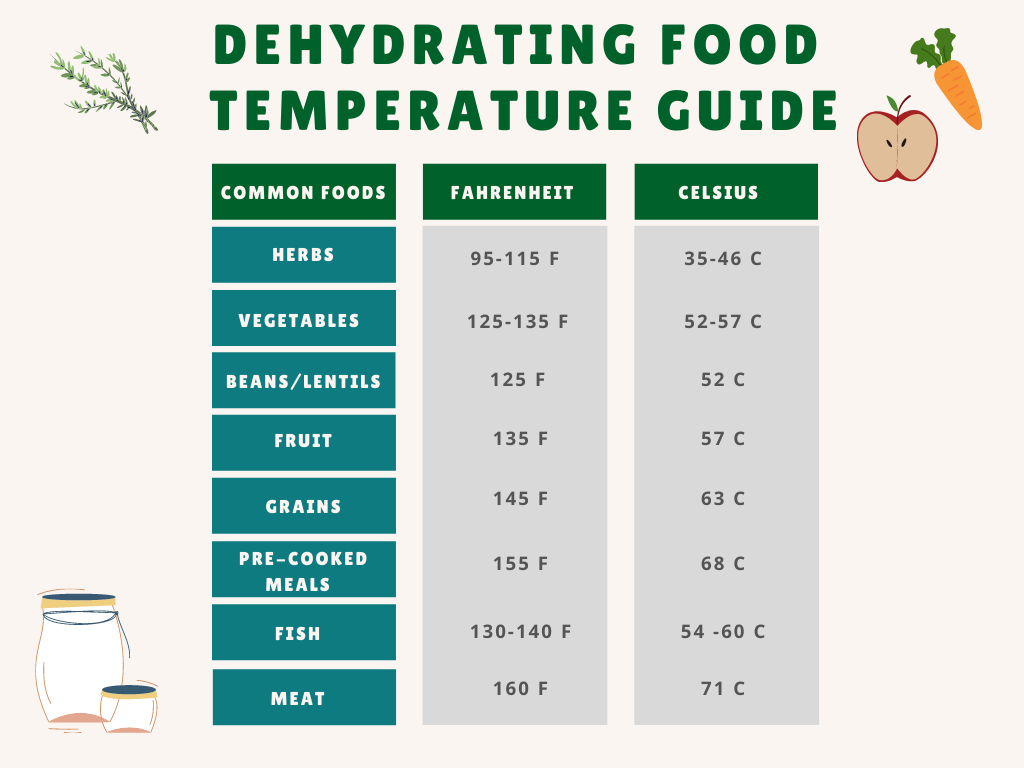
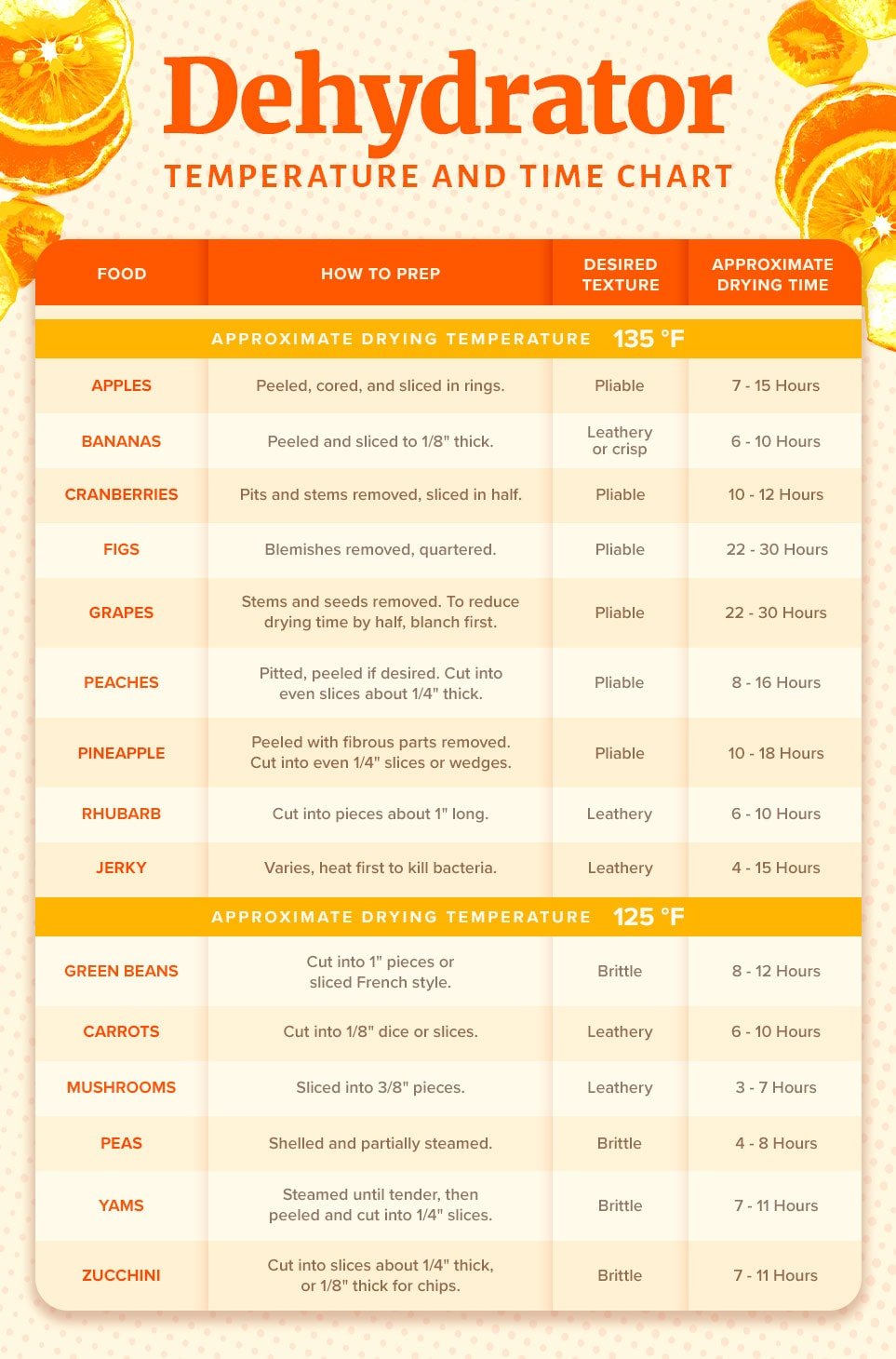
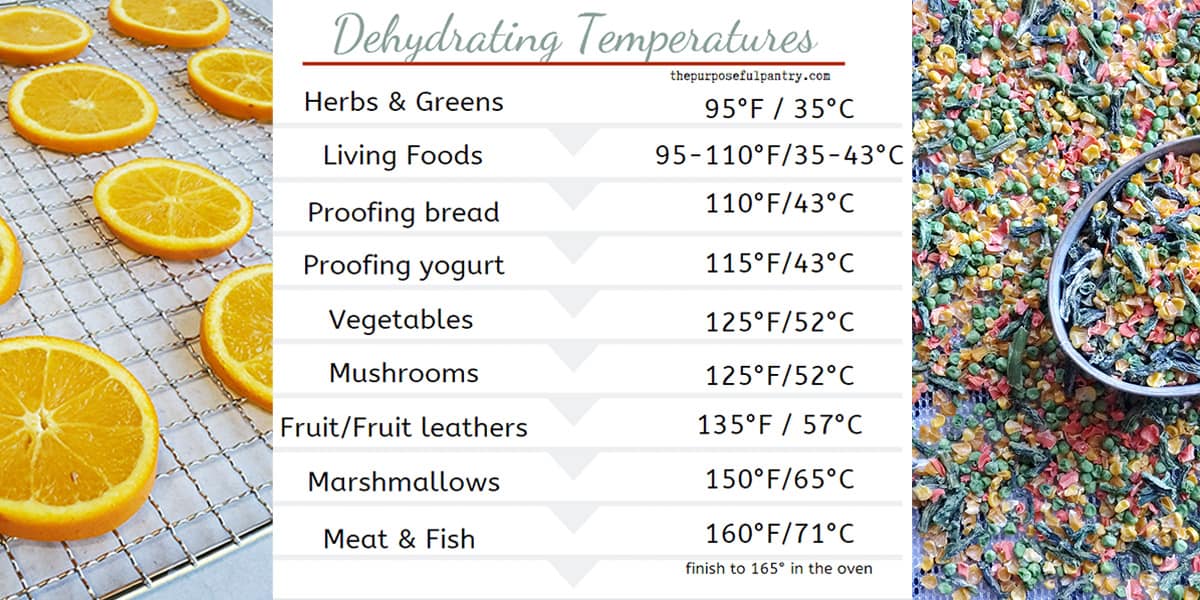
Fruits and vegetables dry best at 125°F to 135°F (52°C to 57°C). This range removes moisture without cooking the food. It keeps flavor fresh and color bright. Thicker vegetables may need a bit more time. Thin slices dry faster at the lower end of this range.
Meats And Jerky
Meats require higher heat to stay safe. Set the dehydrator to 155°F to 160°F (68°C to 71°C). This temperature kills bacteria and dries the meat properly. Use thin, even slices. Check dryness to avoid tough jerky.
Herbs And Flowers
Herbs and flowers are delicate and need gentle heat. Use 95°F to 105°F (35°C to 40°C). Low temperature preserves aroma and color. Drying too hot can burn or lose flavor. Keep airflow steady for best results.
Nuts And Seeds
Nuts and seeds dry well at 105°F to 115°F (40°C to 46°C). This temperature avoids roasting them. Proper drying extends shelf life and prevents mold. Spread them out in a single layer for even drying.
Effects Of Temperature On Drying
Temperature plays a key role in drying foods with a dehydrator. It affects how the food dries and its final quality. Choosing the right temperature helps keep good taste, texture, and nutrients. Too high or too low temperatures can cause problems. Understanding these effects helps you dry food better and safer.
Texture And Flavor
Temperature changes the texture of dried foods. Higher heat can make foods hard or brittle. Lower heat keeps foods softer but may take longer to dry. Flavor also shifts with temperature. High heat can cause a cooked or burnt taste. Lower heat helps keep natural flavors fresh and mild. Balancing temperature keeps texture and flavor enjoyable.
Nutrient Retention
Heat affects nutrients inside food. Vitamins like C and B can break down at high temperatures. Using lower temperatures helps keep more nutrients. Slow drying preserves vitamins and minerals better. Drying too fast at high heat may reduce nutritional value. Moderate temperature protects food’s healthy parts.
Drying Time Variations
Temperature changes how long drying takes. High heat speeds up drying by removing moisture fast. Low heat slows the process, needing more time. Quick drying is useful but risks uneven drying or spoilage. Slow drying is safer but takes patience. Adjust temperature to match the food type and your schedule.
Adjusting Temperature For Altitude And Humidity
Adjusting the dehydrator temperature is key for drying foods properly. Altitude and humidity affect how heat and air flow work. Changing the temperature helps keep food safe and tasty. Understanding these factors makes drying easier and more successful.
High Altitude Considerations
At high altitudes, air pressure is lower. Water boils at a lower temperature. This means foods dry slower than at sea level. Increase the dehydrator temperature by about 5 to 10 degrees Fahrenheit. This helps remove moisture faster and prevents spoilage. Watch foods closely to avoid overdrying.
Humidity Impact On Drying
Humidity means how much water is in the air. High humidity slows down drying time. Moist air makes it harder for water to leave the food. Raise the dehydrator temperature slightly to speed up drying. Use a fan or dehumidifier for better air flow. Dry foods longer in humid conditions for safety.
Credit: www.campkitchen.ca
Common Temperature Settings For Popular Dehydrators
Understanding common temperature settings for popular dehydrators helps achieve perfect drying results. Different foods need different heat levels to dry properly. Knowing these settings makes the drying process easier and more effective.
Popular dehydrators often have temperature ranges from low to high. Each range suits specific types of food. Using the right setting preserves flavor, nutrients, and texture.
Low-range Settings
Low-range settings usually cover 90°F to 110°F. These are ideal for drying herbs, flowers, and delicate fruits. At low temperatures, enzymes stay active, preserving nutrients well. This range is gentle and prevents over-drying.
Mid-range Settings
Mid-range settings fall between 110°F and 130°F. They work best for fruits like apples, bananas, and berries. Vegetables such as tomatoes and bell peppers also dry well here. This range balances drying speed and quality.
High-range Settings
High-range settings reach 130°F to 160°F. These are perfect for meats and jerky. High heat removes moisture faster, reducing bacteria risk. Use caution to avoid cooking or burning food at this level.
Troubleshooting Temperature Issues
Dehydrator temperature issues can cause poor drying results. Understanding common problems helps fix them fast. Check the temperature settings and drying patterns carefully. Small adjustments can improve your drying process and food quality.
Uneven Drying
Uneven drying happens when heat spreads unevenly inside the dehydrator. Some parts dry faster than others. Rotate trays regularly to balance heat exposure. Avoid overloading trays with too much food. Proper spacing between pieces improves air flow and drying.
Overheating Problems
Overheating can burn food or cause loss of nutrients. Check if the temperature is set too high for the food type. Clean the dehydrator vents and fan to ensure good airflow. Use a separate thermometer to verify the actual temperature inside.
Energy Efficiency Tips
Keep the door closed during drying to save energy. Use the lowest effective temperature setting to dry food well. Dry food in small batches for faster, more even drying. Regularly clean the dehydrator to maintain efficient operation.
Credit: www.webstaurantstore.com
Tips For Monitoring And Controlling Temperature
Controlling the temperature in a food dehydrator is key for good results. Proper temperature helps keep food safe and tasty. It also saves energy and reduces drying time.
Knowing how to check and adjust the temperature helps avoid over-drying or under-drying. Small tools and regular care make a big difference.
Using Thermometers And Timers
Use a reliable thermometer to check the heat inside the dehydrator. Some models have built-in thermometers, but a separate one gives more accuracy. Place it at food level for the best reading.
Timers help track drying time exactly. Set the timer to stop the machine when food is ready. This prevents wasting power and over-drying food.
Calibrating Your Dehydrator
Calibration means checking if the temperature setting matches the real heat. Use your thermometer to compare the dial reading with actual temperature. Adjust the dial if needed.
Do this regularly to keep your dehydrator working well. Changes in parts or age can affect temperature control. A well-calibrated dehydrator dries food evenly and safely.
Credit: www.thepurposefulpantry.com
Frequently Asked Questions
What Is The Ideal Temperature For Food Dehydrators?
The ideal temperature ranges from 125°F to 160°F (52°C to 71°C). It depends on the food type. Fruits require lower temps, while meats need higher temps for safety and preservation.
How Does Temperature Affect Dehydrator Drying Time?
Higher temperatures speed up drying but may reduce quality. Lower temperatures preserve nutrients but take longer. Proper temperature balance ensures efficient drying and quality retention.
Can Dehydrator Temperature Vary By Food Type?
Yes, different foods require specific temperatures. Fruits dry best at 135°F, vegetables at 125°F, and meats at 160°F. Adjusting temperature ensures optimal texture and safety.
Why Is Temperature Control Important In Dehydrators?
Temperature control prevents under-drying or over-drying. It maintains food safety by killing bacteria and molds. Proper control preserves flavor, nutrients, and texture.
Conclusion
Choosing the right dehydrator temperature saves time and keeps food safe. Low heat dries herbs and delicate fruits gently. Higher heat suits meats and thicker vegetables better. Watch your food closely to avoid over-drying or burning. Adjust temperatures based on food type and thickness.
Proper drying keeps taste and nutrients intact. A good temperature setting means better texture and flavor. Practice makes it easier to find the perfect heat. Enjoy healthy, tasty dried snacks anytime you want.