Last Updated on February 15, 2026
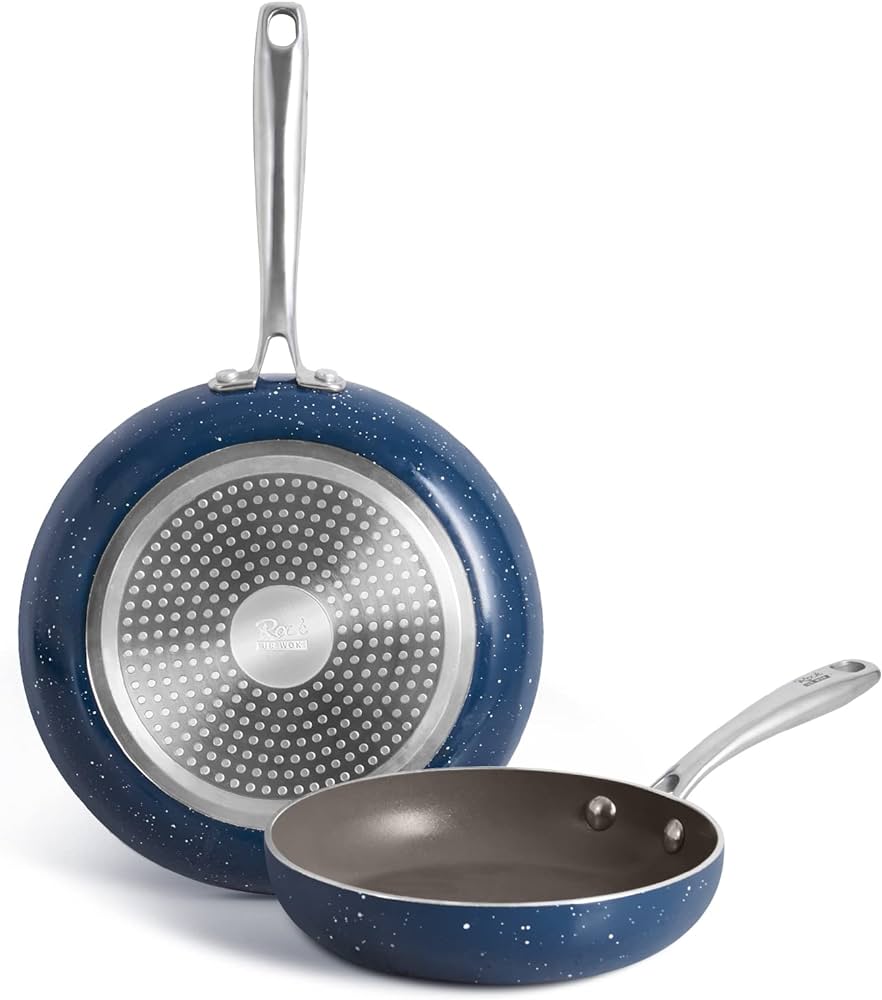
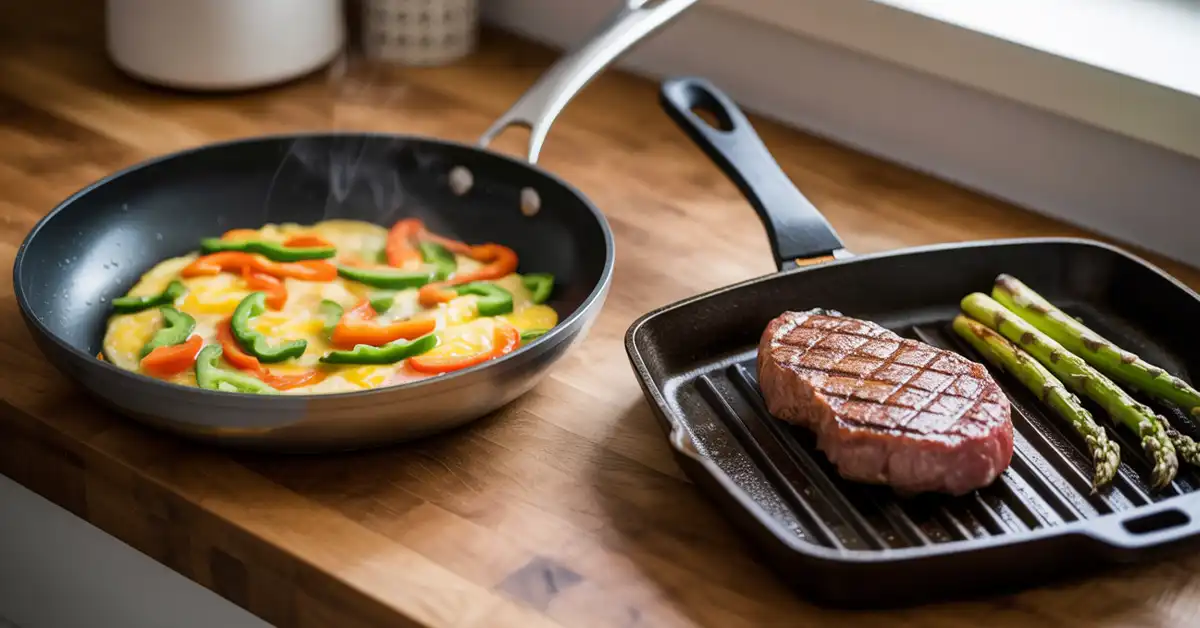
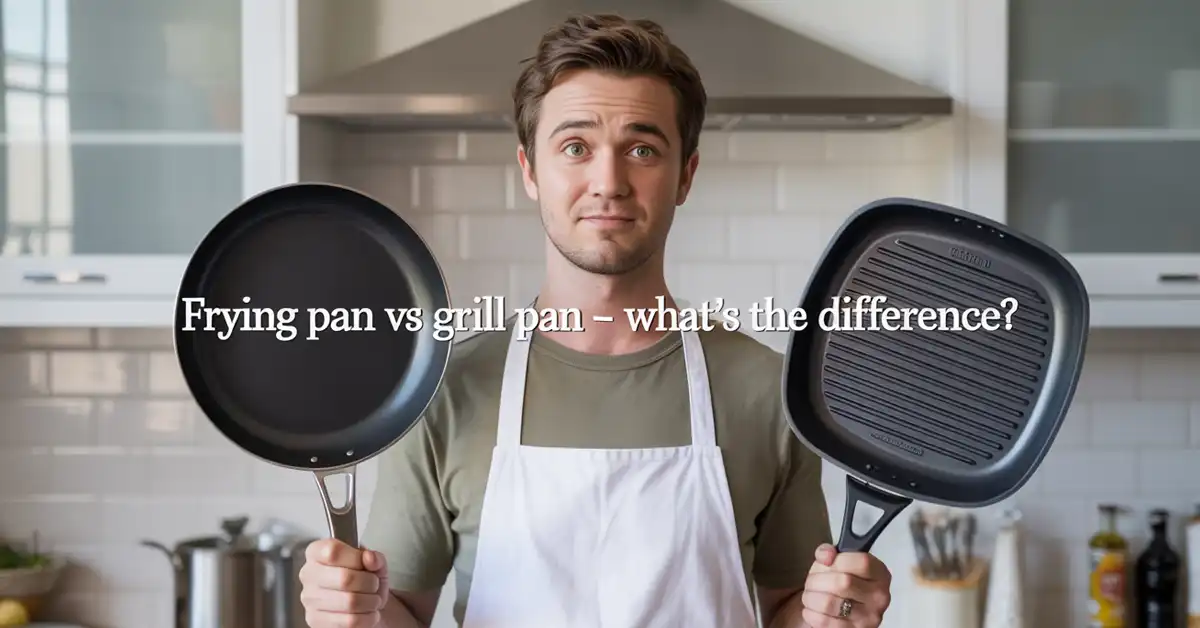
The difference between frying pan and grill pan is negligible. A frying pan is shallow, flat-bottomed cookware with sloping sides used for cooking on a stovetop. On the other hand, a grill pan with raised ridges that mimic the grill grates allows for the cooking of various foods with grill marks.
Frying and grill pans are two different cooking pans with distinct features and purposes. The frying pan is a versatile kitchen tool with sloping sides and a flat bottom, perfect for frying, sautéing, and browning food. It is commonly used on stovetops and is designed to distribute heat evenly.
On the contrary, a grill pan has raised ridges that simulate the grilling effect. These ridges create sear marks on the food and allow fats and oils to drain away, adding a distinct grilled taste. Grill pans are commonly used for indoor grilling and provide a healthier alternative to outdoor grilling. While frying pans are ideal for various cooking techniques, grill pans are convenient for grilling food indoors.
Table of Contents
Grill Pan Overview
When exploring the difference between frying pan and grill pan, it’s important to understand what makes a grill pan unique. A grill pan is a highly practical piece of cookware that brings the outdoor barbecue experience indoors. With its raised ridges and grill lines, this pan is specifically designed to replicate the distinct grill marks and smoky flavor you’d get from a traditional grill—right on your stovetop.
Unlike a standard frying pan, which has a flat surface, the grill pan’s ridged design allows fats and oils to drain away from the food. This not only reduces grease but also helps achieve a healthier sear on meats, vegetables, and even plant-based alternatives. Whether you’re aiming to sear juicy steaks, char bell peppers, or give your homemade burgers those classic grill lines, a grill pan is an excellent tool for enhancing texture and flavor.
In this section, we’ll break down the various types of grill pans—from cast iron grill pans to non-stick and enameled options—and explore the most common uses for each. You’ll also discover how the materials used in grill pans can affect heat distribution, cooking style, and ease of maintenance.
Understanding the differences in cooking results between a frying pan and a grill pan will help you choose the right pan for your needs. Plus, we’ll look at how those authentic grill marks do more than just look good—they actually boost the taste and presentation of your meals.
Let’s dive into the world of grill pans and see how they stack up when comparing the frying pan vs grill pan cooking experience.
Types And Materials Used In Grill Pans
Grill pans come in various types and materials, each offering unique features and advantages. Here are some of the most common types and materials used in grill pans:
| Type | Materials |
|---|---|
| Cast Iron | Cast iron grill pans are known for their excellent heat retention and distribution. They often have a durable, non-stick surface that improves with seasoning and can withstand high cooking temperatures. |
| Non-Stick | Non-stick grill pans typically have a coating that prevents food from sticking and makes cleaning a breeze. They are lightweight and heat up quickly, making them ideal for everyday use. |
| Stainless Steel | Stainless steel grill pans offer durability and resistance to rust and corrosion. They are versatile and can be used on various stovetops, including induction. |
Common Uses And Benefits Of Grill Pans
Grill pans can be used for various cooking purposes, making them a versatile tool in the kitchen. Here are some common uses and benefits of grill pans:
- Grilling: Grill pans are perfect for cooking meats, poultry, fish, and vegetables with that delicious grilled flavor. They mimic the charred texture and smoky taste of outdoor grilling, giving you the best of both worlds.
- Indoor Convenience: With a grill pan, you can enjoy the delights of grilling indoors, regardless of the weather conditions. It provides a convenient alternative when outdoor grilling is not possible or convenient.
- Healthier Cooking: The raised ridges in grill pans allow excess oils and fats to drain away from the food, reducing calorie intake and promoting healthier cooking.
- Versatility: These pans can also be used for grilling, searing, sautéing, and baking certain dishes. They offer versatility in the kitchen and can be used for a variety of cooking techniques.
- Easy Cleaning: Many grill pans come with non-stick coatings or enamel finishes, making them easy to clean. They require minimal effort and can often be washed with a gentle soap and sponge.
Importance Of Authentic Grill Marks
Authentic grill marks are aesthetically pleasing and provide visual cues for a perfectly grilled meal. Here’s why authentic grill marks are essential:
- Visual Appeal: Grill marks convey a professional appearance and can enhance the overall presentation of your meals.
- Texture and Taste: The charred lines on grilled food add a distinct texture and smoky flavor that is highly sought after. They enhance the sensory experience, making each bite more enjoyable.
- Cooking Accuracy: Grill marks serve as a guide to ensure even cooking of the food. They help you gauge when to flip the food and achieve that ideal doneness.
Understanding the types, materials, uses, and benefits of grill pans, as well as the significance of authentic grill marks, will empower you to make informed choices when selecting and using this versatile cookware. So, explore the wonderful world of grill pans in your kitchen!
Frying Pan Overview
To truly understand the difference between frying pan and grill pan, we need to look at what makes a frying pan a kitchen essential. Also known as a skillet, a frying pan features a flat, wide cooking surface with slightly sloped sides, making it ideal for a variety of everyday cooking tasks.
From scrambling eggs and sautéing vegetables to pan-frying chicken or flipping pancakes, the frying pan’s smooth surface ensures even heat distribution and effortless food flipping. It’s the go-to tool when you want quick, even cooking without grill marks or the need to drain fat away during the process.
Frying pans are available in a range of materials like stainless steel, non-stick coatings, cast iron, and copper, each offering different benefits in terms of heat retention, weight, and ease of cleaning. Whether you’re using an induction cooktop or gas stove, there’s a frying pan that fits perfectly with your cooking setup.
Compared to grill pans, frying pans provide more surface contact with your food, making them ideal for delicate dishes like crepes, omelets, and fish fillets—where you want a golden finish rather than a charred one. They also allow for better control over sauces and liquids, something a ridged grill pan can’t offer.
In this section, we’ll explore the different types of frying pans, common use cases, and why every home chef—whether novice or pro—needs one in their kitchen arsenal. Understanding when to use a frying pan vs a grill pan will help you cook more efficiently and choose the right cookware for the meal at hand.
Let’s uncover the strengths of the classic frying pan and how it stacks up in the grill pan vs frying pan debate.
Types And Materials Used In Frying Pans
Frying pans come in various types and materials, each with unique features and advantages. Here are some of the common types and materials you may come across:
| Type | Materials |
|---|---|
| Non-stick frying pan | Teflon, ceramic coating |
| Stainless steel frying pan | Stainless steel |
| Cast iron frying pan | Cast iron |
Non-stick frying pans, coated with materials such as Teflon or ceramic, are famous for preventing food from sticking to the surface. They also require less oil or butter, making them a healthier option. Stainless steel frying pans, on the other hand, are renowned for their durability and resistance to scratches and stains. Cast-iron frying pans are heavy-duty and excellent at retaining heat, ensuring even cooking throughout.
Common Uses And Benefits Of Frying Pans
Frying pans are versatile tools used for various purposes in the kitchen. Here are some common uses and benefits:
- Cooking meats, such as steak, chicken, or fish
- Sautéing or stir-frying vegetables
- Making omelets or scrambled eggs
- Grilling sandwiches or quesadillas
One of the primary benefits of frying pans is their ability to quickly and evenly distribute heat, enabling efficient cooking. Their wide, shallow design makes them ideal for flipping and flipping food items.
Importance Of Proper Heat Distribution
Proper heat distribution is crucial when it comes to frying pans. Uneven heat can result in burnt or undercooked food, making it essential to have a frying pan that ensures proper heat distribution. Frying pans made from materials like stainless steel or cast iron tend to distribute heat more evenly, reducing the likelihood of hot spots.
In conclusion, understanding the different types, materials, common uses, benefits, and the importance of proper heat distribution in frying pans can help you select the right frying pan for your cooking needs.

Grill Pans: A Closer Look
Ribbed Surface And Elevated Ridges
One of the defining features of grill pans is their ribbed surface and elevated ridges. Unlike frying pans with smooth, flat bottoms, grill pans have a series of ridges that create those characteristic grill marks on food. These ridges give the food a visually appealing appearance and contribute to the overall taste and texture.
The food is lifted slightly above the surface with the ribbed surface and elevated ridges of a grill pan, allowing any excess fat or drippings to drain. This means your food will not sit in the grease as it cooks, resulting in a healthier final dish. Additionally, the ridges help to create air pockets, which aid in even heat distribution and prevent the food from becoming soggy or greasy.
Authentic Grilling Experience Indoors
When it comes to grilling, many people associate it with outdoor barbecues and gathering around a charcoal or gas grill. However, with a grill pan, you can recreate that authentic grilling experience indoors, regardless of the weather or season. Whether you live in an apartment or prefer to cook indoors, a grill pan allows you to enjoy the flavors of grilled food from the comfort of your kitchen.
Grill pans are especially popular in urban areas with limited outdoor grilling space. They provide a convenient solution for those who don’t have access to a backyard or outdoor grill, allowing them to still achieve that smoky and charred taste without the need for a traditional barbecue setup.
Enhanced Flavor And Texture Of Food
Grill pans give your food the visual appearance of grill marks, enhancing its flavor and texture. The high heat from the ridges helps sear the food’s exterior, creating a caramelization effect that adds depth and richness to the flavor profile.
Furthermore, the raised ridges create a unique texture on the food’s surface, providing a satisfying crunch and creating contrast between the charred exterior and the juicy interior. This texture adds an extra dimension to your dishes, making them more exciting and enjoyable.
Moreover, the grill pan allows for greater control over the cooking process. With its even heat distribution and adjustable temperature, you can achieve the perfect level of doneness for your food, whether it’s a steak, vegetables, or sandwiches.
Frying Pans: A Closer Look
Shallow Sides And Flat Bottom
When selecting the right cookware for your kitchen, having a closer look at frying pans is crucial. Frying pans, also known as skillets, are a staple in every kitchen, offering versatile cooking options for a wide range of dishes. One key feature that makes frying pans unique is their shallow sides and flat bottom.
The shallow sides of a frying pan allow easy flipping and tossing of food while cooking. Whether you’re sautéing vegetables, searing steaks, or scrambling eggs, the low sides make it convenient to move the food around with a spatula or tongs. The flat bottom ensures even heat distribution across the cooking surface, helping to achieve consistent cooking results.
Nonstick Options And Healthier Cooking Alternatives
Frying pans often come with nonstick coatings, making them ideal for cooking delicate foods like omelets or pancakes without the risk of sticking. The nonstick surface reduces the need for excessive oil or butter, promoting healthier cooking options. You can indulge in your favorite fried foods using less oil while reducing unnecessary fats and calories.
In addition to nonstick options, you can also explore healthier cooking alternatives with frying pans. For instance, investing in a ceramic-coated or stainless steel frying pan can offer a healthier alternative to traditional nonstick pans. These materials are free from harmful chemicals and provide excellent heat distribution, allowing you to cook food evenly and retain its nutritional value.
Versatile Cooking Options For Various Dishes
One of the main reasons why frying pans are a must-have in every kitchen is their versatility. Whether you’re preparing breakfast, lunch, or dinner, a frying pan can handle a variety of cooking techniques. From frying and searing to sautéing and browning, these pans allow you to experiment with multiple flavors and achieve the perfect texture for your dishes.
A frying pan is perfect for cooking eggs, browning ground meat, stir-frying vegetables, or even making a delicious frittata. Its wide, flat surface provides ample cooking space and accommodates multiple ingredients simultaneously. Whether cooking for yourself or a large group, a frying pan ensures your culinary creations are delicious and satisfying.
Cooking Techniques: Frying Pan Vs. Grill Pan
When it comes to cooking, the choice of cookware can significantly impact the final dish’s taste, texture, and overall presentation. Two popular options for stovetop cooking are the frying pan and the grill pan. These pans feature unique capabilities for various cooking techniques. This article will explore the cooking techniques of frying and grill pan.
Sautéing, Stir-frying, And Shallow Frying With A Frying Pan
The frying pan is a versatile tool that can be used for various cooking techniques, including sautéing, stir-frying, and shallow frying. These techniques involve cooking food quickly over high heat with the help of oil or fat. Here’s a breakdown of each method:
- Sautéing: Sautéing is a cooking method that involves cooking small pieces of food in a frying pan with a small amount of oil or butter. This technique is great for quickly cooking vegetables, meats, or seafood while preserving natural flavors and textures.
- Stir-frying: Stir-frying is a popular cooking technique in Asian cuisine that involves quickly stir-frying ingredients in a frying pan over high heat. The ingredients are constantly tossed and turned to ensure even cooking. Stir-frying is ideal for creating flavorful and vibrant dishes.
- Shallow frying: Shallow frying is a technique that involves cooking food in a shallow layer of oil or fat. This technique is commonly used for frying breaded or battered foods, such as chicken cutlets or fish fillets. Shallow frying creates a crispy exterior while keeping the interior moist and tender.
Grilling, Searing, And Creating Grill Marks With A Grill Pan
The grill pan is designed to mimic the effect of outdoor grilling, allowing you to achieve those sought-after grill marks and smoky flavors without having to fire up the grill. Here are the cooking techniques associated with the grill pan:
- Grilling involves cooking food directly on the hot grill pan, often using minimal oil. This technique is ideal for cooking meats, vegetables, and even fruits, as it creates a distinct charred flavor and adds a subtle smokiness.
- Searing: Searing is a technique used to achieve a flavorful crust on meats or seafood by quickly cooking them at a high temperature. The grill pan’s ridges help to create those beautiful sear marks, adding visual appeal to the dish.
- Creating grill marks: One advantage of using a grill pan is the ability to create attractive grill marks on food. These marks enhance the dish’s visual appeal and give it a professional touch.
Flavor Profiles And Visual Appeal Of The Final Dish
Choosing between a frying pan and a grill pan can significantly impact the final dish’s flavor profiles and visual appeal. While frying pans are great for gently cooking and preserving the natural flavors of ingredients, grill pans add a layer of smokiness and charred flavor to the food. The grill marks created by the pan also contribute to the dish’s visual appeal, making it look more enticing and professional.
In conclusion, both the frying pan and the grill pan have their own unique set of cooking techniques and advantages. Understanding the capabilities of each pan allows you to choose the right tool for the job and elevate your culinary skills.
Choosing The Right Pan For Your Cooking Needs
When it comes to cooking, having the right equipment is essential. One of the most critical tools in any kitchen is a good-quality pan. Whether frying up your favorite breakfast foods or grilling burgers for a backyard barbecue, choosing the right pan can make all the difference in achieving the perfect meal. This article will explore the difference between frying and grill pans and provide helpful tips for selecting the right pan for your cooking needs.
Considering The Type Of Dish And Cooking Method
Before choosing between a frying pan and a grill pan, it’s essential to consider the type of dish you’ll be cooking and the cooking method you prefer. Frying pans are versatile and can be used for a variety of dishes, including sautéing vegetables, frying meats, and making omelets. On the other hand, grill pans are designed to mimic the experience of cooking on an outdoor grill. They are ideal for searing and marking meats, grilling vegetables, and achieving those beautiful grill marks.
Evaluating Your Kitchen Setup And Available Space
Another factor to consider when selecting a pan is your kitchen setup and the available space in your kitchen. Frying pans are typically more compact and easier to store, making them an excellent choice for kitchens with limited storage space. They also tend to be lighter, which can be beneficial if you have difficulty lifting heavy cookware. Grill pans, on the other hand, are larger and bulkier, requiring more storage space. If you have ample room in your kitchen and enjoy grilling, a grill pan can be a great addition to your cookware collection.
Factors To Consider When Purchasing A Frying Pan Or Grill Pan
When purchasing a frying pan or grill pan, several factors must be considered. First, consider the material of the pan. Stainless steel and cast iron are popular choices due to their durability and ability to distribute heat evenly. Non-stick pans are also available, which can make cooking and cleaning easier.
Next, consider the size of the pan. Frying pans come in various sizes, ranging from small omelet pans to large skillet pans. Choosing the right size depends on the quantity of food you typically cook and the size of your stovetop burners. Grill pans also come in different sizes, so select one that fits comfortably on your stovetop or grill.
Lastly, consider the pan’s handle. Handles can be made of various materials, including stainless steel or heat-resistant plastics. Choosing a comfortable and secure handle is essential, as you’ll maneuver the pan frequently while cooking.
| Frying Pan | Grill Pan |
|---|---|
| Versatile and can be used for a wide range of dishes | Ideal for searing and marking meats |
| Compact and easier to store | Larger and bulkier |
| Lighter in weight | Require more storage space |
| Material: Stainless steel, cast iron, or non-stick | Material: Stainless steel, cast iron, or non-stick |
| Variable sizes available | Variable sizes available |
Choosing the right pan for your cooking depends on several factors, including the type of dish you’ll be cooking, your kitchen setup, and your preferences. By considering these factors and evaluating the specific features of frying and grill pans, you can find the perfect pan to elevate your culinary creations.
Critical Difference Between Frying Pan And Grill Pan
Cooking Methods And Techniques
Frying pans are used for cooking food in a shallow layer of oil or fat, ideal for sautéing vegetables, stir-frying, or shallow frying.
Grill pans mimic the cooking style of an outdoor grill, featuring raised ridges or grates to give food grill marks while allowing for cooking without excessive oil or fat. This makes them perfect for searing steaks, grilling vegetables, or cooking delicate fish fillets.
Design And Construction Variations
Frying pans and grill pans are designed differently to suit their specific cooking methods. Frying pans have a flat surface with sloping sides, making it easier to flip and toss ingredients. They are commonly made of stainless steel, cast iron, or non-stick coatings, offering durability and versatility for cooking.
On the other hand, grill pans have raised ridges or grates that enhance the visual appeal of dishes and help drain excess fat. These ridges or grates are typically made of cast iron or non-stick coating for efficient heat transfer and easy cleaning. Some grill pans also feature a groove or channel to collect drippings, which reduces flare-ups and simplifies the cleaning process.
Heat Distribution And Retention Disparities
Frying pans distribute heat evenly across the cooking surface, ensuring consistent cooking. They are designed to retain heat, keeping food warm after cooking. Materials like stainless steel or aluminum with an encapsulated base improve heat conductivity.
Grill pans excel in heat retention due to their thicker construction and the use of materials like cast iron. This allows grill pans to maintain high heat, resulting in those desired grill marks and flavors on the food. The raised ridges also help channel heat and minimize contact between the food and the cooking surface, resulting in dishes with a distinctive grilled texture.
Tips For Maintaining And Cleaning Frying Pans And Grill Pans
Frying pans and grill pans are both essential cookware items in any kitchen. Although they may appear similar, the two have some significant differences. Frying pans are versatile and are ideal for sautéing, frying, and stir-frying. On the other hand, grill pans are great for achieving the delicious grill marks and flavors on your food without the need for an outdoor grill. Whether you’re using a frying pan or a grill pan, it’s essential to clean and maintain these pans properly to keep them in optimal condition for years. Here are some crucial tips for cleaning your frying and grill pans.
Proper Cleaning Techniques For Nonstick Surfaces
Frying and grill pans with nonstick surfaces require special care to maintain their performance and longevity. When cleaning, always avoid using abrasive sponges or harsh cleaning agents that can damage the non-stick coating. Instead, follow these steps:
- Gently remove any food residue using a soft sponge or nylon brush.
- Fill the pan with warm water and a few drops of mild dish soap.
- Let the pan soak for a few minutes to loosen any stubborn stains.
- Use a non-abrasive sponge or cloth to gently scrub the surface.
- Rinse thoroughly with warm water and dry the pan completely.
Seasoning And Maintaining The Surface Of Grill Pans
Unlike frying pans, grill pans require a different approach to cleaning and maintenance, as they often have ridges or grates that can trap food and grease. Here’s how to keep your grill pan in top shape:
- While the pan is still warm, use a brush or scraper to remove food residue and debris from the surface and the grates.
- If there are stubborn stains, create a paste using baking soda and water. Apply the paste to the stains and let it sit for a few minutes before scrubbing with a brush.
- Rinse the pan thoroughly, removing all traces of the baking soda paste.
- Dry the pan thoroughly to prevent any moisture or rust from forming.
- After cleaning, seasoning your grill pan regularly is essential to prevent food from sticking. Rub a thin layer of cooking oil onto the surface and heat the pan for a few minutes. Wipe off any excess oil with a paper towel.
Increasing The Longevity Of Your Pans With Regular Care
To ensure that both your frying pans and grill pans last for years to come, here are some additional tips for regular care:
- Always use non-metal utensils to prevent scratching the nonstick surface or damaging the grill pan grates.
- Avoid overheating your pans, which can damage the nonstick coating or cause warping.
- When storing your pans, place a soft cloth or piece of paper towel in between them to prevent scratches.
- If your nonstick coating starts to peel or chip, it’s time to replace the pan to avoid any potential health risks.
By following these cleaning and maintenance tips, you can ensure that your frying and grill pans remain in excellent condition and provide you with delicious, well-cooked meals for years.
FAQ on the Difference Between Frying Pan And Grill Pan
Is A Grill Pan Better Than A Frying Pan?
A grill pan is better than a frying pan for grilling meats and vegetables. It creates grill marks and allows excess fat to drain away, resulting in a healthier and tastier dish. Its ridged surface enhances the smoky flavor and adds a nice char to the food.
Can I Use A Grill Pan For Frying?
Yes, you can use a grill pan for frying. The grill pan’s ridges will create grill marks on the food, giving it a grilled appearance. However, since the pan is not entirely flat, it may affect the cooking process.
Is It Better To Grill Or Pan Fry Chicken?
Grilled chicken is preferable to pan-fried chicken because it imparts a smoky flavor and yields a crispy skin.
Why Should I Use A Grill Pan?
A grill pan is a helpful kitchen tool for cooking food with a grilled flavor indoors. It helps to achieve grill marks and enhances the taste and texture of your food. It is easy to use, versatile, and allows for healthier cooking by reducing the oil needed.
Conclusion
To summarize, understanding the difference between frying pan and grill pan is essential for every cooking enthusiast. While both are necessary kitchen tools, they serve different purposes. A frying pan is ideal for sautéing and shallow frying, while a grill pan is specifically designed to achieve those distinctive grill marks and smoky flavors.
By selecting the right pan for the right job, you can elevate your culinary experience and create delicious dishes to impress your guests. Therefore, don’t overlook the importance of selecting a suitable pan for your cooking needs. Happy cooking!