Last Updated on February 18, 2026
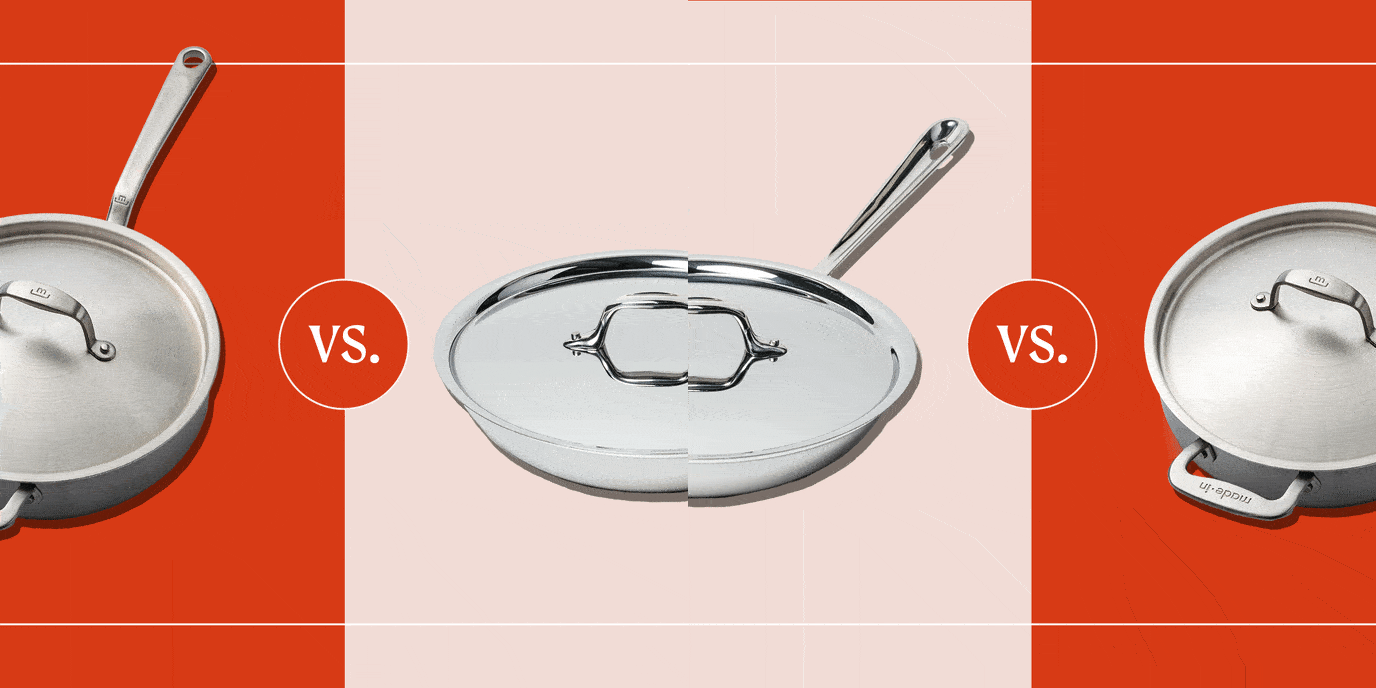
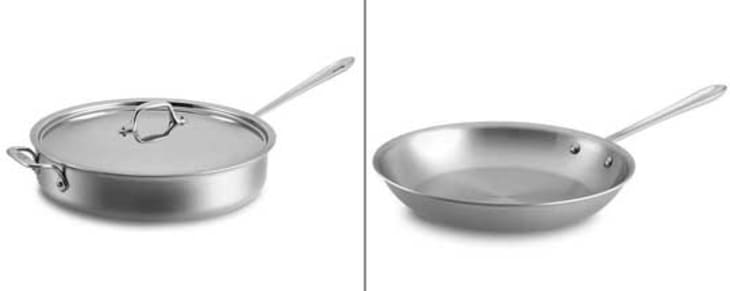
A saucepan has high sides and a single long handle. A skillet has lower sides and often two short handles.
Choosing the right cookware is crucial for cooking success. Saucepans are ideal for simmering soups, boiling pasta, and making sauces. Their high sides and single handle provide excellent control and heat distribution. Skillets, on the other hand, excel at frying, searing, and browning foods.
They have lower sides which allow steam to escape, making them perfect for achieving a crispy texture. Understanding these differences helps you select the best tool for your culinary needs. Whether you’re a novice or an experienced cook, knowing when to use a saucepan or skillet can enhance your cooking experience and results.
Introduction To Cookware Essentials
Understanding the different cookware in your kitchen is essential. Each piece of cookware has a unique role and function. This helps in preparing the best meals. Two common cookware items are the saucepan and the skillet. Each has its own uses and benefits.
The Role Of Saucepans In The Kitchen
A saucepan is a deep pan with a handle. It is perfect for cooking liquids. This includes soups, sauces, and boiling pasta. Saucepans usually come with a lid. This helps in retaining heat and moisture.
Here are some main features of saucepans:
- Deep and round: Ideal for boiling and simmering.
- Long handle: Easy to hold and stir.
- Lid: Helps in cooking food evenly.
Skillets And Their Versatile Uses
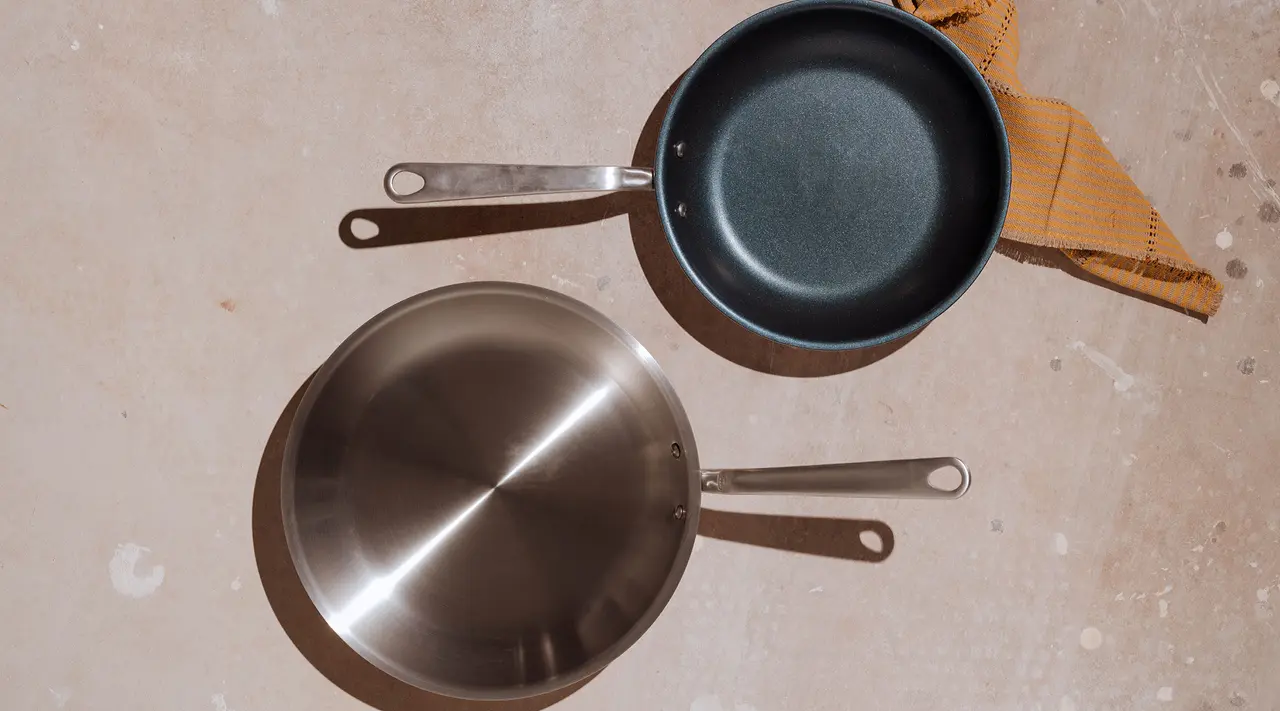
A skillet, also known as a frying pan, is flat and wide. It is perfect for frying, searing, and browning food. Skillets have low sides, making it easy to flip food.
Here are some main features of skillets:
- Flat and wide: Ideal for frying and searing.
- Low sides: Easy to flip and stir food.
- No lid: Usually does not come with a lid.
| Feature | Saucepan | Skillet |
|---|---|---|
| Shape | Deep and round | Flat and wide |
| Handle | Long handle | Long handle |
| Lid | Usually has a lid | Usually no lid |
| Uses | Boiling, simmering | Frying, searing |
Credit: madeincookware.com
Physical Characteristics
Understanding the physical characteristics of a saucepan and a skillet helps in their effective use. Let’s dive into the specifics of their design features and construction.
Saucepan Design Features
A saucepan is usually deep and has straight sides. This design is perfect for cooking liquids and sauces. Saucepans often have a single long handle. Some larger saucepans also come with a small loop handle for extra support.
| Feature | Description |
|---|---|
| Shape | Deep with straight sides |
| Handles | One long handle, sometimes an extra loop handle |
| Material | Often made of stainless steel, aluminum, or copper |
Skillet Design And Construction
A skillet is shallow with sloped sides, ideal for frying. Skillets have a large surface area, making them great for searing meats. Most skillets have a long handle and sometimes a helper handle.
| Feature | Description |
|---|---|
| Shape | Shallow with sloped sides |
| Surface Area | Large, ideal for searing |
| Handles | Long handle, sometimes with a helper handle |
| Material | Commonly made of cast iron, stainless steel, or non-stick materials |
Both cookware types have unique designs tailored for specific cooking tasks. Knowing these differences can enhance your cooking experience.
Material Composition
Understanding the material composition of cookware can enhance your cooking experience. Knowing the differences between a saucepan and a skillet helps you choose the right tool for your needs. This section discusses the common materials used in the making of saucepans and skillets.
Common Materials For Saucepans
Saucepans come in various materials, each with unique benefits. Here are the most common:
- Stainless Steel: Durable and non-reactive, perfect for acidic foods.
- Aluminum: Lightweight and offers excellent heat conductivity.
- Copper: Superb heat conductivity and quick temperature control.
- Non-stick: Easy to clean, ideal for delicate foods.
| Material | Advantages |
|---|---|
| Stainless Steel | Durable, non-reactive |
| Aluminum | Lightweight, heats quickly |
| Copper | Excellent heat control |
| Non-stick | Easy to clean, good for delicate foods |
Preferred Skillet Materials
Skillets are versatile and come in different materials too. Some of the preferred materials include:
- Cast Iron: Retains heat well, suitable for high-heat cooking.
- Carbon Steel: Lighter than cast iron, heats quickly.
- Stainless Steel: Non-reactive, good for deglazing.
- Non-stick: Perfect for cooking with less oil.
| Material | Advantages |
|---|---|
| Cast Iron | Excellent heat retention |
| Carbon Steel | Lighter, heats fast |
| Stainless Steel | Non-reactive, good for deglazing |
| Non-stick | Less oil needed, easy to clean |
Heat Distribution And Retention
Understanding how heat distribution and retention work in cookware is crucial. Both the saucepan and the skillet have unique heating properties. These properties affect your cooking results. Let’s explore these differences further.
Saucepan Heating Dynamics
A saucepan is designed to heat liquids evenly. The tall sides help to retain heat. This is perfect for making sauces and soups. The base of the saucepan is often thicker. This ensures even heating across the bottom.
- Even Heating: Ideal for cooking liquids.
- Heat Retention: Tall sides keep heat within.
- Thick Base: Prevents hot spots.
The saucepan is excellent for simmering. It maintains a steady heat. This is crucial for delicate recipes.
Understanding Skillet Heat Control
A skillet has a wide, flat base. This design allows for quick, even heating. Skillets are great for searing and frying. They can handle high heat without warping.
- Quick Heating: Heats up fast.
- Even Surface: Perfect for browning food.
- Heat Tolerance: Withstands high temperatures.
Skillets are versatile. They excel in cooking methods that need fast heat changes. This is why they are a kitchen essential.
| Feature | Saucepan | Skillet |
|---|---|---|
| Shape | Tall sides | Wide, flat base |
| Heat Retention | Excellent | Moderate |
| Ideal Use | Simmering, boiling | Searing, frying |
Cooking Techniques Suited For Saucepans
A saucepan is a versatile kitchen tool. It’s ideal for various cooking techniques. The deep sides and fitted lid make it unique. Below, we’ll explore some key techniques suited for saucepans.
Boiling And Simmering
Boiling and simmering are common uses for saucepans. The high sides help retain heat and moisture. This makes them perfect for cooking pasta and boiling potatoes.
Boiling requires high heat. The water must reach 212°F (100°C). Use a saucepan for fast, even boiling. This is great for eggs, grains, and vegetables.
Simmering is a gentler technique. It uses lower heat, around 185-205°F (85-96°C). This is ideal for cooking rice and stews. The tight-fitting lid helps retain moisture. It keeps the temperature steady.
| Technique | Temperature | Best For |
|---|---|---|
| Boiling | 212°F (100°C) | Pasta, Eggs, Grains |
| Simmering | 185-205°F (85-96°C) | Rice, Stews, Soups |
Making Sauces And Soups
Making sauces and soups is a breeze with a saucepan. The deep sides prevent splattering. This keeps your kitchen clean and neat.
Making sauces like béchamel or marinara is easy. The even heat distribution ensures a smooth, lump-free sauce. Stirring is hassle-free due to the wide base.
Soups are another strength of saucepans. The depth allows for large batches. A tight lid helps keep the soup warm and flavorful. This is perfect for chicken noodle or tomato soup.
- Deep sides for splatter control
- Even heat for smooth sauces
- Tight lid for flavorful soups
Whether boiling, simmering, or making sauces, a saucepan is essential. It offers versatility and control in the kitchen.
Best Uses For Skillets
A skillet is a versatile tool in any kitchen. It can handle a variety of cooking tasks. Whether you are frying, sautéing, browning, or searing, a skillet is your go-to pan. Let’s explore the best uses for skillets.
Frying And Sautéing
Skillets are perfect for frying and sautéing. Their flat bottom ensures even heat distribution. This allows your food to cook uniformly.
Here are some common uses:
- Frying eggs
- Sautéing vegetables
- Cooking bacon
The sloped sides of a skillet make it easy to stir and flip food. This is especially useful for quick-cooking items like stir-fries.
Browning And Searing
Browning and searing are two techniques that benefit from a skillet’s high heat capability. The wide surface area allows maximum contact with the food.
Use a skillet for:
- Searing steaks
- Browning chicken breasts
- Crisping fish fillets
Cast iron skillets are particularly good for these tasks. They retain heat exceptionally well, creating a perfect sear on meats.
Here is a quick comparison table:
| Task | Skillet Type |
|---|---|
| Frying Eggs | Non-stick Skillet |
| Searing Steaks | Cast Iron Skillet |
In summary, a skillet’s design makes it ideal for both frying and searing.
Care And Maintenance
Proper care and maintenance ensure your cookware lasts longer. Each type of cookware requires different methods to stay in top condition. Below, we explore the best practices for both saucepans and skillets.
Cleaning And Seasoning A Saucepan
Cleaning a saucepan is easy. Use warm soapy water and a non-abrasive sponge. Avoid using harsh chemicals. They can damage the saucepan’s surface.
For stubborn stains, fill the saucepan with water and bring it to a boil. Add a tablespoon of baking soda. Let it simmer for 10 minutes. Then, scrub gently.
Seasoning is not necessary for most saucepans. But if you have a cast iron saucepan, seasoning is essential. Coat it with a thin layer of vegetable oil. Bake it in the oven at 350°F for one hour. Let it cool completely before use.
Skillet Upkeep For Longevity
Proper skillet care ensures it remains non-stick and rust-free. Below is a table summarizing the key steps:
| Step | Description |
|---|---|
| Cleaning | Use warm soapy water and a soft sponge. Avoid dishwashers. |
| Seasoning | Apply a thin layer of oil. Bake at 350°F for one hour. |
| Storage | Store in a dry place. Keep it away from moisture. |
Never soak a skillet. It can cause rust. Dry it immediately after washing. Use a paper towel or cloth. Apply a thin coat of oil before storing. This helps maintain its non-stick surface.
For non-stick skillets, avoid metal utensils. Use wooden or silicone tools. This prevents scratching the surface.
Credit: www.americastestkitchen.com
Choosing Between Saucepan And Skillet
Choosing between a saucepan and a skillet can be tricky. Both are essential kitchen tools but serve different purposes. Understanding their differences helps you pick the right one for your cooking needs.
Factors To Consider
- Cooking Method: Saucepans are best for boiling and simmering. Skillets excel in frying and sautéing.
- Shape and Size: Saucepans are deep with tall sides. Skillets are shallow with wide, flat bottoms.
- Material: Saucepans often come in stainless steel or aluminum. Skillets are usually cast iron or non-stick.
- Heat Distribution: Skillets heat evenly across the surface. Saucepans focus heat at the bottom.
- Ease of Use: Skillets are easier for quick, high-heat cooking. Saucepans are better for slow cooking.
Versatility Vs. Specialization
A saucepan is versatile for various cooking tasks. It is ideal for making sauces, soups, and boiling pasta. Its tall sides prevent spills and splatters.
A skillet, on the other hand, specializes in tasks requiring high heat. It is perfect for searing, frying, and browning. Its wide surface area allows even cooking.
| Feature | Saucepan | Skillet |
|---|---|---|
| Best For | Boiling, simmering | Frying, sautéing |
| Shape | Deep, tall sides | Shallow, wide |
| Material | Stainless steel, aluminum | Cast iron, non-stick |
| Heat Distribution | Bottom-focused | Even across surface |
| Cooking Speed | Slower | Quicker |
Both tools have their strengths. The choice depends on your cooking style and needs. Whether you prefer a saucepan’s versatility or a skillet’s specialization, both will serve you well in the kitchen.
Combining Saucepans And Skillets In The Kitchen
Combining saucepans and skillets in your kitchen can elevate your cooking experience. Each has unique benefits that complement various cooking strategies. Using both helps you create diverse and delicious meals.
Complementary Cooking Strategies
Saucepans and skillets each excel in different cooking techniques. A saucepan is perfect for boiling, simmering, and making sauces. Its deep sides and lid help retain heat and moisture.
A skillet is ideal for frying, sautéing, and browning. It has a flat bottom and shallow sides, allowing for even cooking and easy access. Combining both allows you to switch between methods seamlessly.
| Cooking Task | Best Tool |
|---|---|
| Boiling pasta | Saucepan |
| Sautéing vegetables | Skillet |
| Making soup | Saucepan |
| Frying eggs | Skillet |
Building A Balanced Cookware Set
A balanced cookware set includes both saucepans and skillets. This ensures you are prepared for any recipe. Start with a small and a large saucepan. Then add a medium and a large skillet.
To build a balanced set, consider the following:
- A 2-quart saucepan for sauces and small portions.
- A 4-quart saucepan for soups and stews.
- An 8-inch skillet for quick sautéing tasks.
- A 12-inch skillet for family meals and frying.
This combination covers most cooking needs. It allows you to prepare a wide variety of dishes efficiently.
Professional Chef Insights
Understanding the difference between a saucepan and a skillet can elevate your cooking. Professional chefs have strong opinions on which to use for specific dishes. Their expertise can help you make better choices in your kitchen.
Expert Preferences
Professional chefs often prefer a saucepan for tasks like boiling, simmering, and making sauces. A saucepan’s deep sides and narrow base make it perfect for these jobs.
On the other hand, chefs choose a skillet for frying, sautéing, and browning. A skillet’s wide, flat base and shallow sides offer more surface area for even cooking.
| Tool | Best For |
|---|---|
| Saucepan | Boiling, simmering, making sauces |
| Skillet | Frying, sautéing, browning |
Pro Tips For Home Cooks
Home cooks can benefit from these expert preferences. Here are some tips:
- Use a saucepan for tasks involving liquids.
- Choose a skillet for tasks needing a large surface area.
When using a saucepan, keep the lid on to retain heat. This tip helps when boiling or simmering. For a skillet, avoid overcrowding. This ensures even cooking and better browning.
Invest in quality cookware. Good pans distribute heat evenly. This results in better cooking performance.
- Buy a heavy-bottomed saucepan for better heat distribution.
- Choose a skillet with a non-stick surface for easy cleaning.
These tips can make your cooking experience more enjoyable and successful.
Conclusion: Enhancing Your Culinary Experience
Understanding the differences between a saucepan and a skillet can elevate your cooking skills. Each piece of cookware serves unique purposes and mastering their uses can make cooking more enjoyable.
Investing In Quality Cookware
Quality cookware can make a significant difference in your kitchen. A good saucepan allows you to simmer sauces and soups evenly. Skillets, especially those made of cast iron, provide excellent heat distribution for frying and sautéing.
| Feature | Saucepan | Skillet |
|---|---|---|
| Material | Stainless Steel, Non-Stick | Cast Iron, Stainless Steel |
| Best For | Boiling, Simmering | Sautéing, Frying |
| Shape | Deep, Narrow | Wide, Flat |
Expanding Your Cooking Repertoire
Using both a saucepan and a skillet can expand your cooking possibilities. A saucepan helps in making soups, sauces, and boiling pasta. A skillet is perfect for searing meats and stir-frying vegetables.
- Saucepan: Ideal for soups, sauces, and boiling.
- Skillet: Great for frying, sautéing, and searing.
Having both in your kitchen ensures you are prepared for any recipe. This can help you try new dishes and cooking techniques. It also makes meal preparation more efficient and enjoyable.
By investing in quality cookware and understanding their uses, you enhance your culinary experience. This makes cooking more fun and effective, leading to delicious meals every time.
Credit: www.thekitchn.com
Frequently Asked Questions
Can I Use A Skillet As A Saucepan?
Yes, you can use a skillet as a saucepan. Skillets work for sautéing, frying, and simmering sauces.
Is A Saucepan The Same As A Pan?
No, a saucepan and a pan are different. A saucepan has tall sides and a lid, ideal for liquids. A pan, often a frying pan, has low sides and is used for frying or sautéing.
What’s The Difference Between A Skillet And A Wok?
A skillet has a flat bottom and sloped sides, ideal for frying. A wok has a round bottom and high sides, perfect for stir-frying.
What Is The Difference Between A Skillet And A Grill Pan?
A skillet has a flat surface, ideal for frying and sautéing. A grill pan features raised ridges, perfect for grilling.
Conclusion
Choosing between a saucepan and a skillet depends on your cooking needs. Saucepans excel at boiling and simmering. Skillets are perfect for frying and searing. Both have unique features that make them indispensable. Understanding their differences can enhance your culinary skills.
Select the right tool to elevate your cooking experience.