Last Updated on December 31, 2025
Have you ever wondered if you can use dish soap to wash your hands or hand soap to clean your dishes? It might seem like a small detail, but choosing the right soap can make a big difference for your skin and your cleaning results.
You’ll discover the key differences between dish soap and hand soap, why it matters for your health, and how to pick the best option for your daily routine. Keep reading—you’ll never look at soap the same way again.
Purpose And Usage
Understanding the purpose and usage of dish soap and hand soap helps to use them correctly. Each soap serves a specific role in cleaning. Using the right soap for the right task keeps things clean and safe.
Primary Functions
Dish soap is designed to cut through grease and food residue on dishes. It breaks down oils and fats easily. This makes washing plates, pots, and pans simple and effective.
Hand soap focuses on removing dirt, germs, and bacteria from skin. It cleans hands gently without causing dryness. Hand soap often contains moisturizers to protect skin health.
Typical Use Scenarios
Use dish soap when washing kitchenware, utensils, and cookware. It is also good for cleaning surfaces with food stains. Avoid using it on your hands regularly since it can dry skin.
Hand soap is best for washing hands before meals, after using the restroom, and after touching dirty objects. It is not strong enough to clean greasy dishes. Keep hand soap by sinks for quick, easy hand cleaning.
Ingredients And Formulation
Understanding the ingredients and formulation helps explain the difference between dish soap and hand soap. Each soap type has a unique mix of chemicals suited for specific tasks. This section breaks down the common ingredients and key chemical differences.
Common Ingredients In Dish Soap
Dish soap contains strong cleaning agents. Surfactants remove grease and food residue quickly. It also has enzymes to break down protein and starch. Fragrances mask unpleasant smells from dirty dishes. Some formulas include antibacterial agents for hygiene. Thickening agents give it a gel-like texture. Colorants make the soap visually appealing.
Common Ingredients In Hand Soap
Hand soap focuses on gentle cleaning and skin care. It contains mild surfactants to wash dirt and oils. Moisturizers like glycerin protect the skin from drying out. Some include antibacterial ingredients to reduce germs. Fragrances provide a pleasant scent without irritation. Preservatives keep the soap fresh over time. pH balancers help maintain skin health.
Chemical Differences
Dish soap uses stronger chemicals to cut grease and food residue. These can irritate or dry out skin with frequent use. Hand soap uses milder chemicals to avoid skin damage. It balances cleaning power with softness. The pH level in hand soap is closer to skin’s natural pH. Dish soap’s pH is usually higher, aiding in tougher cleaning. These chemical differences make each soap ideal for its task.
Cleaning Power And Effectiveness
Cleaning power and effectiveness matter a lot when choosing between dish soap and hand soap. Each soap has a special role in cleaning. Understanding their strengths helps in picking the right one for your needs.
Grease Removal
Dish soap is strong against grease. It breaks down oils and fats easily. This makes it perfect for cleaning dishes covered in food grease. Hand soap is milder. It cleans hands but does not remove heavy grease well. Using dish soap for greasy messes works best. It cuts through the grease quickly and leaves surfaces clean.
Germ Killing Abilities
Hand soap focuses on killing germs and bacteria. It contains ingredients to reduce harmful microbes on skin. Dish soap also kills some germs but is not made for skin safety. It can dry out hands if used often. Hand soap keeps hands clean and healthy. It fights germs without harming skin. For germ protection, hand soap is the better choice.

Credit: www.reddit.com
Skin Impact
Soap choice affects your skin in different ways. Dish soap and hand soap clean, but their effects on skin vary. Understanding these impacts helps you care for your skin better.
Let’s explore how each soap affects moisture and potential skin irritants.
Moisturizing Properties
Hand soaps often contain moisturizers to protect skin. They help keep your hands soft and prevent dryness. Many hand soaps have ingredients like glycerin or aloe vera. These add moisture during washing.
Dish soaps focus on removing grease, not skin care. They usually lack moisturizing ingredients. Using dish soap on skin can strip natural oils. This may leave skin feeling dry and rough.
Potential Irritants
Dish soaps contain strong chemicals to cut tough grease. These chemicals can irritate skin and cause redness. Frequent use of dish soap on hands may lead to dryness or rash.
Hand soaps use milder ingredients made for skin contact. They are less likely to cause irritation. Still, some hand soaps have fragrances or dyes that may bother sensitive skin.
Choosing soap with gentle ingredients helps reduce skin problems. Always check the label if your skin is sensitive.
Environmental Considerations
Environmental considerations matter when choosing between dish soap and hand soap. Both types of soap enter water systems after use. Their impact on nature depends on ingredients and how they break down. Understanding these effects helps make better choices for the planet.
Biodegradability
Biodegradability means how fast a soap breaks down in nature. Soaps with natural ingredients break down faster. This reduces harm to water animals and plants. Many dish soaps use strong chemicals that take longer to disappear. Hand soaps often have gentler formulas that degrade more quickly.
Choosing soaps that biodegrade limits pollution. It keeps rivers, lakes, and oceans cleaner. Less buildup of harmful substances protects ecosystems. Checking labels for biodegradable claims helps find safer products.
Eco-friendly Options
Eco-friendly soaps use natural and safe ingredients. They avoid harsh chemicals and synthetic fragrances. These soaps are better for the environment and your skin. Some brands offer soaps with plant-based oils and no dyes.
Packaging also matters for eco-friendliness. Look for soaps in recyclable or refillable containers. Small changes like these reduce plastic waste. Using eco-friendly soaps supports cleaner water and healthier wildlife.

Credit: www.youtube.com
Cost And Availability
Cost and availability are important when choosing between dish soap and hand soap. Both products serve different purposes but are often found in every home. Understanding their price and where to buy them helps make a smart choice.
Price Differences
Dish soap usually costs less than hand soap. It is made in larger bottles and sold in bulk more often. Hand soap tends to have more ingredients and comes in smaller bottles. This makes hand soap a bit pricier per ounce. Some hand soaps have scents and moisturizers, which can raise the price. Dish soap focuses on cutting grease, so it uses cheaper ingredients.
Where To Buy
Both dish soap and hand soap are easy to find. Grocery stores carry them in the cleaning or personal care aisles. Drugstores and supermarkets also stock these soaps. Online stores offer many brands and bulk options. Some specialty shops sell natural or eco-friendly versions of both soaps. Convenience stores may have smaller sizes for quick use. You can buy whichever soap you need without much trouble.
When To Use Each Soap
Knowing when to use dish soap or hand soap helps keep skin and dishes clean. Each soap has a special job. Using them right makes washing easier and safer.
Using Dish Soap On Hands
Dish soap removes grease and oil well. It cleans hands after cooking or handling oily foods. This soap can dry your skin if used often. Use it only for quick cleaning, not daily hand washing.
Rinse hands well after using dish soap. Apply lotion if skin feels dry. Dish soap is strong and removes tough dirt fast.
Using Hand Soap On Dishes
Hand soap is gentle and made for skin. It does not clean dishes well. It may leave soap residue on plates and glasses. Using hand soap on dishes is not safe for eating utensils.
Hand soap can cause bubbles that are hard to rinse. It does not remove grease as dish soap does. Use hand soap only for washing hands, not dishes.
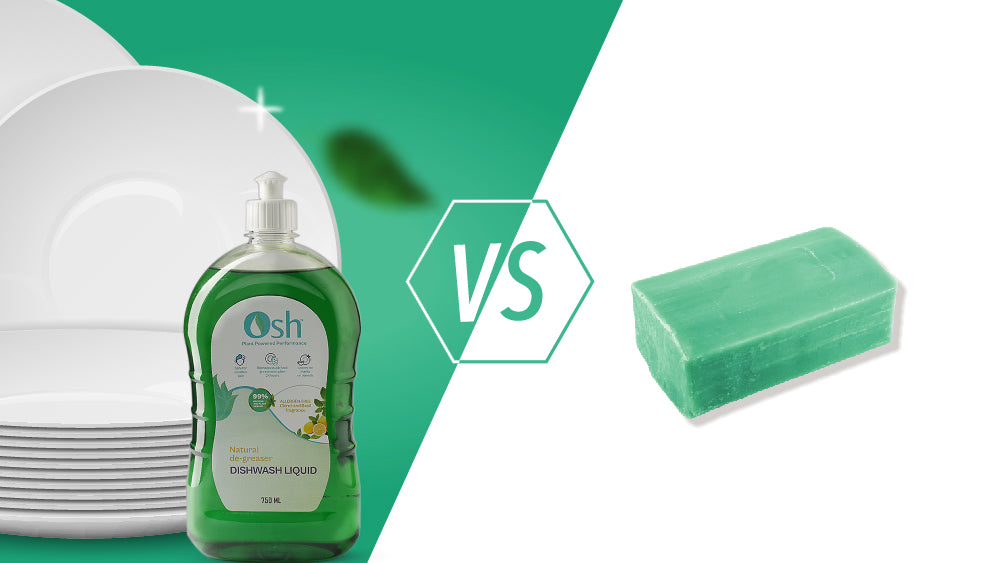
Credit: oshlife.com
Frequently Asked Questions
What Is The Difference Between Dish Soap And Hand Soap?
Dish soap is designed to cut grease and clean dishes, while hand soap is formulated to gently cleanse skin without causing dryness. Dish soap often contains stronger detergents that can irritate skin, whereas hand soap includes moisturizers to protect hands.
Can Dish Soap Be Used As Hand Soap Safely?
Using dish soap for handwashing occasionally is safe but not ideal. It can dry out skin due to harsh detergents. For regular use, hand soap is better as it maintains skin’s natural moisture and prevents irritation.
Is Hand Soap Effective For Cleaning Dishes?
Hand soap is not effective for cleaning greasy dishes. It lacks strong degreasing agents found in dish soap. Using hand soap on dishes may leave residue and not remove food particles well.
Why Does Dish Soap Remove Grease Better Than Hand Soap?
Dish soap contains strong surfactants designed to break down oils and grease quickly. Hand soap has milder cleansers focused on removing dirt and bacteria from skin, not heavy grease.
Conclusion
Dish soap cleans grease and food from dishes well. Hand soap removes dirt and germs from skin. Using the right soap keeps hands and dishes clean. Dish soap can be harsh on skin if used often. Hand soap is gentle and made for skin care.
Choose soap based on the task you need. Keep both soaps handy for different cleaning jobs. Simple choices help keep your home healthy and fresh.