Last Updated on December 17, 2025
Are you tired of struggling with dull knives that make cooking frustrating and slow? Imagine slicing through your favorite ingredients smoothly and effortlessly every time.
Sharpening a knife doesn’t have to be complicated or take up your whole day. In fact, there’s an easy way to bring your knife back to life, making your kitchen tasks quicker and more enjoyable. Keep reading to discover the simplest method to sharpen your knife that you can do right at home—no special skills or expensive tools needed.
Your hands will thank you, and your meals will taste better too!
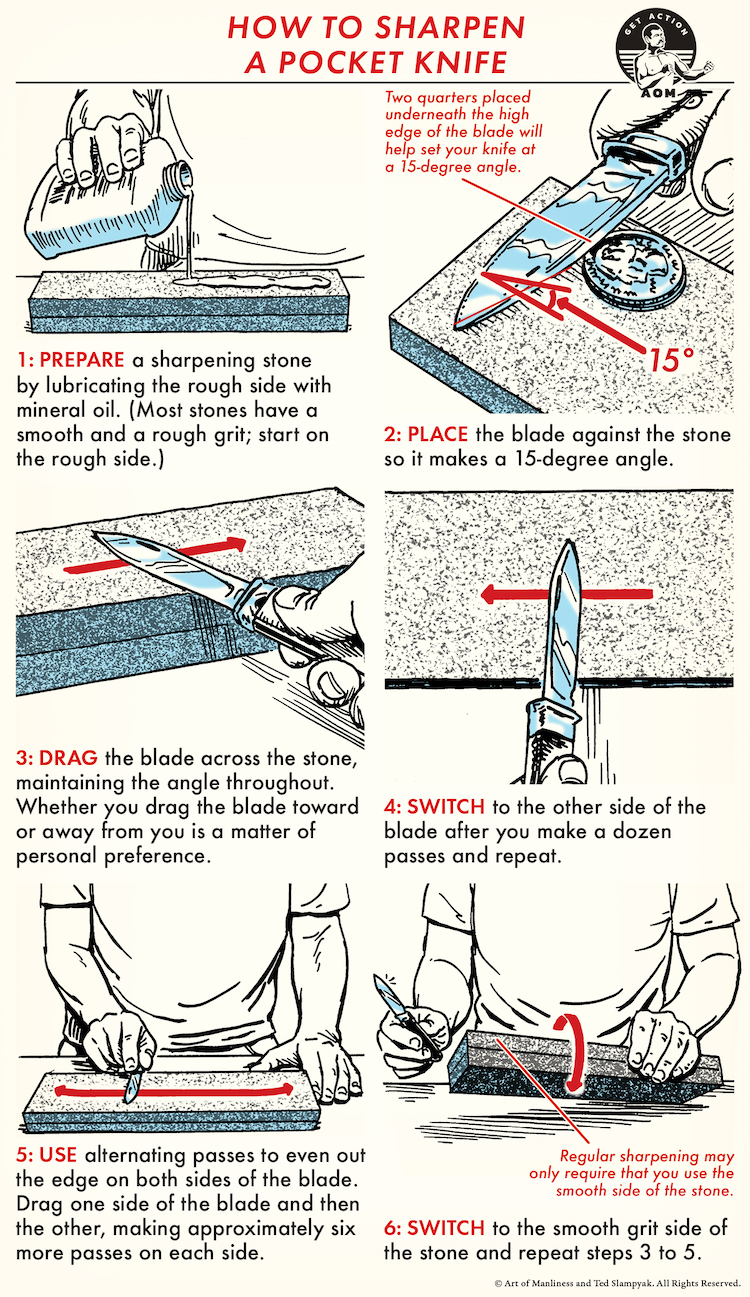
Credit: www.artofmanliness.com
Choosing The Right Sharpener
Choosing the right sharpener is key to keeping knives sharp and safe. Different sharpeners suit different needs. Some are easy and quick. Others offer more control and precision. Understanding each type helps you pick the best tool for your kitchen.
Manual Vs Electric Options
Manual sharpeners require hand effort and skill. They let you control the angle and pressure. These sharpeners are affordable and portable. Electric sharpeners work fast and need less effort. They have preset angles for consistency. Some models have multiple stages for coarse and fine sharpening.
Whetstone Basics
A whetstone is a flat stone with a rough surface. It sharpens blades by grinding and polishing edges. Whetstones come in different grits from coarse to fine. Coarse grit fixes chips and dull blades. Fine grit smooths and polishes the edge. Using a whetstone takes practice and patience.
Sharpening Rods Explained
Sharpening rods, or honing rods, realign blade edges. They don’t remove much metal. These rods are good for quick touch-ups. Made from steel, ceramic, or diamond-coated materials. Steel rods are common and affordable. Ceramic and diamond rods offer finer results. Use them regularly to maintain sharpness.
Preparing Your Knife
Preparing your knife is the first step in sharpening it effectively. A clean and well-checked blade makes the sharpening process smoother. It helps you see the blade’s true condition.
Taking time to prepare your knife protects it and improves the sharpening result. Careful preparation saves effort later.
Cleaning Before Sharpening
Remove any dirt or food from the knife. Use warm water and mild soap. Dry the blade carefully with a soft cloth. A clean blade prevents damage during sharpening. It also helps the sharpener work better.
Checking Blade Condition
Look closely at the knife’s edge. Check for chips, rust, or deep scratches. Small problems need gentle handling. Large damage may require professional repair. Knowing the blade’s state guides your sharpening approach.
Step-by-step Sharpening Process
Sharpening a knife is simple once you follow clear steps. A sharp knife cuts better and is safer to use. This guide breaks down the sharpening process into easy parts. Choose the best tool for you and get started.
Setting The Correct Angle
Hold the knife at a steady angle to the sharpening surface. Most knives need about 20 degrees. Keep this angle consistent while sharpening. It helps the blade get sharp and last longer. Use a guide or practice to find the right angle.
Using A Whetstone
Soak the whetstone in water for 5 to 10 minutes. Place the stone on a flat surface. Slide the blade across the stone, keeping the angle steady. Sharpen both sides evenly. Start with the coarse side, then use the fine side for smoothness.
Using A Sharpening Rod
Hold the rod vertically with the tip on a stable surface. Draw the knife down the rod, from heel to tip. Keep the angle steady as you pull the blade. Repeat on both sides about 5 to 10 times. This method hones the edge quickly.
Using An Electric Sharpener
Turn on the sharpener and place the blade in the slot. Pull the knife slowly through the sharpener. Let the machine do the work. Repeat a few times to sharpen both sides. Clean the knife after sharpening to remove metal dust.
Maintaining Your Sharp Edge
Keeping your knife sharp is important for safety and ease of use. A sharp knife cuts cleanly and requires less force. This reduces the chance of slipping and injuries. Regular maintenance keeps the edge sharp longer. It also saves time and effort in the kitchen.
Honing Vs Sharpening
Honing and sharpening are not the same. Honing straightens the blade’s edge. It does not remove metal. Use a honing rod often to keep the edge aligned. Sharpening removes metal to create a new edge. Use a whetstone or sharpener when the blade is dull. Hone the knife before or after sharpening for best results.
Regular Care Tips
Clean your knife after every use. Hand wash with warm, soapy water. Dry it immediately to stop rust. Store knives safely in a block or on a magnetic strip. Avoid cutting on hard surfaces like glass or stone. Use wood or plastic cutting boards instead. Regularly hone the blade to maintain its sharpness. Sharpen your knife only when it feels dull.
Safety Tips During Sharpening
Sharpening a knife can be quick and easy. Safety is very important during this task. Taking simple steps helps avoid accidents. A sharp knife is safer than a dull one, but only if you sharpen it carefully. Follow these safety tips for the best results.
Protecting Your Hands
Always keep your fingers away from the blade’s edge. Use a firm grip on the knife handle. Wearing cut-resistant gloves adds extra protection. Move the knife slowly and carefully. Never rush the sharpening process. Sharp blades can easily cut skin if you slip.
Working On Stable Surfaces
Use a flat, steady surface to sharpen your knife. A wobbly table or countertop can cause slips. Place a damp cloth under the sharpening tool to stop movement. Make sure the area is well-lit to see clearly. Keeping the knife steady reduces the risk of injury. Stability helps you control the sharpening angle better.

Credit: www.youtube.com
Common Mistakes To Avoid
Sharpening a knife seems simple but many make mistakes. These errors can damage the blade or make sharpening harder. Avoiding common mistakes saves time and keeps your knife sharp longer. Knowing what to avoid helps you get better results quickly.
Over-sharpening
Sharpening too often wears down the blade. It removes too much metal and weakens the knife. A dull knife needs sharpening, but don’t do it every day. Check the blade’s edge before you sharpen. Stop once the knife feels sharp enough.
Using Incorrect Angles
Holding the knife at the wrong angle can ruin the edge. The blade needs a consistent angle to sharpen well. Most knives sharpen best at 15 to 20 degrees. Use a guide or practice keeping the angle steady. Changing the angle makes the edge uneven and dull faster.
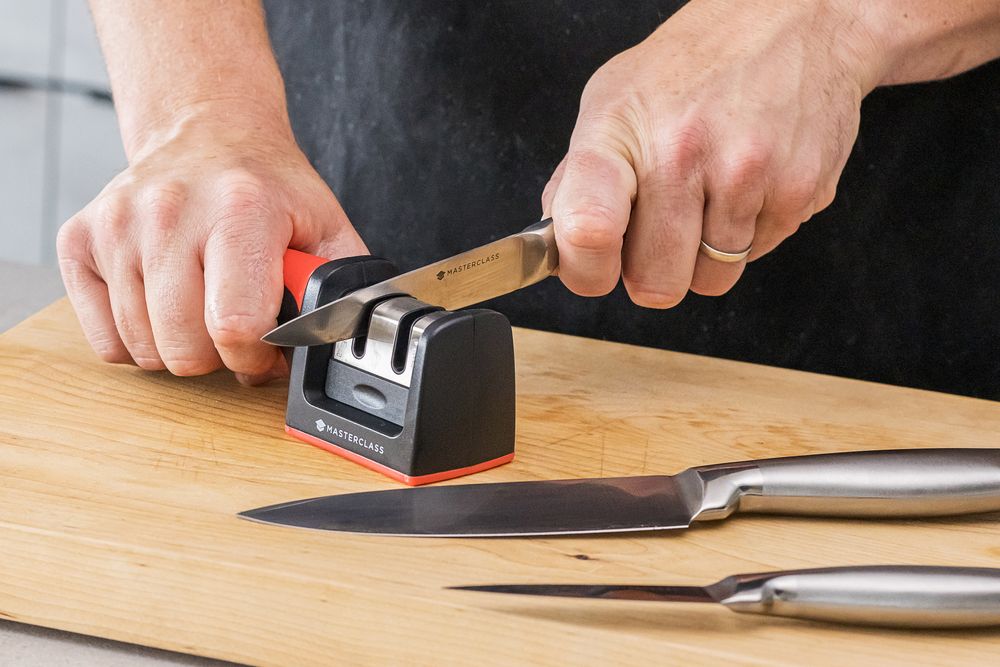
Credit: www.cookserveenjoy.com
Frequently Asked Questions
How Do I Sharpen A Knife Quickly At Home?
Use a sharpening stone or honing rod for quick results. Hold the blade at a 20-degree angle and slide it across the stone evenly. Repeat on both sides until sharp. Finish with a honing rod to align the edge.
What’s The Best Tool For Sharpening Knives?
A whetstone is the best tool for sharp, precise edges. It allows control over angle and pressure. Alternatives include sharpening rods and electric sharpeners, but whetstones provide superior, professional results.
How Often Should I Sharpen My Kitchen Knives?
Sharpen kitchen knives every 3 to 6 months for optimal performance. Frequent honing can maintain the edge between sharpenings. Frequency depends on knife use and blade quality.
Can I Sharpen A Knife Without Special Tools?
Yes, use common household items like ceramic mugs or leather belts. Rub the knife edge against the rough surface at a consistent angle. This method works for minor touch-ups but not for dull blades.
Conclusion
Sharpening a knife does not have to be hard or time-consuming. With the right tools and simple steps, anyone can do it at home. Keep your knife sharp to cut safely and easily every day. Regular sharpening saves money and keeps your kitchen tools ready to use.
Try these easy methods and see the difference yourself. A sharp knife makes cooking more fun and efficient. Take care of your knives, and they will last longer. Simple, quick, and effective—sharpening your knife is within your reach.