Last Updated on January 11, 2026
Are you searching for versatile and practical Egg Alternatives for Vegetarians? In the world of plant-based eating, discovering delicious and nutritious options to replace eggs is key for many home cooks and bakers.
Finding the right egg substitute can be tricky. Whether you’re baking, cooking, or simply eating, eggs play a key role. They add texture, flavor, and nutrition. But for vegetarians, there are plenty of options available. These alternatives can provide the same benefits without using eggs.
This comprehensive guide will explore the best egg substitutes for baking and cooking, ensuring your dishes remain flavorful and structurally sound. From natural ingredients like flaxseed and tofu to innovative commercial vegan egg options, learn how to seamlessly incorporate these alternatives into your favorite recipes and elevate your vegetarian culinary journey.
Table of Contents

Plant-based Egg Alternatives for Vegetarians
For those who follow a vegetarian diet, finding the right egg alternative can be a challenge. Plant-based egg substitutes provide a variety of options that mimic the texture and taste of eggs. These substitutes are not only nutritious but also easy to use in many recipes. Let’s explore some popular plant-based egg substitutes that can enhance your culinary creations.
Chickpea Flour
Chickpea flour is a versatile egg substitute. It is rich in protein and fiber. Mix chickpea flour with water to form a batter. This mixture can be used in baking or to make savory dishes. Chickpea flour has a mild flavor, which blends well with other ingredients.
For a quick scramble, combine chickpea flour with water and spices. Cook the mixture in a pan until it thickens. This provides a texture similar to scrambled eggs. You can also use it to make vegan omelets. Add vegetables and seasonings for extra flavor.
Tofu Scramble
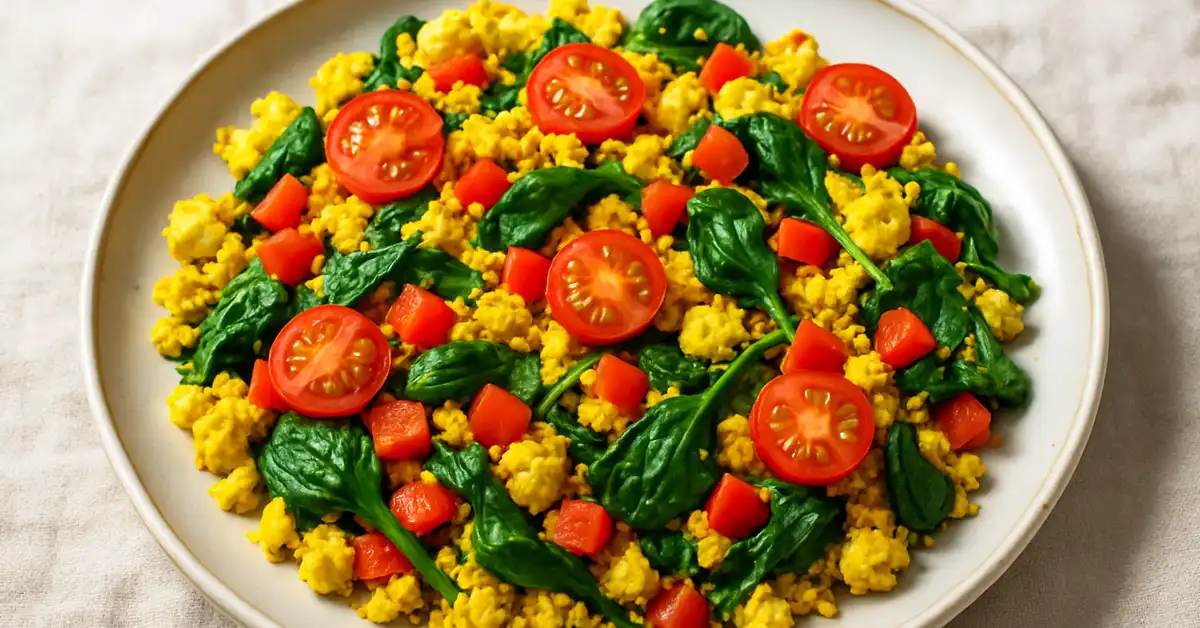
Tofu scramble is a popular egg alternative. It is high in protein and has a firm texture. Crumble firm tofu and cook it in a pan with your favorite spices. This creates a dish similar to scrambled eggs. Tofu easily absorbs flavors, making it a versatile option.
Add turmeric for a yellow color. This makes the tofu resemble eggs. Include vegetables like spinach, tomatoes, and bell peppers. This adds nutrients and enhances the taste. Tofu scramble is easy to prepare and can be customized to suit your preferences.
Fruits And Vegetables
Discovering egg alternatives can be exciting for vegetarians. Fruits and vegetables provide excellent substitutes. These options are not just nutritious. They also bring unique flavors and textures to your recipes. Let’s explore two popular choices: bananas and pumpkins.
Banana
Bananas make a fantastic egg substitute. They are rich in moisture and natural sweetness. Mashed bananas can replace eggs in baking recipes. Use one ripe banana to replace one egg. They are perfect for cakes, muffins, and cookies. Bananas also add a delightful fruity flavor. Their creamy texture enhances baked goods.
Pumpkin
Pumpkin is another great egg alternative. It is packed with vitamins and fiber. Use pumpkin puree in place of eggs. For each egg, use 1/4 cup of pumpkin puree. It works well in breads, cakes, and cookies. Pumpkin adds a subtle sweetness and moisture. It also gives a beautiful color to your dishes.
Commercial Egg Alternatives for Vegetarians
For vegetarians, finding a suitable egg alternative can sometimes feel like searching for a needle in a haystack. Fortunately, the market has responded to this need with various commercial egg replacers. These products are designed to mimic the binding, leavening, and moisturizing properties of eggs in recipes. Let’s dive into two popular types of commercial egg replacers: powdered mixes and liquid replacers.
Powdered Mixes
Powdered egg replacers are a staple for many vegetarian kitchens. They usually come in easy-to-store packets or containers. Simply mix them with water, and voila, you’ve got a perfect egg substitute! Some popular brands include Bob’s Red Mill and Ener-G.
- Bob’s Red Mill: Known for its versatility, this brand offers a mix that works wonders in baking. It’s gluten-free and made from potato starch, tapioca flour, and leavening agents.
- Ener-G: This classic egg replacer is a blend of potato starch and tapioca flour. It’s great for binding and works well in cakes and cookies.
Using powdered mixes is straightforward. Measure the required amount, mix with water, and add to your recipe. It’s like magic without the rabbit!
Liquid Replacers
Liquid egg replacers are another fantastic option. These come ready to use and are perfect for those who prefer convenience. Some brands even offer products that can be scrambled or used in omelets.
- JUST Egg: This revolutionary product is made from mung beans and offers a texture and taste incredibly close to real eggs. It’s perfect for scrambles and quiches.
- Vegg: Made from nutritional yeast and natural flavorings, this liquid replacer can be used in baking and cooking alike.
Liquid replacers are as simple as they get. Shake the bottle, measure the required amount, and pour it into your recipe. It’s almost like having eggs without the clucking!
So, whether you’re a seasoned vegetarian or just dipping your toes into a plant-based diet, commercial egg replacers offer convenience and versatility to your culinary adventures. Have you tried these egg replacers? What’s your favorite brand? Let us know in the comments below!
Legumes And Pulses
If you’re a vegetarian, you might be on the lookout for nutritious egg alternatives. One great option comes from the family of legumes and pulses. These tiny powerhouses are not only packed with protein, but they also offer a host of other health benefits. From lentils to mung beans, let’s dive into how these versatile ingredients can replace eggs in your diet.
Lentils
Let’s talk about lentils. These little gems are incredibly versatile and come in a variety of colors—green, brown, red, and black. Lentils are not just a staple in many vegetarian kitchens, but they are also a fantastic source of protein and fiber. You can use them in soups, stews, or even make a delicious lentil loaf. Cooking lentils is a breeze—they cook quickly and don’t require soaking, making them a convenient choice for busy days.
Here’s a simple table highlighting the nutritional benefits of lentils:
| Nutrient | Per 100g |
|---|---|
| Protein | 9g |
| Fiber | 8g |
| Iron | 3.3mg |
So, how can you use lentils as an egg substitute? Try blending cooked lentils to create a paste. This paste can be used in baking to help bind ingredients together, much like eggs do. It’s an easy swap that brings a nutty flavor and a hearty texture to your dishes.
Mung Beans
Next up, mung beans. These beans might be small, but they pack a punch when it comes to nutrition. Mung beans are rich in protein, fiber, and essential vitamins. They are also known for their digestive benefits, making them a great choice for those looking to boost their gut health.
Mung beans can be used in a variety of ways. One popular method is to make mung bean “eggs.” Yes, you heard that right! By blending soaked mung beans with water and then cooking the mixture in a pan, you can create a scramble that looks and tastes surprisingly similar to scrambled eggs. Add a pinch of turmeric for that signature yellow color and season with your favorite spices.
Here’s a quick and easy mung bean egg recipe:
- Soak 1 cup of mung beans overnight.
- Drain and rinse the beans.
- Blend the beans with 2 cups of water until smooth.
- Pour the mixture into a hot pan with a little oil.
- Cook like you would scrambled eggs, stirring occasionally.
- Season with salt, pepper, and turmeric.
And there you have it—an egg alternative that’s both nutritious and delicious. So, the next time you’re in the kitchen, why not give legumes and pulses a try? They might just become your new favorite egg substitute.
Seeds And Nuts
Finding the perfect egg substitute can be a challenge for vegetarians. However, seeds and nuts come to the rescue! These tiny powerhouses are not only packed with nutrients, but they also serve as excellent egg replacements in various recipes. Let’s explore two popular options: chia seeds and flaxseeds.
Chia Seeds
Chia seeds are a fantastic egg alternative. They are rich in omega-3 fatty acids, fiber, and protein. Plus, they’re super easy to use! Here’s how you can make a chia egg:
- Take 1 tablespoon of chia seeds.
- Add 2.5 tablespoons of water.
- Stir and let it sit for 5-10 minutes.
- The mixture will turn gel-like, similar to an egg.
Use this chia egg in baking recipes like cookies, cakes, and muffins. It’s a simple swap that makes a big difference. I remember when I first tried it in my chocolate chip cookies; my friends couldn’t even tell the difference! Who knew that such a small seed could pack such a punch?
Flaxseeds
Flaxseeds are another excellent egg replacement. They are high in fiber and contain essential nutrients like magnesium and vitamin B1. Making a flax egg is just as easy as making a chia egg:
- Take 1 tablespoon of ground flaxseeds.
- Add 3 tablespoons of water.
- Mix well and let it sit for 5-10 minutes.
- The mixture will become thick and gooey.
This flax egg is perfect for binding ingredients in recipes like pancakes and brownies. I once made vegan pancakes using flax eggs, and they turned out fluffy and delicious. A real hit at the breakfast table!
| Seed | Water | Rest Time |
|---|---|---|
| Chia Seeds | 2.5 tablespoons | 5-10 minutes |
| Flaxseeds | 3 tablespoons | 5-10 minutes |
In conclusion, both chia seeds and flaxseeds are excellent egg alternatives for vegetarians. They are nutritious, easy to use, and work well in a variety of recipes. So next time you’re in the kitchen, give these seeds a try. You might find your new favorite ingredient!

Grains And Starches
Finding the perfect egg substitute for your vegetarian meals can be a bit of a challenge. However, grains and starches offer fantastic alternatives. They provide the right texture and binding properties needed for various dishes. Let’s dive into some of the most effective ones: oats and cornstarch.
Oats
Oats are a versatile and nutritious choice for replacing eggs. They are perfect for baking, adding moisture and structure to your recipes. You can easily make an oat-based egg substitute by mixing:
| Ingredient | Quantity |
|---|---|
| Oat Flour | 1 tablespoon |
| Water | 2 tablespoons |
Combine these ingredients to create a paste, and voilà, you’ve got a simple egg replacement! Oats not only bind your ingredients together but also add a subtle, wholesome flavor. Think about how delicious oat-based pancakes can be!
Cornstarch
Cornstarch is another excellent option for replacing eggs, particularly in baking. It’s a common pantry staple that works wonders in providing the necessary binding and thickening properties. To use cornstarch as an egg substitute, mix:
- 1 tablespoon of cornstarch
- 3 tablespoons of water
This mixture acts as an effective binder, perfect for cakes, cookies, and even savory dishes like veggie patties. It’s like a secret weapon in your kitchen arsenal, ensuring your recipes turn out just right without the need for eggs.
So, whether you’re whipping up a batch of cookies or creating a hearty veggie burger, don’t overlook the power of grains and starches. They might just become your new kitchen heroes!
Dairy Alternatives
Vegetarians often seek alternatives to eggs for various reasons. Dairy alternatives can be a great option. They are versatile and can add unique textures and flavors to recipes. Let’s explore some popular dairy alternatives that vegetarians can use as egg substitutes.
Yogurt
Yogurt is a popular dairy alternative to eggs. It works well in baking recipes. Use plain yogurt to avoid altering the taste of your dish. Substitute one-fourth cup of yogurt for one egg. It adds moisture and helps bind ingredients. Yogurt is also rich in probiotics, making it a healthy choice.
Buttermilk
Buttermilk is another dairy alternative that can replace eggs. It is slightly tangy and can enhance the flavor of your recipes. Use one-fourth cup of buttermilk to replace one egg. It helps make baked goods fluffy and moist. Buttermilk also contains beneficial bacteria, which can aid digestion.
Culinary Applications
Eggs play a significant role in many culinary creations. For vegetarians, finding the right egg substitute is crucial. This section explores various egg alternatives in baking and cooking. Each method will offer unique benefits, making it easier to choose the right one for your needs.
Baking
Baking without eggs can be challenging. But there are excellent egg substitutes along with flour substitutes for baking. Applesauce works well in cakes and muffins. It keeps the texture moist. Use 1/4 cup of applesauce to replace one egg. Another good option is mashed bananas. They add natural sweetness and moisture. Use the same quantity as applesauce. Flaxseed meal is another popular choice. Mix one tablespoon of flaxseed meal with three tablespoons of water. Let it sit for a few minutes. This mixture mimics the consistency of eggs. Good for cookies and brownies. Silken tofu works too. Blend 1/4 cup until smooth. It adds protein and keeps baked goods dense and rich.
Cooking
For cooking, egg substitutes offer versatility. Tofu scrambles mimic scrambled eggs. Crumble firm tofu and cook with vegetables and spices. Kala namak, or black salt, gives it an eggy flavor. Chickpea flour, mixed with water, makes a great omelet base. Use one part chickpea flour to one part water. Season with herbs and spices. Aquafaba, the liquid from canned chickpeas, is another option. It whips up like egg whites. Great for making meringues and mousses. Try making a vegan frittata with vegetables and chickpea flour. Bake until firm and golden brown.
FAQ on Egg alternatives for vegetarians
What Is The Vegetarian Substitute For Eggs?
Vegetarian substitutes for eggs include flaxseeds, chia seeds, applesauce, mashed bananas, and tofu. Use 1 tablespoon of ground flaxseeds or chia seeds mixed with 3 tablespoons of water to replace one egg.
What Is The Best Replacement For An Egg?
The best egg replacements are applesauce, mashed bananas, chia seeds, and flaxseeds. They provide moisture and binding in recipes.
How Do Vegans Replace One Egg?
Vegans replace one egg using ingredients like flaxseed meal, chia seeds, applesauce, mashed bananas, or commercial egg replacers. Mix 1 tablespoon of flaxseed or chia seeds with 3 tablespoons of water to substitute one egg. Use 1/4 cup of applesauce or mashed bananas as alternatives.
What Do Vegans Eat Instead Of Scrambled Eggs?
Vegans eat alternatives like scrambled tofu, chickpea flour scramble, or mung bean-based Just Egg as substitutes for scrambled eggs.
Conclusion
Vegetarian egg alternatives offer diverse choices for cooking and baking. From tofu to chickpea flour, there are plenty of options. Each substitute brings its own texture and taste. Experimenting can lead to delicious discoveries. You don’t need eggs to enjoy great recipes.
Try these alternatives and enjoy new flavors. Eating vegetarian food can be tasty and straightforward. Explore and enjoy the journey of finding your favorite egg substitute. Happy cooking!