Last Updated on March 12, 2026
When it comes to boiling water quickly and easily, you might be wondering which option suits you best: an electric kettle or a stovetop kettle. You want something reliable, fast, and convenient—but how do you choose?
This article will help you understand the key differences between these two kitchen essentials. By the end, you’ll know exactly which one fits your lifestyle and needs, saving you time and frustration. Keep reading to discover which kettle can make your daily routine smoother and more enjoyable.

Credit: www.youtube.com
Boiling Speed Comparison
Boiling water fast is important for many daily tasks. Choosing between an electric kettle and a stovetop depends a lot on how quickly they heat water. This section looks at the boiling speed of both devices.
Electric Kettle Heating Mechanism
Electric kettles use a built-in electric heating element. This element heats water directly inside the kettle. It transfers heat quickly and efficiently. Most electric kettles boil water in about 3 to 5 minutes. The closed design traps heat, speeding up the process.
Stovetop Boiling Process
Stovetop kettles rely on heat from a gas or electric burner. Heat passes through the kettle’s base to warm the water. The metal surface heats first, then transfers heat to the water. Boiling time varies but often takes 5 to 10 minutes. Heat loss to the air can slow the boiling.
Factors Affecting Boiling Time
The amount of water changes boiling time. More water means longer heating. The material of the kettle also matters. Thin metal heats faster than thick metal. The power of the heat source impacts speed too. Stronger burners or higher wattage heat water quicker. Temperature of the water at start can add or reduce time.
Energy Efficiency
Energy efficiency matters when choosing how to boil water. It affects both the environment and your bills. Knowing which method uses less power helps you save money and reduce waste.
Electric kettles and stovetops use energy differently. Understanding their power use can guide your choice.
Power Consumption Of Electric Kettles
Electric kettles use a heating element inside to boil water fast. They usually consume between 1200 to 3000 watts. The design focuses heat directly on the water, reducing energy loss.
Most electric kettles boil water in 3 to 5 minutes. This quick heating uses less energy overall compared to slower methods.
Energy Use On Stovetops
Stovetops heat pots from below, often losing heat to the air. Gas stoves use natural gas, which burns continuously. Electric stoves heat coils that transfer heat less efficiently than kettles.
Boiling water on a stovetop usually takes longer. The extra time means more energy use. Heat escapes around the pot, wasting energy.
Cost Implications Of Each Method
Electric kettles cost more upfront but save energy and money over time. They use electricity efficiently and boil water quickly. This lowers your electric bill slightly.
Stovetops are cheaper to buy but may increase gas or electric bills. They waste more energy during boiling. Over time, this adds to your household costs.
Convenience And Usability
Choosing between an electric kettle and a stovetop kettle often depends on convenience and usability. Both have unique benefits. Understanding these can help you pick the best option for your daily needs. This section breaks down key factors like ease of use, portability, and safety features.
Ease Of Use
Electric kettles heat water quickly with the push of a button. They often have automatic shut-off, so no need to watch the kettle. Stovetop kettles require a stove and manual attention. You must turn off the heat once the water boils. Electric kettles offer more simplicity for fast boiling.
Portability And Space
Stovetop kettles do not need electricity, making them great for camping or power outages. They can be bulky and need stove space. Electric kettles need a power outlet but are usually compact. They fit well in small kitchens and dorm rooms. Each type suits different living situations.
Safety Features
Electric kettles usually have auto shut-off and boil-dry protection. These features prevent accidents and damage. Stovetop kettles can whistle when water boils, warning you. They do not turn off automatically, so care is needed. Electric kettles offer more built-in safety for busy households.
Environmental Impact
The choice between an electric kettle and a stovetop kettle affects the environment. Each option uses energy differently and creates a unique impact. Understanding this impact helps you make better decisions. It also shows how daily habits influence the planet.
Carbon Footprint Of Electric Kettles
Electric kettles use electricity to heat water quickly. The carbon footprint depends on the electricity source. Renewable energy reduces emissions a lot. Coal or gas power increases pollution. Electric kettles are often more efficient than stovetops. They waste less energy by heating only the water needed. This efficiency lowers the total carbon output.
Environmental Costs Of Stovetop Use
Stovetop kettles use gas or electric stoves to boil water. Gas stoves burn fossil fuels, releasing carbon dioxide directly. This adds to greenhouse gas emissions. Electric stoves share similar issues with electric kettles. But they tend to be less efficient in heating water. Stovetop heating can waste energy by heating the whole burner. This leads to a higher environmental cost over time.
Best Use Cases
Choosing between an electric kettle and a stovetop kettle depends on how you plan to use it. Each has its strengths and fits different needs. Understanding the best use cases helps you pick the right one for your kitchen.
When To Choose An Electric Kettle
Electric kettles heat water very fast. This saves time during busy mornings or quick tea breaks. They often have automatic shut-off features, which add safety. Electric kettles are perfect for small kitchens or offices without a stove. They also allow you to control water temperature for different drinks. Use an electric kettle if speed and convenience matter most to you.
When A Stovetop Is More Suitable
Stovetop kettles work on any heat source, including gas and electric burners. They are ideal for camping or places without electricity. The classic whistle sound alerts you when water is boiling. Stovetop kettles often have a larger capacity for boiling more water at once. Choose a stovetop kettle if you want durability and traditional style in your kitchen.
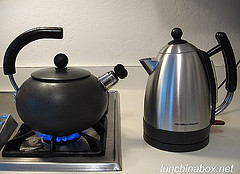
Credit: www.lunchinabox.net
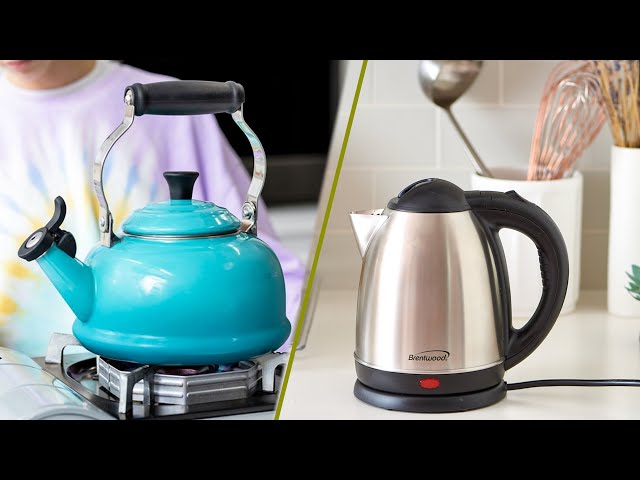
Credit: www.youtube.com
Frequently Asked Questions
What Are The Main Differences Between Electric And Stovetop Kettles?
Electric kettles heat water faster using electricity, while stovetop kettles rely on a stove’s heat. Electric kettles have automatic shut-off features. Stovetop kettles are often more durable and don’t require power. Both have their pros depending on convenience and usage.
Which Kettle Type Is More Energy-efficient?
Electric kettles are generally more energy-efficient. They heat water quickly and directly. Stovetop kettles waste some heat as it disperses around the stove. Electric models use less energy for small amounts of water, making them ideal for quick boiling.
Are Electric Kettles Safer Than Stovetop Kettles?
Yes, electric kettles usually have automatic shut-off and boil-dry protection. Stovetop kettles require manual monitoring and can be a burn risk if left unattended. Electric kettles offer more safety features, especially in busy households or with children.
Can Stovetop Kettles Be Used Without Electricity?
Yes, stovetop kettles work on any heat source, including gas or induction stoves. They don’t need electricity, making them suitable for camping or power outages. Electric kettles require a power source and won’t function without electricity.
Conclusion
Choosing between an electric kettle and a stovetop depends on your needs. Electric kettles heat water faster and offer more convenience. Stovetop kettles work without electricity and have a classic look. Both have pros and cons for everyday use. Think about speed, style, and where you will use it.
Either choice can make boiling water easy and quick. Pick what fits your kitchen and lifestyle best. Simple, practical, and useful tools.