Last Updated on December 4, 2025
Are you craving a tasty, protein-packed snack that’s easy to make at home? Food dehydrator beef jerky might be exactly what you need.
Imagine having control over the flavors, the cuts of meat, and avoiding all the preservatives found in store-bought jerky. With just a few simple steps, you can create delicious, chewy beef jerky that fits your taste perfectly. Keep reading to discover how a food dehydrator can transform your snack game and why making your own beef jerky is easier than you think.
Credit: peopleschoicebeefjerky.com
Choosing The Right Beef
Choosing the right beef is key to making tasty jerky with a food dehydrator. The type of meat affects flavor, texture, and drying time. Picking the best cut and preparing it well gives the best results. Simple steps help you get the perfect jerky every time.
Best Cuts For Jerky
Lean cuts work best for beef jerky. They dry evenly and last longer. Top choices include eye of round, sirloin tip, and flank steak. These cuts have little fat and good texture. Fat can spoil jerky faster and make it chewy.
Selecting Fresh Meat
Freshness is important for safe, tasty jerky. Choose meat with a bright red color and firm feel. Avoid cuts with dark spots or a strong smell. Fresh beef dries better and tastes cleaner. Always buy from a trusted source.
Trimming And Preparing
Trim off all visible fat before slicing. Fat does not dry well and can turn rancid. Cut the meat into thin, even strips. This helps the jerky dry at the same speed. Use a sharp knife for clean cuts and better texture.
Credit: littlehousebigalaska.com
Marinade And Seasoning Tips
Marinade and seasoning play a big role in making tasty beef jerky. They add flavor and help keep the meat juicy. A good marinade can make your jerky stand out. It is important to choose the right ingredients and give the meat enough time to soak up the flavors.
Basic Marinade Ingredients
Start with soy sauce for saltiness and depth. Add Worcestershire sauce for a rich, savory taste. Brown sugar gives a touch of sweetness. Garlic powder and onion powder boost flavor without overpowering. Black pepper adds a mild kick. These ingredients create a balanced and tasty base.
Flavor Variations
Change flavors by adding spices and herbs. Try smoked paprika for a smoky taste. Add chili flakes for heat. Use honey or maple syrup instead of sugar for a different sweetness. Fresh ginger or lime juice adds brightness. Experiment with different herbs like thyme or rosemary. These changes keep jerky exciting.
Marinating Time
Marinate the meat for at least 4 hours. Overnight marinating gives the best flavor. Avoid marinating too long to keep texture firm. Keep the meat in the fridge during marinating. Stir or turn the meat a few times. This helps the flavors soak in evenly.
Preparing The Meat For Drying
Preparing the meat for drying is a key step in making tasty beef jerky with a food dehydrator. Proper preparation helps the jerky dry evenly and taste great. It also ensures safety and better texture. This section covers slicing techniques, achieving uniform thickness, and important safety precautions.
Slicing Techniques
Cut the beef against the grain. This makes the jerky easier to chew. Use a sharp knife for clean cuts. For best results, partially freeze the meat. This makes slicing thin strips easier and safer. Aim for strips about 1/4 inch thick.
Uniform Thickness
Keep all slices the same thickness. This helps the meat dry evenly. Thicker pieces take longer to dry and may spoil. Thin slices dry faster but can become too brittle. Consistent thickness ensures good texture and flavor throughout.
Safety Precautions
Always use fresh, lean meat without fat. Fat can cause spoilage during drying. Wash hands and utensils before and after handling meat. Use clean cutting boards to avoid bacteria. Marinate the meat in a salty solution to reduce bacteria growth. Store dried jerky in airtight containers to keep it safe.
Using The Food Dehydrator
Using a food dehydrator to make beef jerky is a simple process. It helps remove moisture from the meat. This stops bacteria growth and makes the jerky last longer. The steps are easy to follow for great results every time.
Setting Temperature And Time
Set the dehydrator temperature to 160°F (71°C). This temperature kills harmful bacteria. The drying time usually takes 4 to 8 hours. It depends on the meat thickness and your dehydrator model. Check the manual for exact settings.
Arranging Meat Strips
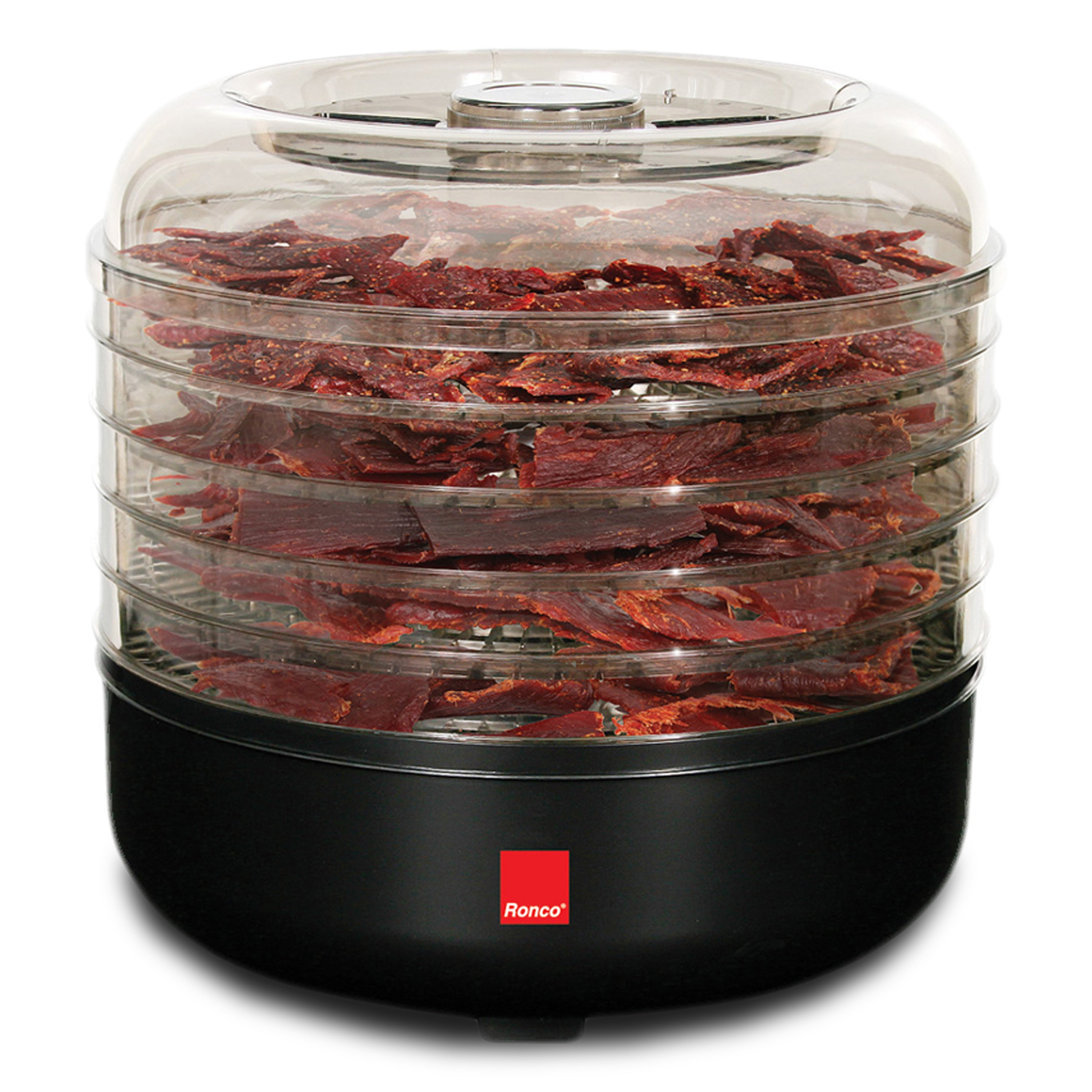
Place the beef strips in a single layer. Avoid overlapping or crowding the trays. Good air flow helps dry the meat evenly. Leave small spaces between strips for air circulation. This prevents soggy or uneven jerky.
Checking For Doneness
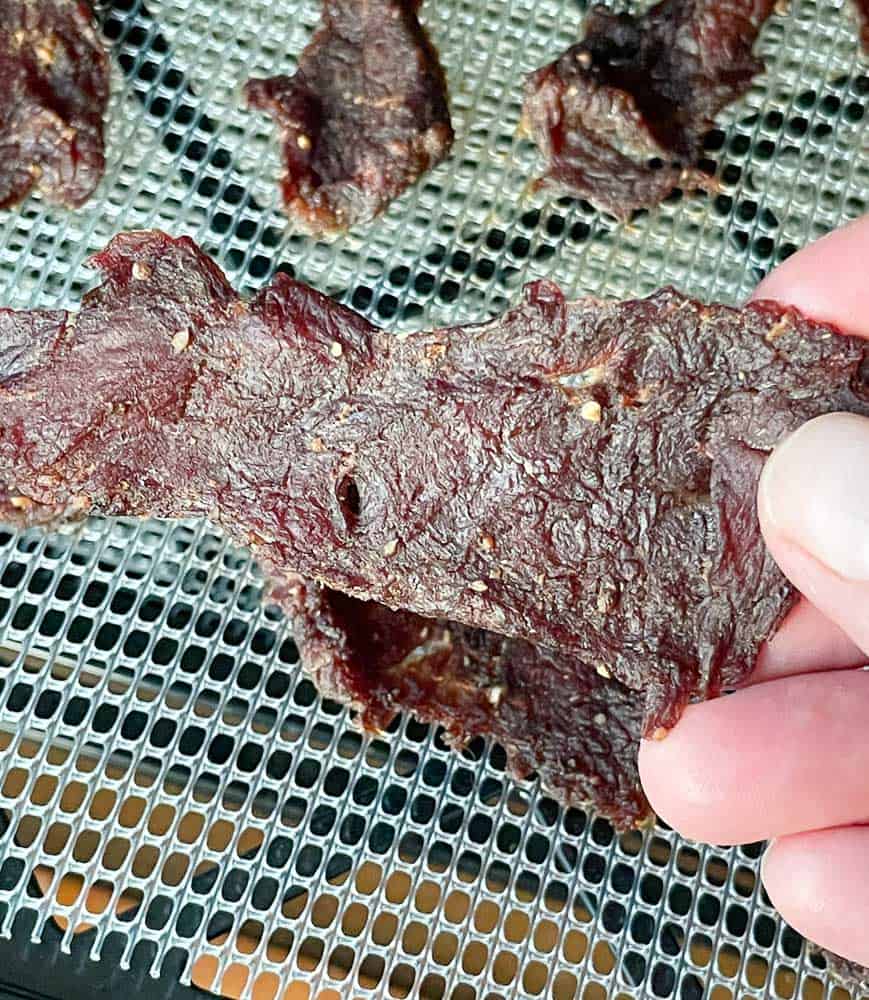
Jerky is done when it feels dry and firm. It should bend without breaking. If it cracks or breaks, it is too dry. Check strips after 4 hours and every 30 minutes. Proper doneness means safe and tasty jerky.
Storage And Shelf Life
Proper storage is key to keeping your beef jerky fresh and tasty. Knowing how long it lasts helps avoid waste. Store it well to keep its flavor and texture.
Proper Packaging
Use airtight containers or resealable bags for packaging. Remove as much air as possible before sealing. Vacuum sealing works best to block moisture and air. Keep the jerky dry to prevent spoilage. Label packages with the date of preparation for easy tracking.
Room Temperature Vs Refrigeration
Store beef jerky in a cool, dry place at room temperature. It can last up to two weeks without refrigeration. For longer storage, keep it in the fridge. Refrigerated jerky can last up to a month. Avoid storing jerky near heat or sunlight to preserve quality.
Extending Freshness
Freeze beef jerky to extend its shelf life to six months. Use airtight freezer bags or vacuum seal before freezing. Thaw jerky slowly in the fridge before eating. Keep jerky away from moisture and humidity during storage. Check jerky for any off smells or mold before use.
Troubleshooting Common Issues
Making beef jerky with a food dehydrator can sometimes bring up small problems. These issues often affect the dryness, texture, or flavor of your jerky. Fixing these problems helps you enjoy tasty, well-made jerky every time. Below are tips to solve the most common issues.
Dryness Problems
Jerky that is too wet may spoil quickly. Check the dehydrator temperature. It should be between 145°F and 160°F. If the temperature is too low, drying takes too long. This leaves the jerky moist. Cut meat slices evenly to ensure they dry at the same rate. Thicker slices take longer and may stay wet inside. After drying, test the jerky by bending it. It should crack but not break. Store jerky in an airtight container only when fully dry.
Texture Concerns
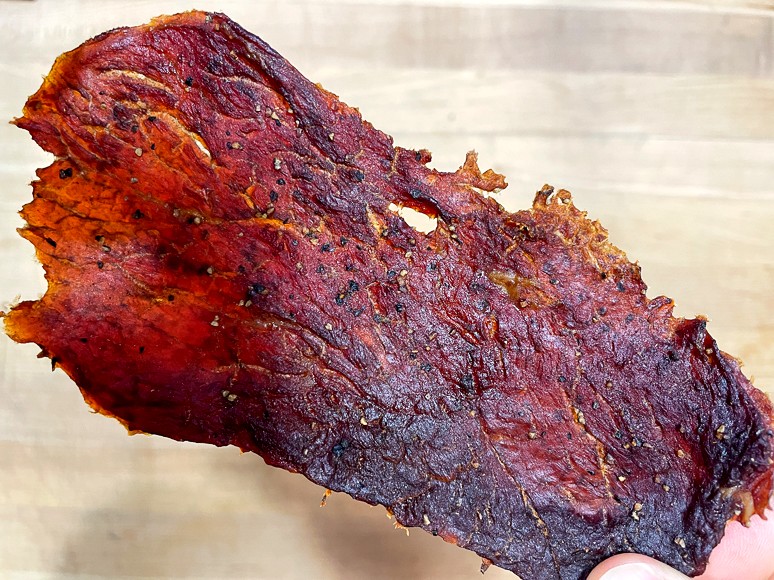
Jerky texture depends on meat cut and drying time. Tough jerky means over-drying or slicing meat too thick. Soft or spongy jerky means under-drying. Use lean meat for better texture. Fat can make jerky chewy or spoil faster. Try slicing meat against the grain for softer jerky. Slicing with the grain creates chewier pieces. Adjust drying time based on slice thickness and meat type. Proper drying results in firm but flexible jerky.
Flavor Adjustments
Flavor can change during drying. Marinades may become too salty or bland. Reduce salt or spices in your marinade if flavor is too strong. For weak flavor, increase marinade time or add more spices. Let meat marinate at least 4 hours for best taste. Try adding smoked paprika, garlic, or pepper for extra flavor. Avoid too much sugar; it can burn during drying. Taste testing small batches helps find the right flavor balance.
Creative Jerky Recipes
Creative jerky recipes bring new life to homemade beef jerky. Using a food dehydrator, you can try many flavors. Different spice mixes and marinades make each batch unique. Experimenting is fun and lets you find your favorite taste.
These recipes work well for snacks, gifts, or outdoor trips. Each style offers a special twist on classic jerky. Here are some ideas to inspire your next batch.
Spicy Jerky Mix
Spicy jerky adds a bold kick to your snack. Use chili powder, cayenne, and black pepper for heat. Garlic and onion powder boost the flavor. A touch of smoked paprika gives a smoky note. Marinate the beef strips well for strong taste. Dry until chewy but not hard. This mix is perfect for those who love spice.
Sweet And Savory Blends
Sweet and savory jerky balances sugar and salt. Brown sugar or honey adds sweetness. Soy sauce or Worcestershire sauce brings saltiness. Add ginger or cinnamon for warmth. This mix creates a rich, tasty jerky. It’s great for people who want mild but interesting flavors. Let the meat soak in the marinade overnight for best results.
Exotic Flavors
Exotic flavors take jerky beyond the usual. Try adding curry powder, cumin, or turmeric. Coconut milk or lime juice can brighten the taste. Fresh herbs like cilantro or mint give freshness. These spices create a unique jerky experience. Perfect for those who enjoy trying new tastes. Use fresh ingredients to get the best flavor.
Health Benefits And Nutritional Info
Beef jerky made with a food dehydrator offers many health benefits. It is a nutritious snack that fits well in a balanced diet. Knowing its nutritional value helps you make better food choices.
Dehydrating beef preserves its nutrients without adding unhealthy ingredients. This process creates a protein-rich snack that supports muscle growth and energy. It also reduces fat content compared to traditional snacks.
Protein Content
Beef jerky is high in protein, vital for body repair and growth. A small serving can provide up to 10 grams of protein. This makes it an excellent snack for active people and those on the go. Protein also helps keep you full longer and supports metabolism.
Low Fat Options
Using lean cuts of beef lowers the fat in your jerky. Dehydrating removes moisture, concentrating nutrients but not fat. Choosing low-fat beef reduces calories and supports heart health. This makes homemade jerky a smart snack compared to fried or processed foods.
Preservative-free Advantages
Homemade beef jerky usually contains no artificial preservatives. This means fewer chemicals and additives in your food. It feels cleaner and healthier to eat. Preservative-free jerky also lasts longer if stored properly, thanks to the dehydration process.
Credit: www.ronco.com
Frequently Asked Questions
What Is The Best Meat For Food Dehydrator Beef Jerky?
Lean cuts like top round, flank steak, and sirloin are ideal. They have less fat, which dries evenly and lasts longer.
How Long Does Beef Jerky Take In A Food Dehydrator?
Beef jerky typically takes 4 to 8 hours to dry. Time varies based on thickness and dehydrator temperature.
Can I Use A Food Dehydrator For Marinated Beef Jerky?
Yes, marinate beef before dehydrating for enhanced flavor. Ensure excess marinade is removed to avoid sogginess.
What Temperature Is Best For Dehydrating Beef Jerky?
Set your dehydrator to 160°F (71°C) to safely dry beef. This temperature kills bacteria and preserves meat well.
Conclusion
Making beef jerky with a food dehydrator is simple and fun. You control the ingredients and flavors. It helps you save money and reduce waste. Homemade jerky stays fresh longer without additives. Try different spices to find your favorite taste.
This method fits busy lifestyles and outdoor adventures. Enjoy tasty, healthy snacks anytime you want. Give it a try and see the difference.