Last Updated on April 1, 2026
Are you stuck without a food mill but need to puree fruits or vegetables smoothly? Don’t worry—you can still get perfect results using simple tools you already have in your kitchen.
Finding the right food mill alternative can save you time, effort, and even money. You’ll discover easy and effective ways to replace a food mill, so your sauces, soups, and baby food turn out just right every time. Keep reading to unlock practical tips that make your cooking easier and more enjoyable.

Credit: greenandcleanmom.org
Why Skip The Food Mill
Choosing the right kitchen tool can save time and effort. A food mill has its uses, but there are reasons to skip it. Some limits and costs make it less ideal for many cooks. Exploring these points helps find better alternatives for your kitchen needs.
Common Uses Of A Food Mill
A food mill is useful for pureeing soft foods like tomatoes and potatoes. It removes seeds and skins, making smooth sauces and soups. Many cooks use it for baby food and jams too. It works well for small batches of mashed vegetables.
Limitations And Costs
Food mills can be bulky and hard to clean. They take up space in small kitchens. Some models are expensive, not worth the cost for occasional use. The hand-crank style needs effort and can tire your hands. Parts may wear out or break over time.
Simple Tools That Work
Simple tools can replace a food mill easily. They save time and effort. These tools are easy to find and use. They help make smooth purees and sauces without much fuss.
Using A Potato Masher
A potato masher is a common kitchen tool. It works well for soft fruits and cooked vegetables. Press down firmly to mash ingredients quickly. It does not make ultra-smooth textures but is great for rustic meals. Clean up is simple and fast.
Strainers And Sieves
Strainers and sieves help remove seeds and skins. They create smooth sauces and purees. Use a spoon or spatula to push food through the mesh. This method takes a little patience but works well. These tools are lightweight and easy to store.
Blenders And Food Processors
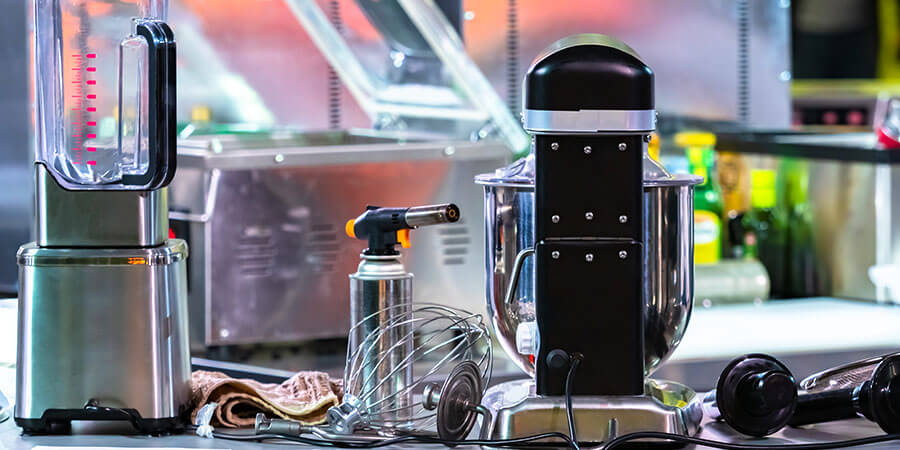
Blenders and food processors blend foods into fine textures. They handle large quantities fast. Control the speed for different consistencies. They work well for soups, sauces, and baby food. These machines need electricity but save time and effort.
Creative Diy Solutions
Creative DIY solutions can save you money and time in the kitchen. You do not always need a food mill to prepare smooth sauces or purees. Many common kitchen tools can work as good alternatives.
These ideas are easy to try at home. They use items you already have. This way, you avoid extra costs and clutter.
Repurposing Kitchen Utensils
A fine mesh strainer can replace a food mill well. Press cooked vegetables through it with a spoon. The soft parts slip through, leaving skins and seeds behind.
Another option is a potato masher combined with a sieve. Mash the food first, then push it through the sieve. This method works for soft fruits and cooked veggies.
You can also try a blender or food processor. Pulse gently to avoid over-processing. Then, strain the mixture to remove lumps or seeds.
Crafting A Homemade Mill
Make a simple mill using a large bowl and a wooden spoon. Place cooked food in the bowl and stir vigorously. Use a sieve to separate smooth pulp from solids.
Another DIY mill uses a sturdy wire mesh and a round frame. Stretch the mesh tightly over the frame. Push the cooked food through the mesh with a spoon or spatula.
These homemade tools work best for soft foods. They require some effort but can produce great results without special equipment.
Step-by-step Hacks
Using a food mill alternative can simplify your kitchen tasks. These step-by-step hacks help you make smooth purees and sauces easily. No special tools needed. Just common kitchen items and simple methods.
Smooth Purees Without A Mill
Boil or steam your vegetables or fruits until soft. Use a fine mesh sieve or strainer to press the food. A spoon or spatula works well for this. Push the food through slowly to avoid lumps.
A blender or food processor can also puree food smoothly. Add small amounts of liquid to help blend evenly. Pulse the machine instead of running it continuously. This prevents over-processing and keeps texture nice.
Effortless Sauce Preparation
Start by chopping ingredients finely for faster cooking. Cook them in a pan with a little oil or butter. Stir often to avoid burning. Use a fork or potato masher to crush cooked ingredients.
For a smoother sauce, strain it through a sieve. Press gently to remove seeds and skin. Adjust thickness by adding water, broth, or cream. Heat again to mix everything well.
Tips For Best Results
Getting the best results from your food mill alternative takes a few smart steps. These tips help you achieve smooth textures and easy cleanup. Follow simple advice to enjoy your cooking experience more.
Choosing The Right Texture
Select the correct texture setting or tool for your recipe. Coarser textures work well for chunky sauces or soups. Fine textures fit purees and baby food better. Test small amounts first to check the consistency. Adjust pressure and speed to match the food type. Soft vegetables need gentle pressing to avoid mushiness.
Cleaning And Maintenance
Clean your food mill alternative right after use. Rinse parts with warm water to remove food residue. Use a soft brush to clear small holes or blades. Dry all parts thoroughly to prevent rust or damage. Store in a dry place to keep it in good shape. Regular care extends the life of your kitchen tool.
Credit: www.gofoodservice.com
When To Invest In A Food Mill
Choosing the right kitchen tools can save time and effort. A food mill is one such tool that helps prepare smooth sauces, soups, and purees. Knowing when to invest in a food mill makes cooking easier and more enjoyable.
Identifying Frequent Needs
Cooking fresh meals often means handling fruits and vegetables. A food mill helps remove seeds and skins without electric power. If recipes like tomato sauce, baby food, or mashed potatoes appear regularly, a food mill is useful. It speeds up preparation and improves texture. Spotting these frequent needs shows the food mill’s value.
Balancing Cost And Convenience
Food mills vary in price from budget to premium models. Consider how often it will be used before buying. A cheaper food mill may suit occasional cooks. Frequent cooks might prefer durable, easy-to-clean options. The right balance between cost and convenience saves money and effort. This ensures the food mill becomes a helpful kitchen tool.

Credit: www.youtube.com
Frequently Asked Questions
What Is The Best Food Mill Alternative?
A potato ricer or fine mesh sieve works well as a food mill alternative. These tools puree food smoothly and remove seeds or skins effectively.
Can A Blender Replace A Food Mill?
Yes, a blender can replace a food mill for pureeing. However, it may not remove seeds or skins as efficiently.
How To Use A Colander Instead Of A Food Mill?
Press cooked food through a fine mesh colander with a spoon or spatula. This helps remove skins and seeds, similar to a food mill.
Are Manual Or Electric Alternatives Better Than A Food Mill?
Manual tools like potato ricers offer better texture control. Electric blenders are faster but may over-process food compared to a food mill.
Conclusion
Choosing the right food mill alternative depends on your needs. Manual options like sieves and strainers work well for soft foods. Electric blenders and processors save time but need care. Simple tools can create smooth textures without extra cost. Try different methods to find what suits you best.
Good results come from using the right tool for each recipe. Enjoy cooking with what you have and keep experimenting.