Last Updated on April 2, 2026
Are you thinking about getting a food processor but aren’t sure if it’s the right choice for your kitchen? You’re not alone.
A food processor can save you time and effort, making meal prep faster and easier. But like any appliance, it has its downsides that might affect how often you actually use it. Understanding the advantages and disadvantages will help you decide if a food processor fits your cooking style and needs.
Keep reading to discover what you should know before making this important kitchen investment.

Credit: www.researchgate.net
Benefits Of Food Processors
Food processors bring many benefits to the kitchen. They simplify cooking and save time. Many tasks become easier and faster. These machines help both beginners and experienced cooks. They make food preparation more consistent and efficient.
Time-saving Features
Food processors chop, slice, and dice quickly. They cut down food prep from minutes to seconds. You spend less time on boring, repetitive tasks. This leaves more time to enjoy cooking and eating. Meal preparation becomes faster and less tiring.
Versatility In Cooking
One device handles many kitchen jobs. It can mix dough, shred vegetables, or grind nuts. Different blades and settings let you try new recipes. The food processor adapts to many cooking styles. It replaces several tools, saving space and money.
Consistent Food Preparation
Food processors deliver even chopping and mixing every time. This consistency improves the taste and texture of meals. No uneven pieces or lumps in sauces. It helps keep dishes professional and well-prepared. The result is always neat and uniform.
Ease Of Use And Cleaning
Most food processors have simple buttons and clear instructions. They are easy to operate for all ages. Many parts are dishwasher safe for quick cleaning. This ease encourages regular use without hassle. Cleaning is fast, so the kitchen stays tidy.
Common Drawbacks
Food processors offer many benefits but also come with some common drawbacks. These issues can affect your experience and kitchen space. Understanding these limits helps you decide if a food processor fits your needs.
Noise And Size Considerations
Food processors can be quite noisy during operation. The loud sound may disturb others at home. Some models have stronger motors, which create more noise.
These appliances also take up significant counter space. Their large size makes storage difficult in small kitchens. You might need to clear space before using them.
Cost And Maintenance
Food processors often come with a higher price tag. Quality models can be expensive for many buyers. Replacement parts and accessories add to the overall cost.
Cleaning requires effort and time. Many parts must be washed separately. Some blades are sharp and need careful handling to avoid injury.
Limitations With Certain Ingredients
Food processors may struggle with very hard items. Nuts and tough vegetables can dull blades quickly. Some models are not ideal for wet or sticky dough.
They also do not work well with very small quantities. Processing a little food may be inefficient and wasteful. Certain tasks still require manual tools for best results.
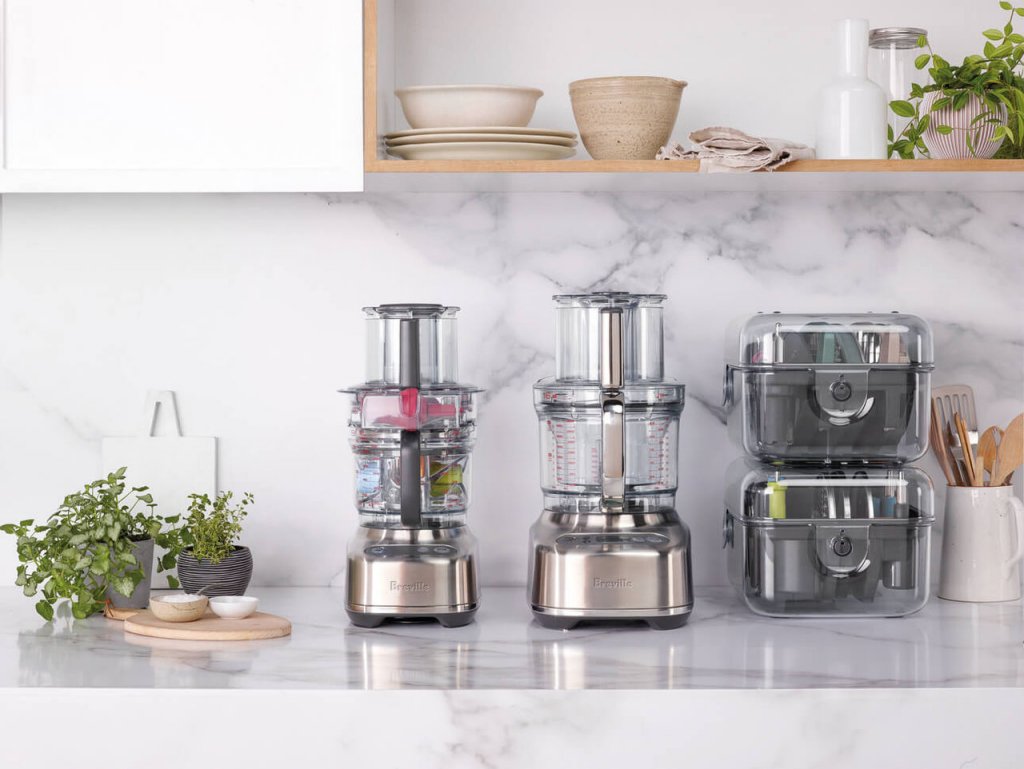
Choosing The Right Food Processor
Choosing the right food processor can make cooking easier and faster. It helps to save time in meal prep and handle many kitchen tasks. Picking a model that fits your needs is important. Consider what features matter most and how you will use it daily.
Key Features To Look For
Look for a strong motor. It helps to chop and blend tough ingredients. Check the size of the bowl. Bigger bowls hold more food and suit larger families. Sharp blades are a must for smooth cutting. Multiple speed settings give better control. Easy-to-clean parts save time after cooking.
Matching Processor To Cooking Needs
Think about the meals you cook often. Small processors work well for sauces and dips. Large processors handle dough and big batches of vegetables. Some models come with extra attachments. They can slice, shred, or knead dough. Choose one that fits your cooking style and habits.
Budget-friendly Options
Many affordable food processors offer good quality. Focus on essential features rather than extras. Check reviews to find reliable brands within budget. Sometimes, simple models last longer and are easier to use. Balance price with features to get the best value.
Credit: www.breville.com
Alternatives To Food Processors
Food processors make cooking faster and easier. Yet, they may not fit every kitchen or budget. Several alternatives can help you prepare meals without a food processor. Each option suits different needs and kitchen styles.
Manual Tools And Gadgets
Manual tools like graters, knives, and peelers work well for small tasks. A hand whisk or potato masher can replace some functions of a food processor. These tools need more time and effort but offer control over texture. They also require less storage space and cost less.
Blenders Vs. Food Processors
Blenders and food processors look similar but serve different purposes. Blenders work best for liquids and soft foods like smoothies and soups. Food processors handle chopping, slicing, and mixing tougher ingredients. A blender can do some food processor tasks but may not chop evenly. Choose a blender for drinks and purees, a processor for solid foods.
When To Skip A Processor
Some recipes do not need a food processor at all. Simple meals like sandwiches, salads, or boiled vegetables require minimal prep. Using a knife and cutting board often works fine. Avoid buying a food processor if you cook rarely or in small batches. Save space and money by skipping this gadget in those cases.
Maximizing Food Processor Use
Maximizing the use of your food processor helps save time and effort in the kitchen. This tool can chop, slice, shred, and mix ingredients quickly. Using it well means you get the best results for your meals. You can prepare foods faster and try new recipes easily. Keeping your food processor safe and clean extends its life.
Safety Tips
Always place the food processor on a flat surface. Make sure the lid is locked before starting. Keep fingers and utensils away from the blades. Unplug the machine before cleaning or changing parts. Use the pushers provided, not your hands. Avoid overfilling the bowl to prevent spills.
Maintenance And Care
Clean the food processor after each use to stop food build-up. Use warm, soapy water and a soft cloth. Dry all parts fully before storing them. Check the blades regularly for dullness or damage. Replace blades if they become blunt. Store the food processor in a dry place to avoid rust.
Creative Recipes To Try
Make homemade pesto by blending basil, nuts, and cheese. Create fresh salsa with tomatoes, onions, and peppers. Use the shredder to prepare coleslaw quickly. Try making dough for pizza or bread in the bowl. Blend smoothies or purees for soups and sauces. Experiment with different ingredients to find new flavors.

Credit: www.fbtechreview.com
Frequently Asked Questions
What Are The Main Advantages Of A Food Processor?
A food processor saves time by quickly chopping, slicing, and mixing ingredients. It handles large quantities and offers multiple functions, reducing kitchen tools needed.
Are Food Processors Difficult To Clean?
Most food processors have dishwasher-safe parts, making cleaning easy. However, some blades require careful handling to avoid injury during washing.
Can A Food Processor Replace Other Kitchen Appliances?
A food processor can replace several tools like blenders and choppers. However, it may not fully substitute specialized appliances like juicers or stand mixers.
What Are Common Disadvantages Of Using A Food Processor?
Food processors can be bulky and noisy. They may also consume more electricity and require careful handling of sharp blades.
Conclusion
Food processors offer many benefits for quick and easy food prep. They save time by chopping, slicing, and mixing in seconds. Cleaning is simple with removable parts. Yet, they can take up space and may be noisy. Some tasks still need hand tools for better control.
Weigh these points before buying. Choose what fits your kitchen needs best. A food processor can help, but it’s not for everyone. Think about your cooking style and kitchen space first. This will guide you to the right decision.