Last Updated on March 10, 2026
Have you ever wondered what makes froth different from foam? You might see these two terms used interchangeably, but they actually describe unique textures and experiences.
Whether you’re sipping a cappuccino, washing your car, or even mixing up a recipe, knowing the difference can change how you approach everyday tasks. By the time you finish reading, you’ll easily spot froth from foam and understand why it matters to you.
Ready to clear up the confusion? Let’s dive in!
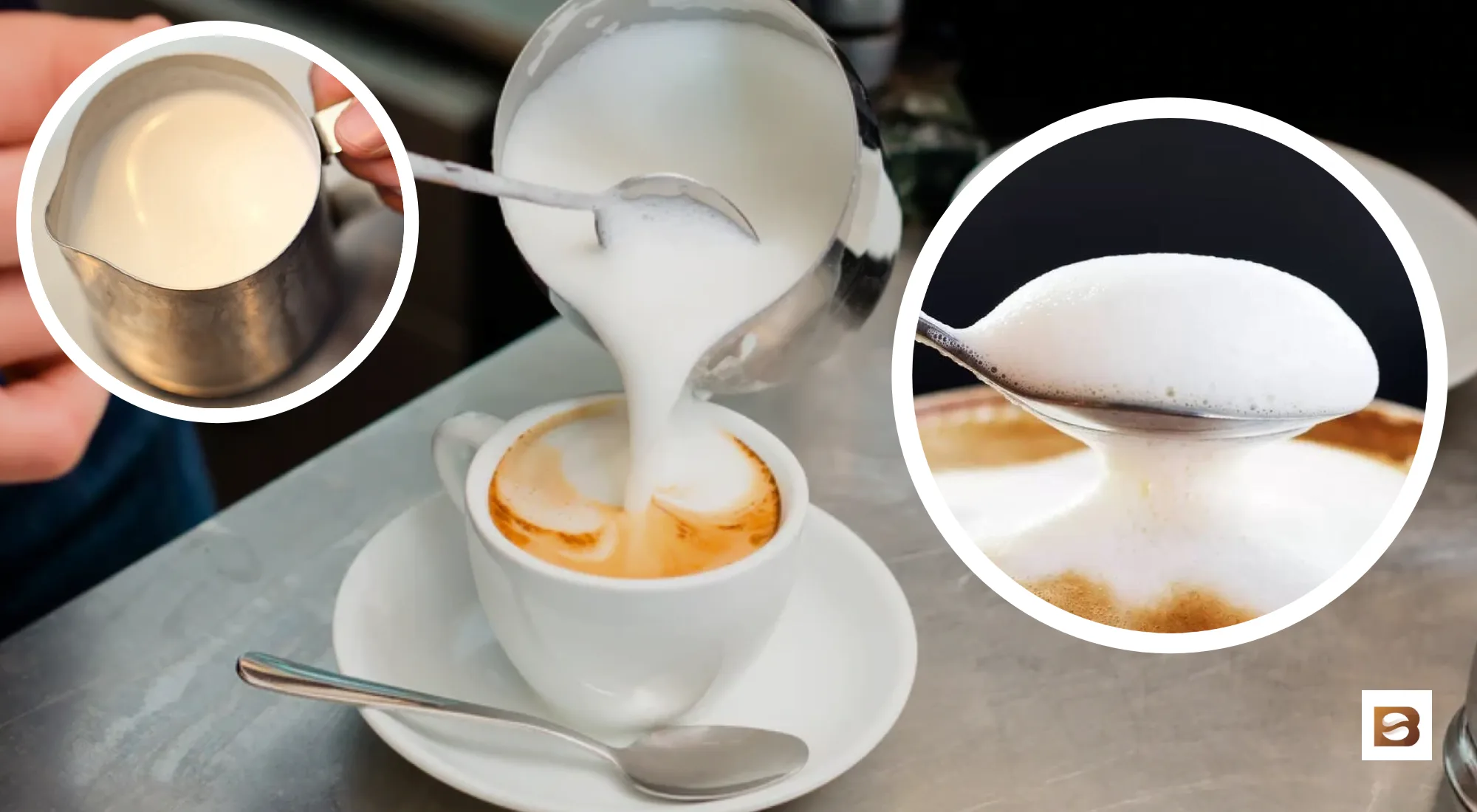
Credit: www.beanground.com
What Is Froth
Froth is a type of bubbly substance formed by trapping gas in a liquid. It looks like a thick layer of bubbles floating on top. Froth often appears in many natural and industrial processes. Understanding froth helps us see how it differs from foam.
Formation Process
Froth forms when gas is introduced into a liquid. The gas creates bubbles that rise to the surface. These bubbles stick together and create a layer. The liquid’s surface tension holds the bubbles in place. Stirring, shaking, or chemical reactions can cause froth to appear.
Common Uses
People use froth in many ways. In beverages like coffee or beer, froth adds texture and flavor. In mining, froth helps separate valuable minerals from ore. Froth also appears in cleaning products to trap dirt. In science, froth tests help analyze liquid properties.
Physical Characteristics
Froth has a light and airy texture. The bubbles in froth are usually large and uneven. It feels soft and can break easily. Froth is less dense than the liquid below it. Its color can vary depending on the liquid and gas inside.
What Is Foam
Foam is a fascinating substance found all around us. It looks like a mass of tiny bubbles packed closely together. These bubbles trap air or gas, creating a light and airy texture. Foam appears in many forms, both in nature and daily life. Understanding foam helps us see the difference between it and similar substances like froth.
How Foam Forms
Foam forms when gas is trapped in a liquid or solid. This happens as bubbles gather and stick together. Surface tension keeps bubbles from breaking apart quickly. Soap, detergents, or proteins often help foam form by stabilizing bubbles. The bubbles grow and multiply, creating a soft, airy layer.
Everyday Examples
Foam appears in many common places. Shaving cream is a type of foam used daily. Soap bubbles in a bath or sink are foams too. Even the frothy head on a beer is foam. Kitchen sponges hold foam inside their pores. These examples show foam’s varied presence in life.
Properties And Texture
Foam feels light and soft to the touch. It can be wet or dry depending on its makeup. Foam is usually fragile and breaks with pressure. Its texture varies from smooth to slightly rough. Foam also insulates heat and sound well. These properties make foam useful in many areas.
Froth Vs Foam: Main Differences
Froth and foam both look like bubbles, but they form and behave differently. Understanding their main differences helps in many areas, from cooking to science. This section breaks down how froth and foam differ in formation, appearance, and stability.
Formation Mechanisms
Froth forms by trapping gas bubbles in a liquid with the help of proteins or surfactants. It usually occurs during shaking or whipping. Foam forms similarly but often includes solid particles or thicker liquids that trap air more tightly. Froth tends to form quickly and with less energy.
Appearance And Texture
Froth looks light and airy, with small, uniform bubbles. It feels soft and smooth to touch. Foam appears denser and thicker, with larger bubbles that sometimes burst easily. Foam can feel rougher or more solid compared to froth.
Stability And Lifespan
Froth is less stable and breaks down faster. It collapses as the gas escapes or the liquid drains. Foam lasts longer because its structure holds air and liquid firmly. The lifespan depends on the liquid’s ingredients and the environment.
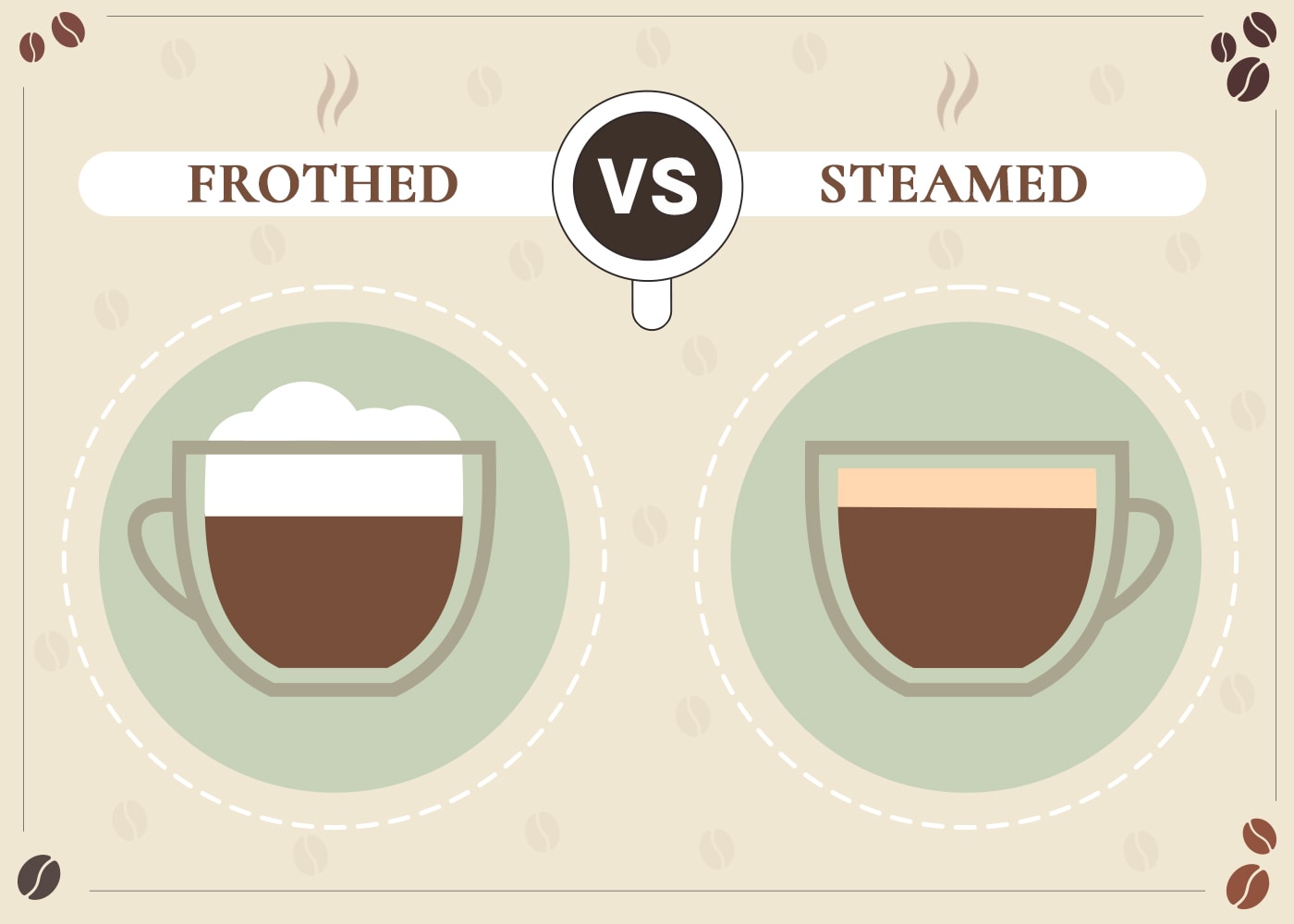
Credit: cornercoffeestore.com
Applications In Industry
Froth and foam play key roles in many industries. Their physical properties affect how products are made and used. Understanding these differences helps improve quality and efficiency.
Industries use froth and foam in unique ways. Each has features suited for specific tasks. Below are examples of how froth and foam are applied across sectors.
Food And Beverage
Froth is common in coffee and beer. It adds texture and improves taste experience. Foam stabilizes whipped cream and mousses. It traps air, making products light and fluffy. Controlling froth helps maintain product consistency.
Cleaning Products
Foam in cleaning aids dirt removal. It spreads soap evenly on surfaces. Froth indicates active cleaning agents in detergents. Foam bubbles hold dirt particles for easy rinsing. Proper foam levels ensure effective cleaning.
Construction Materials
Foam is vital in insulation materials. It traps air to reduce heat loss. Froth-like mixtures create lightweight concrete blocks. These blocks are easier to handle and install. Foam improves strength and durability of materials.
Tips For Identifying Froth And Foam
Knowing how to spot the difference between froth and foam can help in many situations. Both look like bubbles, but they have unique traits. Use simple tips to identify which one you see. These tips focus on what you see, feel, and how they act over time.
Visual Clues
Froth usually has small, tight bubbles. They look shiny and close together. Foam has larger bubbles that can be uneven in size. It often looks thicker and more spread out. Froth appears lighter and more delicate. Foam looks denser and may have a rough surface.
Touch And Feel
Touch froth gently. It feels soft and light. It breaks easily with a small touch. Foam feels thicker and more solid. It may feel a bit sticky or creamy. Froth disappears quickly when pressed. Foam stays longer and feels more stable.
Behavior Over Time
Froth fades fast and disappears soon. It cannot hold its shape for long. Foam lasts longer and stays on top. It may slowly settle but keeps some bubbles. Froth forms quickly but vanishes fast. Foam forms slower but lasts longer.
Credit: c3aflavorexperience.blogspot.com
Frequently Asked Questions
What Is The Main Difference Between Froth And Foam?
Froth consists of larger, more stable bubbles formed by agitation. Foam has smaller, tightly packed bubbles that create a denser texture. Both are gas trapped in liquid but vary in bubble size and stability.
How Is Froth Formed Compared To Foam?
Froth forms when gas is introduced slowly, creating larger bubbles. Foam forms under rapid agitation or chemical reactions, resulting in smaller, compact bubbles. The formation process affects their texture and application.
Can Froth And Foam Be Used Interchangeably?
No, froth and foam differ in structure and stability. Froth is light and airy, ideal for drinks like cappuccinos. Foam is denser, used in insulation or firefighting. Their properties suit different uses.
Why Does Froth Disappear Faster Than Foam?
Froth bubbles are larger and less stable, causing them to burst quickly. Foam’s smaller bubbles are tightly packed, making it more durable and long-lasting. Stability depends on bubble size and liquid properties.
Conclusion
Froth and foam may seem alike but are quite different. Froth has larger bubbles and feels lighter. Foam has smaller bubbles and feels denser. Both appear in drinks and cleaning products. Knowing their differences helps in daily life. Next time you see bubbles, you will understand better.
Simple details make a big difference. Keep these points in mind and enjoy the small things.