Last Updated on March 11, 2026
Is your garage refrigerator struggling to keep things cold when the temperature drops? You might not realize it, but cold weather can seriously affect how well your fridge works.
If you’ve ever found your drinks not as chilly as you like or your food freezing unexpectedly, this article is for you. You’ll learn why garage refrigerators behave differently in cold weather and what you can do to keep your fridge running smoothly all year round.
Keep reading to make sure your fridge stays reliable, no matter the season.
Challenges Of Cold Weather
Cold weather brings unique challenges for garage refrigerators. These appliances face conditions very different from indoor kitchens. Low temperatures can affect their performance and lifespan. Understanding these challenges helps in better maintenance and care.
How Low Temperatures Affect Refrigerators
Refrigerators depend on a stable temperature to work correctly. In cold weather, the garage temperature often drops below the appliance’s ideal range. This change can confuse the thermostat. The refrigerator may stop running because it thinks it is cold enough. Inside temperatures can rise, risking food spoilage.
Cold air also makes the compressor work harder at times. The compressor may cycle on and off more frequently. This cycling increases wear and can cause early failure. Some models are not designed for cold environments. They may suffer damage from freezing parts or thickened oils.
Common Issues In Garage Refrigerators
One common problem is freezing of the refrigerator’s contents. The cold air in the garage can cause food to freeze inside. This issue affects freshness and texture. Another problem is moisture buildup. Condensation can form and cause rust or mold.
Doors may not seal well in cold weather. This flaw lets cold air in and warm air out. It forces the refrigerator to work harder. Energy bills can rise because of this extra effort. Mechanical parts like fans and motors may also fail sooner.

Credit: utahgaragedoors.net
Choosing The Right Garage Fridge
Choosing the right garage fridge is important for cold weather. Not all fridges work well in low temperatures. A fridge that is not made for cold spaces may stop working or use too much energy. You need to pick a model that can handle the cold and keep your food safe. This guide helps you find the best fridge for your garage.
Models Designed For Cold Environments
Some fridges are built to work in cold places like garages. These models have special insulation and parts that keep them running even when it is very cold. They keep the temperature steady inside, so your food stays fresh. Look for fridges labeled “garage ready” or “cold weather.” These are tested to perform well in cold areas.
Energy Efficiency Considerations
Energy use is a big factor in choosing a garage fridge. A fridge that wastes power can raise your bills. Cold weather fridges often use more energy, so pick one with good energy ratings. Energy-efficient models save money and help the environment. Check for Energy Star labels or similar ratings to find the best options.
Installation Tips For Cold Climates
Installing a refrigerator in a cold garage requires special care. Cold temperatures can affect the fridge’s performance. Proper installation helps keep food fresh and saves energy. Follow these tips to protect your appliance and ensure it works well during cold months.
Optimal Placement In The Garage
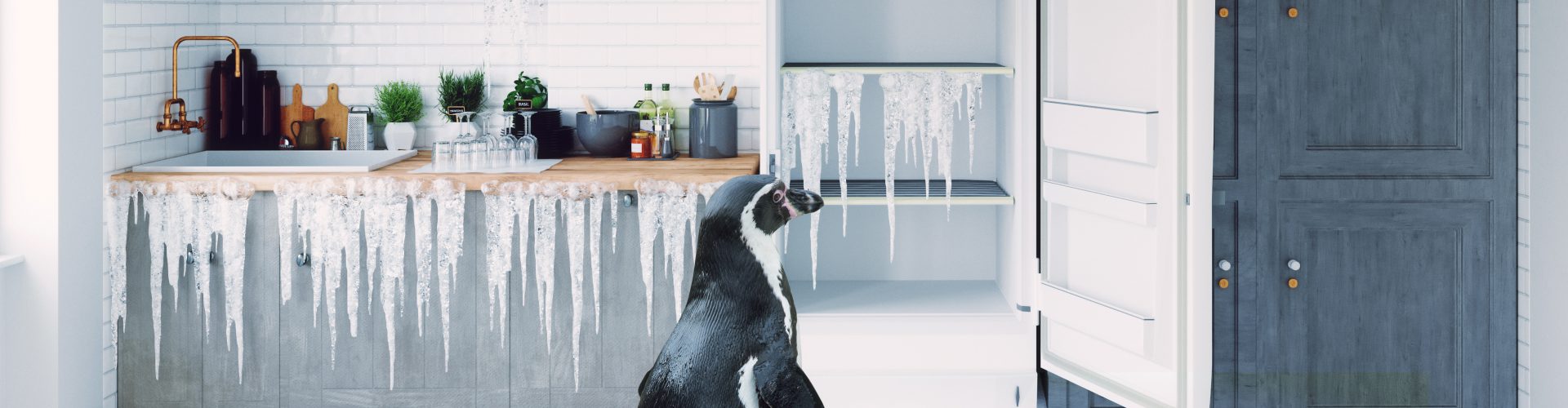
Place the refrigerator away from cold drafts. Avoid spots near garage doors or windows. Choose a wall that stays warmer throughout the day. Keep the fridge off the concrete floor. Use a wooden board or mat to raise it slightly. This helps prevent the fridge from getting too cold.
Insulation Strategies
Insulate the space around the refrigerator. Use foam boards or weatherstripping to seal gaps. Cover nearby walls with insulation panels. This keeps the cold air from reaching the fridge. Add a thermal blanket around the appliance if needed. It helps maintain a steady temperature inside the garage.
Credit: www.appliancemaster.com
Maintaining Temperature Stability
Keeping a garage refrigerator cold during winter needs care. The temperature inside can change a lot. These changes can hurt your fridge’s work. It may cause food to spoil or the fridge to break.
To avoid this, you must keep the temperature steady. This helps the fridge run well and saves energy. Simple steps can protect your fridge from cold weather.
Using External Heaters Or Thermostats
External heaters help keep the fridge warm in cold garages. They stop the temperature from falling too low. Small heater pads or strips work well. Place them behind or below the fridge. Make sure they are safe and made for this use.
Thermostats control the heater’s work. They turn it on or off based on temperature. This saves power and prevents overheating. Set the thermostat to keep the fridge above freezing. This keeps your food safe and fridge healthy.
Sealing And Weatherproofing
Sealing the garage stops cold air from coming in. Check door and window edges for gaps. Use weatherstripping or foam tape to close holes. This keeps warm air inside and cold air out.
Weatherproofing the fridge also helps. Make sure the fridge door seals tightly. Replace old or damaged door gaskets. These prevent cold air leaks and keep the temperature steady. A well-sealed fridge uses less energy and lasts longer.
Troubleshooting Cold Weather Problems
Garage refrigerators often face cold weather challenges. These problems can stop the fridge from working well. Knowing how to fix these issues saves money and keeps food safe. This section helps you troubleshoot common cold weather problems.
Preventing Freezing Of Contents
Freezing inside the fridge can ruin food. Keep the fridge away from very cold spots. Use a thermometer to check the temperature. Ideal fridge temperature is between 37°F and 40°F. Avoid setting the fridge too cold in winter. Close the door quickly to keep warm air inside. Place items away from the back wall to stop freezing. Use a small heater or insulation if the garage is very cold.
Dealing With Compressor Issues
The compressor may stop working in cold weather. Cold can cause the compressor to run less. Check if the compressor is running quietly. Listen for unusual noises or no sound at all. Make sure the power supply is steady and strong. Clean dust from coils to help the compressor cool better. If the compressor fails, call a technician for help. Regular maintenance can prevent cold weather compressor problems.
Alternative Cooling Solutions
Garage refrigerators can struggle during cold weather. Low temperatures affect their cooling systems and efficiency. Alternative cooling solutions help keep food safe and appliances working well. These options provide reliable cooling without relying only on the fridge’s built-in system.
Portable Refrigerators
Portable refrigerators offer a flexible cooling option. They use their own power source, often a battery or car adapter. These units handle temperature changes better than standard garage fridges. Portable refrigerators stay cool even in freezing garages. They come in different sizes to fit your needs. Easy to move and place anywhere in the garage or outside.
Cold Weather Covers And Enclosures
Cold weather covers protect garage refrigerators from freezing air. Made of insulated materials, they keep warmth around the fridge. Enclosures create a small, controlled environment for the refrigerator. They reduce exposure to cold drafts and moisture. These covers help the fridge use less energy to maintain temperature. Simple to install and remove as needed. Ideal for garages without heating or insulation.
Credit: www.nytimes.com
Frequently Asked Questions
How Cold Weather Affects Garage Refrigerator Performance?
Cold weather can cause garage refrigerators to run inefficiently. Low temperatures may prevent the compressor from cycling properly. This leads to inconsistent cooling or freezing inside. Insulating the garage or using a refrigerator with a garage mode helps maintain optimal performance in cold climates.
Can Garage Refrigerators Work In Freezing Temperatures?
Most standard refrigerators struggle below 50°F. Freezing temperatures can cause the fridge to stop cooling properly. Specialized garage refrigerators or models with a cold weather kit are designed to operate efficiently in low temperatures. Always check the manufacturer’s temperature range before use in freezing garages.
How To Prevent Garage Fridge From Freezing Items?
To avoid freezing, maintain the garage temperature above 50°F if possible. Use a refrigerator with a garage or cold weather mode. Avoid placing the fridge directly on cold floors. Adding insulation around the fridge can also help stabilize the internal temperature and prevent frozen food.
Is A Garage Refrigerator Energy Efficient In Winter?
Garage refrigerators may consume more energy in cold weather. The compressor runs longer to maintain internal temperatures. However, models designed for garages optimize energy use even in cold conditions. Using a fridge with adaptive temperature control can reduce energy waste during winter months.
Conclusion
Garage refrigerators need special care in cold weather. Keep the temperature stable to avoid damage. Place the fridge away from freezing drafts. Use a heater or insulation if needed. Check the door seals for tight closure. Regularly clean and defrost the fridge.
These steps help your fridge work well all winter. Protect your food and save energy. Simple actions make a big difference in cold months. Stay prepared and keep your garage fridge running smoothly.