Last Updated on March 11, 2026
If you want the freshest, most flavorful cup of coffee, how you grind your coffee beans makes all the difference. Grinding coffee beans might seem simple, but the way you do it affects the taste, aroma, and strength of your brew.
Are you using the right grind size for your coffee maker? Could changing your grind improve your morning routine? Keep reading to discover the secrets behind grinding coffee beans like a pro and unlock a richer coffee experience every time you brew.
Choosing The Right Grinder
Choosing the right grinder is key for fresh and tasty coffee. The grinder affects the flavor and quality of your brew. Picking the right type makes your morning coffee better. This guide helps you find the best grinder for your needs.
Blade Vs Burr Grinders
Blade grinders chop beans with spinning blades. They are cheap and easy to use. But the grind size is uneven. This can make coffee taste bitter or weak.
Burr grinders crush beans between two surfaces. They give a consistent grind size. This helps extract better flavor. Burr grinders are usually more expensive. Yet, they are worth it for coffee lovers.
Manual Vs Electric Options
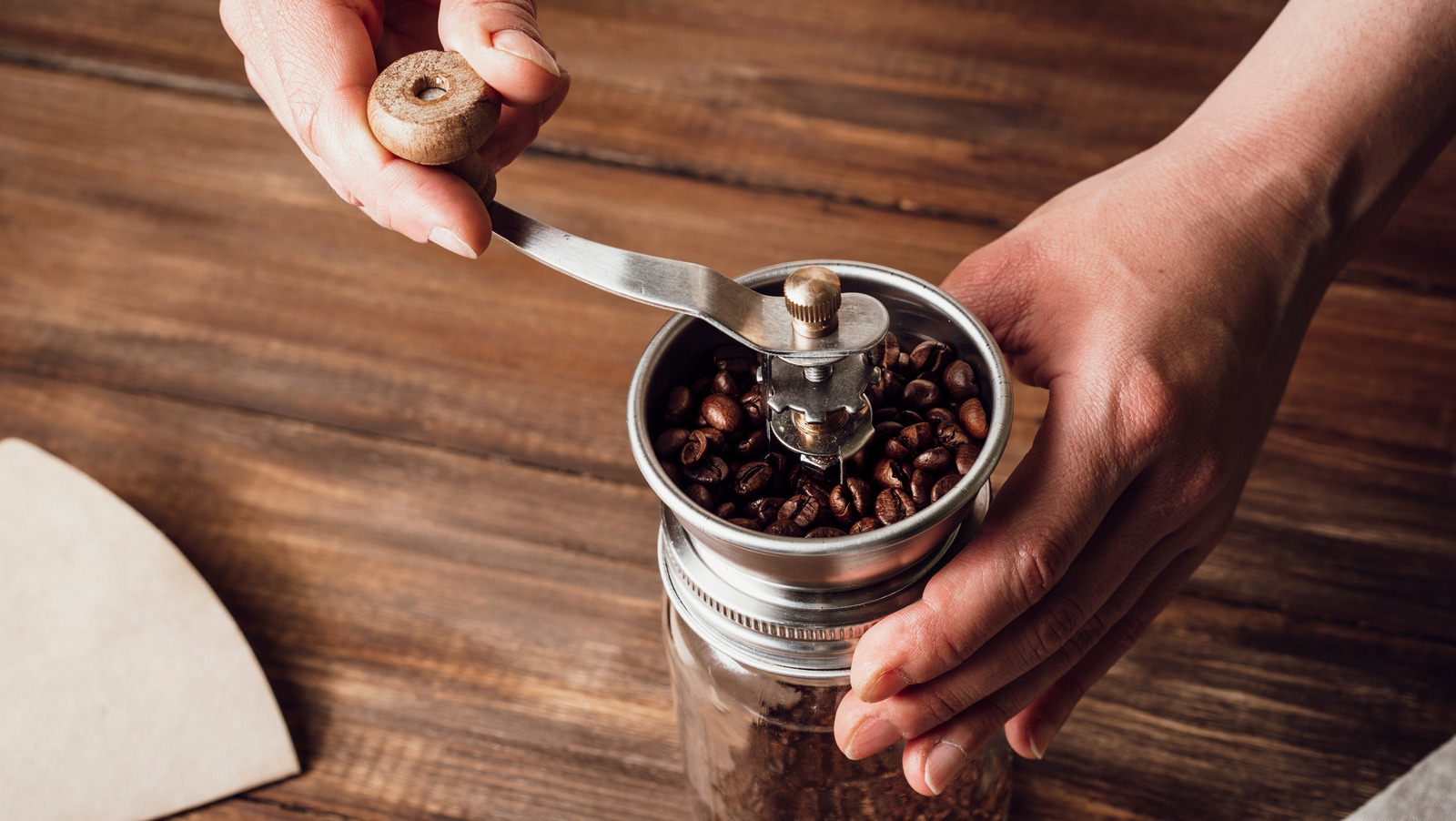
Manual grinders need hand power to grind beans. They are quiet and portable. Great for travel or small kitchens. But they take more time and effort.
Electric grinders work fast and with little effort. Perfect for busy mornings or large amounts. They come in many sizes and prices. Choose one that fits your space and budget.
Grinder Maintenance Tips
Clean your grinder regularly to keep flavors fresh. Use a brush or cloth to remove old grounds. Avoid water on electric parts to prevent damage.
Check burrs or blades for wear. Replace parts if grinding becomes uneven. Proper care extends the life of your grinder. A clean grinder means better tasting coffee every time.
Grind Size And Its Impact
Grind size is very important for making good coffee. It changes how water flows through the coffee grounds. This affects the taste and strength of the coffee. Different brewing methods need different grind sizes. The right grind size helps bring out the best flavors.
Coarse Grind Uses
Coarse grind looks like sea salt. It works well for French press and cold brew. Water moves slowly through coarse grounds. This makes a smooth and light coffee taste. Coarse grind prevents over-extraction and bitterness.
Medium Grind Uses
Medium grind is similar to sand. It fits drip coffee makers and pour-over brewers. Medium grind lets water flow evenly. This brings balanced flavor and aroma. It is a common choice for many coffee drinkers.
Fine Grind Uses
Fine grind looks like table salt. It suits espresso machines and Aeropress. Water passes quickly through fine grounds. This creates a rich and strong coffee shot. Fine grind helps extract deep flavors fast.
Extra Fine Grind Uses
Extra fine grind feels like powder. It is best for Turkish coffee. Water mixes fully with the tiny grounds. This produces thick, bold, and intense coffee. Use extra fine grind for a unique coffee experience.
Grinding Techniques For Freshness
Grinding coffee beans correctly keeps your coffee fresh and full of flavor. The right methods help preserve the rich aroma and taste you enjoy in each cup. Small changes in grinding can make a big difference.
Freshness starts with when and how you grind your beans. Using the right tools and storing ground coffee properly also matter. Let’s explore key techniques to keep coffee fresh.
Grinding Just Before Brewing
Grind your coffee beans right before brewing. This keeps the oils and flavors locked inside the beans until you need them. Ground coffee loses freshness quickly due to air exposure. Freshly ground coffee tastes stronger and more vibrant.
Grinding in small amounts helps maintain taste. Avoid grinding large batches that sit unused for days. Fresh grinding creates better texture and consistent particle size. This improves extraction and flavor in your cup.
Proper Storage Of Ground Coffee
Store ground coffee in an airtight container to block air and moisture. A cool, dark place is best to prevent heat and light damage. Avoid transparent containers or places near ovens and windows.
Use containers made of ceramic or stainless steel. Keep the container sealed tightly after each use. Avoid storing coffee in the fridge or freezer; moisture can ruin the flavor.
Buy small amounts of coffee to keep it fresh longer. Proper storage slows down the loss of aroma and taste. This keeps every cup enjoyable and rich.
Credit: www.tastingtable.com
Adjusting Grind For Brewing Methods
Grinding coffee beans correctly is key for a great cup. Different brewing methods need different grind sizes. Adjusting the grind changes the flavor and strength of the coffee. Using the right grind helps extract the best taste from the beans.
French Press
French press coffee needs a coarse grind. Large coffee particles prevent over-extraction. This grind keeps the brew smooth and rich. Too fine a grind makes the coffee bitter and muddy.
Espresso
Espresso requires a very fine grind. The fine particles allow water to pass quickly. This produces a strong, bold coffee shot. Coarser grinds cause weak, watery espresso with less crema.
Pour Over
Pour over works best with a medium grind. The grind looks like sand or sea salt. This size balances extraction speed and flavor. Too fine or coarse grinds affect taste and brewing time.
Cold Brew
Cold brew needs a very coarse grind. Large particles help slow extraction in cold water. This grind produces smooth, low-acid coffee. A finer grind can make cold brew bitter or cloudy.
Common Grinding Mistakes To Avoid
Grinding coffee beans is a simple task but easy to get wrong. Common mistakes can hurt the flavor of your coffee. Avoiding these errors will make your brew taste better and fresher.
Overheating The Beans
Grinding beans too fast creates heat. Heat changes the coffee’s flavor by burning the oils. Use a grinder that does not get hot. Grind in short bursts to keep cool.
Uneven Grind Size
Uneven grind means some pieces are big, some are small. This affects how water flows through the coffee. It can make the coffee taste weak or bitter. Choose a grinder that gives a consistent size.
Grinding Too Early
Grinding coffee too long before brewing causes it to lose flavor. Ground coffee starts to lose aroma right after grinding. Grind your beans just before you make coffee. This keeps the taste fresh and strong.

Credit: venezianocoffee.com.au
Enhancing Flavor With Grinding Tips
Grinding coffee beans is a key step to get great flavor. The way you grind affects how your coffee tastes. Small changes in grinding can make a big difference. Follow simple tips to improve your coffee’s flavor every time.
Consistent Grind For Balanced Taste
A consistent grind size helps water flow evenly through coffee grounds. This balance extracts flavors well without bitterness or sourness. Use a good grinder that cuts beans uniformly. Avoid uneven or clumpy grinds. They cause over-extraction or under-extraction in some parts. Check your grinder settings and adjust as needed for steady results.
Experimenting With Grind Settings
Try different grind sizes to find what suits your brew method. Coarse grind works well for French press. Medium grind fits drip coffee makers. Fine grind is best for espresso machines. Each size changes how flavors develop during brewing. Test small changes and taste the difference. This helps you learn which grind brings the best flavor to your cup.

Credit: baristaandco.com
Frequently Asked Questions
What Is The Best Grind Size For Coffee Beans?
The best grind size depends on your brewing method. Coarse grinds suit French press, medium for drip, and fine for espresso. Adjust grind size to control extraction and flavor balance.
How Does Grinding Affect Coffee Taste?
Grinding releases coffee’s aromatic oils and flavors. Freshly ground beans yield richer, fresher taste. Incorrect grind size causes under or over-extraction, making coffee bitter or weak.
How Long Should Coffee Beans Be Ground?
Grind time depends on your grinder type and desired grind size. Burr grinders produce consistent grinds quickly. Avoid over-grinding to prevent heat buildup that can degrade flavor.
Can I Grind Coffee Beans In Advance?
Grinding in advance reduces freshness as exposure to air causes flavor loss. For best taste, grind beans just before brewing to preserve aroma and optimal flavor.
Conclusion
Grinding coffee beans fresh each time makes a big difference. It brings out rich flavors and strong aroma. Choosing the right grind size helps you brew better coffee. Use a grinder that fits your needs and budget. Fresh ground coffee tastes better than pre-ground options.
Experiment to find your perfect grind and brewing method. Enjoy the process as much as the cup. Simple steps lead to great coffee moments every day.