Last Updated on December 17, 2025
Are your knives feeling dull and hard to use? You might think they need sharpening, but sometimes all they really need is honing.
Honing is a simple, quick way to keep your blades sharp and ready for any task. In this guide, you’ll learn exactly how to hone your knives like a pro, save time, and avoid the frustration of struggling with a blunt blade.
Keep reading, and you’ll discover easy steps that will make your knives perform better than ever before.
Why Hone Your Knives
Keeping knives sharp is essential for safe and easy cutting. Honing helps maintain the blade’s edge between sharpenings. It keeps your knives working well for a long time. Understanding why honing matters helps you care for your kitchen tools better.
Difference Between Honing And Sharpening
Honing and sharpening are not the same. Honing straightens the blade’s edge without removing metal. Sharpening removes metal to create a new edge. Honing should be done often, sharpening less often. Honing keeps the blade aligned and smooth. Sharpening fixes a dull or damaged blade.
Benefits Of Regular Honing
Regular honing keeps knives sharp and safe. It makes cutting easier and more precise. Honing extends the life of your knives. It saves money by reducing how often you need sharpening. Honing also prevents accidents caused by dull blades. A well-honed knife feels better in your hand.
Choosing The Right Honing Tool
Choosing the right honing tool helps keep knives sharp and safe. The right tool makes the job easier and protects your blade. Different tools suit different needs and skill levels. Learn about the common options before picking one.
Steel Rods Vs Ceramic Rods
Steel rods are classic and widely used. They are strong and easy to handle. Steel rods realign the blade’s edge without removing much metal. They work well for daily knife maintenance.
Ceramic rods are harder and smoother than steel. They remove tiny amounts of metal while sharpening. Ceramic rods polish the blade and fix small chips. They suit knives needing a finer edge.
Steel rods are best for regular use and quick touch-ups. Ceramic rods fit those who want sharper edges and longer-lasting blades. Choose based on your knife type and how often you sharpen.
Electric Honing Devices
Electric honing devices simplify the sharpening process. They use motorized wheels to sharpen blades fast. These devices require less skill than manual rods.
Electric models offer consistent results for various blade types. They often include multiple settings for different sharpness levels. They save time and effort for busy kitchens.
Choose electric devices if you want quick, easy sharpening. They fit those who sharpen many knives or lack honing skills. Keep the device clean and follow safety instructions strictly.
Preparing Your Knife For Honing
Preparing your knife for honing is an important step. It helps keep the blade clean and safe. Proper preparation makes honing more effective. It extends the life of your knife and keeps it sharp.
Cleaning The Blade
Start by wiping the knife blade with a damp cloth. Remove any dirt, food, or grease. Use mild soap if the blade is very dirty. Rinse and dry the blade completely. A clean blade hones better and lasts longer.
Safety Precautions
Hold the knife firmly but carefully. Keep your fingers away from the blade edge. Work on a flat, stable surface. Use slow and steady movements during honing. Safety prevents accidents and protects your hands.
Step-by-step Honing Technique
Honing your knife regularly keeps it sharp and safe to use. The right technique helps maintain the blade’s edge without removing too much metal. Follow these simple steps to hone your knife effectively.
Correct Angle For Honing
Hold the knife at a 20-degree angle to the honing rod. This angle keeps the edge sharp without damaging it. Keep your wrist steady and maintain the same angle throughout.
Proper Stroke Motion
Start at the base of the blade near the handle. Slide the knife down the rod while moving it forward. Use smooth, even strokes from the base to the tip of the blade.
Number Of Strokes Per Side
Use five to six strokes on one side of the blade. Then switch to the other side and repeat. This balances the edge evenly for a sharp finish.
Common Honing Mistakes To Avoid
Honing your knives is key to keeping them sharp and safe. Many people make simple mistakes that reduce the blade’s life. Avoiding these errors helps your knives stay sharp longer. Here are the most common honing mistakes you should watch out for.
Applying Too Much Pressure
Pressing too hard can damage the blade’s edge. Light, steady pressure works best for honing. Too much force wears down the metal quickly. Let the honing guide and stone do the work. Your hand should feel relaxed, not tense.
Using The Wrong Angle
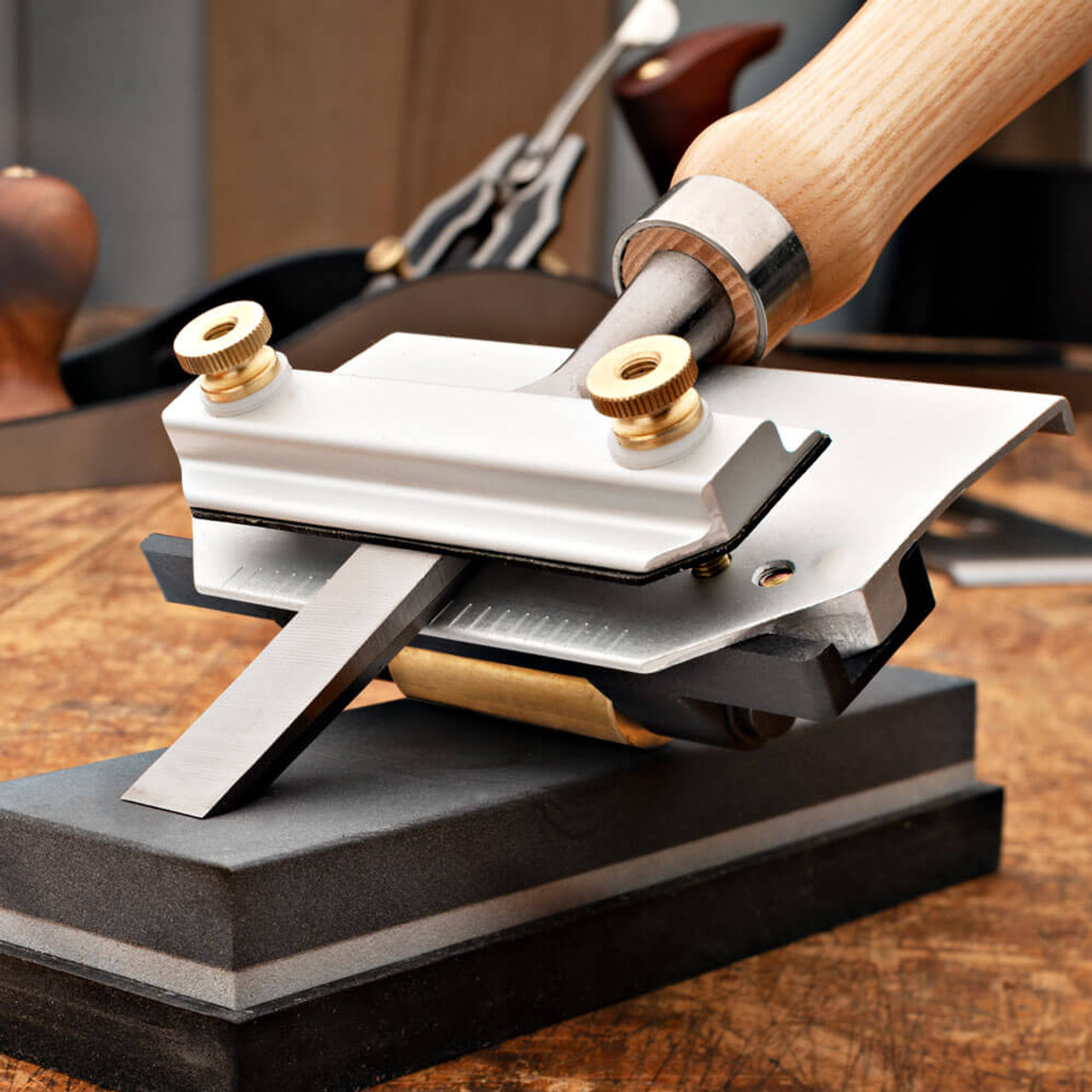
Keeping the correct angle is crucial for a sharp edge. Most knives need about a 20-degree angle. Too steep or too flat will dull the blade. Use a honing guide to maintain the right angle. Consistency is key to a smooth, sharp edge.
Neglecting Regular Maintenance
Honing is not a one-time task. Regular upkeep prevents the blade from becoming dull. Skipping sessions leads to harder sharpening later. Honing every few uses keeps knives in good shape. It saves time and effort in the long run.
Credit: garrettwade.com
Maintaining Sharpness Between Honing Sessions
Keeping your knives sharp between honing sessions helps them work better and last longer. Small habits make a big difference in how well your blades stay sharp. These habits protect the edge and reduce the need for frequent honing.
Storing knives properly keeps their edges safe. Using the right cutting boards also helps prevent dulling. Both steps support the knife’s sharpness and performance.
Proper Storage Tips
Store knives where blades do not touch hard surfaces or other knives. Use a knife block, magnetic strip, or blade guards. Avoid tossing knives in a drawer with other utensils. This causes chips and dull edges. Clean knives and dry them before storing. Moisture can cause rust and weaken the blade.
Using Cutting Boards Effectively
Choose cutting boards made of wood or plastic. These materials are softer on knives than glass or stone. Avoid cutting on hard surfaces like ceramic or metal. Use different boards for meats and vegetables to keep blades clean. Replace boards when deeply scored to protect knives. Clean boards after use to prevent bacteria buildup.
When To Sharpen Instead Of Hone
Knowing when to sharpen your knife instead of honing is key to keeping it effective. Honing realigns the blade’s edge but does not remove metal. Sharpening grinds the blade to create a new edge. This process is needed when the blade becomes dull or damaged.
Regular honing keeps knives sharp longer. But over time, sharpening is necessary to restore the blade fully. Recognizing the signs helps you decide the right care for your knife.
Signs Your Knife Needs Sharpening
Dull knives struggle to cut smoothly. They slip or crush food instead of slicing cleanly. You feel more pressure is needed to cut. The edge may look bent or chipped. Honing will not fix these problems. Sharpening removes metal to create a sharp new edge.
How Honing Complements Sharpening
Honing keeps the blade straight between sharpenings. It smooths out small bends and maintains sharpness. Regular honing reduces the frequency of sharpening. Sharpening and honing work together to extend the knife’s life. Sharpen first when the blade is dull. Hone often to keep the edge aligned.
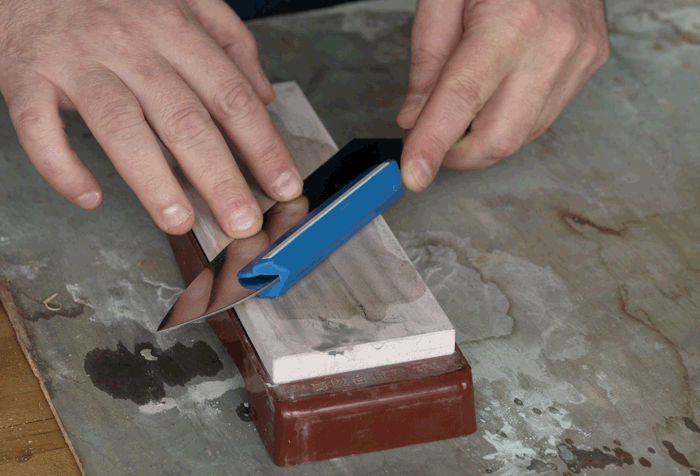
Credit: toolsforworkingwood.com

Credit: www.woodsmith.com
Frequently Asked Questions
What Is The Best Way To Hone A Knife?
The best way to hone a knife is using a honing rod. Hold the rod vertically, then swipe the blade at a 20-degree angle. Repeat on both sides to realign the edge and maintain sharpness without removing much metal.
How Often Should I Hone My Kitchen Knives?
You should hone your kitchen knives every 2 to 3 uses. Regular honing keeps the blade aligned and sharp between professional sharpenings. This frequency helps maintain cutting performance and prolongs the knife’s lifespan.
Can Honing Replace Sharpening For Dull Knives?
No, honing cannot replace sharpening for dull knives. Honing realigns the blade edge but does not remove metal. Sharpening grinds the blade to restore a new edge, which is necessary for very dull or damaged knives.
What Tools Do I Need For Knife Honing?
You need a honing steel or ceramic rod to hone knives. These tools help straighten the blade edge. Avoid using sharpening stones for honing, as they remove metal and are meant for sharpening, not maintenance.
Conclusion
Keeping your knives sharp improves safety and cutting ease. Regular honing maintains the blade’s edge and saves money. Use the right tools and steady hands for best results. Small effort brings big benefits in the kitchen. Practice often to build confidence and skill.
Sharp knives make cooking faster and more enjoyable. Remember, care extends your knife’s life and performance. Simple steps lead to better meals every day.