Last Updated on December 12, 2025
If you want a perfect shot of espresso, the grind size of your coffee is everything. Too coarse, and your espresso will taste weak and watery.
Too fine, and it could turn bitter or clog your machine. Finding the right grind isn’t just a step—it’s the secret that can transform your daily cup into a rich, full-flavored experience. You’ll discover exactly how fine to grind coffee for espresso, so you can enjoy barista-quality coffee right at home.
Keep reading, because your best espresso is just a few tweaks away.
Why Grind Size Matters
The grind size for espresso plays a big role in the final taste of your coffee. It controls how fast water flows through the coffee grounds. This affects the way flavors come out during brewing. Choosing the right grind size helps you get the best espresso shot.
Impact On Extraction
Extraction means how much flavor is pulled from coffee grounds. Fine grinds slow down water flow. This allows more flavors to dissolve into your espresso. Coarser grinds let water pass quickly. This can lead to weak or watery coffee. The right grind size keeps extraction balanced for a full taste.
Balance Of Flavor And Bitterness
Too fine a grind can cause over-extraction. This makes your espresso taste bitter and harsh. Too coarse a grind causes under-extraction. Your espresso may taste sour or flat. A good grind size brings out sweet, rich flavors. It avoids sharp bitterness or dullness in your coffee.
Ideal Grind Size For Espresso
The ideal grind size for espresso plays a key role in making rich, flavorful coffee. Espresso needs a fine grind to extract the perfect taste within a short brewing time. The grind size affects how water flows through the coffee, impacting the strength and aroma.
Choosing the right grind size ensures a balanced shot with good crema and smooth flavor. Too coarse or too fine grinds can ruin the espresso’s texture and taste. Understanding the ideal grind size helps achieve consistent espresso every time.
Characteristics Of Fine Grind
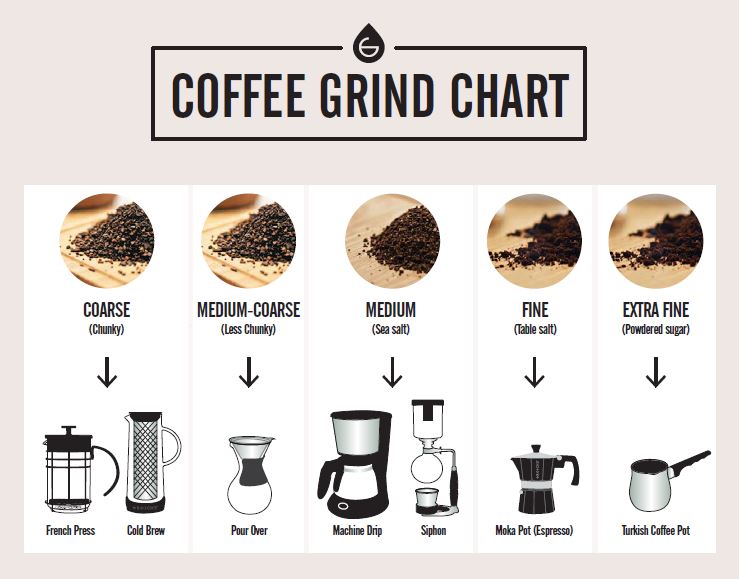
Fine grind looks like table salt or sugar crystals. It feels smooth but slightly gritty between fingers. This grind size allows water to pass slowly through the coffee grounds. The slow flow helps extract rich oils and flavors.
Fine grind creates a dense, compact puck in the portafilter. It resists water pressure, which builds the perfect crema on espresso. If ground too fine, it may cause over-extraction and bitterness. If too coarse, the coffee tastes weak and sour.
Comparison With Other Grind Sizes
Coarse grind is rough and chunky, like sea salt. It works well for French press but not for espresso. Medium grind is like sand and suits drip coffee makers. Espresso grind is much finer to control water flow and extraction.
Using the wrong grind size affects brewing time and flavor. Coarse grounds let water pass too fast, producing weak espresso. Too fine grounds slow water too much, causing bitter taste. Fine grind balances extraction speed and flavor for the best espresso.
Adjusting Grind For Different Machines
Adjusting the coffee grind is important for making good espresso. Different machines need different grind sizes. The grind affects the taste and strength of your espresso. It also changes how fast water flows through the coffee. Knowing how to change the grind for your machine helps you get the best flavor.
Manual Espresso Machines
Manual machines need a very fine grind. The grind should feel like soft powder. This lets water pass slowly through the coffee. You control the pressure by hand, so the grind must be just right. Too coarse, and the espresso tastes weak. Too fine, and it becomes bitter. Try small changes until the shot tastes smooth.
Automatic Espresso Machines
Automatic machines work best with a slightly coarser grind than manual ones. These machines control pressure and water flow. A grind too fine can clog the machine. A grind too coarse makes weak espresso. Use the machine’s settings and adjust the grind in small steps. Watch how the espresso pours and tastes. Adjust until it flows steady and rich.

Credit: cafely.com
How To Test Your Grind
Testing your espresso grind is key to getting the best coffee taste. The grind size changes how water flows through the coffee. Too fine, and the shot will be slow and bitter. Too coarse, and it will be fast and weak. Use simple tests to find the right grind for your espresso machine and beans.
These tests help you see and taste the difference. They guide you to adjust the grind for a balanced espresso shot.
Visual And Tactile Checks
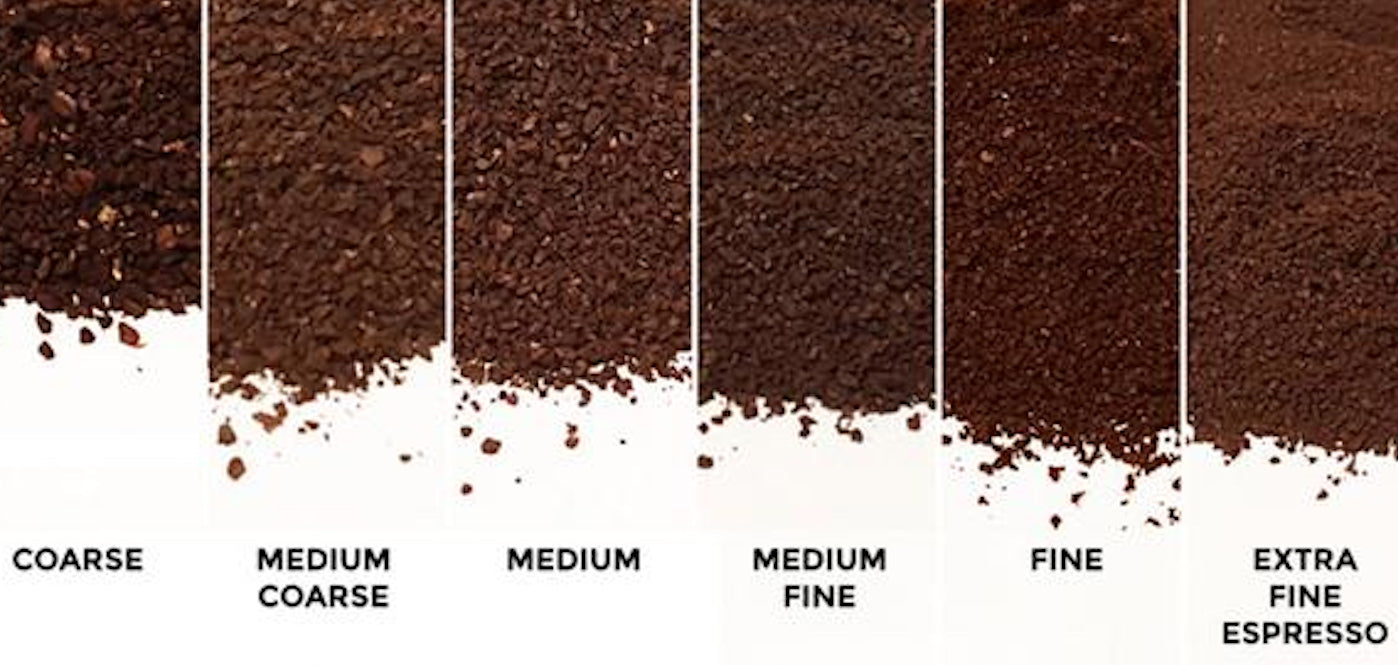
Look at the coffee grounds closely. They should be fine, like granulated sugar. Not powdery like flour, and not too coarse. Feel the grounds between your fingers. They should feel smooth but not sticky. If they clump, they might be too fine or moist. Check for even size. Uneven grounds cause poor extraction and weak coffee.
Shot Timing And Taste
Pull a shot and watch the time. A good espresso shot takes about 25 to 30 seconds. Faster means the grind is too coarse. Slower means it is too fine. Taste the shot carefully. It should have a rich flavor, not sour or bitter. Adjust the grind size little by little. Test again until the shot tastes balanced and smooth.
Common Grinding Mistakes
Grinding coffee for espresso needs care and attention. Many people make common mistakes that affect taste. These errors change how water flows through the coffee. It can make espresso weak or bitter. Avoiding these mistakes helps brew better espresso every time.
Too Coarse Or Too Fine
Grinding too coarse causes water to flow too fast. The coffee taste becomes weak and sour. Grinding too fine makes water flow too slow. This creates a bitter, burnt flavor. The grind size must be just right. It should feel like fine sand but not powdery.
Inconsistent Grind Size
Uneven grind size means some particles are big, others small. Water extracts flavor unevenly from the coffee. Some parts are over-extracted and taste bitter. Others are under-extracted and taste sour. A consistent grind size helps balance flavors. It creates smooth and rich espresso every time.
Credit: grosche.ca
Choosing The Right Grinder
Choosing the right grinder is key for making great espresso. The grind size affects the taste and quality of your coffee. A good grinder gives you control over the grind size. This control helps you get a smooth and rich espresso shot. Knowing the types of grinders and their settings helps you pick the best one for your needs.
Burr Vs Blade Grinders
Burr grinders crush coffee beans between two surfaces. This method produces uniform coffee grounds. Uniform grounds help extract flavors evenly. Blade grinders chop beans with a spinning blade. They create uneven particle sizes. Uneven grinds lead to bitter or weak espresso. Burr grinders are best for espresso because of their consistency. Blade grinders are cheaper but less precise.
Grinder Settings And Precision
Good espresso requires fine grind size. The grinder must have precise settings. This lets you adjust the grind size easily. Small changes in grind size change the taste a lot. A grinder with many settings gives you more control. Stepless grinders offer infinite grind size options. This helps you find the perfect grind for your espresso. Consistency is important. A precise grinder produces the same grind every time.
Tips For Consistent Grinding
Consistent grinding is key to making great espresso every time. It helps extract the best flavor from your coffee beans. Small changes in grind size can affect taste and texture. Follow simple tips to keep your grind steady and reliable. These tips save time and improve your espresso experience.
Regular Maintenance
Clean your grinder often. Coffee oils and grounds build up inside. This causes uneven grinding and stale taste. Use a brush or grinder cleaner to remove debris. Check burrs for wear and replace if needed. Clean grinders give a smooth, consistent grind.
Calibrating Your Grinder
Adjust your grinder settings to the right size. Test grind a small amount and check the texture. For espresso, the grind should feel fine but not powdery. Make small changes and test again. Record your settings for different beans. Calibration helps keep your grind perfect every time.
Credit: weaverscoffee.com
Frequently Asked Questions
What Grind Size Is Best For Espresso Coffee?
A fine grind is best for espresso, resembling table salt. It allows optimal extraction and rich flavor in your shot.
How Does Grind Size Affect Espresso Taste?
Finer grind increases extraction, intensifying flavor but risks bitterness. Coarser grind reduces extraction, leading to weak, sour espresso.
Can I Use A Coarse Grind For Espresso?
No, coarse grind causes under-extraction in espresso. It results in a watery, weak, and sour shot lacking crema.
Why Is Consistent Grind Size Important For Espresso?
Consistent grind ensures even extraction and balanced flavor. It prevents over or under-extracted coffee, delivering a smooth espresso experience.
Conclusion
Grinding coffee fine is key to making great espresso. Too coarse, and the shot tastes weak. Too fine, and it may taste bitter or clog the machine. Aim for a smooth, even grind to get rich flavor and good crema.
Try small adjustments to find what suits your taste best. With practice, your espresso will improve every time. Enjoy the process and the fresh coffee you brew.