Last Updated on February 13, 2026
Pan fry salmon for 3-4 minutes per side over medium-high heat. Ensure the internal temperature reaches 145°F.
Pan frying salmon is a quick and delicious way to prepare this nutritious fish. Achieving the perfect sear on the outside while keeping the inside tender is key. Use a hot skillet with oil to prevent sticking. Season the salmon with salt, pepper, and any preferred spices.
Flip the salmon carefully to avoid breaking the fillet. Once cooked, the salmon should have a crispy skin and moist flesh. This method is ideal for a speedy, healthy meal. Serve with vegetables or a salad for a complete dish. Enjoy the flavors and simplicity of pan-fried salmon.

Credit: m.youtube.com
Selecting The Right Salmon
Choosing the right salmon is key to a delicious meal. The quality of your salmon affects the taste and texture. Let’s explore the best options for your pan-frying needs.
Fresh Vs. Frozen
Fresh salmon is a great choice. It often has a better texture and flavor. Fresh salmon is usually found in the seafood section of your local store. Look for firm, bright-colored flesh with a clean smell.
Frozen salmon is also a good option. It can be more convenient and last longer. When buying frozen, check for vacuum-sealed packaging. Avoid packages with ice crystals, which indicate freezer burn.
Both fresh and frozen salmon can be delicious. Choose the one that fits your needs best.
Wild-caught Vs. Farm-raised
Wild-caught salmon is caught in natural habitats like oceans and rivers. It usually has a richer flavor and firmer texture. Wild-caught salmon is often more expensive but is considered healthier. It contains more omega-3 fatty acids and fewer contaminants.
Farm-raised salmon is raised in controlled environments. It is more affordable and available year-round. Farm-raised salmon can have a milder flavor and softer texture. Look for responsibly farmed options to ensure better quality and sustainability.
Both wild-caught and farm-raised salmon have their pros and cons. Choose based on your preference and budget.
Preparing Your Salmon
Preparing your salmon properly is key to achieving a delicious meal. Whether you are using fresh or frozen fillets, taking the right steps ensures the best flavor and texture.
Thawing Frozen Salmon
If you have frozen salmon, it’s important to thaw it correctly. Here are the steps to follow:
- Remove the salmon from the freezer.
- Place it in the refrigerator overnight.
- For a quicker method, place it in a sealed bag.
- Submerge the bag in cold water for 30 minutes.
Never use hot water or a microwave to thaw salmon. These methods can affect its texture and taste.
Seasoning Options
Seasoning your salmon enhances its natural flavors. Here are some popular options:
- Salt and Pepper: A classic choice for highlighting salmon’s flavor.
- Lemon and Dill: Adds a fresh and zesty taste.
- Garlic and Herb: Offers a savory and aromatic profile.
- Soy Sauce and Ginger: Provides a tangy and slightly sweet flavor.
Feel free to mix and match seasonings to suit your taste. Always season both sides of the fillet evenly.
Choosing The Right Pan
Frying salmon perfectly starts with selecting the right pan. The pan affects the cooking time and flavor. Let’s explore the best options for pan frying salmon.
Non-stick Vs. Stainless Steel
A non-stick pan is great for beginners. It prevents the salmon from sticking and makes cleanup easy.
On the other hand, a stainless steel pan offers a crispy skin. It requires more oil and skill but results in a delicious texture.
| Pan Type | Advantages | Disadvantages |
|---|---|---|
| Non-Stick | Easy cleanup, no sticking | Less crispy skin |
| Stainless Steel | Crispy skin, better flavor | Needs more oil, harder to clean |
Pan Size Considerations
The size of the pan matters for even cooking. A pan too small can crowd the salmon. This leads to uneven cooking.
Choose a pan that fits the fillets with some space. This ensures the salmon cooks evenly and gets a nice sear.
- A small pan can crowd the salmon.
- A large pan provides even cooking.
Consider a pan with a heavy bottom. It distributes heat evenly and prevents hot spots.

Credit: www.wellplated.com
Preheating The Pan
Preheating the pan is a crucial step in pan-frying salmon. Achieving the right temperature ensures even cooking and a crispy, golden exterior. This section covers the essentials of preheating your pan for perfect salmon every time.
Optimal Temperature
To get the best results, preheat your pan to a medium-high temperature. A properly heated pan ensures your salmon cooks evenly and crisps up nicely. Use a stainless steel or cast-iron skillet for even heat distribution.
| Heat Level | Temperature Range (°F) |
|---|---|
| Medium | 300-325 |
| Medium-High | 325-375 |
| High | 375-450 |
Testing Heat Levels
Before adding salmon, test the pan’s heat level. Here are simple methods to test:
- Water Droplet Test: Flick a few drops of water into the pan. If they sizzle and evaporate quickly, the pan is hot enough.
- Oil Shimmer Test: Add a small amount of oil to the pan. When the oil shimmers but doesn’t smoke, it’s ready for the salmon.
Use these methods to ensure your pan is at the perfect temperature. This will help you achieve a beautifully seared salmon. Remember, a well-preheated pan is the key to a delicious, crispy crust.
Cooking Techniques
Cooking salmon can be easy and fun. Using the right techniques is key. Let’s explore how to achieve the perfect pan-fried salmon.
Skin-on Vs. Skinless
Skin-on salmon has a delicious crispy texture. The skin also helps keep the fish moist. To cook skin-on salmon, start with the skin side down. Cook for about 5 minutes until the skin is crispy. Flip and cook the other side for 3-4 minutes.
Skinless salmon cooks faster. It also absorbs flavors better. Cook skinless salmon for 4-5 minutes on each side. Ensure both sides are golden brown.
Managing Thickness
Salmon fillets come in different thicknesses. Thicker fillets take longer to cook. Use a table to help manage cooking times based on thickness:
| Thickness | Cooking Time (per side) |
|---|---|
| 1/2 inch | 3-4 minutes |
| 1 inch | 5-6 minutes |
| 1 1/2 inches | 7-8 minutes |
Check for doneness by pressing the salmon. It should flake easily.
Timing Guidelines
Mastering the perfect pan-fried salmon requires attention to timing. Cooking salmon correctly ensures a delicious meal every time. Whether you have thin fillets or thick steaks, timing is crucial.
Thin Fillets
Thin fillets usually cook faster than thick steaks. Follow these guidelines:
- Preheat your pan: Ensure the pan is hot but not smoking.
- Cook time: 3-4 minutes per side.
- Check for doneness: The flesh should flake easily.
For an even cook, avoid overcrowding the pan. Use a spatula to flip gently. This prevents the fillets from breaking apart.
Thick Steaks
Thick salmon steaks need more time. Follow these steps:
- Preheat your pan: Use medium-high heat.
- Cook time: 5-7 minutes per side.
- Check for doneness: The center should be slightly translucent.
Use a meat thermometer for accuracy. Aim for an internal temperature of 145°F (63°C). Let the steaks rest for a few minutes before serving. This helps the juices redistribute.
Here’s a quick reference table for your convenience:
| Type | Preheat Pan | Cook Time | Doneness Check |
|---|---|---|---|
| Thin Fillets | Hot, not smoking | 3-4 minutes per side | Flakes easily |
| Thick Steaks | Medium-high heat | 5-7 minutes per side | Slightly translucent center |
Following these guidelines ensures perfectly cooked salmon. Enjoy your meal!
Checking For Doneness
Knowing when your pan-fried salmon is done can be tricky. This section will guide you on how to check for doneness. We’ll use both visual cues and a meat thermometer.
Visual Cues
Visual cues are an easy way to check if salmon is done. Look for these signs:
- The flesh turns from translucent to opaque.
- The edges become crispy and golden brown.
- The salmon flakes easily with a fork.
Ensure the salmon skin is crispy. This is a good indicator. The center should be slightly pink. This means it’s perfectly cooked.
Using A Meat Thermometer
A meat thermometer gives you accuracy. Insert it into the thickest part of the salmon. Make sure it reads 145°F (63°C).
Here is a simple table to help you understand the temperatures:
| Doneness Level | Internal Temperature |
|---|---|
| Medium-Rare | 125°F (52°C) |
| Medium | 130°F (54°C) |
| Well-Done | 145°F (63°C) |
Using a meat thermometer ensures your salmon is safe to eat. It also helps prevent overcooking.
Serving Suggestions
Pan-fried salmon is a versatile dish that shines with the right accompaniments. To elevate your meal, consider these serving suggestions. From complementary sides to delicious sauce pairings, these ideas will enhance your dining experience.
Complementary Sides
Choosing the right sides can make your pan-fried salmon unforgettable. Here are some options:
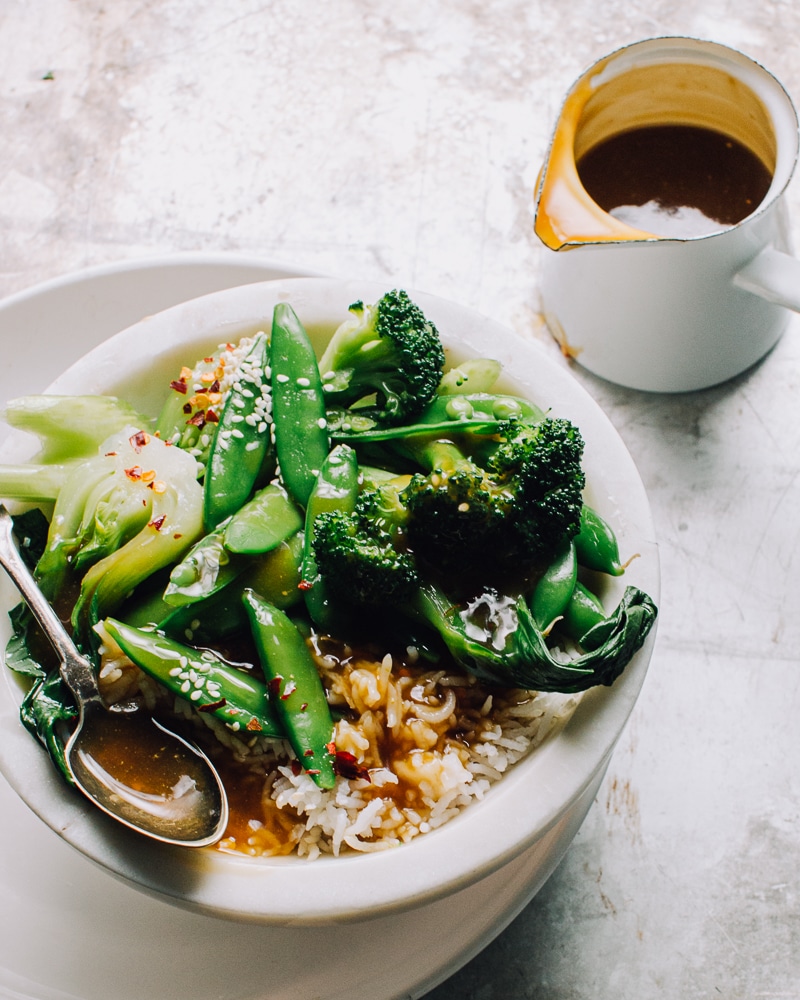
- Roasted Vegetables: Carrots, broccoli, and bell peppers add color and flavor.
- Quinoa Salad: A light, nutty grain that pairs well with salmon.
- Garlic Mashed Potatoes: Creamy and rich, they balance the salmon’s flavor.
- Asparagus: Lightly steamed or grilled for a fresh, crisp texture.
- Mixed Greens: A simple salad with a vinaigrette brings brightness to your plate.
Sauce Pairings
Sauces can elevate the taste of your pan-fried salmon. Here are some ideas:
| Sauce | Description |
|---|---|
| Lemon Butter Sauce | Bright and tangy with a buttery finish. |
| Dill Sauce | Fresh dill mixed with yogurt or sour cream. |
| Garlic Herb Sauce | Garlic and herbs mixed with olive oil. |
| Teriyaki Glaze | Sweet and savory with a hint of ginger. |
| Avocado Salsa | Creamy avocado with tomato and cilantro. |
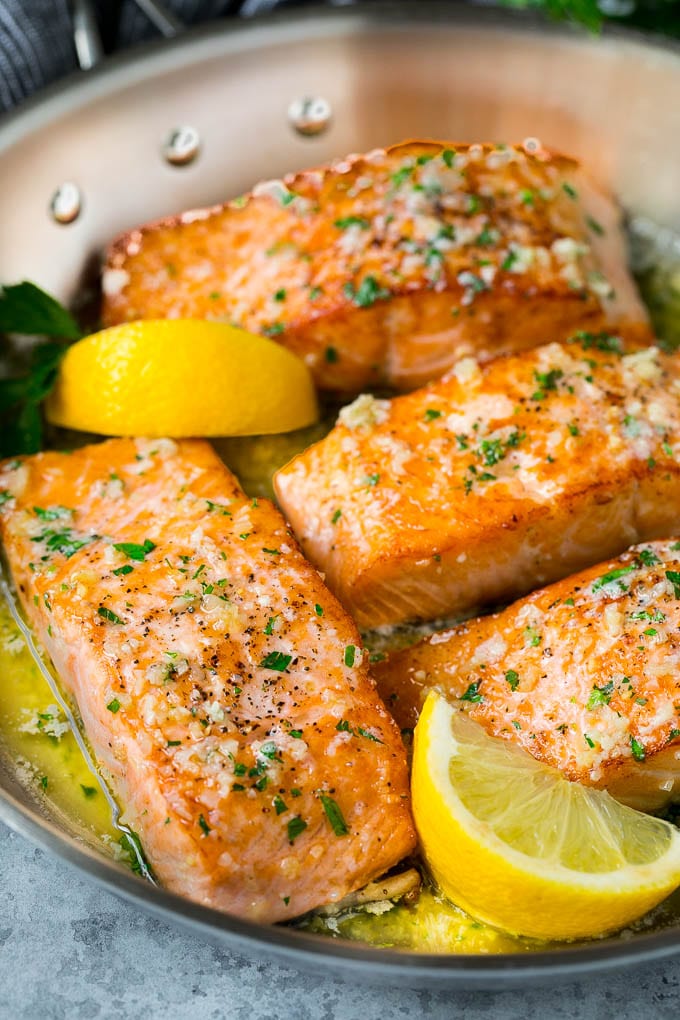
Credit: www.dinneratthezoo.com
Frequently Asked Questions
How Long To Pan Fry Salmon?
Pan fry salmon for 4-5 minutes per side. Ensure the fish is cooked through and has a crispy exterior.
What Temperature To Pan Fry Salmon?
Pan fry salmon at medium-high heat. This ensures the fish cooks evenly and develops a crispy skin.
Should I Use Oil To Pan Fry Salmon?
Yes, use a small amount of oil. It helps to prevent the salmon from sticking to the pan.
How To Know When Salmon Is Done?
Salmon is done when it flakes easily with a fork. The internal temperature should reach 145°F.
Conclusion
Perfectly pan-frying salmon is simple with the right technique. Cook for 3-4 minutes per side for best results. Season well and ensure the pan is hot. Enjoy tender, flavorful salmon every time. Follow these tips to master pan-fried salmon. Happy cooking!