Last Updated on February 13, 2026
Have you ever stood in the kitchen, holding a 32-ounce container, and wondered, “How many cups is this?” If you’ve tried following a recipe or measuring your drinks, you know it’s not always clear. Getting this right can make a big difference in your cooking or daily routine.
In this post, you’ll discover the simple answer and some handy tips to make measuring easy and accurate every time. Keep reading to never guess about ounces and cups again!
Convert Ounces To Cups
Understanding how to convert ounces to cups is useful in cooking and baking. Many recipes list ingredients in ounces, but measuring cups are easier to use. Knowing the exact conversion helps avoid mistakes. It saves time and keeps your recipes accurate.
Standard Cup Measurement
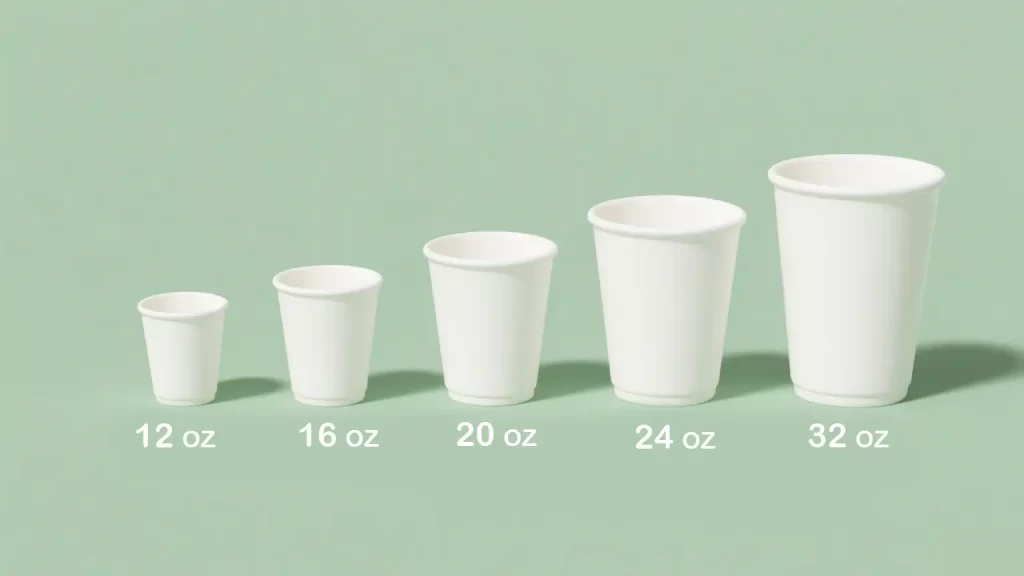
One standard cup equals 8 fluid ounces. This is the usual measurement for liquids in the U.S. So, 32 ounces equals 4 cups. This conversion is simple and direct. It works well for most liquid ingredients like water and milk.
Fluid Ounces Vs Dry Ounces
Fluid ounces measure volume, not weight. Dry ounces measure weight. This difference matters when converting dry ingredients. For liquids, use fluid ounces to cups conversion. For dry ingredients, the weight in ounces does not equal volume in cups. Use a kitchen scale for dry ingredients to be precise.
How Many Cups In 32 Ounces
Understanding how many cups are in 32 ounces helps in cooking and measuring liquids. Recipes often use cups, but some containers show ounces. Knowing the exact conversion makes cooking easier and more accurate. This section explains the cup equivalent of 32 ounces and its common kitchen uses.
Exact Cup Equivalent
32 ounces equals 4 cups. One cup holds 8 ounces of liquid. So, dividing 32 by 8 gives 4 cups exactly. This simple math helps in measuring liquids or dry ingredients. Use this conversion to follow recipes without confusion.
Common Kitchen Uses
Many recipes ask for ingredients in cups or ounces. Knowing 32 ounces is 4 cups helps when using larger containers. It is useful for measuring soups, sauces, and drinks. This conversion also helps when splitting a recipe or adjusting portion sizes.
Measuring Tips For Accuracy
Getting the right measurement is key when dealing with 32 ounces. It affects cooking, baking, and even drink recipes. Small errors can change the final taste or texture. Using the right tools and methods helps avoid these issues. Below are some tips to measure accurately.
Using Measuring Cups
Choose a clear measuring cup with marked lines. Glass or plastic cups work best. Pour the liquid slowly to the desired mark. Place the cup on a flat surface. Look at eye level to read the measurement correctly. This prevents misreading the amount.
Avoiding Common Mistakes
Don’t fill the cup too fast or spill. Avoid guessing the amount by sight from above. Use dry measuring cups for solids, liquid cups for liquids. Check for the right cup size for 32 ounces. Clean your measuring cup before use to avoid residue errors.
Credit: www.ecopulppack.com
Adjusting Recipes With 32 Ounces
Working with 32 ounces in recipes requires clear measurement understanding. This amount equals 4 cups. Knowing this helps adjust recipes easily. You can scale ingredients up or down without confusion. It also allows for accurate ingredient swaps.
Scaling Up Or Down
Use 4 cups as your base for 32 ounces. Need to double a recipe? Multiply each ingredient by two. Want half a recipe? Divide ingredients by two. This keeps proportions correct and flavors balanced. Measuring cups and kitchen scales make this easier. Accurate scaling avoids waste and ensures good results.
Ingredient Substitutions
Substituting ingredients affects recipe volume and taste. For liquids, 32 ounces can be replaced with equal cups of similar liquids. For example, use broth instead of water in soups. Dry ingredients need weight conversion, not just volume. Use a kitchen scale for best accuracy. Adjust seasoning to match new ingredients. This keeps the recipe tasty and balanced.
Tools To Simplify Measurements
Measuring ingredients correctly is key to good cooking and baking. Using the right tools can make this task easier and faster. It helps avoid mistakes and saves time in the kitchen.
Simple tools provide clear measurements, reducing guesswork. They ensure you use the exact amount of ingredients needed for your recipe. Here are two useful tools for measuring 32 ounces and other quantities.
Digital Scales
Digital scales give precise weight measurements in ounces or grams. They are perfect for dry and liquid ingredients. You just place the container on the scale, then reset it to zero before adding your ingredient.
These scales help measure 32 ounces accurately, especially for bulk ingredients. They are easy to read and use. Digital scales reduce errors in measurement and improve cooking results.
Measuring Jugs And Cups
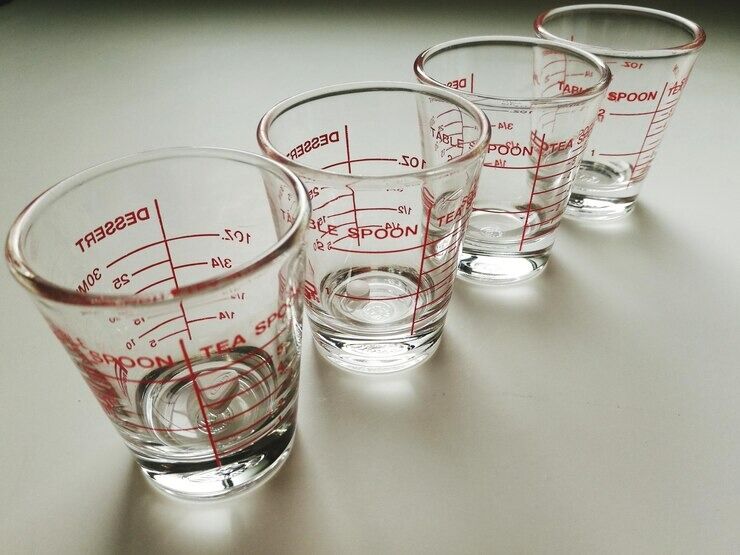
Measuring jugs and cups show volume in ounces, cups, and milliliters. They are common tools in every kitchen. You can see the liquid level clearly and measure 32 ounces with ease.
Use a measuring jug for liquids like water or milk. Measuring cups work well for dry ingredients like flour or sugar. Both tools help get the right amount quickly without confusion.

Credit: www.fusenpack.com
Credit: www.innaturepack.com
Frequently Asked Questions
How Many Cups Are In 32 Ounces?
There are 4 cups in 32 ounces. This is based on the standard US cup measurement, where 1 cup equals 8 ounces.
Is 32 Oz Equal To 4 Cups In Cooking?
Yes, 32 oz equals 4 cups in cooking. This conversion is important for accurate ingredient measurements.
Can I Convert 32 Oz To Cups For Liquids?
Absolutely, 32 oz converts to 4 cups for liquids. This helps when measuring beverages or liquid ingredients.
Does 32 Ounces Always Equal 4 Cups?
Generally, 32 ounces equals 4 cups for fluid measurements. Dry ingredient volumes may vary based on density.
Conclusion
32 ounces equals 4 cups. This simple fact helps in cooking and baking. Measuring liquids becomes easy and fast. No need to guess or use a calculator. Just remember 8 ounces make 1 cup. Keep this in mind for recipes and drinks.
It saves time and avoids mistakes. Now you can measure with confidence. Cooking feels less stressful this way. Simple math makes kitchen tasks smoother. Try it out next time you cook. You will find it very helpful.