Last Updated on February 13, 2026
Have you ever started a recipe and paused, wondering how many tablespoons make up a cup? It’s a common question that can trip up even the most experienced cooks.
Getting your measurements right is key to making your dishes turn out perfectly every time. You’ll discover the simple answer to “How many tablespoons in a cup,” along with tips to help you measure with confidence. Keep reading—you’re about to make your cooking and baking easier and more precise.

Credit: kitchenserf.com
Cup To Tablespoon Basics
Understanding how many tablespoons are in a cup is helpful for cooking and baking. Recipes often use cups to measure ingredients. Sometimes, you may need to convert cups into tablespoons. Knowing the basics of this conversion makes it easier to follow any recipe.
Standard Measurement
One standard cup equals 16 tablespoons. This is true for most dry and liquid ingredients. Measuring cups and spoons use these standard sizes. Using the right tools ensures accurate measurements. Accuracy helps maintain the taste and texture of your dish.
Us Vs Uk Cups
The US cup and UK cup are not the same size. A US cup holds 240 milliliters, while a UK cup holds 284 milliliters. This difference changes the number of tablespoons per cup. In the UK, a cup is about 19 tablespoons. Knowing this helps avoid mistakes in recipes from different countries.
Common Conversion Values
Knowing common conversion values helps in cooking and baking. It makes measuring easy and fast. Understanding how many tablespoons fit in a cup saves time. It also improves recipe accuracy. This section explains these common values clearly.
Tablespoons In One Cup
One cup equals 16 tablespoons. This is a standard measurement used widely. Recipes often use cups and tablespoons interchangeably. Using this value, you can convert cups to tablespoons easily. For example, 2 cups equal 32 tablespoons.
Fractional Measurements
Sometimes recipes need fractional cup measurements. For half a cup, use 8 tablespoons. A quarter cup equals 4 tablespoons. Three-quarters of a cup is 12 tablespoons. These fractions help with precise measuring. They are useful for small recipe changes.
Measuring Dry Ingredients
Measuring dry ingredients correctly is key to good cooking and baking. Using the right amount keeps your recipes balanced. It also helps you avoid mistakes and wasted ingredients. Knowing how many tablespoons are in a cup makes measuring easier and faster.
Dry ingredients vary in weight and texture. This affects how you measure them. Some require scooping, others need leveling off. This guide shows the right way to measure common dry ingredients.
Flour
One cup of flour equals 16 tablespoons. Spoon the flour into your measuring cup gently. Do not pack it down. Level the top with a flat edge. This method gives an accurate measurement for baking.
Sugar
Granulated sugar also equals 16 tablespoons per cup. Scoop sugar directly into the cup. Level it off with a knife or spatula. This stops too much sugar from changing the recipe.
Other Dry Goods
Items like cocoa powder, baking powder, and oats also use 16 tablespoons per cup. Some ingredients, like brown sugar, should be packed tightly. Always check your recipe for special instructions. Correct measuring ensures your dish turns out just right.
Measuring Liquid Ingredients
Measuring liquid ingredients is an important step in cooking and baking. Precise measurements ensure the best results. Using tablespoons and cups correctly makes recipes easier to follow. Understanding how many tablespoons fit into a cup helps avoid mistakes.
Water And Milk
Water and milk are common liquids in recipes. One cup equals 16 tablespoons for these liquids. Measuring cups designed for liquids show clear markings. Pour water or milk slowly to the right line. Using tablespoons can help measure small amounts. Always level the liquid to avoid extra volume.
Oils And Syrups
Oils and syrups are thicker liquids. They also follow the 16 tablespoons per cup rule. Measuring these liquids needs care to prevent spills. Use a spoon to transfer oil or syrup into the cup. Clean the spoon between uses to keep amounts accurate. For sticky syrups, warm the container slightly for easier pouring.
Tips For Accurate Measuring
Accurate measuring is key to successful cooking and baking. Small mistakes can change the taste and texture of your dish. Knowing the right tips helps you measure ingredients correctly every time.
Leveling Techniques
Fill the measuring spoon or cup completely. Use a flat edge, like the back of a knife, to level it off. This removes extra ingredient hanging over the edge. Leveling gives a true measure and avoids adding too much.
Do not tap or shake the spoon to pack ingredients. This can cause you to add more than needed. Gently scoop and level for best results.
Using Measuring Tools
Use the right measuring tool for the ingredient type. Dry ingredients need dry measuring cups or spoons. Liquid ingredients require clear liquid measuring cups with a spout.
Hold liquid cups at eye level to check the amount. This avoids pouring too much or too little. Use standard measuring spoons for small amounts like tablespoons and teaspoons.

Credit: www.reddit.com
Conversion Chart For Quick Reference
A conversion chart helps you find measurements fast. It saves time during cooking or baking. No need to guess or calculate each time.
This chart shows how many tablespoons are in a cup and other common measures. It makes your kitchen work easier and more accurate.
Tablespoons In One Cup
One cup equals 16 tablespoons. This is the basic conversion for most recipes.
Tablespoons In Half A Cup
Half a cup contains 8 tablespoons. Use this for smaller ingredient amounts.
Tablespoons In A Quarter Cup
A quarter cup has 4 tablespoons. Perfect for precise measurements.
Other Useful Measurements
One tablespoon equals 3 teaspoons. This helps with tiny ingredient amounts.
One cup equals 48 teaspoons. Good to know for very small measures.
Adjusting Recipes With Conversions
Adjusting recipes requires knowing how to convert measurements correctly. This skill helps you change the amount of ingredients without spoiling the dish. Understanding how many tablespoons are in a cup is key to accurate conversions. It makes cooking easier and more precise.
Scaling Ingredients
Scaling ingredients means changing the recipe size. You might want to cook for fewer or more people. Use the conversion: 1 cup equals 16 tablespoons. Multiply or divide the tablespoons to get the new amount. This keeps the balance of flavors right.
For example, half a cup is 8 tablespoons. Double a recipe? Use 32 tablespoons instead of 2 cups. Accurate scaling avoids waste and saves money.
Substituting Measurements
Sometimes, you don’t have the exact measuring tool. Convert cups to tablespoons for easy substitution. If a recipe calls for ¾ cup, use 12 tablespoons instead. This trick works well for dry and liquid ingredients.
Keep a measuring chart nearby. It helps switch between cups, tablespoons, and teaspoons fast. Substitution keeps cooking smooth and stress-free.
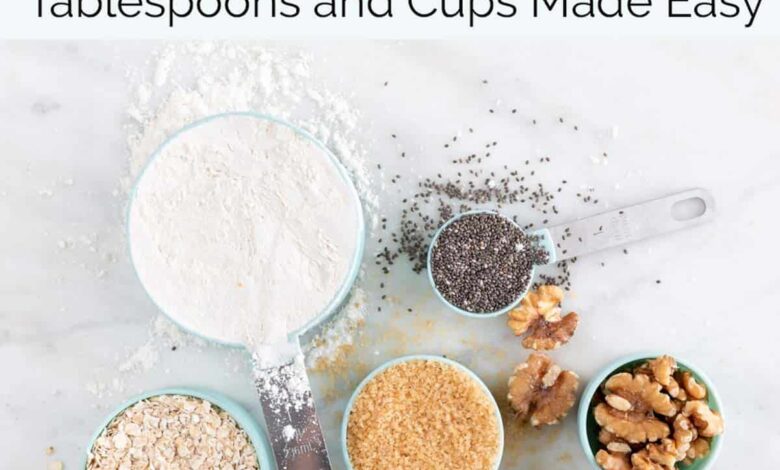
Credit: usatechnews.co.uk
Frequently Asked Questions
How Many Tablespoons Are In One Cup?
There are 16 tablespoons in one cup. This standard measurement helps in accurate cooking and baking. Knowing this conversion makes recipes easier to follow.
Can Tablespoon To Cup Conversion Vary By Ingredient?
No, the tablespoon to cup conversion is consistent for volume. However, weight varies by ingredient due to density differences. Use volume measures for liquids and dry ingredients accordingly.
Why Is Knowing Tablespoons In A Cup Important?
Understanding tablespoons in a cup ensures precise measurements. This accuracy improves cooking results and recipe consistency. It prevents common baking and cooking errors.
How To Convert Tablespoons To Cups Quickly?
Divide the number of tablespoons by 16 to get cups. For example, 32 tablespoons equal 2 cups. This simple math saves time while cooking.
Conclusion
Knowing how many tablespoons are in a cup helps in cooking and baking. One cup equals 16 tablespoons. This simple fact makes measuring ingredients easier. It saves time and prevents mistakes. Always remember this conversion for better results. Use it when following recipes or creating your own.
Cooking becomes less stressful with clear measurements. Keep this tip in mind next time you cook. It makes your kitchen work smoother and faster. Simple and useful—just what every cook needs.