Last Updated on December 14, 2025
When it comes to choosing the perfect butcher block for your kitchen, one question probably pops into your mind: how thick should it be? The thickness of your butcher block affects not just the look, but also its strength, durability, and how well it fits your daily needs.
You want a surface that feels solid under your hands but still matches your space and style. You’ll discover everything you need to know about butcher block thickness—so you can make the best choice with confidence. Keep reading to find out what thickness works best for your kitchen and why it matters more than you might think.
Common Butcher Block Thicknesses
Butcher blocks come in various thicknesses. These thicknesses affect strength, durability, and use. Knowing the common thickness options helps choose the right block for your needs. Thickness also impacts the block’s look and weight.
Standard Thickness Options
Most butcher blocks have thicknesses between 1.5 inches and 3 inches. The common sizes are 1.5, 2, 2.5, and 3 inches. Thicker blocks offer more durability and last longer. Thinner blocks are lighter and easier to move. Some custom blocks may be thicker than 3 inches.
Thickness For Different Uses
Thicker butcher blocks suit heavy chopping and cutting tasks. They resist deep knife marks and warping. These are perfect for kitchen islands and workbenches. Thinner blocks work well for light chopping or serving boards. They are easier to clean and store. Choose thickness based on how often and hard you use it.
Factors Influencing Thickness Choice
Choosing the right thickness for butcher block depends on several factors. These factors help balance strength, weight, and style. Understanding them makes your choice easier. Below are key points to consider when selecting thickness.
Durability And Longevity
Thicker butcher blocks last longer and resist damage better. They handle heavy chopping and frequent use without warping. Thicker wood stands up to moisture and heat more effectively. This makes them ideal for busy kitchens.
Weight Considerations
Thicker blocks weigh more and can be hard to move. This affects installation and how you use your countertop. Lighter blocks suit smaller kitchens or movable islands. Choose thickness that fits your space and ease of handling.
Aesthetic Preferences
Thickness changes the look of your kitchen. Thick blocks create a bold, rustic feel. Thinner blocks offer a sleek, modern appearance. Pick a thickness that matches your kitchen style and personal taste.
Thickness For Kitchen Countertops
Choosing the right thickness for butcher block kitchen countertops affects durability and appearance. Thickness plays a key role in how the countertop performs daily. It also changes the style of the kitchen space. Understanding the ideal thickness helps in making the best choice for your home.
Ideal Thickness Range
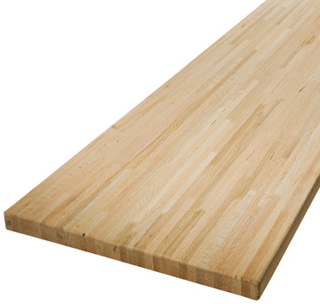
Butcher block countertops usually come in thicknesses between 1.5 and 2.5 inches. This range offers a strong surface for cutting and cooking tasks. Thinner slabs may look sleek but can feel less sturdy. Thicker slabs add weight but bring a more substantial feel.
Most kitchens use blocks around 1.75 to 2 inches thick. This size balances strength with ease of installation. Thicker edges can also support built-in sinks or cutting boards.
Balancing Strength And Style
Thicker butcher blocks bring a bold, rustic look to kitchens. They stand out as a strong centerpiece. Thinner blocks create a modern, streamlined style. They fit well in small or minimalist kitchens.
Strength matters for heavy use and longevity. Choose thickness based on kitchen activity and design. A solid countertop lasts longer and handles more wear. Style choices affect how thickness impacts the room’s feel.
Credit: www.woodworkersjournal.com
Thickness For Cutting Boards
Choosing the right thickness for butcher block cutting boards is important. Thickness affects durability, weight, and how easy the board is to use. It also impacts how long the board will last and how well it protects your knives.
Optimal Thickness For Cutting
Most butcher block cutting boards range from 1 to 2 inches thick. A board around 1.5 inches is strong and stable. It resists warping and can handle heavy chopping. Thinner boards may be lighter but can wear out fast. Thicker boards offer more durability but weigh more.
Portability And Storage
Thicker boards tend to be heavy and harder to move. They take up more space in your kitchen. If you need to store or carry your board often, choose a thinner one. A thinner board is lighter and fits easier in cupboards or drawers. Balance thickness with your kitchen size and how you use the board.
Custom Thickness Options
Butcher blocks come in various thicknesses to meet different needs. Custom thickness options allow you to get the perfect size for your project. These options provide flexibility and ensure the block fits well in your space.
Choosing the right thickness affects durability and appearance. Thicker blocks last longer and support heavy cutting tasks. Thinner blocks work well for light use or smaller areas.
Tailoring To Specific Needs
Custom thickness lets you match the butcher block to your kitchen style. You can choose a thickness that suits your countertop height. This helps create a seamless look and comfortable workspace.
Some projects require unique thicknesses for special purposes. For example, islands or worktables may need extra thickness for stability. Custom options help you meet these special demands easily.
Working With Suppliers
Many suppliers offer custom thickness services for butcher blocks. Communicate your exact needs clearly to get the right size. Ask about the available thickness ranges and material options.
Good suppliers provide advice on the best thickness for your use. They can suggest options based on durability and budget. This support makes the ordering process smooth and stress-free.
Maintenance And Care Based On Thickness
Maintaining butcher block depends greatly on its thickness. Thicker blocks need different care than thinner ones. Understanding these differences helps keep your butcher block durable and looking good.
Sealing And Finishing Tips
Thicker butcher blocks absorb oils and finishes better. Apply a food-safe oil or sealant regularly. This protects the wood from moisture and stains. For thinner blocks, use less oil to avoid warping. Let the finish dry completely before use. Reapply oil every few weeks for best results.
Repairing Thicker Vs Thinner Blocks
Thicker butcher blocks can handle sanding and deep repairs. Sand out scratches and cuts carefully. You can also plane the surface if needed. Thinner blocks require gentler sanding to avoid damage. Deep cuts may weaken thin blocks. Use wood filler for minor repairs on both types. Always finish repairs with oil or sealant to protect the wood.
Cost Implications Of Thickness
Butcher block thickness affects the overall cost significantly. Thicker blocks use more wood, raising the price. This makes it important to understand how thickness impacts your budget. Choosing the right thickness balances cost and durability for your needs.
Price Differences By Thickness
Thin butcher blocks usually cost less. They use less material and weigh less. Standard thickness ranges from 1.5 inches to 3 inches. Thicker blocks, such as 3 inches or more, cost more due to extra wood. The price gap can be noticeable between 1.5-inch and 3-inch blocks. Custom thicknesses increase cost further.
Value For Money Considerations
Thicker butcher blocks last longer and resist damage better. They handle heavy cutting and chopping without warping. Investing in a thicker block may save money over time. Thin blocks might need replacement sooner. Consider how often you will use the block. Durability often outweighs the initial higher price.

Credit: www.reddit.com

Credit: www.walmart.com
Frequently Asked Questions
What Is The Standard Thickness Of Butcher Block Countertops?
The standard thickness of butcher block countertops is typically 1. 5 inches to 1. 75 inches. Some custom options range from 1 inch to 3 inches depending on design and usage requirements. This thickness balances durability with aesthetic appeal for kitchen surfaces.
How Thick Should A Butcher Block Island Be?
Butcher block islands are usually thicker than regular countertops, often 1. 5 to 2. 5 inches thick. Thicker blocks provide extra strength and support for heavy kitchen tasks and frequent use while maintaining a robust appearance.
Does Thicker Butcher Block Improve Durability?
Yes, thicker butcher blocks generally offer better durability and resistance to warping. They can withstand heavy chopping and frequent use longer than thinner blocks, making them ideal for busy kitchens and professional environments.
Can Butcher Block Thickness Affect Kitchen Design?
Absolutely. Thicker butcher blocks create a bold, substantial look, while thinner ones offer a sleeker, modern feel. Choosing the right thickness can complement your kitchen’s style and functionality effectively.
Conclusion
Butcher block thickness affects durability and use. Thicker blocks last longer and handle heavy tasks. Thinner blocks suit light kitchen work and save space. Choose thickness based on your cooking style and kitchen size. Proper care helps maintain your butcher block’s strength.
Knowing the right thickness ensures better kitchen performance. It also adds style and function to your space. Consider all factors before picking your butcher block. This helps you enjoy it for many years.