Last Updated on March 9, 2026
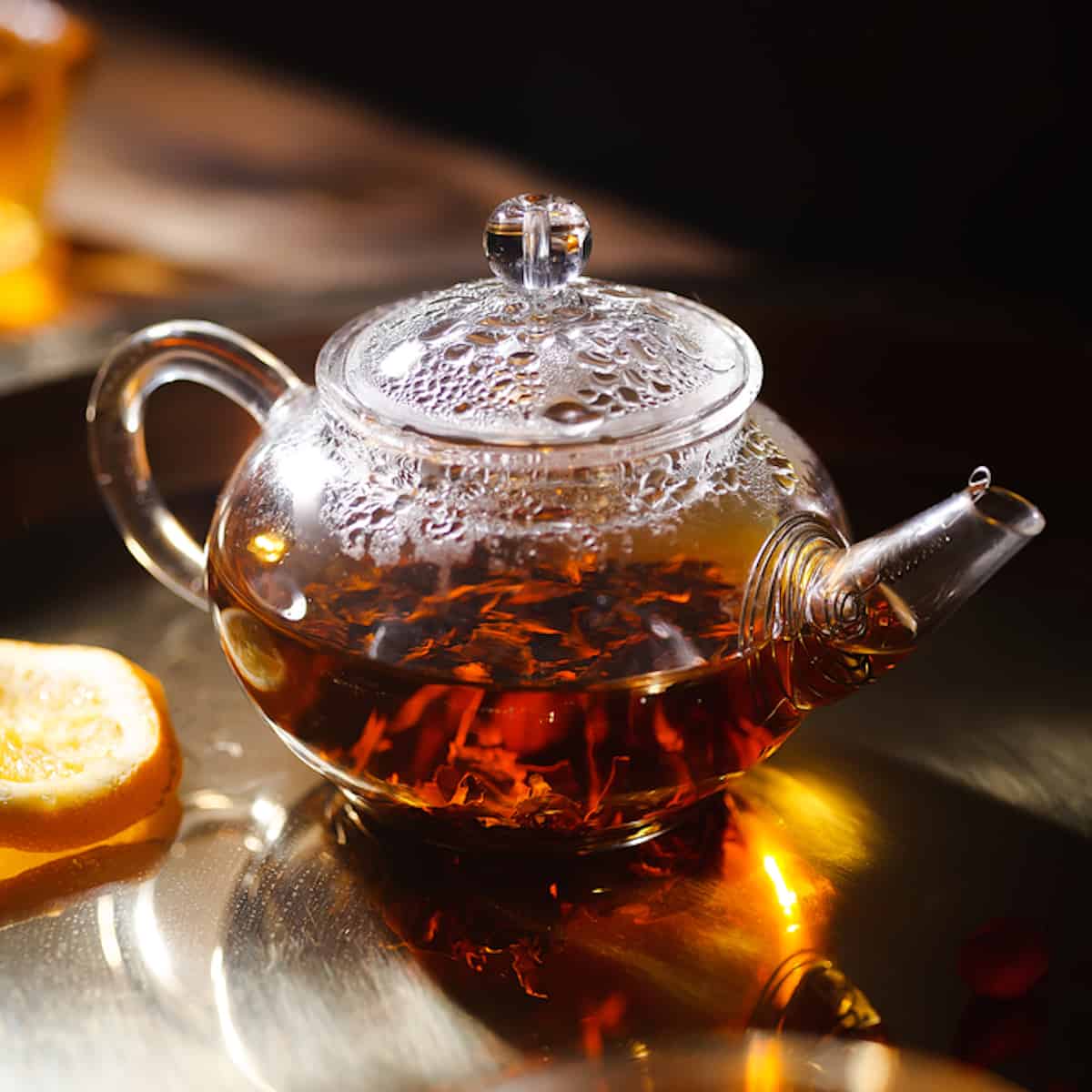
Brewing tea in a teapot is more than just a simple task—it’s a ritual that can transform your daily routine. Imagine the soothing aroma filling your room, the warmth of the pot in your hands, and that first perfect sip calming your mind.
But how do you get it just right every time? If you want to unlock the secret to a flavorful, smooth cup of tea, this guide will show you exactly how to brew tea in a teapot like a pro.
Keep reading, and you’ll discover easy steps that make your tea experience truly enjoyable.
Credit: www.lifeisbetterwithtea.com
Choosing The Right Teapot
Choosing the right teapot is key to brewing great tea. It affects the flavor and experience. A good teapot keeps tea warm and allows leaves to steep properly. Think about material, size, shape, and design. These factors change how your tea tastes and how easy it is to brew.
Materials And Their Impact
Teapots come in many materials like ceramic, glass, cast iron, and clay. Ceramic teapots keep heat well and are easy to clean. Glass teapots let you watch the tea leaves unfold. Cast iron teapots hold heat for a long time but need care to avoid rust. Clay teapots can add flavor to some teas but take time to season. Choose a material that fits your tea type and style.
Size Matters
Teapots come in different sizes. Pick one that suits how many people you serve. Small teapots are good for one or two cups. Larger ones work well for groups or gatherings. A right size ensures tea stays fresh and warm. Avoid too big pots if you only drink a cup or two. Too small pots make brewing multiple cups hard.
Shape And Design
Shape affects how tea leaves move and steep. Round teapots allow leaves to swirl freely. Tall, narrow pots keep leaves at the bottom. Handle and spout design affect pouring. A good spout pours smoothly without dripping. Comfortable handles make pouring easy. Choose a design that feels right and suits your brewing method.
Selecting Quality Tea Leaves
Selecting quality tea leaves is key to brewing a perfect cup of tea. The flavor and aroma depend on the leaves you choose. Good tea leaves create a rich, smooth taste. Poor quality leaves can make your tea bitter or dull. Understanding tea types and freshness helps you pick the best leaves for your teapot.
Types Of Tea Leaves
Tea leaves come in many types. Black, green, white, oolong, and herbal teas are common. Black tea leaves are fully fermented and strong. Green tea leaves are lightly steamed or pan-fired for freshness. White tea uses young leaves and buds. Oolong tea is partially fermented, offering a balance of flavors. Herbal teas are made from flowers or herbs, not tea leaves. Each type has its own taste and brewing style.
Freshness And Storage
Fresh tea leaves give the best flavor. Old or stale leaves lose aroma and taste. Store tea in a cool, dry place. Keep leaves away from light and air. Use airtight containers to preserve freshness. Avoid storing tea near strong smells, as it absorbs odors easily. Check the packaging date to buy fresh tea. Fresh leaves make your brewed tea more enjoyable.
Preparing The Teapot
Preparing the teapot is the first step to a great cup of tea. It helps to bring out the best flavors. A clean and warm teapot keeps the tea hot longer. This small effort makes a big difference in taste.
Cleaning The Teapot
Start by rinsing the teapot with warm water. Avoid using soap as it can leave a taste. Use a soft cloth or sponge to remove any stains. Clean the lid and spout too. A clean teapot ensures fresh tea flavor every time.
Warming The Teapot
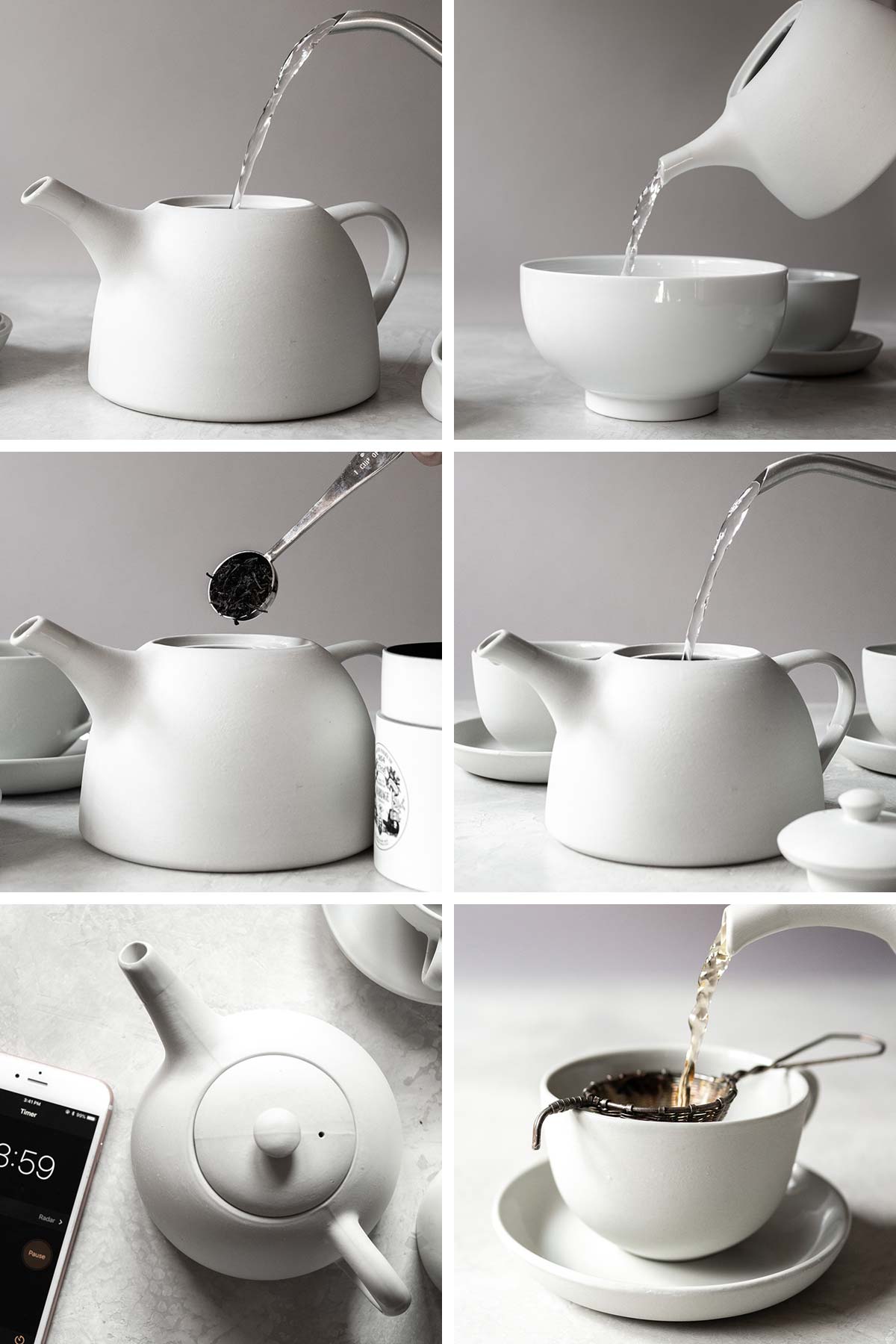
Pour hot water into the teapot and swirl it around. This warms the pot evenly. Let the water sit for a minute or two. Then, pour the water out. A warm teapot keeps the tea hot and helps the leaves brew better.
Credit: www.ohhowcivilized.com
Water Temperature And Quality
Water temperature and quality play a big role in brewing tea in a teapot. The right temperature helps release the best flavors. Clean water keeps the taste pure. Both affect the final cup of tea you enjoy.
Ideal Temperatures For Different Teas
Different teas need different water temperatures. Green tea is delicate and tastes best at 160°F to 180°F. Black tea needs hotter water, around 200°F to 212°F. White tea works well between 170°F and 185°F. Oolong tea prefers 190°F to 200°F. Using the right temperature stops bitterness and brings out smooth flavors.
Using Filtered Water
Filtered water improves tea taste. Tap water may have chemicals and minerals that change flavor. Using clean, filtered water makes tea taste fresh and pure. Avoid bottled water with added minerals. Fresh, plain water helps your teapot brew better tea every time.
Measuring Tea Leaves
Measuring tea leaves correctly is key to a good brew. Too many leaves can make the tea bitter. Too few leaves make it weak and bland. Finding the right amount helps bring out the best flavor. Let’s explore how to measure tea leaves for your teapot.
Proper Leaf Quantity
Use about one teaspoon of loose tea leaves per cup of water. For a standard teapot, add one tablespoon for every four cups. This is a good starting point for most teas. Adjust based on the type of tea and your taste. Green and white teas often need less tea leaves. Black and herbal teas usually require more.
Adjusting Strength
Want stronger tea? Add more leaves in small steps. Use half a teaspoon extra per cup for a stronger taste. For lighter tea, reduce the leaves by the same amount. Remember, steeping time also affects strength. Shorter steeping gives lighter tea. Longer steeping makes it stronger. Experiment to find your perfect balance.
Brewing Time Tips
Brewing tea in a teapot needs careful timing. The right steeping time brings out the best taste. Too short, and the tea will be weak. Too long, and the tea may become bitter. Knowing the perfect brewing time helps make every cup enjoyable.
Steeping Durations By Tea Type
Different teas need different steeping times. Green tea usually needs 2 to 3 minutes. Black tea tastes best after 3 to 5 minutes. Herbal teas often need longer, around 5 to 7 minutes. Oolong tea should steep for 4 to 7 minutes. Follow these times for the best flavor.
Avoiding Oversteeping
Oversteeping makes tea taste bitter and harsh. Remove the tea leaves from the teapot at the right time. Use a timer to keep track. If you plan to leave tea in the pot, use a tea infuser. It stops the leaves from staying in the water too long.
Serving The Tea
Serving tea from a teapot is an important part of the tea experience. It brings out the best taste and aroma. The right way to serve helps keep the tea warm and fresh. It also shows care for your guests or yourself. Simple steps make tea time pleasant and relaxing.
Pouring Techniques
Hold the teapot by its handle firmly. Tilt it slowly over the cup. Pour tea in a steady stream. Avoid splashing or spilling. Leave some space at the top of the cup. This stops the tea from spilling when moved. Pour tea evenly for each cup. This keeps the taste balanced for all.
Enhancing Flavor With Additions
Additions can boost your tea’s flavor. Lemon slices add a fresh, tangy note. Honey or sugar sweetens without overpowering. Milk softens strong black teas. Add these after pouring tea into cups. Stir gently to mix. Taste as you go to avoid too much. Choose additions that match the tea type.
Cleaning And Maintenance
Keeping your teapot clean is key to enjoying fresh tea every time. Good cleaning and maintenance help your teapot last longer. It also stops bad smells and stains from building up. Follow these simple tips to care for your teapot.
Post-brewing Care
After brewing, empty the teapot completely. Rinse it with warm water to remove tea leaves and residue. Avoid using soap if your teapot is made of clay or cast iron. Let the teapot air dry with the lid off. This stops moisture and mold from growing inside.
Preventing Stains And Odors
Tea can leave stains and smells over time. Clean your teapot regularly to prevent this. Use a soft brush or cloth to scrub gently inside. For stubborn stains, mix baking soda with water into a paste. Apply it inside and leave for 15 minutes before rinsing. Keep your teapot dry and store it in a cool place. This keeps it fresh and ready for your next brew.

Credit: www.youtube.com
Frequently Asked Questions
How Do I Prepare A Teapot For Brewing Tea?
Rinse your teapot with hot water before brewing. This warms the pot and enhances tea flavor. Avoid soap to prevent residue taste.
What Is The Ideal Water Temperature For Brewing Tea?
Use water temperature according to tea type. Black tea needs boiling water, while green tea requires cooler water around 175°F (80°C). Correct temperature ensures perfect flavor extraction.
How Long Should I Steep Tea In A Teapot?
Steep tea for 3-5 minutes generally. Adjust steeping time based on tea type and personal taste. Over-steeping can cause bitterness.
Can I Reuse Tea Leaves In A Teapot?
Yes, you can reuse tea leaves 1-2 times. Each infusion offers a different flavor profile. Increase steeping time for reused leaves.
Conclusion
Brewing tea in a teapot brings out rich flavors and warmth. Use fresh water and the right tea amount for best taste. Let the tea steep for a few minutes, then pour slowly. Enjoy the calm moment with a perfect cup.
Practice makes your tea better each time. Simple steps lead to a great tea experience. Try different teas to find your favorite. Brewing tea can be easy and relaxing. Your teapot helps create a special tea time every day.