Last Updated on December 25, 2025
Are you tired of a cluttered pantry where finding what you need feels like a treasure hunt? Building shelves in your pantry can change all that.
Imagine opening your pantry to neatly organized shelves that make every item easy to reach and see. In this guide, you’ll discover simple steps to create sturdy, custom shelves that fit your space perfectly. Whether you have a small nook or a large closet, you’ll learn how to maximize your storage and keep your pantry looking great.
Ready to take control of your pantry and make your kitchen more efficient? Let’s get started!
Credit: angelamariemade.com
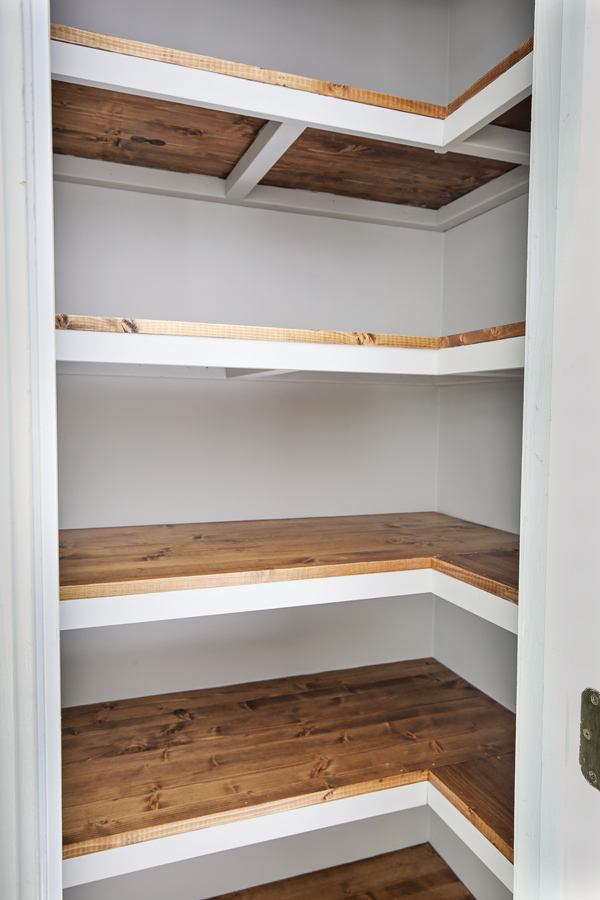
Planning Your Pantry Shelves
Planning your pantry shelves is the first step to a neat and useful storage space. Good planning helps fit everything well and saves time later. It also makes sure shelves are strong and last a long time.
Measuring Space Accurately
Start by measuring your pantry’s width, height, and depth. Use a tape measure for exact numbers. Measure wall to wall and note any obstacles like pipes or outlets. Write down these numbers carefully. Accurate measurements prevent mistakes and wasted materials.
Choosing Shelf Materials
Select materials that are sturdy and fit your budget. Wood is popular because it looks nice and holds weight well. Metal shelves are strong and easy to clean. Plastic shelves resist moisture but may not hold heavy items. Think about the items you want to store and pick materials accordingly.
Designing Shelf Layout
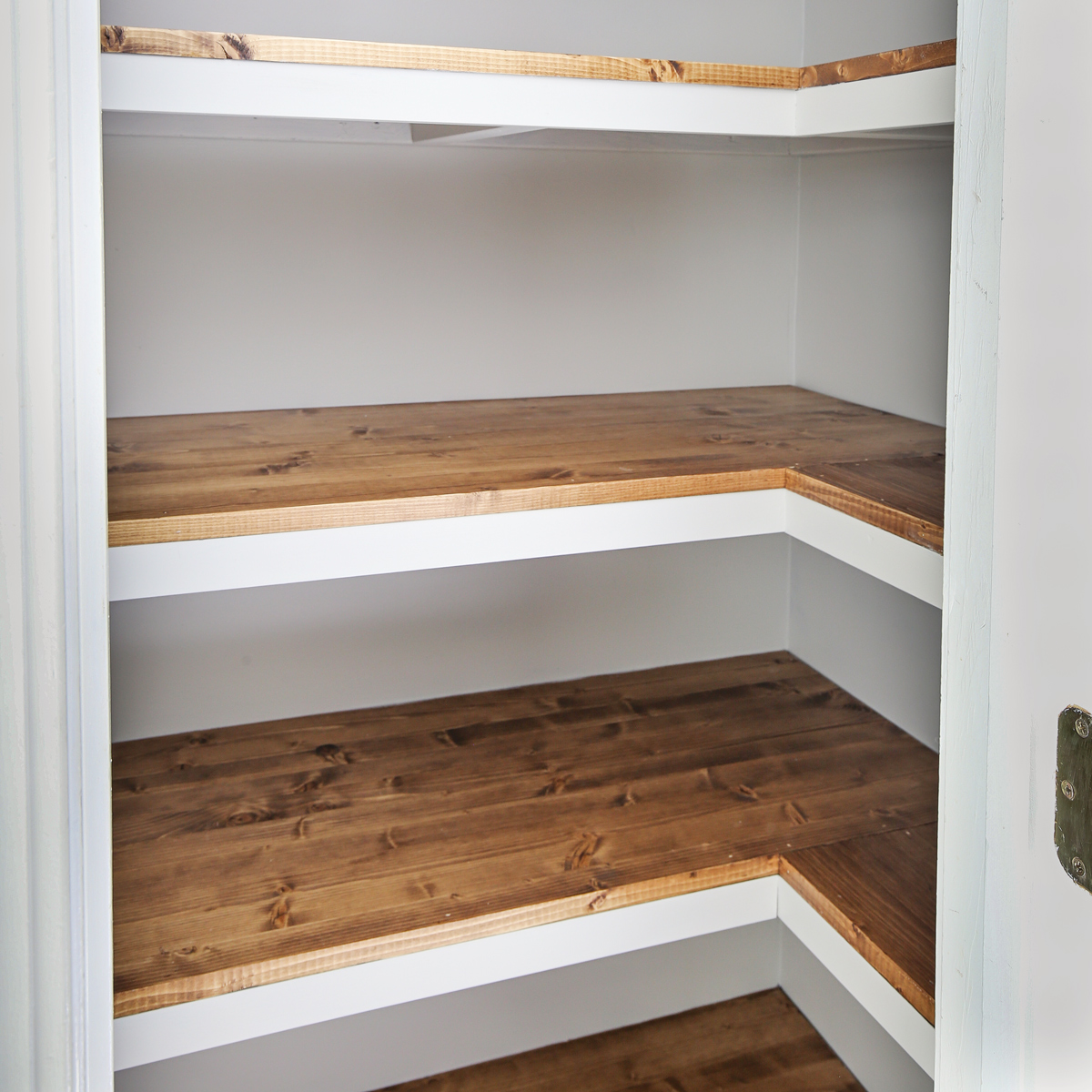
Plan shelves at different heights for various items. Tall shelves for big containers, short ones for cans or jars. Leave enough space between shelves for easy access. Consider adding adjustable shelves for flexibility. A smart layout helps keep your pantry tidy and items visible.
Credit: angelamariemade.com
Gathering Tools And Supplies
Building shelves in your pantry starts with gathering the right tools and supplies. Having everything ready makes the project smooth and efficient. You avoid delays and guesswork. This step helps ensure your shelves are sturdy and fit perfectly.
Essential Tools Checklist
Start with these must-have tools:
- Measuring tape
- Level
- Power drill with bits
- Screwdriver
- Stud finder
- Handsaw or circular saw
- Hammer
- Sandpaper
These tools help you measure, cut, and fix shelves safely and accurately.
Selecting Hardware
Choose the right hardware for strong shelves. Use brackets designed for weight support. Pick screws that fit your wall type. Drywall anchors or wall plugs may be needed. Wood screws are great for studs. Good hardware keeps shelves steady and safe.
Safety Gear Tips
Wear safety glasses to protect your eyes. Use gloves for hand protection. Hearing protection is important when using power tools. A dust mask can prevent inhaling sawdust. Safety gear keeps you safe during the work. Do not skip this step.
Preparing The Pantry Area
Preparing the pantry area is the first step to building strong and useful shelves. This stage helps you work safely and get good results. It also saves time by making sure everything is ready before you start building.
Focus on cleaning, measuring, and checking the walls. These tasks make the shelf installation easy and long-lasting. Each step helps create a neat and organized pantry space.
Clearing And Cleaning Space
Remove all items from the pantry. Empty shelves, boxes, and containers. Clear the floor area for easy movement.
Clean the walls, floor, and corners. Use a cloth or brush to remove dust and dirt. A clean space helps shelves stick better and look nice.
Marking Shelf Positions
Decide where each shelf will go. Measure the height and width carefully. Mark spots on the wall with a pencil.
Use a level tool to draw straight lines. This keeps shelves balanced and even. Mark all shelf heights before drilling or nailing.
Checking Wall Studs
Find wall studs to hold the shelves firmly. Use a stud finder or tap the wall to listen for solid spots.
Mark the stud positions clearly. Shelves need strong support to hold heavy items safely. Avoid placing shelves only on drywall.
Cutting And Assembling Shelves
Cutting and assembling shelves is a key step in building a pantry. It shapes the wood and puts the parts together. This step needs care and simple tools. Good measurements and clean cuts make shelves strong and neat. Follow clear steps for the best results.
Measuring And Cutting Wood
Start by measuring the space inside your pantry. Write down the width and depth for each shelf. Use a tape measure for accuracy. Mark these measurements on your wood pieces with a pencil. Cut the wood carefully along the marks using a saw. Take your time to keep the cuts straight and clean.
Sanding And Finishing Edges
After cutting, the edges may be rough. Use sandpaper to smooth all sides and corners. Sanding prevents splinters and gives a nice finish. Wipe the dust away with a dry cloth. You can also apply a wood finish or paint. This step protects the wood from moisture and stains.
Assembling Shelf Components
Gather all shelf parts and tools like screws and a drill. Arrange the pieces in order before joining them. Attach the shelf boards to the side supports carefully. Use screws to secure the parts firmly. Check that the shelf is level and stable. Tighten all screws to avoid wobbling.
Installing Shelf Brackets
Installing shelf brackets is a key step in building sturdy pantry shelves. These brackets hold the shelves safely and keep them from sagging. Proper installation ensures your shelves last long and support heavy items.
Locating Studs For Support
Find wall studs to secure the shelf brackets firmly. Studs provide the best support for heavy pantry items. Use a stud finder tool to locate them behind the drywall. Mark the stud locations with a pencil for easy reference.
Mounting Brackets Securely
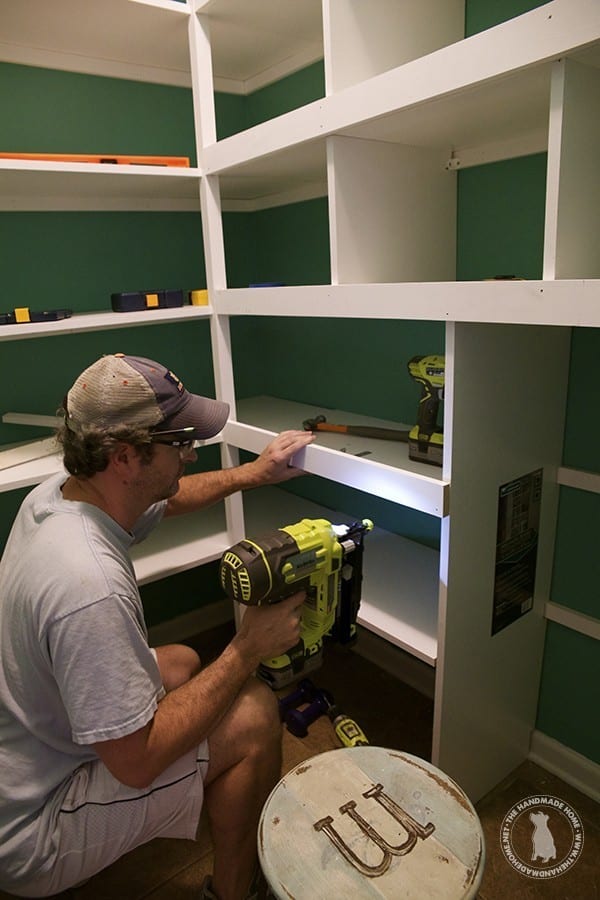
Align the brackets with the marked stud locations. Use screws that are long enough to reach deep into the studs. Drill pilot holes before screwing to prevent wood splitting. Tighten screws firmly to avoid any movement.
Ensuring Level Alignment
Check the bracket level before fixing them completely. Use a bubble level tool for accuracy. Adjust the brackets until they are perfectly horizontal. Level brackets keep shelves straight and prevent items from sliding off.
Credit: www.thehandmadehome.net
Mounting Shelves In Pantry
Mounting shelves in your pantry is a key step to organizing your space. Proper mounting ensures the shelves hold weight safely and last long. Take time to place and secure each shelf carefully. Follow clear steps to avoid mistakes and enjoy a sturdy pantry setup.
Placing Shelves On Brackets
Start by placing each shelf gently on the brackets. Align the shelf so it fits snugly and straight. Make sure the shelf sits fully on the bracket arms. Check both ends to avoid tilting or gaps. This step helps the shelf stay balanced and ready for use.
Securing Shelves In Place
Use screws or small nails to fix the shelves to the brackets. Secure the shelf from underneath to keep it steady. Do not skip this step to prevent shelves from moving. Tighten fasteners without cracking the wood. Proper securing keeps your pantry safe and organized.
Final Stability Checks
Push gently on each shelf to test stability. Watch for any wobbling or shifting under light pressure. If a shelf feels loose, tighten the screws more. Check the wall anchors for a strong hold. A final check prevents accidents and gives you peace of mind.
Organizing Pantry Storage
Organizing pantry storage makes finding items quick and easy. A well-organized pantry keeps food fresh and reduces waste. Simple steps can make your pantry neat and functional.
Good organization also helps you see what you have. It stops buying duplicates and saves money. Start with clear goals for your pantry layout.
Maximizing Space Efficiency
Use vertical space by adding extra shelves. Stack items carefully to avoid clutter. Store heavy items on lower shelves for safety. Keep frequently used products at eye level. Use door racks for small items and spices.
Using Storage Containers
Clear containers show what is inside easily. Use airtight containers to keep food fresh. Group similar items together for neatness. Containers save space by stacking well. Avoid using original packaging to reduce mess.
Labeling And Categorizing Items
Labels help find items fast without searching. Group foods by type like grains, snacks, or spices. Use simple words for easy reading. Place labels on containers and shelves. Keep categories consistent to maintain order.
Maintaining Your Pantry Shelves
Maintaining your pantry shelves keeps them strong and looking good. It helps your pantry stay neat and organized. Simple care steps make your shelves last longer. Spend a little time regularly to keep everything in top shape.
Regular Cleaning Tips
Wipe shelves with a damp cloth often. Remove crumbs and dust to prevent buildup. Use mild soap if shelves are sticky or stained. Dry shelves completely to avoid moisture damage. Clean jars and containers before placing them back.
Inspecting For Damage
Check shelves for cracks or loose screws monthly. Look for signs of water damage or warping. Tighten brackets and screws if shelves feel shaky. Replace any broken parts quickly to avoid accidents. Early fixes keep shelves safe and strong.
Updating Storage As Needed
Rearrange items to fit new containers or packages. Remove expired food and old containers regularly. Add extra bins or baskets to improve organization. Adjust shelf height for larger items if needed. Keep your pantry flexible for changing storage needs.
Frequently Asked Questions
What Materials Do I Need To Build Pantry Shelves?
You need wood boards, brackets, screws, a drill, a level, and wall anchors. Choose sturdy wood like pine or plywood. Proper tools ensure strong, lasting shelves that hold pantry items safely.
How Do I Measure Space For Pantry Shelves Accurately?
Measure the pantry’s width, height, and depth first. Plan shelf spacing based on item sizes. Use a tape measure and note measurements precisely to ensure shelves fit perfectly and maximize storage.
Can I Build Adjustable Shelves In My Pantry?
Yes, use shelf brackets and tracks for adjustability. This allows changing shelf heights as needed. Adjustable shelves offer flexible storage for varying pantry items and future needs.
How Do I Secure Pantry Shelves To The Wall Safely?
Locate wall studs using a stud finder. Use screws and anchors appropriate for your wall type. Secure shelves firmly to studs to prevent falling and hold heavy pantry goods safely.
Conclusion
Building shelves in your pantry brings order and easy access. Measure your space carefully before cutting materials. Use strong supports to hold heavy items safely. Paint or stain shelves to match your kitchen style. Take your time to install each shelf firmly.
Enjoy a neat pantry where everything has its place. Simple steps lead to big improvements in your home. Start your project today and see the difference.