Last Updated on April 15, 2026
Choosing the right dishwasher can save you time, energy, and frustration every day. But with so many options on the market, how do you know which one fits your needs perfectly?
You want a machine that cleans well, fits your kitchen, and doesn’t waste water or electricity. You’ll discover simple tips to help you pick the best dishwasher for your home. Keep reading, and by the end, you’ll feel confident making a choice that makes your life easier.
Types Of Dishwashers
Choosing the right dishwasher means knowing the types available. Each type fits different kitchens and needs. Some are fixed in place, while others can move or fit in small spaces. Understanding these options helps find the best match for your home and lifestyle.
Built-in Models
Built-in dishwashers fit under your kitchen counter. They connect to your plumbing and stay in one spot. These models offer a clean look and can handle large loads. Many come with quiet cycles and energy-saving features.
Portable Options
Portable dishwashers have wheels and can move around. They are good for kitchens without space for built-ins. You can connect them to a sink when needed. These models provide flexibility and easy storage.
Drawer Dishwashers
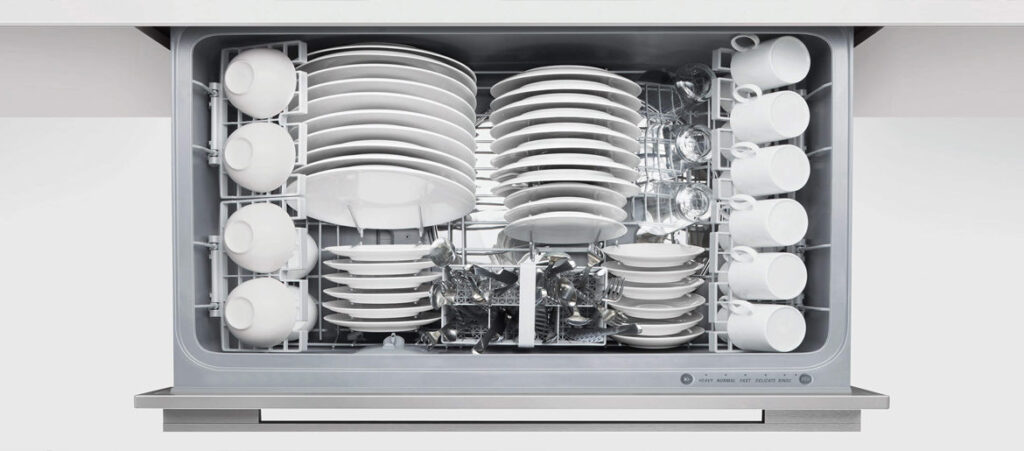
Drawer dishwashers open like a drawer instead of a door. They fit well in small kitchens or apartments. You can run one drawer or both at the same time. This saves water and power when cleaning small loads.
Countertop Designs
Countertop dishwashers sit on your kitchen counter. They are compact and easy to install. These models suit small households or limited space. Perfect for washing a few dishes quickly and efficiently.
Key Features To Consider
Choosing the right dishwasher means focusing on a few important features. These features affect how well the dishwasher fits your needs and space. Knowing what to check helps avoid mistakes and saves money.
Capacity And Size
Dishwashers come in different sizes and capacities. Think about how many dishes you wash daily. A larger family needs a bigger dishwasher. Measure your kitchen space before buying. A compact dishwasher suits small kitchens. Make sure the dishwasher fits under your counter.
Wash Cycles And Options
Different dishwashers offer various wash cycles. Basic cycles clean normal dirt. Heavy cycles handle tough stains. Quick cycles save time but may use more water. Look for options like eco-wash or sanitize. Choose a dishwasher with cycles that fit your needs.
Energy Efficiency
Energy-efficient dishwashers save electricity and water. Check the Energy Star rating. A higher rating means lower energy use. Lower energy use reduces bills and helps the environment. Some models use less water per wash. Pick a dishwasher that balances power and savings.
Noise Levels
Dishwashers can be noisy. Noise levels are measured in decibels (dB). A quieter dishwasher has a rating below 50 dB. Loud dishwashers can disturb your home. Consider a model with sound insulation. Quieter dishwashers work well in open-plan homes.
Design And Aesthetics
Design and aesthetics play a big role when choosing a dishwasher. It should match your kitchen style and look good with your other appliances. A well-designed dishwasher adds to your kitchen’s overall appeal. It can also make daily tasks easier.
Finish And Color Choices
Dishwashers come in many finishes and colors. Stainless steel is popular for a modern look. White and black are classic and fit most kitchens. Some brands offer custom panels to blend with your cabinets. Choose a finish that complements your kitchen decor.
Control Panel Styles
Control panels vary in style and location. Some are on the front for easy access. Others are hidden on the top edge for a sleek look. Touch controls offer a clean appearance. Buttons provide tactile feedback for simple use. Pick a style that suits your preferences and kitchen design.
Interior Racks And Layout
The inside layout affects how you load dishes. Adjustable racks help fit larger pots and pans. Some dishwashers have fold-down tines for flexible space. Silverware baskets come in different shapes and positions. A well-planned interior makes loading and unloading faster.

Credit: www.youtube.com
Installation Requirements
Choosing the right dishwasher involves more than style and features. Installation requirements play a key role. Understanding these needs helps avoid costly mistakes and ensures smooth setup. This section covers plumbing, electrical, and space measurements. These points help prepare your kitchen for a new dishwasher.
Plumbing Needs
A dishwasher needs a water supply line. It should connect to your kitchen’s hot water pipe. Most dishwashers use a standard 3/8-inch compression fitting. A drain connection is also necessary to remove dirty water. The drain hose usually links to the sink drain or garbage disposal. Check for easy access to these plumbing points before buying.
Electrical Considerations
Dishwashers require a power source nearby. Most use a 120-volt outlet. The outlet should be grounded and meet local electrical codes. Some models need a hardwired connection, meaning direct wiring to your home’s electrical panel. Confirm the electrical setup fits the dishwasher’s power needs. Avoid using extension cords for safety.
Space Measurements
Measure the space where the dishwasher will go. Standard dishwashers fit a 24-inch wide opening. Compact models need about 18 inches. Also, check the height and depth to ensure a good fit. Leave room for door clearance and ventilation. Accurate measurements prevent installation problems and damage.
Budget And Pricing
Choosing a dishwasher means thinking about your budget. Dishwashers come in many price ranges. Each range offers different features and benefits. Knowing your budget helps narrow down choices. This section breaks down pricing into three groups. Entry-level, mid-range, and premium models each fit different needs.
Entry-level Models
Entry-level dishwashers cost less and focus on basics. They clean well but have fewer features. These models usually have standard cycles and settings. They use less energy but may be a bit louder. Good for small families or simple use. Easy to operate and maintain. Great choice if you want a reliable, affordable dishwasher.
Mid-range Options
Mid-range dishwashers balance price and features. They include more cleaning cycles and better energy efficiency. These models often have quieter operation. Some offer adjustable racks and delay start timers. Ideal for medium to large families. They provide more flexibility and convenience. Worth the extra cost for frequent users.
Premium Features
Premium dishwashers come with advanced features. They offer smart controls and very quiet operation. Some have steam cleaning and extra drying options. These models use the latest technology for better results. They often have stainless steel tubs and sleek designs. Best for those who want top performance and style. Higher price but long-term value for busy kitchens.
Brand Reputation And Reviews
Choosing a dishwasher is not just about features and price. Brand reputation and reviews matter a lot. They show which brands deliver quality and reliable service. Checking what other buyers say helps avoid bad purchases. It gives a real view of how the dishwasher works daily. Trustworthy brands often provide better support and longer product life.
Top Brands To Watch
Some brands stand out for their quality and durability. Brands like Bosch, Whirlpool, and Samsung have strong reputations. They offer a variety of models for different budgets. These brands focus on cleaning power and energy efficiency. Choosing a brand known for dishwashers reduces risks.
Customer Feedback
Reading customer reviews reveals real experiences with dishwashers. Look for comments about noise levels, cleaning results, and ease of use. Pay attention to recurring problems or praises. Reviews help find out if the dishwasher lasts long or breaks quickly. They also show if the product matches the brand’s promises.
Warranty And Support
A good warranty protects your purchase from defects. Check how long the warranty lasts and what it covers. Reliable brands offer clear and fair warranty terms. Also, consider customer support quality. Fast, helpful service saves time and stress if repairs are needed.
Maintenance Tips
Maintaining your dishwasher keeps it working well for years. Simple care prevents problems and saves money. Regular attention helps dishes come out clean every time. Follow these tips to keep your machine in top shape.
Cleaning The Dishwasher
Remove food scraps from the filter after each use. Wipe the door seals with a damp cloth. Run an empty cycle with vinegar once a month. This clears soap buildup and bad smells. Clean spray arms by unclogging holes with a toothpick. Keep the dishwasher interior dry to avoid mold.
Troubleshooting Common Issues
Check water supply if the dishwasher does not fill. Inspect and clean spray arms if dishes stay dirty. Listen for unusual sounds that may signal problems. Reset the machine by turning it off and on. Replace worn-out parts promptly to avoid bigger damage.
Extending Lifespan
Use the right dishwasher detergent and avoid excess soap. Load dishes properly to prevent blockages and damage. Run the dishwasher regularly to keep seals moist. Avoid overloading to ensure thorough cleaning. Schedule professional check-ups if you notice persistent issues.
Credit: interioreast.com

Credit: kdfoundation.org
Frequently Asked Questions
What Size Dishwasher Fits My Kitchen Space?
Measure your kitchen’s available space carefully. Standard dishwashers are 24 inches wide. Compact models are 18 inches, ideal for small kitchens. Check depth and height to ensure a perfect fit.
How To Choose Energy-efficient Dishwashers?
Look for the ENERGY STAR label. These dishwashers save water and electricity. Energy-efficient models reduce utility bills and environmental impact. Consider features like eco-wash cycles and soil sensors.
What Features Matter Most In A Dishwasher?
Focus on cleaning performance, noise level, and cycle options. Adjustable racks and delay start add convenience. Stainless steel tubs increase durability and drying efficiency.
How Do I Pick The Right Dishwasher Type?
Decide between built-in, portable, or drawer dishwashers. Built-in models save space and look seamless. Portable units offer flexibility, ideal for rentals or small kitchens.
Conclusion
Choosing the right dishwasher makes daily chores easier and saves time. Think about your kitchen space, budget, and washing needs first. Check energy ratings and noise levels to fit your home better. Don’t forget to read user reviews for real experiences.
Small details matter, like adjustable racks and cycle options. Take your time to compare models before deciding. A good dishwasher adds comfort and helps keep your kitchen tidy. Simple steps lead to smart choices. Your perfect dishwasher is waiting.