Last Updated on March 7, 2026
Choosing the right espresso machine can transform your daily coffee routine into a rich, café-quality experience. But with so many options out there, how do you pick the one that fits your taste, budget, and lifestyle?
This guide is here to help you cut through the noise and find the perfect machine for your kitchen. By the end, you’ll feel confident making a choice that brings the bold, satisfying espresso you crave—right at home. Ready to discover your ideal espresso companion?
Let’s dive in.
Credit: methodicalcoffee.com
Types Of Espresso Machines
Choosing the right espresso machine starts with knowing the types available. Each type offers a different level of control, convenience, and price. Understanding these can help you pick the best fit for your coffee needs.
Manual Machines
Manual espresso machines give you full control over the brewing process. You operate a lever to force water through the coffee grounds. This type requires skill and practice to make a good espresso. It is perfect for coffee lovers who enjoy hands-on brewing.
Semi-automatic Machines
Semi-automatic machines have an electric pump to push water through the coffee. You start and stop the flow with a switch or button. This type balances control and convenience. It allows you to adjust shot time and pressure easily.
Automatic Machines
Automatic espresso machines control the water flow and volume for you. You only need to press a button to start brewing. These machines are easy to use and save time. They are ideal for beginners who want consistent results.
Super-automatic Machines
Super-automatic machines do everything from grinding beans to frothing milk. They make espresso with just one touch. This type is the most convenient and fastest option. It suits busy people who want coffee quickly without effort.
Credit: clivecoffee.com
Key Features To Consider
Choosing the right espresso machine depends on several important features. These features affect the taste, ease of use, and cleaning. Knowing what to check helps you pick a machine that fits your needs.
Grind Size And Quality
The grind size controls how water flows through the coffee. Finer grinds create stronger espresso. Some machines have built-in grinders. These allow fresh grinding for better flavor. Check if the grinder is adjustable. Good quality grinders create even, consistent coffee grounds.
Pressure And Temperature Control
Pressure forces water through the coffee grounds. Ideal pressure is about 9 bars. Temperature affects the coffee’s taste. It should stay between 90°C and 96°C. Machines with stable pressure and temperature give richer espresso. Look for options to control these settings.
Water Reservoir Capacity
The size of the water tank matters for convenience. Larger tanks need less refilling. Small tanks suit occasional use or small kitchens. Consider how often you want to fill the reservoir. Easy removal and cleaning add extra convenience.
Steam Wand And Milk Frothing
A steam wand is key for making milk-based drinks. It helps froth milk for lattes or cappuccinos. Check how powerful and easy to use the wand is. Some machines have automatic frothing systems. Choose one that matches your milk preferences.
Ease Of Cleaning And Maintenance
Regular cleaning keeps machines working well. Look for removable parts for easy washing. Machines with self-cleaning cycles save time. Simple maintenance lowers repair costs. Clear instructions and accessible parts make upkeep easier.
Budget And Price Ranges
Choosing an espresso machine starts with setting a clear budget. Prices vary widely. Knowing your budget helps narrow down choices. You can find machines from very affordable to premium models. Each price range offers different features and quality. Understanding what each range offers makes your decision easier.
Entry-level Machines
Entry-level espresso machines cost between $50 and $200. These machines are simple and easy to use. They work well for beginners or casual coffee drinkers. Most have basic features and limited settings. You can make decent espresso without complex controls. These machines save money but may lack durability.
Mid-range Options
Mid-range machines usually cost between $200 and $600. They offer better build quality and more features. You get adjustable temperature and pressure controls. Many have built-in grinders or steam wands for frothing milk. These machines suit regular coffee drinkers who want more control. They balance price with good performance and durability.
High-end Models
High-end espresso machines start at around $600 and can go above $2000. They provide professional-grade performance and advanced features. You find precise temperature control and programmable settings. Some machines use high-quality materials like stainless steel. These models are perfect for coffee enthusiasts who want top results. The price reflects their quality, design, and longevity.
Space And Design Factors
Choosing the right espresso machine involves more than just features. Space and design play a big role in how the machine fits into your kitchen. The size and look can affect your daily use and kitchen style.
Consider where you will place the machine. Think about the space it needs and how it matches your kitchen decor. The design should blend with your style and be easy to clean and maintain.
Counter Space Requirements
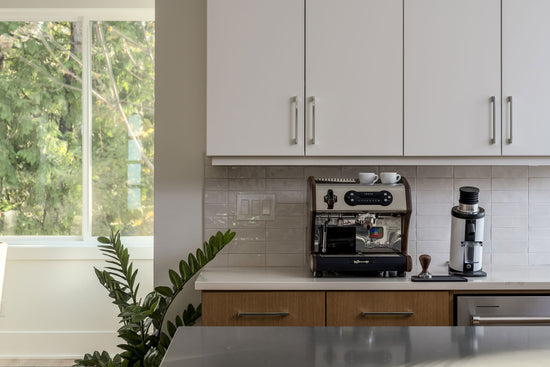
Measure your counter area before buying an espresso machine. Some machines are small and compact, perfect for tight spaces. Others are larger and need more room for operation and cleaning.
Remember to leave space for accessories like a milk frother or cups. Also, consider space for moving parts and steam wands. A cramped area can make using the machine difficult and less enjoyable.
Aesthetics And Build Quality
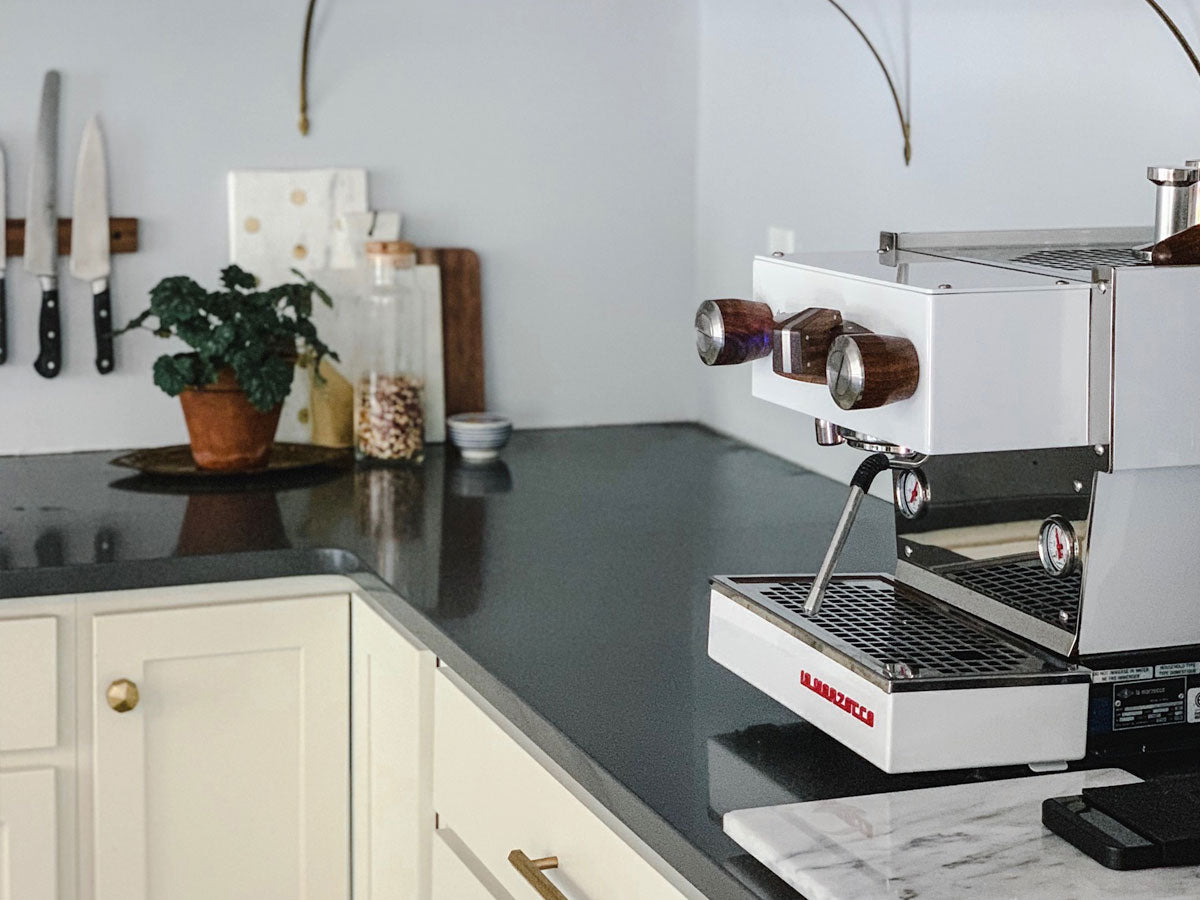
Choose a design that fits your kitchen style. Machines come in different colors and finishes like stainless steel, black, or white. A good-looking machine adds charm to your kitchen counter.
Build quality matters for durability. Look for strong materials and good craftsmanship. A well-built machine lasts longer and works better over time. It also looks better as it ages.
Brand Reputation And Warranty
Choosing an espresso machine is about more than features and price. Brand reputation and warranty play key roles. A trusted brand often means better quality and reliability. A solid warranty protects your investment and offers peace of mind. Both factors help avoid headaches later.
Top Brands To Consider
Some brands have built strong reputations over many years. They focus on quality and customer satisfaction. Brands like Breville, De’Longhi, and Rancilio stand out. They offer a range of machines for beginners and experts. Choosing a well-known brand often means better parts and support.
Warranty And Customer Support
A good warranty covers repairs and defects. Check how long the warranty lasts and what it covers. Some brands offer one year, others up to five years. Customer support is also important. Easy access to help saves time and stress. Read reviews to see how brands handle service issues.
Additional Accessories And Add-ons
Choosing the right espresso machine is just the start. Accessories and add-ons help improve your coffee experience. They make brewing easier and coffee tastier. Some tools are essential. Others help keep your machine clean and working well.
Grinders
Freshly ground coffee is key for great espresso. A good grinder controls the size of coffee grounds. This affects flavor and extraction. Burr grinders give consistent grind size. They are better than blade grinders. Adjust grind settings to match your machine. A quality grinder lets you enjoy fresh coffee every time.
Tampers
Tamping compresses coffee grounds in the portafilter. It creates even pressure for water to pass through. A good tamper fits your portafilter perfectly. Use firm, even pressure to avoid channeling. This step improves espresso taste and crema. Choose a tamper that feels comfortable in your hand.
Cleaning Kits
Regular cleaning keeps your espresso machine working well. Cleaning kits include brushes, detergents, and tools. They remove coffee oils and residue. Clean machines last longer and make better coffee. Follow the manufacturer’s cleaning instructions carefully. Use cleaning kits often to maintain taste and machine health.
Tips For Brewing The Perfect Espresso
Brewing the perfect espresso needs care and attention. Small steps can make a big difference in taste. Focus on quality, technique, and machine upkeep for the best results.
Follow these simple tips to improve your espresso experience at home.
Using Fresh Beans
Fresh coffee beans bring rich flavor and aroma. Use beans roasted within the last two weeks. Grind beans just before brewing for maximum freshness. Avoid pre-ground coffee to keep the taste vibrant.
Proper Extraction Time
Extraction time affects espresso strength and flavor. Aim for 25 to 30 seconds per shot. Shorter time can cause sour taste. Longer time may make espresso bitter. Adjust grind size to control extraction speed.
Consistent Tamp Pressure
Apply even pressure when tamping coffee grounds. Use about 30 pounds of force for each tamp. Consistency helps water flow evenly through grounds. Uneven tamping can cause weak or over-extracted espresso.
Regular Machine Maintenance
Clean your espresso machine daily to prevent buildup. Remove coffee oils and residue from group head and portafilter. Descale the machine monthly to avoid mineral deposits. Well-maintained machines brew better espresso and last longer.

Credit: clivecoffee.com
Frequently Asked Questions
What Features Should I Look For In An Espresso Machine?
Look for features like pressure consistency, grinder quality, ease of cleaning, and water temperature control. These impact espresso taste and machine longevity.
How Much Should I Spend On A Good Espresso Machine?
A quality espresso machine usually costs between $100 and $1000. Higher price often means better build, features, and coffee quality.
Manual Vs Automatic Espresso Machines: Which Is Better?
Manual machines offer control and customization but require skill. Automatic machines are user-friendly and consistent, ideal for beginners or busy users.
Can I Use Any Coffee Beans For Espresso Machines?
Use fresh, finely ground coffee beans labeled for espresso. Freshness and grind size greatly affect flavor and extraction quality.
Conclusion
Choosing the right espresso machine can change your coffee routine. Think about your budget, space, and how much coffee you drink. Consider the machine’s features and ease of use. Simple machines work well for beginners. More advanced models suit coffee lovers who want control.
Take your time to compare options. A good machine makes fresh espresso at home easy. Enjoy every cup you make with your perfect espresso machine.