Last Updated on February 18, 2026
How to Choose saucepans may not be too difficult. You can make it based on material, size, and heat conductivity. Consider durability, ease of cleaning, and compatibility with your stove.
Selecting a suitable saucepan can elevate your cooking experience. Quality materials like stainless steel or non-stick surfaces ensure even heat distribution and longevity. Sizes vary, so assess your cooking needs to decide whether you need small, medium, or large saucepans.
Handles should be sturdy and comfortable, and lids must fit well to retain moisture and flavor. Opt for dishwasher-safe options for easy cleaning. Compatibility with your stove type, whether gas, electric, or induction, is crucial. Researching and investing in good-quality saucepans can significantly enhance your kitchen efficiency and cooking results.
Table of Contents

Introduction To Saucepans
Choosing a suitable saucepan is crucial for any kitchen. The right saucepan makes cooking easier and more enjoyable. This guide helps you understand the essential aspects of selecting saucepans.
Importance Of Quality Cookware
Quality cookware is essential for delicious and healthy meals. Good saucepans distribute heat evenly, preventing food from burning or sticking. High-quality materials ensure durability and resist wear and tear over time.
| Feature | Benefit |
|---|---|
| Heat Distribution | Even cooking |
| Durability | Long-lasting |
| Non-Stick Surface | Easy to clean |
Role In Everyday Cooking
Saucepans are versatile kitchen tools. They help in boiling, simmering, and making sauces. You can also use them to reheat leftovers. A good saucepan can handle various cooking tasks.
- Boiling pasta
- Making soups
- Cooking rice
Investing in a quality saucepan enhances your cooking experience. It saves time and effort in the kitchen. Choose a saucepan that fits your needs and cooking style.
Material Matters
Choosing the right saucepan depends on its material. The material affects heat distribution, durability, and maintenance. Here are some popular materials and their benefits.
Stainless Steel Versatility
Stainless steel is a favorite in many kitchens. It’s durable and doesn’t react with food. It works well with high heat and offers even cooking. Stainless steel saucepans often have aluminum or copper cores for better heat distribution. They can go from stovetop to oven easily.
Non-stick Convenience
Non-stick saucepans are perfect for easy cleaning. They require less oil, making them healthier. Food slides off effortlessly. They’re ideal for delicate dishes like eggs or pancakes. Avoid using metal utensils to prolong their life.
Copper And Heat Conductivity
Copper saucepans offer excellent heat conductivity. They heat up quickly and cool down quickly, making them ideal for precise cooking. Copper pans often have a stainless steel lining to prevent food from reacting with them. They require regular polishing to maintain their shine.
Cast Iron Durability
Cast iron is known for its durability. It retains heat well, making it great for slow cooking. Cast iron saucepans can last a lifetime with proper care. They can be heavy and require seasoning to maintain their non-stick surface.
Aluminum And Even Heating
Aluminum saucepans are lightweight and offer even heating. They are often anodized to make them more durable. Aluminum is affordable and great for everyday cooking. Avoid using them for acidic foods as they can react.
| Material | Benefits |
|---|---|
| Stainless Steel | Durable, non-reactive, even cooking |
| Non-Stick | Easy cleaning, less oil, ideal for delicate dishes |
| Copper | Excellent heat conductivity, precise cooking |
| Cast Iron | Durable, retains heat, great for slow cooking |
| Aluminum | Lightweight, even heating, affordable |
Size And Capacity
Choosing the right size and capacity of saucepans is vital. It ensures your cooking tasks are efficient and hassle-free. The correct size helps in even cooking and avoids spills.
Choosing The Right Size
Picking the right size saucepan depends on your cooking needs. Smaller saucepans, about 1-2 quarts, are great for sauces and reheating leftovers. Medium-sized saucepans, around 3-4 quarts, work well for soups and stews. Larger saucepans, 5 quarts or more, are perfect for boiling pasta or making large batches of food.
Considerations For Large Families
If you have a large family, consider saucepans with bigger capacities. This ensures you can cook enough food for everyone in one go. A set of different sizes can also be useful. It provides flexibility for various cooking tasks. Here’s a simple table for reference:
| Family Size | Recommended Saucepan Size |
|---|---|
| 1-2 members | 1-2 quarts |
| 3-4 members | 3-4 quarts |
| 5+ members | 5 quarts and above |
Using the right saucepan size saves time and energy. It also ensures your food cooks evenly and tastes great.
Handle Comfort And Safety
Choosing the right saucepan involves many considerations. One key factor is handle comfort and safety, which ensures safe and enjoyable cooking. Let’s explore the aspects of handle design and safety features.
Ergonomic Design Features
An ergonomic handle offers better grip and comfort. Look for handles with a contoured shape. This design fits your hand well, reducing strain. Non-slip materials like silicone improve grip, even with wet hands.
Some handles have thumb rests. These provide extra control and comfort. This is especially helpful during long cooking sessions. Make sure the handle length keeps your hand away from the heat.
Materials And Heat Resistance
Handle materials matter for heat resistance. Stainless steel handles stay cool longer. They are durable and easy to clean. Silicone handles resist heat and offer a soft grip.
Wooden handles stay cool but need extra care. Avoid handles made from plastic. They can melt and become unsafe. Check the oven-safety rating of the saucepan handles.
| Material | Heat Resistance | Comfort |
|---|---|---|
| Stainless Steel | High | Moderate |
| Silicone | Very High | High |
| Wood | Moderate | High |
| Plastic | Low | Low |
Consider these factors to ensure safe and comfortable cooking. An ergonomic design and suitable materials make a big difference. Choose wisely for a better cooking experience.
Lid Quality And Function
Choosing the right saucepan isn’t just about the pan itself. The lid quality and its function play a big role too. A good lid can make cooking easier, faster, and more efficient. Let’s dive into the essential aspects of lid quality and function.
Types Of Lids
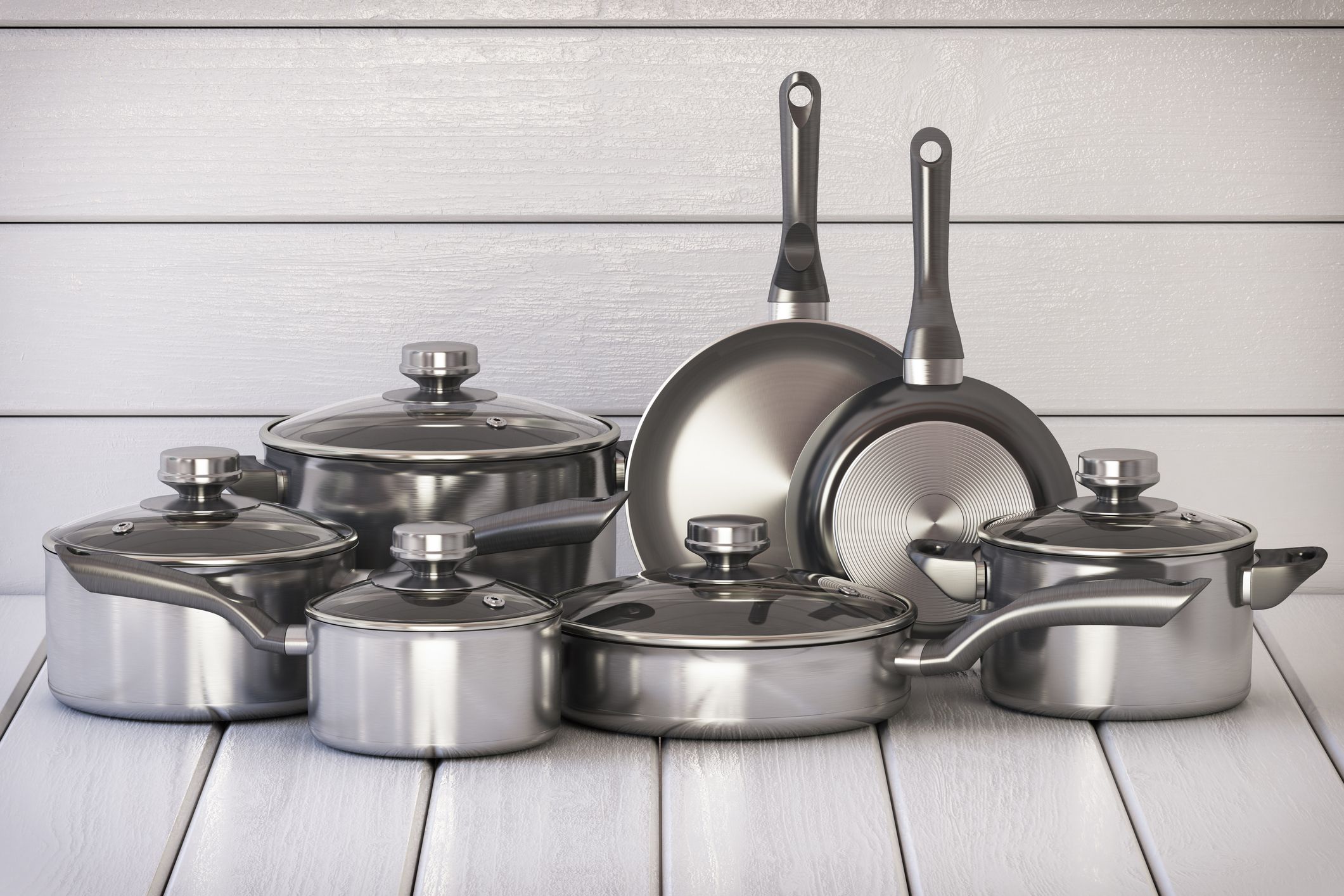
There are different types of saucepan lids available. Each type offers unique benefits:
- Glass Lids: Transparent and let you see your food while cooking.
- Metal Lids: Durable and often match the pan’s material.
- Vented Lids: Feature small holes to let steam escape.
Benefits Of A Tight-fit Lid
A tight-fit lid is crucial for several reasons:
- Retains Heat: Keeps the heat inside, cooking food faster.
- Prevents Spills: Reduces the chance of spills and splashes.
- Locks in Flavor: Helps to keep all the flavors in the pot.
Here’s a quick comparison of the benefits of different lid types:
| Lid Type | Visibility | Durability | Steam Control |
|---|---|---|---|
| Glass Lids | High | Moderate | Low |
| Metal Lids | Low | High | Moderate |
| Vented Lids | Moderate | High | High |
Choosing the right lid can enhance your cooking experience significantly. Consider these factors while selecting your saucepan lid.
Credit: www.goodhousekeeping.com
Compatibility With Heat Sources
Choosing the right saucepan means considering how it works with your stove. Different stoves need different materials. Here’s a guide on selecting saucepans based on your heat source.
Gas, Electric, And Induction Stovetops
| Heat Source | Best Material |
|---|---|
| Gas Stovetops | Stainless steel, copper, aluminum |
| Electric Stovetops | Flat-bottom stainless steel, aluminum |
| Induction Stovetops | Magnetic stainless steel, cast iron |
Gas stovetops provide instant heat. The best saucepans are made from stainless steel, copper, or aluminum. These materials heat quickly and evenly.
Electric stovetops need flat-bottom saucepans. Use stainless steel or aluminum for best results. They ensure even cooking.
Induction stovetops require magnetic materials. Magnetic stainless steel and cast iron work best, creating a magnetic field for heating.
Oven-safe Features
Some recipes need a saucepan that can go from stovetop to oven. Check for oven-safe labels on your saucepans. Here are key features to consider:
- Handles: Look for metal or silicone handles. Plastic handles may melt.
- Lids: Ensure lids are oven-safe too. Glass lids might not be safe at high temperatures.
- Temperature Limits: Check the maximum temperature your saucepan can handle. Most can withstand up to 500°F.
Choosing the right saucepan involves understanding your heat source. Pick materials that work with your stove. Ensure your saucepan is oven-safe if needed.
Ease Of Cleaning
Choosing the right saucepan involves considering its ease of cleaning. A clean saucepan makes cooking enjoyable and less stressful. Here are some tips to ensure your saucepan is easy to clean.
Dishwasher Safe Options
Many saucepans are dishwasher safe, making cleaning simple. Check the manufacturer’s guidelines to confirm. Some materials, like stainless steel and certain non-stick coatings, are more likely to be dishwasher safe. Using the dishwasher can save you time and effort.
Avoid putting cast iron and some delicate coatings in the dishwasher. These materials may need hand washing to maintain their quality.
Maintenance Tips
Proper maintenance keeps your saucepans in top condition. Here are some tips:
- Clean your saucepan immediately after use to prevent food from sticking.
- Use warm, soapy water and a soft sponge for hand washing.
- Avoid abrasive pads that can scratch the surface.
- Dry your saucepan thoroughly to prevent rust, especially for cast iron.
- For stubborn stains, soak the pan in hot water before washing.
By following these tips, you can ensure your saucepans remain easy to clean and last longer.
Additional Features To Consider
Choosing the right saucepan involves more than just size and material. Additional features can make cooking easier and more enjoyable. Here are some key features to consider:
Pour Spouts And Measuring Marks
Pour spouts allow you to pour liquids without spilling, which is great for sauces and soups. Measuring marks inside the pan help you track liquid levels. These marks save time and reduce the need for extra measuring cups.
Stackability And Storage Solutions
Stackable saucepans save space in your kitchen. They fit neatly inside each other. This makes storage easier, especially in small kitchens. Storage solutions like hanging hooks can also help. They keep your pans accessible and organized.
| Feature | Benefits |
|---|---|
| Pour Spouts | Prevents spills, easy pouring |
| Measuring Marks | Tracks liquid levels, saves time |
| Stackability | Saves space, easy storage |
| Storage Solutions | Keeps pans organized, easy access |
When choosing a saucepan, consider these features for a better cooking experience. They add value and make your kitchen more efficient.
Price Vs. Quality
Choosing the right saucepan can be tricky. Many people debate between price and quality. This section will guide you on how to balance both aspects effectively.
Investing In Longevity
High-quality saucepans often come with a higher price tag. They are crafted from durable materials like stainless steel or copper. These materials ensure the pan lasts longer. A good saucepan can serve you for many years. It can withstand high heat and daily use.
Look for saucepans with thick bases. They provide even heat distribution. This prevents hot spots and burning. Thicker bases also mean the pan won’t warp over time. Investing in quality saves money in the long run.
Balancing Budget And Performance
Not everyone can afford high-end saucepans. But you can still find good-quality options within your budget. Consider the core material of the saucepan. Aluminum and non-stick pans are often cheaper but still offer decent performance.
Check for reviews and ratings before purchasing. Many mid-range pans offer great value. They might not last as long as premium ones but can still perform well. Look for brands that offer a warranty. This often indicates a certain level of quality.
| Feature | High-End | Budget |
|---|---|---|
| Material | Stainless Steel, Copper | Aluminum, Non-Stick |
| Durability | 10+ years | 3-5 years |
| Heat Distribution | Even | Moderate |
| Price Range | $100 and above | $20-$50 |
Brand Reputation And Reviews
Choosing the right saucepan is crucial for any kitchen. Brand reputation and reviews play a key role in making a decision. Trusted brands ensure quality and longevity. Consumer feedback offers real-world insights.
Research Trusted Brands While Learning How to Choose Saucepans
Start by identifying well-known brands. These brands often have a long history. They focus on quality and customer satisfaction.
- All-Clad: Known for stainless steel saucepans.
- Calphalon: Offers non-stick and hard-anodized options.
- Le Creuset: Famous for enameled cast iron.
Visit the brands’ official websites. Look for their product range and features. Check if they offer warranties.
A table can help compare brands:
| Brand | Material | Warranty |
|---|---|---|
| All-Clad | Stainless Steel | Lifetime |
| Calphalon | Non-stick, Hard-Anodized | 10 Years |
| Le Creuset | Enameled Cast Iron | Lifetime |
Reading Consumer Feedback
Customer reviews provide valuable insights. They share real experiences with the product.
- Read reviews on multiple platforms: Check Amazon, Walmart, and brand websites.
- Focus on detailed reviews: Look for reviews that mention product durability and ease of use.
- Check for common issues: Identify any recurring problems mentioned by multiple users.
Positive reviews often highlight the product’s strengths, while negative reviews can reveal potential weaknesses. Balance both to make an informed decision.
Avoid relying on a single review. Consider the overall rating and number of reviews. More reviews generally mean more reliable feedback.
Warranty And Customer Service
Choosing the right saucepan involves more than just the material and size. The warranty and customer service are also important aspects to consider. These factors can save you money and stress in the long run.
Understanding Warranty Terms
Warranties vary among different brands and products. Some offer limited warranties, while others provide lifetime coverage. A limited warranty might cover only specific parts or defects. A lifetime warranty usually means the product will be replaced if it fails under normal use.
| Warranty Type | Coverage |
|---|---|
| Limited Warranty | Specific parts or defects |
| Lifetime Warranty | Replacement under normal use |
Always read the fine print. Some warranties require you to register your product, and others may require original receipts for claims. Knowing these details can prevent future hassles.
Support After Purchase
Great customer service is key after you’ve bought your saucepan. A dependable support team can help with replacement parts or returns if needed. When learning how to choose saucepans, it’s also important to check if the company provides a customer support hotline or an online chat option for your convenience.
- Hotline: A phone number to call for help.
- Online Chat: Immediate assistance through the company’s website.
- Email Support: Help through email communication.
Reading customer reviews can be insightful. Look for feedback on the company’s responsiveness and problem-solving skills. Good customer support ensures a hassle-free experience.
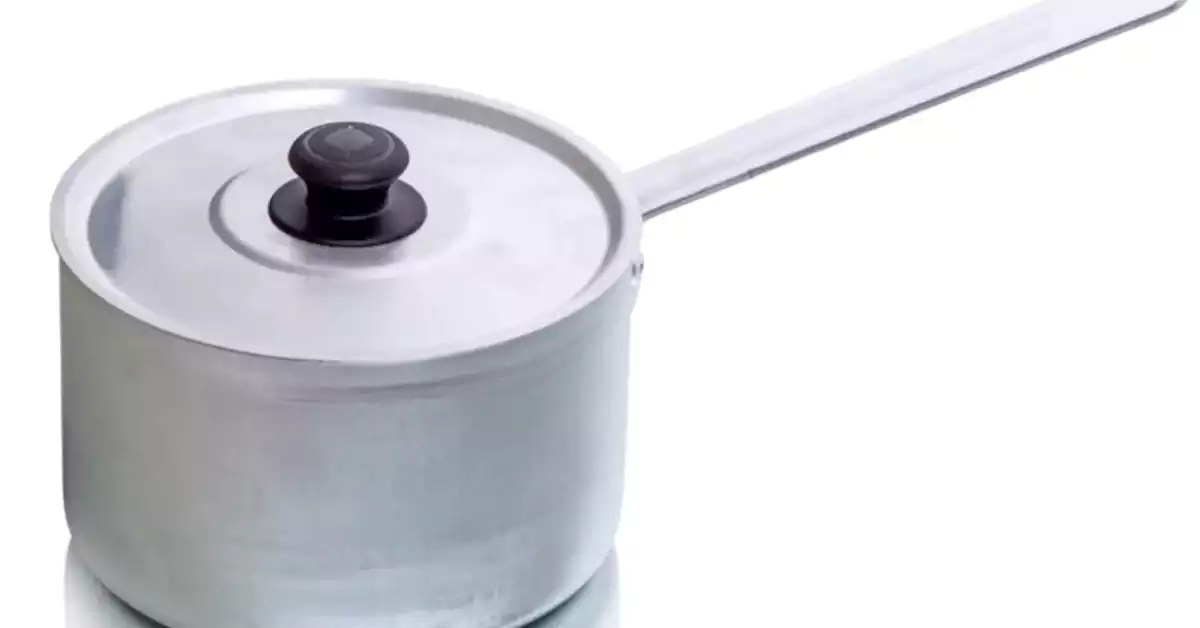
Credit: reads.alibaba.com
FAQ on How to Choose Saucepans
What Are The Points To Consider When Choosing A Saucepan?
When choosing a saucepan, consider the material, size, weight, handle type, and lid fit. Opt for durable, heat-conductive materials like stainless steel or copper. Ensure the size fits your cooking needs. Choose a comfortable handle and a lid that seals well.
What Kind Of Saucepan Should I Get?
Get a stainless steel saucepan with an aluminum core for even heating. Choose a size that fits your cooking needs.
What To Look For When Buying Pots And Pans?
Choose pots and pans with durable materials like stainless steel or cast iron to ensure even heat distribution. Prefer non-stick surfaces for easy cleaning. Look for comfortable, heat-resistant handles. Check compatibility with your stove type.
What Metal Is Best For Saucepans?
Stainless steel is best for saucepans. It offers durability, even heat distribution, and resistance to rust and staining.
Conclusion
When it comes to how to choose saucepans, picking the right one can truly enhance your cooking journey. Think about the material, size, and how comfortable the handle feels in your hand. Quality saucepans provide better heat distribution and last longer, making them a worthwhile investment. Don’t forget to check reviews and compare different brands to find the perfect fit for your kitchen. With the ideal saucepan by your side, your culinary skills will shine, turning meal prep into a fun and efficient experience.
Happy cooking!