Last Updated on December 28, 2025
Is your sink looking dull, stained, or just plain dirty? A clean sink can completely change the feel of your kitchen or bathroom, making your space fresher and more inviting.
But cleaning a dirty sink doesn’t have to be a chore you dread. What if you could restore your sink’s shine quickly, using simple steps and common household items? You’ll discover easy, effective ways to clean your sink and keep it sparkling.
Ready to transform your sink and enjoy a cleaner, healthier space? Let’s get started!
Gathering Cleaning Supplies
Gathering the right cleaning supplies makes sink cleaning easier and faster. The right tools and agents help remove dirt and grime effectively. Prepare everything before starting to avoid interruptions during cleaning.
Essential Tools
Start with basic tools for scrubbing and wiping. A soft sponge or cloth works well on most surfaces. Use an old toothbrush to reach corners and tight spots. Rubber gloves protect your hands from harsh chemicals. A bucket or bowl helps rinse your sponge or cloth. Paper towels or a dry cloth are good for drying the sink after cleaning.
Recommended Cleaning Agents
Mild dish soap is gentle and removes grease well. Baking soda acts as a natural scrubber for tough stains. White vinegar breaks down mineral deposits and kills bacteria. Lemon juice adds a fresh scent and helps remove rust. Avoid using abrasive cleaners that can scratch your sink. Choose safe, non-toxic products for a clean and healthy kitchen.
Preparing The Sink
Preparing the sink is the first step to a clean and fresh kitchen. It makes the cleaning process easier and more effective. Start with a clean base to avoid spreading dirt around. Follow simple steps to get your sink ready for deep cleaning.
Clearing Debris
Remove all food scraps and leftover debris from the sink. Check the drain area for trapped particles. Use a paper towel or a soft cloth to wipe away loose dirt. Clearing debris prevents clogging and bad smells.
Rinsing The Surface
Rinse the sink with warm water to loosen stuck-on grime. Use your hands or a soft sponge to spread the water evenly. This step helps to remove surface dirt before applying any cleaner. A wet sink cleans better and shines more.
Removing Stains And Build-up
Removing stains and build-up from your sink keeps it clean and fresh. Stains can come from soap, food, and hard water. Build-up makes your sink look old and dirty. Regular cleaning stops stains from getting worse. Simple methods work well for most sinks.
Using Baking Soda And Vinegar
Baking soda and vinegar clean stains naturally. Sprinkle baking soda all over the sink. It acts as a gentle scrub. Pour vinegar on the baking soda. It will fizz and break down dirt. Let it sit for 10 minutes. Use a soft brush or cloth to scrub. Rinse the sink well with water. This method removes light stains and freshens the sink.
Tackling Tough Stains
Some stains need stronger care. Use a paste of baking soda and water. Apply it to the stained areas. Let it rest for 15 minutes. Scrub with a brush or sponge. For hard water stains, use lemon juice. It cuts through mineral build-up. Rinse thoroughly to remove residues. Repeat if stains remain. Tough stains fade with patience and effort.

Credit: braboscleaning.com
Scrubbing Techniques
Scrubbing is key to clean a dirty sink well. Using the right tools and methods makes the job easier. It helps remove stains, grime, and bacteria effectively. Good scrubbing protects the sink surface from damage.
Choosing The Right Scrubber
Select a scrubber based on your sink type. Soft sponges work best for delicate surfaces like porcelain. Use a nylon scrubber for stainless steel sinks to avoid scratches. Avoid steel wool on shiny finishes, as it can cause damage. For tough stains, a brush with firm bristles can help reach corners. Always pick a scrubber that removes dirt but keeps the sink safe.
Effective Scrubbing Methods
Start scrubbing with a circular motion to lift dirt easily. Apply gentle pressure to avoid scratching the surface. Focus on stained or greasy spots with back-and-forth scrubbing. Use warm water to soften grime before scrubbing. Rinse the sink often to remove loosened dirt. For deep cleaning, scrub along edges and drain areas. Finish by wiping the sink with a clean cloth to dry.
Cleaning The Faucet And Drain
Cleaning the faucet and drain is key to a fresh, clean sink. Dirt, mineral deposits, and bad smells often hide here. These parts need special care to stay spotless and work well.
Removing Mineral Deposits
Mineral deposits build up on faucets from hard water. They look like white or green spots. Use vinegar to remove them. Soak a cloth in vinegar and wrap it around the faucet. Leave it for 30 minutes. Then, scrub gently with a soft brush. Rinse with water and dry with a cloth. This keeps faucets shiny and clean.
Freshening The Drain
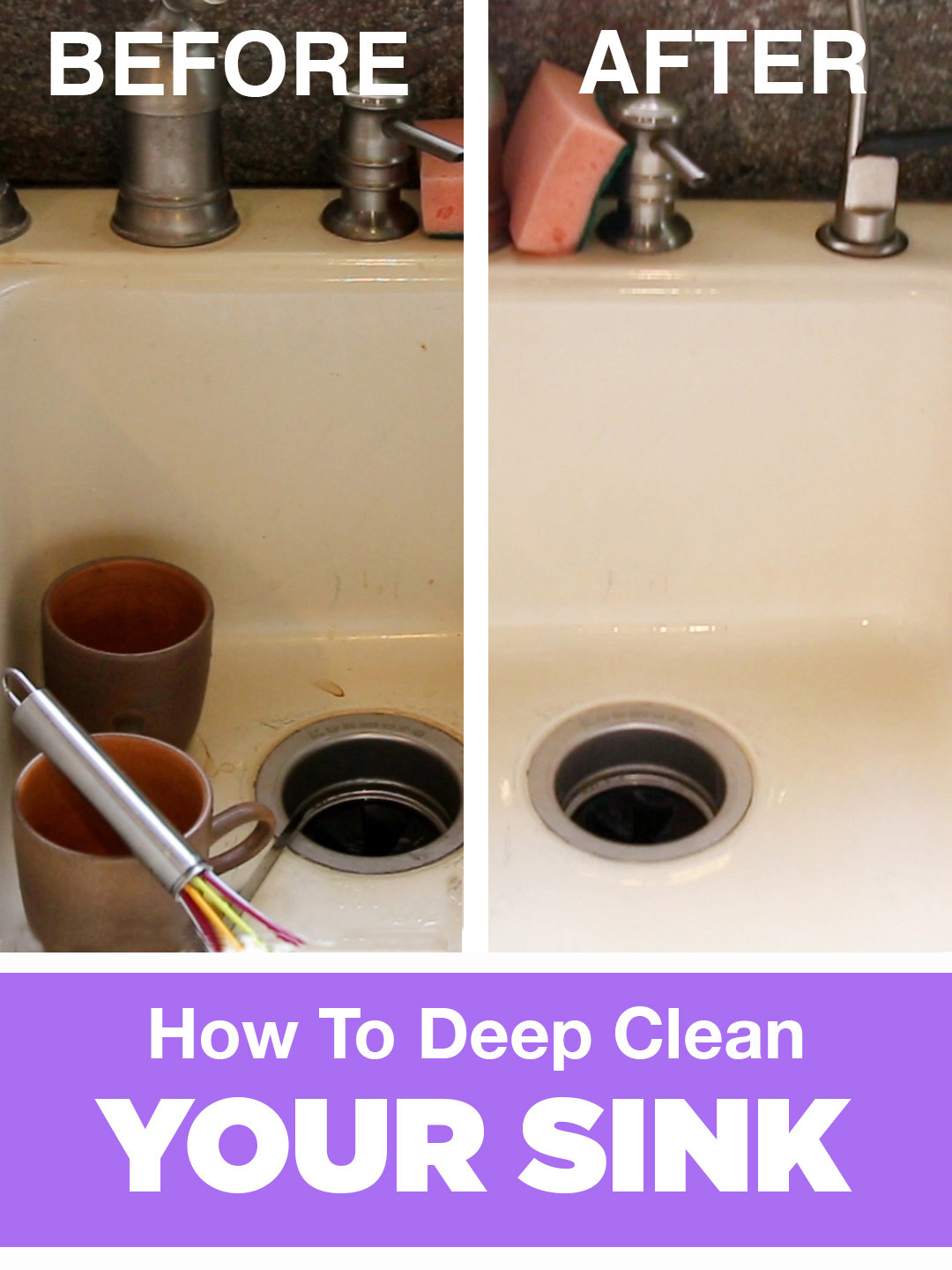
The drain can smell bad from food and dirt. Freshen it by pouring a cup of baking soda down the drain. Follow with a cup of vinegar. Let it fizz for 10 minutes. Then, flush with hot water. This removes odors and cleans inside the drain. Repeat this once a week for a fresh-smelling sink.
Credit: www.buzzfeed.com
Rinsing And Drying
Rinsing and drying are important steps to keep your sink clean and looking fresh. Rinsing removes soap, dirt, and cleaning agents. Drying prevents water spots and streaks. These simple actions help maintain your sink’s shine and hygiene.
Proper Rinsing Tips
Use warm water to rinse your sink thoroughly. Make sure to wash away all cleaning product residues. Focus on corners and edges where dirt can hide. Rinse for at least 30 seconds to clear all debris. Avoid splashing water outside the sink area.
Drying For A Shiny Finish
Use a soft cloth or microfiber towel to dry your sink. Wipe gently in circular motions for a smooth finish. Drying stops water spots from forming quickly. Change the cloth if it becomes too wet. A dry sink looks cleaner and lasts longer.
Maintaining Sink Cleanliness
Keeping your sink clean is important for a fresh kitchen and bathroom. Dirt and stains can build up fast. Regular care stops grime from settling deep. It also keeps your sink looking new and shiny. Small daily actions make a big difference.
Simple habits help avoid hard-to-remove stains. Clean sinks are healthier and more pleasant to use. Follow these easy tips to maintain a spotless sink every day.
Daily Cleaning Habits
Wipe the sink after each use. Use a soft cloth or sponge with warm water. This removes food scraps and soap residue. Rinse the sink well to clear leftover dirt. Dry the sink with a clean towel. This prevents water spots and mineral deposits. Avoid leaving wet sponges or cloths in the sink. Clean the faucet and handles often. This stops buildup of grime and germs. A quick daily clean keeps the sink fresh and shiny.
Preventing Future Stains
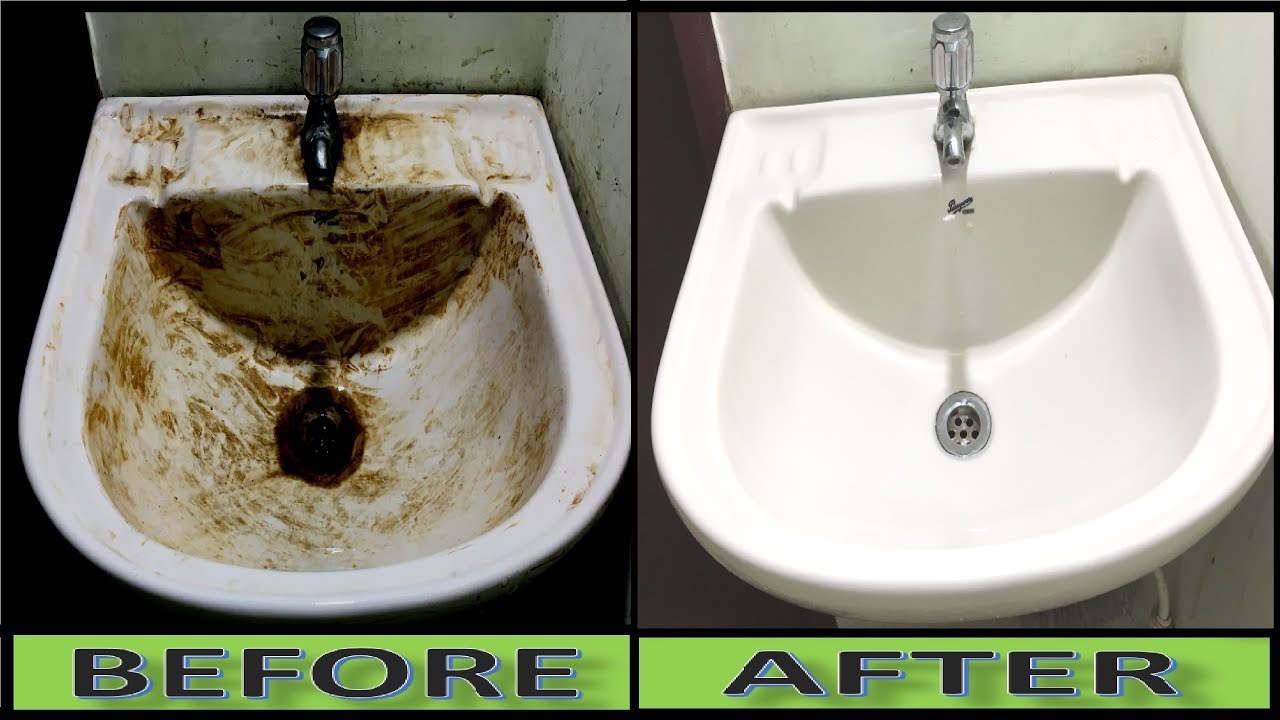
Rinse the sink right after use. Avoid letting strong stains sit for long. Use baking soda or mild cleaner on tough spots. Scrub gently with a soft brush or cloth. Avoid harsh chemicals that can damage the sink surface. Use a sink strainer to catch food bits. This stops clogged drains and stains. Regularly check for leaks or standing water. Fix problems quickly to prevent stains and mold. These small steps protect your sink from damage.
Credit: www.youtube.com
Frequently Asked Questions
How Often Should I Clean A Dirty Sink?
You should clean your sink at least once a day. Regular cleaning prevents stains, bacteria buildup, and bad odors. For deep cleaning, do it weekly to keep your sink sparkling and hygienic.
What Is The Best Natural Cleaner For Sinks?
Baking soda and vinegar are excellent natural cleaners. Sprinkle baking soda, then spray vinegar to remove grime. This combo deodorizes and disinfects without harsh chemicals, making it safe and effective.
How Do I Remove Stubborn Stains From The Sink?
Use a paste of baking soda and water. Apply it on stains, scrub gently with a soft brush, then rinse thoroughly. For tougher stains, white vinegar or lemon juice helps break down residue.
Can I Use Bleach To Clean My Sink?
Yes, but use bleach sparingly and carefully. Dilute it with water and avoid mixing with other cleaners. Bleach kills germs effectively but can damage some sink materials if overused.
Conclusion
Keeping your sink clean is simple with these easy steps. Regular cleaning stops dirt and germs from building up. Use basic tools like a sponge and baking soda. Clean your sink often to keep it shiny and fresh. A clean sink makes your kitchen more pleasant and healthy.
Try these tips today and enjoy a spotless sink every day. Small efforts bring big results!