Last Updated on August 2, 2026
Your fridge works hard every day to keep your food fresh. But did you know that dirty fridge coils can make it work harder, waste energy, and even shorten its lifespan?
Cleaning your fridge coils is a simple task that can save you money and keep your appliance running smoothly. You’ll discover easy, step-by-step tips to clean your fridge coils quickly and safely. Keep reading to learn how a little maintenance can make a big difference for your fridge and your wallet.
Why Clean Fridge Coils
Cleaning fridge coils is an easy task that makes a big difference. Dust and dirt build up on coils over time. This stops the fridge from working well. Regular cleaning keeps your fridge cool and saves money.
Here are the main reasons why cleaning fridge coils matters.
Impact On Cooling Performance
Dirty coils block heat from leaving the fridge. The fridge works harder to stay cold. This causes uneven cooling inside. Clean coils help the fridge keep food fresh longer. Your fridge runs smoothly with clean coils.
Energy Consumption Benefits
When coils are dirty, the fridge uses more power. This raises your electricity bills. Clean coils reduce the effort needed to cool the fridge. This lowers energy use and saves money. Energy-efficient fridges are better for the environment.
Extending Appliance Lifespan
Fridges with dirty coils run hotter and wear out faster. This can cause breakdowns and costly repairs. Clean coils reduce stress on the fridge’s parts. This helps your fridge last longer. A well-maintained fridge protects your investment.

Credit: www.youtube.com
Tools Needed For Cleaning
Cleaning fridge coils is important to keep your refrigerator working well. Having the right tools makes the job easier and faster. This section lists the tools you need to clean fridge coils safely and effectively.
Basic Cleaning Supplies
Gather a soft cloth to wipe dust and dirt. Use a mild soap or detergent mixed with water for cleaning. Have a spray bottle handy to apply the cleaning solution. Keep paper towels or rags nearby for drying. These simple supplies help remove loose dirt and grime.
Recommended Brushes And Vacuum Attachments
A coil cleaning brush is thin and flexible for tight spaces. It helps remove dust stuck deep between the coils. Use a vacuum cleaner with a brush attachment to suck up dirt. The brush loosens debris, and the vacuum removes it fully. These tools reach places your hands cannot.
Safety Equipment
Wear gloves to protect your hands from sharp coil edges. Safety goggles keep dust and debris out of your eyes. Use a dust mask to avoid breathing in dust particles. Turn off the fridge and unplug it before cleaning. Safety gear prevents accidents and keeps you healthy.
Preparing Your Fridge
Preparing your fridge before cleaning the coils is important. It helps you work safely and efficiently. Taking a few simple steps ensures the process goes smoothly. This section guides you through the key preparations.
Unplugging The Appliance
Always unplug the fridge before starting. This stops electrical accidents. It also prevents damage to the fridge’s motor. Unplugging keeps you safe while cleaning the coils.
Clearing The Area Around The Coils
Remove any items near the coils. This includes boxes, dust, and debris. A clear space makes cleaning easier. It also helps you see the coils well.
Protecting The Floor
Place a towel or cloth under the fridge’s coils. This catches dirt and dust falling during cleaning. Protecting the floor avoids stains and damage. It keeps your kitchen clean and tidy.
Step-by-step Cleaning Process
Cleaning fridge coils is important for better fridge performance. Dust and dirt block airflow. This makes the fridge work harder. Follow these steps to clean the coils safely and easily. Each step helps remove dirt and keep the fridge cool.
Accessing The Coils
First, unplug the fridge for safety. Most coils are at the back or underneath. Remove the fridge from the wall carefully. Use a screwdriver to take off the back panel if needed. Clear the area around the coils to work easily.
Removing Dust And Debris
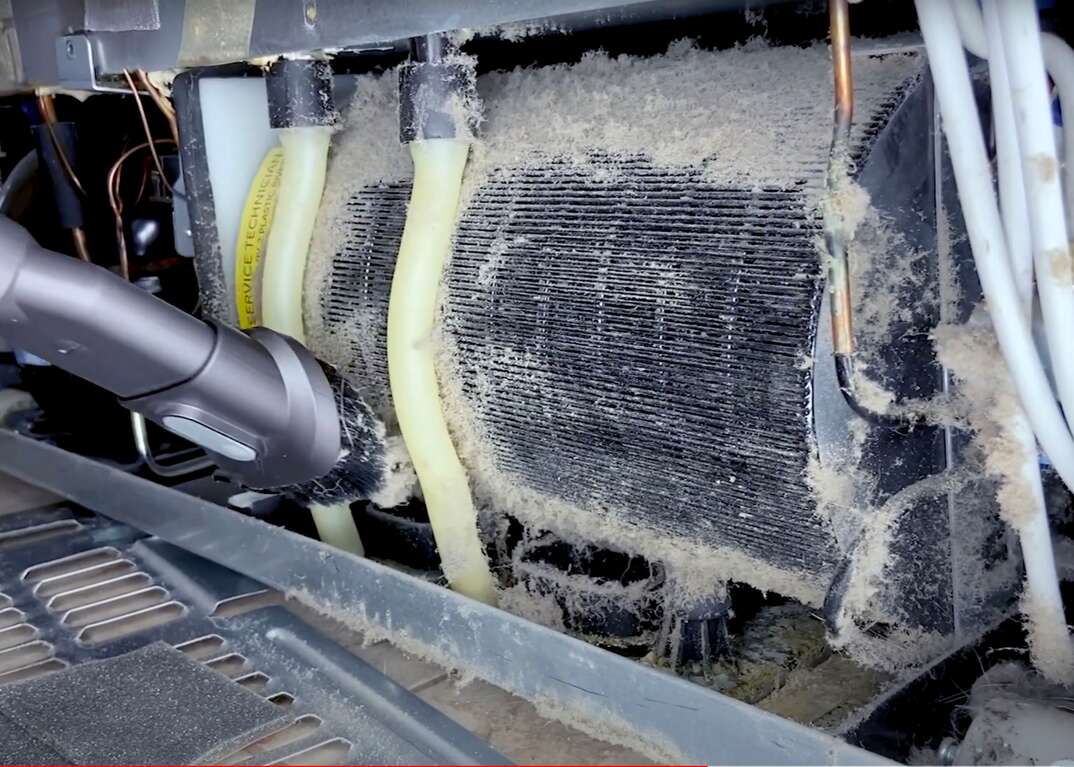
Start by brushing away loose dust. Use a soft cloth or brush. Gently wipe off dust from the coils. Avoid using water or liquids. Dry dust removal prevents damage and rust. Clear any debris stuck near the coils.
Using A Coil Brush
A coil brush reaches hard spots. Insert the brush between the coil fins. Move it back and forth slowly. This breaks up stubborn dirt and dust. Be gentle to avoid bending the coils. Brush all coil surfaces evenly.
Vacuuming For Thorough Cleaning
Use a vacuum with a brush attachment. Vacuum the coils and surrounding area carefully. This removes remaining dust and debris. Vacuuming finishes the cleaning process well. Make sure to clean the fridge vents too.
Post-cleaning Tips
Cleaning your fridge coils is only half the job. Proper care after cleaning ensures your fridge runs smoothly. Follow these post-cleaning tips to keep your appliance in top shape and avoid future problems.
Reassembling And Plugging Back In
After cleaning, carefully put all parts back in place. Make sure nothing is loose or missing. Plug the fridge back into the power outlet. Listen for any unusual sounds. This step helps avoid damage and ensures safety.
Checking Cooling Efficiency
Watch the fridge temperature for a few hours. It should reach the right cold level quickly. Check if food stays fresh and ice does not melt. Proper cooling means the coils work well after cleaning.
Scheduling Regular Maintenance
Set a reminder to clean the coils every six months. Regular checks prevent dust build-up and improve energy use. Keeping a maintenance schedule extends your fridge’s life and saves money.
Credit: www.homeserve.com
Common Mistakes To Avoid
Cleaning fridge coils is important for efficiency and longevity. Avoid mistakes that can cause damage or reduce cleaning effectiveness. Some errors are common but easy to fix. Pay attention to these points for a safer, better cleaning process.
Using Water On Coils
Never use water directly on fridge coils. Water can cause rust or electrical problems. Coils are delicate and must stay dry. Use a vacuum or soft brush instead to remove dust and dirt.
Neglecting Safety Precautions
Always unplug the fridge before cleaning coils. Electricity and moisture do not mix well. Wear gloves to protect your hands. Work in a well-lit area to avoid accidents.
Overlooking Hard-to-reach Areas
Coils often have hidden spots with dust buildup. Missing these areas lowers cleaning quality. Use a small brush or compressed air to reach tight spaces. Thorough cleaning improves fridge cooling and energy use.
When To Call A Professional
Cleaning fridge coils can improve your appliance’s efficiency and lifespan. Yet, some situations need expert help. Knowing when to call a professional can save time and avoid damage.
Signs Of Coil Damage
Look for bent or broken coils. Rust or corrosion can also harm them. These issues reduce cooling power. A professional can inspect and fix damaged coils safely.
Persistent Cooling Issues
If your fridge stays warm after cleaning coils, call a technician. Cooling problems may come from deeper issues. Professionals have tools to diagnose and repair these problems accurately.
Complex Cleaning Situations
Coils in hard-to-reach places require special care. Dust and dirt buildup inside the fridge also needs expert cleaning. Professionals can handle these safely without harming parts or causing leaks.

Credit: www.youtube.com
Frequently Asked Questions
How Often Should I Clean Fridge Coils?
Clean fridge coils every 6 months to maintain efficiency. Regular cleaning prevents dust buildup and reduces energy consumption. It extends the fridge’s lifespan and keeps it running smoothly.
What Tools Do I Need To Clean Fridge Coils?
Use a coil cleaning brush, vacuum cleaner, and a soft cloth. These tools help remove dust and debris safely. Avoid using water directly on coils to prevent damage.
Can Dirty Fridge Coils Cause Cooling Problems?
Yes, dirty coils reduce heat transfer, making cooling inefficient. This forces the compressor to work harder, increasing energy use and wear. Cleaning coils improves cooling performance and saves electricity.
Is It Safe To Clean Fridge Coils Myself?
Yes, cleaning fridge coils is safe if you unplug the fridge first. Use gentle tools and avoid damaging the coils. If unsure, consider hiring a professional for assistance.
Conclusion
Cleaning fridge coils keeps your appliance running well and saves energy. Dust and dirt block airflow, causing the fridge to work harder. Regular cleaning helps avoid costly repairs and extends your fridge’s life. It only takes a few minutes and simple tools.
Stay safe by unplugging the fridge first. A clean coil means a cooler fridge and lower electric bills. Make this a part of your home routine. Small efforts bring big benefits. Ready to keep your fridge in top shape?