Last Updated on December 28, 2025
Is your kitchen sink drain pipe clogged or slow to drain? You’re not alone, and the good news is that cleaning it yourself is easier than you think.
A clean drain pipe keeps your kitchen fresh, prevents bad odors, and stops costly plumbing problems before they start. You’ll discover simple, effective steps to clear out your kitchen sink drain pipe quickly and safely. Keep reading, and you’ll be able to tackle this common issue with confidence—and keep your kitchen running smoothly.
Credit: www.familyhandyman.com
Tools And Materials Needed
Cleaning a kitchen sink drain pipe requires some basic tools and materials. Having the right items makes the job easier and faster. Prepare everything before starting to avoid interruptions.
Most tools are common and easy to find at home or a local store. These supplies help remove clogs and clean the pipe thoroughly. Safety is important, so gather gloves and eye protection too.
Basic Tools Needed
- Adjustable wrench or pliers for loosening pipe connections
- Bucket to catch water and debris
- Pipe brush or bottle brush for scrubbing inside the pipe
- Flashlight to see inside dark pipes
Cleaning Materials
- Baking soda and vinegar for natural cleaning
- Dish soap to dissolve grease
- Hot water to flush out loosened dirt
- Old toothbrush for detailed scrubbing
Safety Gear
- Rubber gloves to protect hands from dirt and chemicals
- Safety goggles to shield eyes from splashes
- Face mask if using strong cleaning agents
Credit: www.abbottsathome.com
Signs Of A Clogged Drain
Clogged kitchen sink drain pipes cause many problems in daily life. Early signs help spot issues before they get worse. Knowing these signs saves time and money on repairs. Watch for unusual changes in your sink’s behavior.
Slow Draining Water
Water takes longer to drain after washing dishes. It pools in the sink instead of flowing quickly. This happens because debris blocks the pipe. Slow draining is one of the first signs of a clog.
Unpleasant Odors
Bad smells come from the drain or sink area. Food waste stuck in the pipe rots and causes odors. The smell may be strong or faint but noticeable. Persistent odors often mean a blocked drain pipe.
Gurgling Sounds
You may hear strange noises when water drains. Gurgling or bubbling sounds come from trapped air in the pipe. These sounds indicate water cannot flow smoothly. Gurgling is a clear sign of a partial clog.
Water Backup In Sink
Water may rise back up when using the sink. It can overflow or splash out unexpectedly. Backup happens when the blockage stops water flow. This sign shows the clog is worsening and needs cleaning.
Foul Taste In Tap Water
Water from the tap tastes unusual or bad sometimes. This can mean bacteria grow in the clogged pipes. Contaminated water is unsafe for cooking or drinking. A clogged drain pipe may cause this problem.
Preparing The Area
Preparing the area is the first step to clean your kitchen sink drain pipe safely and easily. A clean workspace helps avoid mess and accidents. It also makes the process faster and smoother.
Before you start, clear the space under your sink. Remove any items stored there. This gives you enough room to work and prevents damage to your belongings.
Gather Necessary Tools And Supplies
Collect all tools and cleaning supplies before you begin. Common items include a bucket, gloves, a wrench, and cleaning brushes. Having everything ready saves time and effort.
Protect The Surrounding Area
Place old towels or cloths around the sink base and floor. This protects surfaces from water spills and dirt. It also makes cleanup easier after the job is done.
Turn Off The Water Supply
Locate the water valves under the sink. Turn them off to stop water flow. This prevents leaks and water damage while cleaning the drain pipe.
Using Baking Soda And Vinegar
Cleaning your kitchen sink drain pipe can be simple with baking soda and vinegar. These two common household items work together to clear clogs and remove odors. They are safe and natural, making them a great choice for regular cleaning.
Baking soda helps break down grease and grime. Vinegar reacts with baking soda to create fizzing bubbles. This reaction loosens dirt inside the pipes and pushes it away.
Gathering Your Materials
Start by collecting baking soda, white vinegar, hot water, and a measuring cup. You may also want a small brush or old toothbrush for scrubbing.
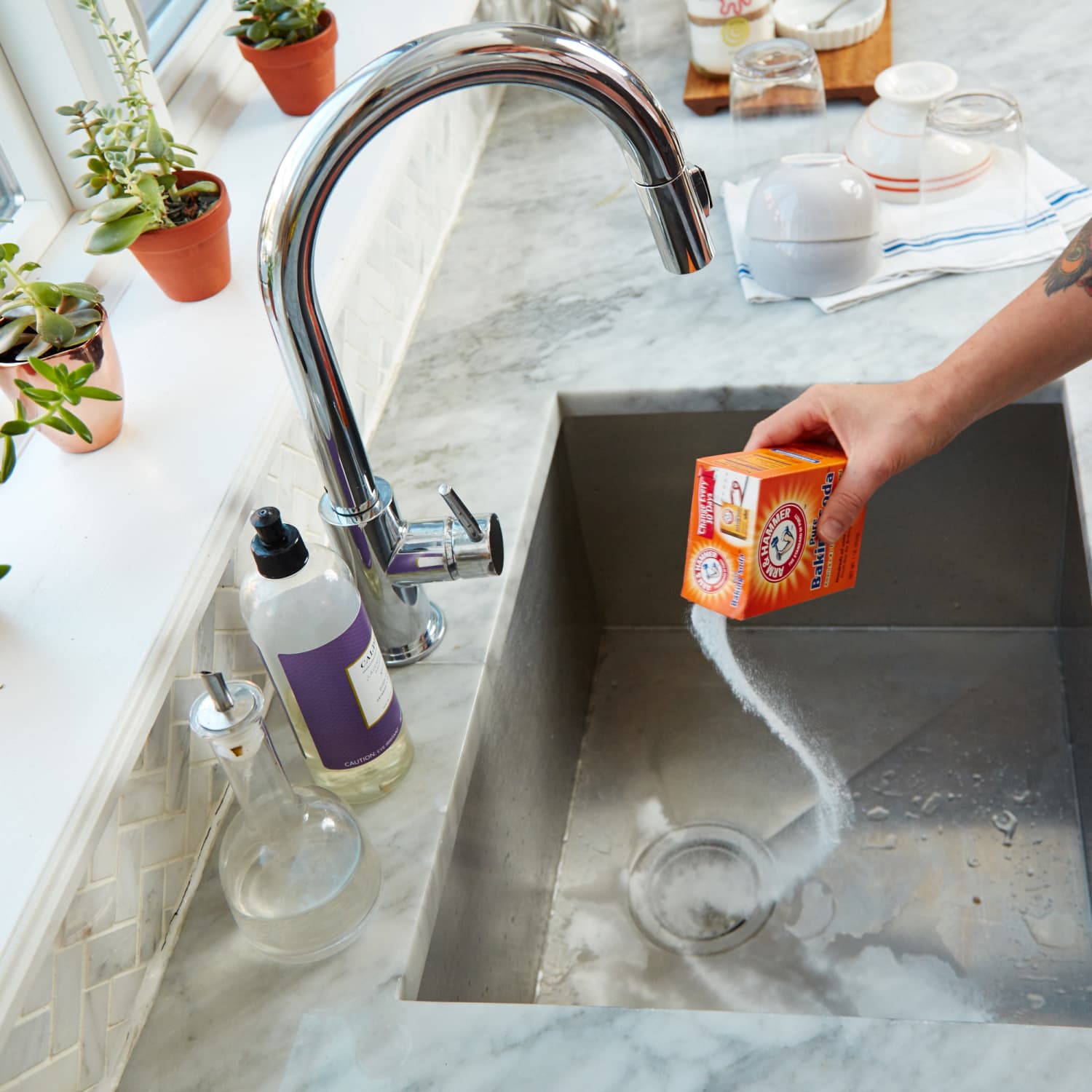
Pouring Baking Soda Into The Drain
Measure half a cup of baking soda. Pour it directly into the drain pipe. Baking soda sticks to the walls inside the pipe and begins working on the buildup.
Adding Vinegar To Create Reaction
Measure one cup of white vinegar. Slowly pour the vinegar into the drain. You will see fizzing and bubbling. Let it sit for 10 to 15 minutes.
Flushing The Drain With Hot Water
Boil about two cups of water. After the fizzing stops, pour the hot water down the drain. This flushes out loosened debris and grease.
Repeating The Process For Tough Clogs
For stubborn blockages, repeat the baking soda and vinegar steps. Two or three cycles usually clear the drain pipe effectively.
Cleaning With A Plunger
Cleaning the kitchen sink drain pipe with a plunger is a simple and effective way to remove clogs. This method uses suction to push and pull the blockage free. It does not require harsh chemicals or special tools. Most kitchens already have a plunger ready to use.
Using a plunger can clear minor blockages quickly. It helps restore proper drainage and prevents water backup. This method works best for slow drains and small clogs near the surface of the pipe.
Choose The Right Plunger
Select a cup plunger for sink drains, not a flange plunger. The cup plunger has a flat bottom that seals well on flat surfaces. This seal is important to create strong suction. Avoid using toilet plungers as they do not fit sink drains properly.
Prepare The Sink
Remove any standing water from the sink, leaving just enough to cover the plunger cup. Clear the drain opening of any debris or food particles. Block the overflow hole with a wet cloth to improve suction.
Use The Plunger Correctly
Place the plunger over the drain opening. Press down gently to create a seal. Push and pull the plunger in a steady rhythm. Avoid lifting the plunger off the drain to keep suction. Repeat about 15-20 times for best results.
Check The Drain
Remove the plunger and see if water drains quickly. Run hot water to flush out loosened debris. If the sink still drains slowly, repeat the plunging process. Persistent clogs may need other cleaning methods.
Removing And Cleaning The P-trap
Cleaning the kitchen sink drain pipe starts with the P-trap. This curved pipe holds water and stops sewer gases from entering your home. Over time, debris builds up inside it, causing clogs and bad smells. Removing and cleaning the P-trap helps keep your drain clear and fresh.
Cleaning this part is simple. You need only a few tools and some basic steps. This section guides you through locating, detaching, and clearing blockages from the P-trap safely and effectively.
Locating The P-trap
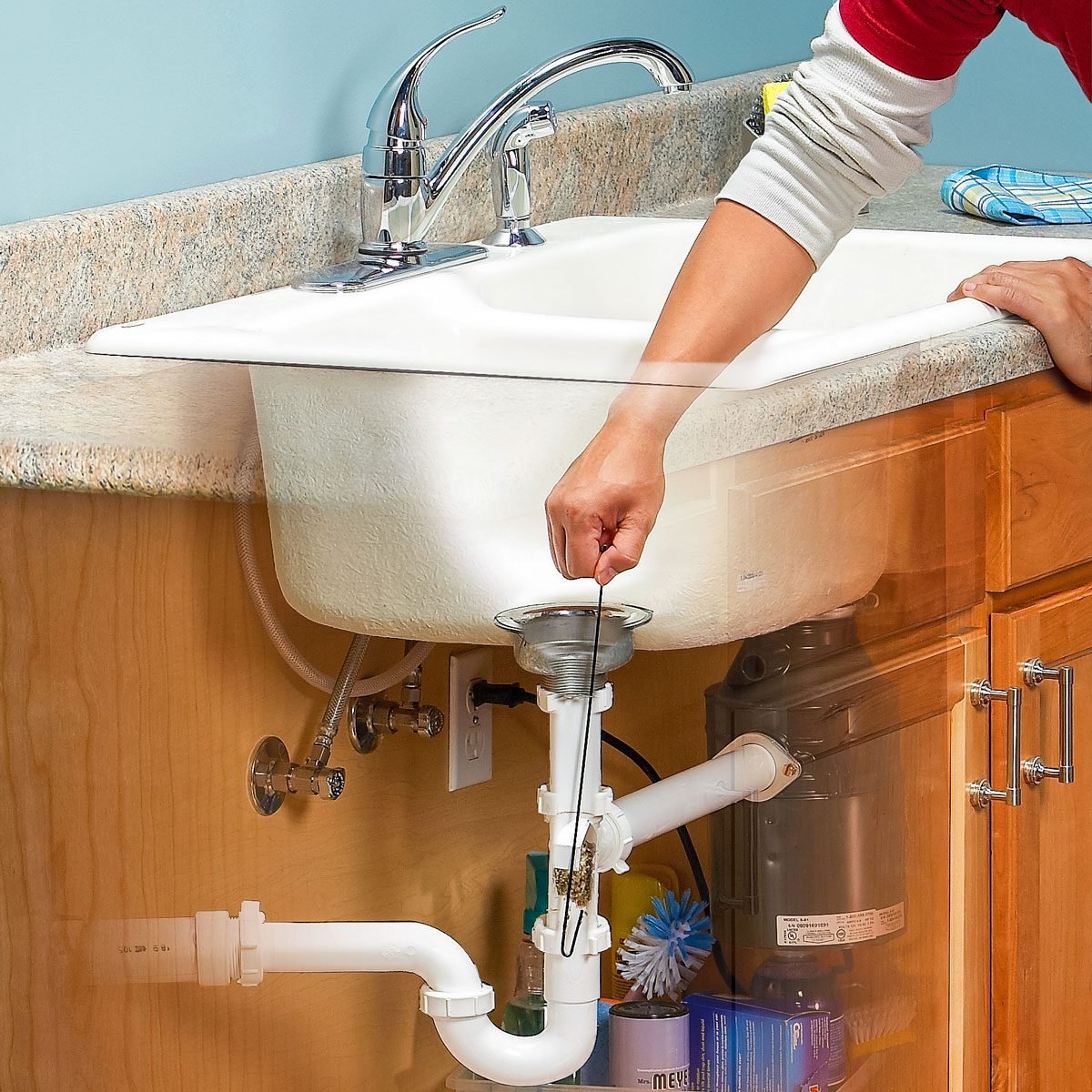
The P-trap is under your kitchen sink. It looks like a curved pipe shaped like the letter “P”. It connects the sink drain to the wall pipe. You may need to clear out the cabinet under the sink for easy access. The P-trap is usually made of metal or plastic.
Detaching The Trap
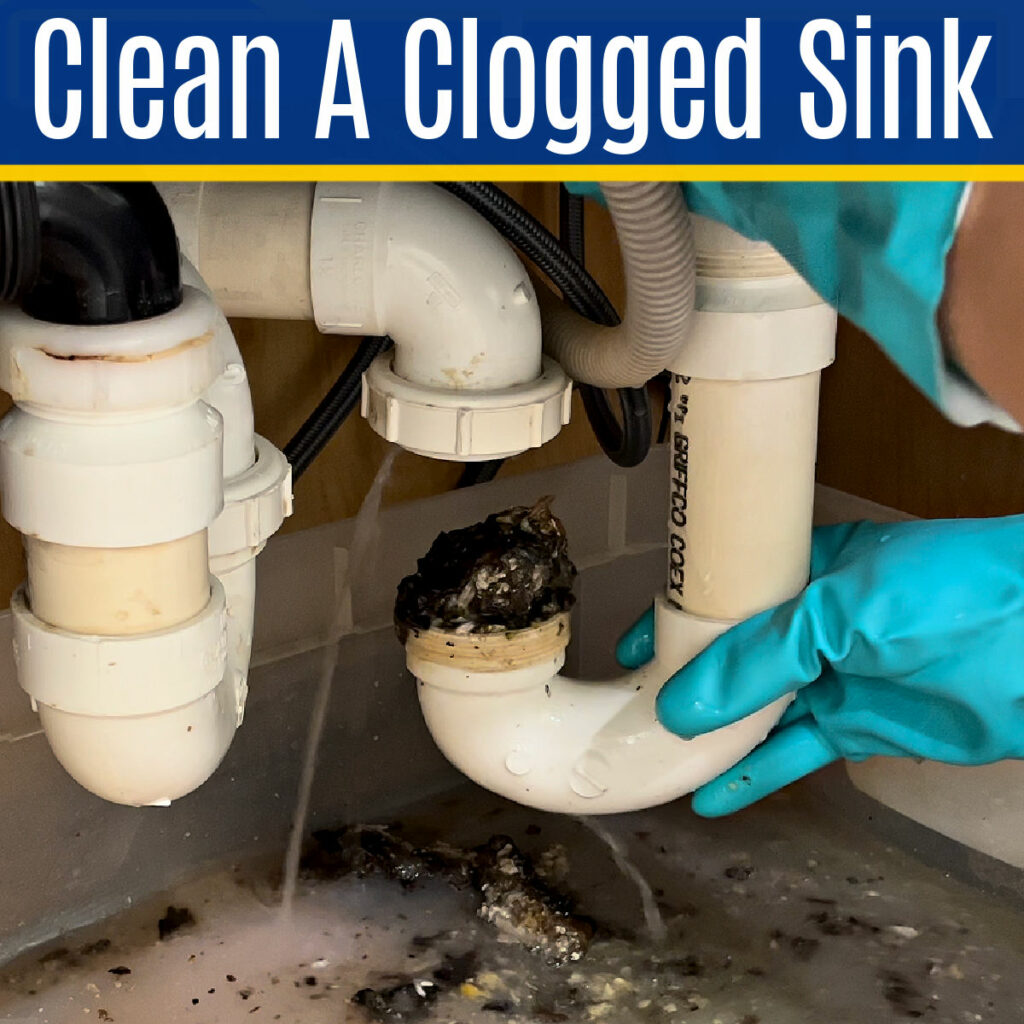
Place a bucket under the P-trap to catch water. Use your hands or a wrench to loosen the slip nuts on each end. Turn them counterclockwise. Be careful to avoid damaging the pipes. Once loose, gently remove the P-trap. Some water may spill out; this is normal.
Clearing Blockages
Check inside the P-trap for debris like food, grease, or hair. Use a brush or an old toothbrush to scrub the inside. Rinse it with warm water to remove buildup. For tough clogs, soak the pipe in a vinegar and baking soda mixture. Make sure the pipe is completely clear before reattaching it.
Using A Drain Snake
A drain snake is a helpful tool to clear clogs from your kitchen sink drain pipe. It is a long, flexible wire that moves through pipes to break up blockages. Using a drain snake removes debris that a plunger cannot reach.
Drain snakes come in manual and electric versions. The manual type works well for small clogs and is easy to use. Electric snakes are stronger and good for tougher blockages.
Choosing The Right Drain Snake
Select a drain snake that fits your pipe size. Smaller pipes need thinner snakes to move freely. For kitchen sinks, a 1/4-inch or 3/8-inch snake is usually best. Check the length too. A snake about 15 feet long suits most kitchen drains.
Preparing To Use The Drain Snake
Clear the area under your sink. Place a bucket below the drain pipe to catch water or debris. Remove the sink drain stopper to access the pipe opening. Wear gloves to protect your hands from dirt and bacteria.
How To Use The Drain Snake
Insert the snake’s end into the drain opening slowly. Turn the handle clockwise to push the snake deeper. Stop when you feel resistance. Rotate the snake to break the clog apart. Pull the snake out carefully, removing debris.
Cleaning Up After Snaking
Run hot water down the drain for a few minutes. This helps wash away loosened debris. Clean the snake with soap and water before storing. Dispose of any waste material properly. Check your sink to see if water drains faster now.
Credit: www.thekitchn.com
Preventing Future Clogs
Preventing future clogs in your kitchen sink drain pipe saves time and stress. A clean drain keeps water flowing smoothly. Regular care can stop blockages before they start. Small actions make a big difference over time.
Regular Maintenance Tips
Clean your drain weekly with hot water. This helps dissolve grease and soap buildup. Use a mixture of baking soda and vinegar to clear minor clogs. Pour it down the drain and wait 15 minutes. Then flush with boiling water for best results.
Check the drain for debris like food scraps or hair. Remove visible particles to avoid slow drainage. Use a drain strainer to catch solids before they enter the pipe. Empty the strainer often to keep it effective.
Avoiding Harmful Substances
Do not pour grease or oil down the drain. They harden and cause serious clogs. Dispose of fats in a container and throw them in the trash. Avoid flushing coffee grounds or eggshells; they build up inside pipes.
Skip harsh chemical cleaners. They can damage pipes and harm the environment. Choose natural or enzyme-based cleaners for safe drain care. These break down buildup gently without causing harm.
Frequently Asked Questions
How Do I Clean A Kitchen Sink Drain Pipe Naturally?
Use a mixture of baking soda and vinegar. Pour half a cup of baking soda followed by half a cup of vinegar down the drain. Let it sit for 15 minutes, then flush with hot water to clear clogs and remove odors naturally.
How Often Should I Clean My Kitchen Sink Drain Pipe?
Clean your kitchen sink drain pipe every 1 to 3 months. Regular cleaning prevents buildup, clogs, and bad odors. Frequent maintenance keeps your plumbing efficient and extends the life of your pipes.
What Household Items Unclog Kitchen Sink Drain Pipes?
Common items like baking soda, vinegar, and boiling water effectively unclog drains. Avoid harsh chemicals. These natural cleaners break down grease and debris safely and maintain pipe health without damaging plumbing.
Can I Use Bleach To Clean Kitchen Sink Drain Pipes?
Bleach can disinfect but may damage pipes if used frequently. Use it sparingly and always dilute with water. For routine cleaning, natural methods are safer and more environmentally friendly.
Conclusion
Cleaning your kitchen sink drain pipe keeps water flowing smooth. Avoid clogs by cleaning regularly. Use simple tools and safe cleaners for best results. A clean drain stops bad smells and saves repairs. Take small steps often to keep your sink fresh.
Keep your kitchen healthy with easy care. A little effort goes a long way in plumbing. Start today for a cleaner, better kitchen sink.