Last Updated on December 29, 2025
Is your garbage disposal acting up or clogged? Knowing how to empty your garbage disposal quickly and safely can save you time, money, and frustration.
Imagine no more unpleasant odors or slow drains. In this guide, you’ll discover simple steps that anyone can follow to get your disposal running smoothly again. Keep reading, and you’ll have the confidence to tackle this common kitchen problem like a pro.
:max_bytes(150000):strip_icc()/How-to-Clean-a-Garbage-Disposal-Refined-Final-098ce78e1bff4f60b95057129a30c09f.jpg)
Credit: www.referentieldelamesure.com
Safety First
Safety is the top priority when emptying a garbage disposal. This task involves sharp blades and electric parts. Careless actions can cause serious injuries. Following simple safety steps keeps you safe while working on the disposal.
Turn Off Power
Always switch off the power before starting. Locate the disposal’s power switch or unplug it from the outlet. This step stops the blades from moving unexpectedly. Never rely on just turning off the disposal with the switch under the sink. Always ensure the power is fully disconnected.
Wear Protective Gear
Wear gloves to protect your hands from sharp edges. Rubber gloves offer good grip and shield your skin. Safety glasses prevent debris from getting into your eyes. Avoid loose clothing or jewelry that can get caught in the disposal. Proper gear reduces the risk of cuts and injuries.

Credit: sepurahome.com
Gather Necessary Tools
Gathering the right tools makes emptying your garbage disposal easier. Having everything ready saves time and avoids frustration. Knowing what to use helps you work safely and efficiently.
List Of Tools Needed
- Flashlight – to see inside the disposal clearly
- Hex wrench or Allen key – to turn the disposal manually
- Tongs or pliers – to remove stuck objects safely
- Bucket – to catch any water or debris
- Gloves – to protect your hands from sharp edges
- Screwdriver – to access or remove the disposal cover
Optional Items For Tough Jobs
- Wooden spoon or broom handle – to gently push or dislodge debris
- Old toothbrush – to clean hard-to-reach parts
- Lubricant spray – to loosen stuck parts
- Plunger – to clear minor clogs
- Shop vacuum – to suck out debris
Prepare The Area
Preparing the area is the first step to safely empty your garbage disposal. A clean and organized space makes the job easier and prevents messes. Take a few minutes to get your sink and surrounding area ready. This helps avoid accidents and keeps everything within reach.
Clear Sink And Surroundings
Remove dishes, utensils, and any items from the sink. Wipe down the sink surface to clear food scraps and debris. Make sure the area around the sink is dry and free of clutter. This creates a safe workspace and reduces the chance of slipping or dropping things.
Place A Bucket Or Container
Put a bucket or container under the sink drain. This catches any water or food particles that may spill out. Choose a container that fits well and is easy to handle. Having a container ready keeps your kitchen clean and protects the floor from stains.
Remove Visible Debris
Removing visible debris from your garbage disposal is the first step to empty it safely. This process clears any stuck food or objects that block the blades. Clearing the debris helps the disposal work better and prevents bad smells.
Manual Removal
Start by turning off the power to the disposal. Use your hand to reach inside carefully. Pull out any large pieces of food or objects you see. Avoid putting your hand too deep to stay safe.
Using Tongs Or Pliers
Use tongs or pliers for hard-to-reach debris. These tools help you grab stuck items without touching sharp parts. Gently pull out the debris and check the disposal again. This method keeps your hands safe and the disposal clean.
Flush The Disposal
Flushing the garbage disposal is an easy way to clean it and remove leftover debris. This step keeps your disposal fresh and working well. It also helps prevent clogs and bad smells in the kitchen sink.
Use Running Water
Turn on cold water before starting the disposal. Let the water run for about 30 seconds. This helps move food waste through the pipes. Cold water keeps grease solid so it can be chopped up easily. Run water while the disposal is on. Then, keep running water for 15 seconds after turning off the disposal. This flushes out any remaining particles.
Add Ice Cubes And Salt
Drop a handful of ice cubes into the disposal. Add about half a cup of coarse salt. Use rock salt or kosher salt for best results. Turn on the disposal with cold water running. The ice helps clean the blades and scrape the sides. Salt acts as an abrasive to remove buildup. This method sharpens the blades and clears away stuck debris.
Clean The Disposal
Cleaning the garbage disposal keeps it fresh and working well. Food bits and grime can build up inside. This causes bad smells and clogs. Regular cleaning removes these problems. It also helps your disposal last longer. Follow simple steps to clean the disposal effectively.
Use Baking Soda And Vinegar
Pour half a cup of baking soda into the disposal. Then, add one cup of vinegar slowly. The mixture will bubble and fizz. Let it sit for 10 to 15 minutes. This reaction breaks down grime and kills bacteria. After waiting, flush the disposal with hot water. This clears out loosened debris and freshens the smell.
Scrub The Rubber Flaps
The rubber flaps inside the disposal trap food bits. These flaps can get dirty and smelly. Use an old toothbrush and dish soap. Scrub the flaps gently but well. Clean both sides of each flap. Rinse with warm water to wash away residue. Clean flaps help stop bad odors and keep the disposal safe.
Check For Blockages
Checking for blockages is a key step before emptying your garbage disposal. Blockages stop the disposal from working well. They cause bad smells and slow drainage. Clearing blockages helps your disposal run smoothly and last longer.
Start by looking inside the disposal. Use a flashlight to see if food or objects block the blades. Never put your hand inside. Use tools instead. Blockages often happen from fibrous foods, bones, or small hard items.
Use An Allen Wrench
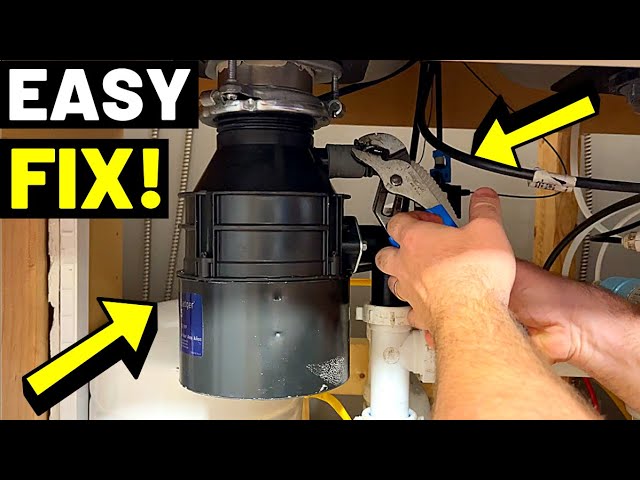
Most disposals have a small hole at the bottom. Insert an Allen wrench into this hole. Turn the wrench back and forth slowly. This moves the blades and helps loosen stuck debris. You will feel resistance if the blades are jammed. Keep turning until the wrench moves freely.
Removing the wrench carefully, check if the blades spin on their own. This step can clear many common blockages safely and easily.
Test The Disposal Movement
After using the wrench, test the blades by hand. Use a wooden spoon or stick. Turn the blades gently to feel if they move freely. No force should be needed. The blades should spin without sticking.
If the blades still feel stuck, repeat the wrench step. Persistent blockage may need professional help. Always unplug the disposal before testing or working on it.
Credit: www.youtube.com
Final Rinse And Test
After cleaning your garbage disposal, the final rinse and test are important steps. They help ensure your disposal works well and is free of leftover debris. This process also helps spot any problems early. Follow these steps carefully to keep your kitchen sink running smoothly.
Run Water And Disposal
Turn on cold water before starting the disposal. Cold water helps solidify fats and oils. These then get chopped up and flushed away easily. Switch on the garbage disposal and let it run for about 30 seconds. Keep the water flowing while the disposal runs. This rinses out any small bits left inside.
Listen For Unusual Noises
Pay attention to sounds while the disposal runs. Normal operation sounds like a steady grinding noise. Sounds like clanking or rattling may mean something is stuck. A humming noise could show the disposal is jammed. If you hear these, turn off the disposal immediately. Check the unit for any blockages or damage. Fixing issues early can prevent costly repairs later.
Maintenance Tips
Keeping your garbage disposal clean helps it work well for years. Regular maintenance stops clogs and bad smells. Simple steps protect your kitchen and save money on repairs. Follow these easy tips to keep your disposal fresh and efficient.
Regular Cleaning Schedule
Clean the disposal once a week to avoid buildup. Run cold water and grind small lemon pieces to freshen. Use baking soda and vinegar to remove odor and grime. Flush with hot water after cleaning to clear leftovers. Regular care prevents tough blockages and keeps blades sharp.
Avoiding Common Mistakes
Do not pour grease or oil down the drain. Avoid fibrous foods like celery or corn husks. Never put hard items like bones or fruit pits inside. Skip harsh chemicals that can damage the disposal parts. Use cold water during grinding to help solidify fats and flush debris.
Frequently Asked Questions
How Do I Safely Empty A Garbage Disposal?
Turn off the power to the disposal before emptying. Use tongs or gloves to remove debris carefully. Never put your hand inside while it’s running or connected to power.
Can I Put My Hand Inside The Garbage Disposal?
No, never insert your hand inside a garbage disposal. Always disconnect power first. Use tools like pliers or tongs to remove stuck items safely.
What Should I Avoid Putting In A Garbage Disposal?
Avoid fibrous, starchy, or hard materials like bones, grease, and coffee grounds. These can clog or damage the disposal unit, leading to costly repairs.
How Often Should I Clean My Garbage Disposal?
Clean your garbage disposal weekly to prevent odors and buildup. Use baking soda and vinegar, then rinse with hot water for best results.
Conclusion
Emptying your garbage disposal keeps your kitchen clean and fresh. Regular cleaning stops bad smells and clogs. Always follow safety steps to avoid accidents. Use simple tools like ice or lemon to clean better. Keep your disposal working well with small, easy tasks.
A clean disposal helps your sink drain fast. Take care of it, and it will last longer. Cleaning often saves money on repairs. Now you know how to empty your garbage disposal safely and easily.