Last Updated on August 11, 2026
Making buttermilk is simple and quick. You can do it at home with common ingredients.
Buttermilk is a key ingredient in many recipes. It adds a tangy flavor and tender texture to baked goods. But what if you don’t have it on hand? No worries. You can easily make your own buttermilk at home. This guide will show you how.
It’s a handy skill for any home cook. All you need is milk and an acid like lemon juice or vinegar. In minutes, you’ll have fresh buttermilk ready for your favorite dishes. Whether you’re baking, marinating, or just exploring new recipes, homemade buttermilk is a useful addition to your kitchen toolkit. Dive in to learn this simple, useful technique.
Introduction To Buttermilk
Have you ever wondered what gives pancakes their irresistible fluffiness or why certain cakes have that tangy, moist texture? The secret often lies in a simple ingredient: buttermilk. This versatile liquid is a staple in many kitchens, cherished for its unique taste and culinary benefits. Buttermilk isn’t just for bakers—it’s an ingredient that can elevate your cooking to new heights. So, what makes buttermilk so special, and why should you consider making it at home?
What Is Buttermilk?
Buttermilk is a fermented dairy product, often left behind after churning butter from cream. Despite its name, it’s not thick or buttery. Instead, it’s slightly tangy and surprisingly low in fat. If you’ve ever tasted buttermilk, you know it has a distinctive tanginess that sets it apart from regular milk. This tang comes from the fermentation process, where beneficial bacteria are added to milk, transforming it into buttermilk.
Today, most commercially available buttermilk is cultured, meaning it’s intentionally fermented to achieve that delicious taste. It’s a staple in baking recipes, used to bring out flavors and create a tender crumb in baked goods. But its uses extend far beyond the oven.
History And Uses
Buttermilk has a fascinating history, deeply rooted in traditional butter-making practices. In the past, it was simply the byproduct of churning butter from cream. Farmers would use it in their cooking, appreciating its tangy flavor and health benefits. Today, buttermilk is a product on its own, crafted with care and intention.
Its uses are diverse and exciting. You can use buttermilk to marinate chicken, giving it a tender texture and a subtle tang. Try it in salad dressings for a creamy yet light addition. Ever thought of adding buttermilk to your mashed potatoes? It creates a creamy consistency with a hint of zest. Buttermilk is also excellent for making homemade biscuits and pancakes. It adds richness without heaviness, making your baked goods unforgettable.
Making buttermilk at home is surprisingly easy and rewarding. Have you ever tried to make it? If not, you’re in for a delightful kitchen adventure. With just a few ingredients, you can whip up your own batch and elevate your dishes effortlessly.
Credit: iambaker.net
Benefits Of Homemade Buttermilk
Making buttermilk at home offers many benefits. It’s fresher, tastier, and healthier. Plus, homemade buttermilk is versatile and can be used in recipes or enjoyed on its own. Learn the advantages of crafting your own buttermilk.
Health Advantages
Homemade buttermilk is packed with nutrients. It’s rich in vitamins and minerals, like calcium and vitamin B12. These nutrients support bone health and boost energy. The probiotics in buttermilk aid digestion and strengthen the immune system. Making your own buttermilk means avoiding preservatives. It’s pure and natural, offering a healthier choice.
Cost And Convenience
Homemade buttermilk is budget-friendly. With a few simple ingredients, you can make it at home. This saves money compared to buying it from stores. The process is quick and easy. You can make it in just minutes with minimal effort. It’s convenient to have buttermilk ready whenever you need it for cooking or drinking.
Basic Ingredients Required
Making buttermilk at home is simple and requires few ingredients. Whether for pancakes, biscuits, or marinades, homemade buttermilk adds a fresh touch. Understanding the basic ingredients can make the process seamless and enjoyable. This guide will walk you through what you’ll need.
Essential Components
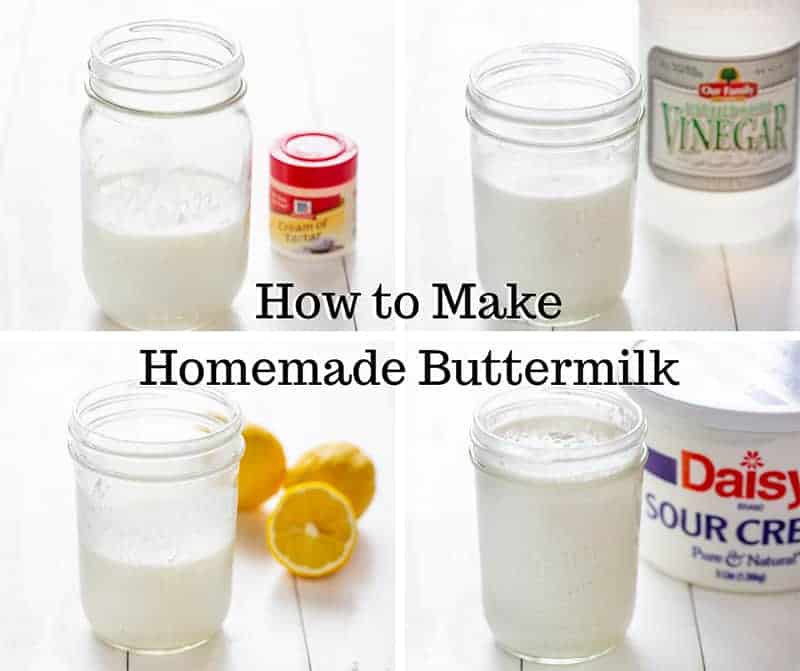
To make buttermilk, start with fresh milk. Whole milk or 2% milk works best. You’ll also need an acid. Lemon juice or white vinegar is ideal. These components react with milk to create buttermilk. Use one tablespoon of acid per cup of milk. Stir them together, then let it sit. Wait for 10 minutes until it thickens. Your buttermilk is ready to use.
Optional Add-ins
Add a pinch of salt for taste. Some prefer a dash of sugar for sweetness. A few drops of vanilla can add a unique flavor. These add-ins are optional but can enhance your buttermilk. Mix them well and adjust to your preference. Experiment to find your favorite blend. Enjoy crafting your own buttermilk at home.
Step-by-step Buttermilk Recipe
Create homemade buttermilk effortlessly by mixing milk with lemon juice or vinegar. Let it sit for 10 minutes. Your fresh buttermilk is ready to enhance recipes with its tangy flavor.
Craving the tangy richness of buttermilk but don’t have any on hand? Making your own buttermilk at home is easier than you might think. With just a couple of ingredients, you can whip up a fresh batch in no time. Let’s dive into the step-by-step process to create that perfect buttermilk that will enhance your recipes and delight your taste buds. ###Preparation Process
Start by gathering your ingredients. You’ll need one cup of milk and one tablespoon of acid, such as lemon juice or white vinegar. Pour the milk into a measuring cup or a bowl. Add the acid to the milk and give it a gentle stir. You should notice the mixture beginning to thicken slightly. Let it sit for 5 to 10 minutes at room temperature. This resting period allows the milk to curdle, creating the perfect buttermilk consistency. ###Common Mistakes
It’s easy to rush the process, but patience is key. Avoid skipping the resting time; the acid needs time to react with the milk. Using cold milk can hinder the curdling process. Ensure your milk is at room temperature for the best results. Don’t over-stir the mixture. A gentle stir is enough to combine the ingredients. Over-mixing can disrupt the curdling process. Have you ever tried making buttermilk and ended up with a lumpy mess? It’s a common mistake, but easily avoidable with these steps. Creating buttermilk at home isn’t just a skill; it’s a practical way to elevate your cooking. Imagine the satisfaction of knowing exactly what’s in your ingredients. What will you make with your homemade buttermilk?Alternative Methods
Discover easy ways to make buttermilk at home. Mix milk with lemon juice or vinegar and let it sit. Use yogurt as an alternative by thinning it with water. Perfect for baking and cooking needs.
Making buttermilk at home can be an adventure, especially when you realize there are multiple ways to achieve that tangy goodness. If you’re out of buttermilk or want to try your hand at crafting your own, alternative methods using common kitchen ingredients can save the day. And who knows? You might find that homemade buttermilk suits your taste better than store-bought versions. Ready to explore? Let’s dive into some easy alternatives.Using Lemon Juice
Ever had one of those moments when you’re halfway through baking and realize you’re out of buttermilk? Don’t panic. A simple solution is right in your fruit bowl. Lemon juice can transform regular milk into a perfect buttermilk substitute. Start with one cup of milk. Add one tablespoon of freshly squeezed lemon juice. Stir well and let it sit for about 10 minutes. You’ll notice the milk begins to thicken and curdle slightly, mimicking the consistency and acidity of buttermilk. Why lemon juice? It’s all about the acidity. This tangy addition helps your baked goods rise and adds flavor. Next time you’re in a pinch, remember: your trusty lemon can save the day.Using Vinegar
When life gives you vinegar, make buttermilk. Seriously, this pantry staple can work wonders. Vinegar might not be the first thing you think of, but its acidity does the trick. Pour one cup of milk into a measuring jug. Add one tablespoon of white vinegar. Give it a good stir and let it sit for 10 minutes. You’ll see the milk change in texture, becoming slightly lumpy. Vinegar is versatile and might even be your preferred choice if you want a slightly sharper taste. It’s a great option for recipes where you want a more pronounced tang. Plus, who doesn’t love a good kitchen hack? — Have you ever tried making buttermilk using these methods? Which one surprised you the most? Experiment and see which fits your taste and recipe needs.
Credit: tastesbetterfromscratch.com
Storing And Shelf Life
Keep homemade buttermilk fresh by storing it in a sealed container in the refrigerator. It lasts up to two weeks. Regularly check for off smells to ensure quality before use.
Storing and Shelf Life Making buttermilk at home is a delightful endeavor, but understanding how to store it properly is just as crucial. Proper storage ensures that your buttermilk retains its tangy flavor and creamy texture for as long as possible. Plus, knowing the shelf life helps you plan your culinary adventures without any wastage.Proper Storage Tips
To keep your homemade buttermilk fresh, always store it in the refrigerator. Use a clean, airtight container to prevent any odors from seeping in. Glass jars are ideal because they don’t absorb smells and can be tightly sealed. Consider labeling your container with the date of preparation. This simple step will help you track how long your buttermilk has been stored. If you’re short on fridge space, you might be tempted to store buttermilk in the door. Avoid this if possible; the door is the warmest part of the fridge. Instead, place it on a middle shelf for optimal cooling.Signs Of Spoilage
Spotting spoilage in buttermilk is easier than you might think. Start by checking for any unusual changes in texture. If your buttermilk becomes excessively thick or lumpy, it’s time to discard it. A sour smell is a sure sign that your buttermilk has gone bad. While buttermilk is naturally tangy, an off-putting odor is a red flag. Also, take note of any discoloration. Fresh buttermilk should be creamy white. If it turns yellowish or develops dark spots, it’s best to throw it away. Have you ever wondered why some foods spoil faster than others? By keeping your buttermilk stored correctly, you extend its life and ensure it’s ready for your next recipe.Creative Uses In Cooking
Transform plain milk into tangy buttermilk with vinegar or lemon juice. Mix and let sit for a few minutes. Use this homemade buttermilk in pancakes, salad dressings, or marinating chicken for extra flavor.
Buttermilk is a versatile ingredient that can elevate your cooking to new heights. Its tangy flavor and creamy texture make it a secret weapon in both sweet and savory dishes. Whether you’re an experienced cook or just starting out, exploring creative uses for buttermilk in your kitchen can lead to delicious results.Baking With Buttermilk
Buttermilk can transform your baked goods into something truly special. It reacts with baking soda to create a light and fluffy texture, making your pancakes and waffles irresistible. Imagine whipping up a batch of buttermilk biscuits on a lazy Sunday morning. The result? Soft, flaky layers that melt in your mouth. Ever tried a chocolate cake made with buttermilk? It adds a depth of flavor that water just can’t match. Experiment with your favorite recipes by substituting buttermilk for regular milk. You might discover a new favorite dessert.Savory Dishes
Buttermilk isn’t just for sweets—it shines in savory dishes too. Its acidity tenderizes meat, making it a great marinade for fried chicken. Picture this: a crispy, golden-brown crust with juicy, tender meat inside. That’s the magic of buttermilk. Add it to your mashed potatoes for a creamy, tangy twist. Your guests will wonder what your secret ingredient is. What about soups? A splash of buttermilk can add a delightful creaminess without the heaviness of cream. Buttermilk can also be the base for a tangy salad dressing, bringing your greens to life. It’s like giving your salad an upgrade. What creative ways will you use buttermilk in your kitchen? Let your imagination run wild and see where it takes you.Troubleshooting Tips
Making buttermilk can be tricky sometimes. You might face issues with consistency or flavor. Here are some troubleshooting tips to help you perfect your homemade buttermilk.
Adjusting Consistency
If your buttermilk is too thin, try adding more lemon juice or vinegar. This will make it thicker. If it’s too thick, add a little milk. Stir well to blend it evenly.
Consistency is key for many recipes. Keep experimenting until you find what works best. You can adjust the thickness based on your recipe needs.
Flavor Enhancements
If the flavor is too sour, add a teaspoon of sugar. This balances the taste. For a richer flavor, use whole milk instead of skim milk.
Want a unique twist? Add a pinch of salt or vanilla extract. These small changes can make your buttermilk stand out. Remember, taste as you go.

Credit: www.ambitiouskitchen.com
Frequently Asked Questions
How Do You Make Your Own Buttermilk?
Mix 1 cup of milk with 1 tablespoon of lemon juice or white vinegar. Stir well. Let it sit for 5-10 minutes until it thickens slightly. Your homemade buttermilk is ready to use.
What Do You Use If You Don’t Have Buttermilk?
Use milk with lemon juice or vinegar as a buttermilk substitute. Mix 1 cup milk with 1 tablespoon lemon juice or vinegar. Let it sit for 5 minutes before using. This creates a similar taste and texture for recipes needing buttermilk.
Is It Better To Make Buttermilk With Vinegar Or Lemon Juice?
Both vinegar and lemon juice work well for making buttermilk. Lemon juice adds a mild citrus flavor, while vinegar offers a neutral taste. Choose based on your recipe and flavor preference. Both options effectively curdle milk for baking and cooking.
What Is The Formula For Buttermilk?
Buttermilk is made by mixing 1 cup of milk with 1 tablespoon of lemon juice or vinegar. Let it sit for 5 minutes before using. This creates a tangy substitute for traditional buttermilk, perfect for baking or cooking.
Conclusion
Making buttermilk at home is easy and fun. You only need milk and lemon juice or vinegar. Mix them and let it sit for a few minutes. Your fresh buttermilk is ready! Use it in pancakes, cakes, or marinades. Homemade buttermilk adds a tasty touch to recipes.
Plus, it’s a great way to use up extra milk. Experiment with flavors and thickness. Try it in different dishes. Enjoy the process and the delicious results. Simple ingredients, big flavor. Give homemade buttermilk a try today!