Last Updated on September 13, 2026
Do you want to enjoy the freshest, richest coffee right at home? Making coffee from beans might seem tricky, but it’s easier than you think.
When you grind your own beans, every cup bursts with flavor that store-bought coffee just can’t match. Imagine waking up to that perfect aroma and taste—crafted by you. In this guide, you’ll discover simple steps to turn whole beans into a delicious brew.
Ready to transform your coffee routine and impress your taste buds? Let’s dive in.
Choosing The Right Beans
Choosing the right coffee beans is the first step to a great cup of coffee. The beans affect the flavor, aroma, and strength. Knowing what to pick can make your coffee experience much better.
Types Of Coffee Beans
Coffee beans mainly come from two types: Arabica and Robusta. Arabica beans have a sweet, soft taste with hints of fruit and sugar. Robusta beans taste stronger and more bitter. They also have more caffeine. Most coffee lovers prefer Arabica for its smooth flavor.
Freshness And Roast Levels
Fresh beans make the best coffee. Old beans lose flavor and smell. Look for beans roasted recently. Roast levels change the taste too. Light roasts keep the original flavors of the bean. Dark roasts have a bolder, smoky taste. Choose the roast that fits your taste.
Where To Buy Quality Beans
Buy beans from stores that sell fresh coffee. Local coffee shops often offer fresh beans. Online stores show roast dates and bean origin. Avoid pre-ground coffee for better flavor. Whole beans stay fresh longer and taste better.

Credit: www.youtube.com
Grinding Coffee Beans
Grinding coffee beans is a key step in making fresh coffee. It affects the taste and strength of your brew. Freshly ground beans release more flavor and aroma than pre-ground coffee. The right grind size depends on your brewing method.
Grind Size And Brew Methods
Different coffee makers need different grind sizes. For espresso, use a fine grind. Drip coffee makers work best with medium grind. French press needs a coarse grind. Matching grind size with your brew method makes coffee taste better.
Manual Vs Electric Grinders
Manual grinders are small and quiet. They give good control over grind size. Electric grinders work fast and are easy to use. They fit well in busy kitchens. Both types can make good coffee if used properly.
Tips For Consistent Grinding
Grind beans just before brewing. Use the same grind size each time. Clean your grinder regularly to avoid old coffee buildup. Measure the beans for each grind. Consistency helps make every cup taste great.
Preparing Equipment
Preparing your equipment is the first step to making great coffee from beans. Clean and ready tools make a big difference in taste. Good equipment helps you brew coffee with the best flavor. Take time to set up everything properly before you start.
Essential Tools For Brewing
You need a few key tools for brewing coffee from beans. A coffee grinder is important to grind beans fresh. A coffee maker or French press will help brew the coffee. Use a scale to measure beans and water for accuracy. A timer can help control brewing time. These tools ensure you get consistent results every time.
Cleaning And Maintenance
Clean your coffee equipment regularly. Old coffee oils and residue can spoil taste. Rinse the grinder, maker, and other tools after each use. Deep clean once a week with warm water and mild soap. Dry everything completely before storing. Clean tools keep coffee fresh and flavorful.
Water Quality And Temperature
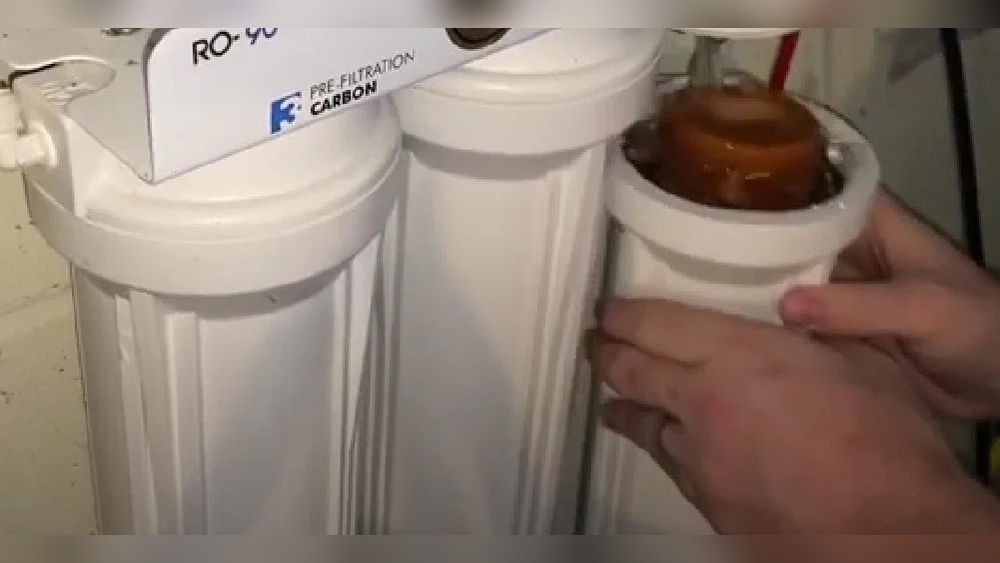
Water quality affects the taste of your coffee. Use fresh, clean water without strong odors or flavors. Avoid tap water if it tastes or smells bad. The ideal water temperature for brewing is between 195°F and 205°F. Too hot or too cold water can cause bitter or weak coffee. Use a thermometer or a kettle with temperature control for best results.
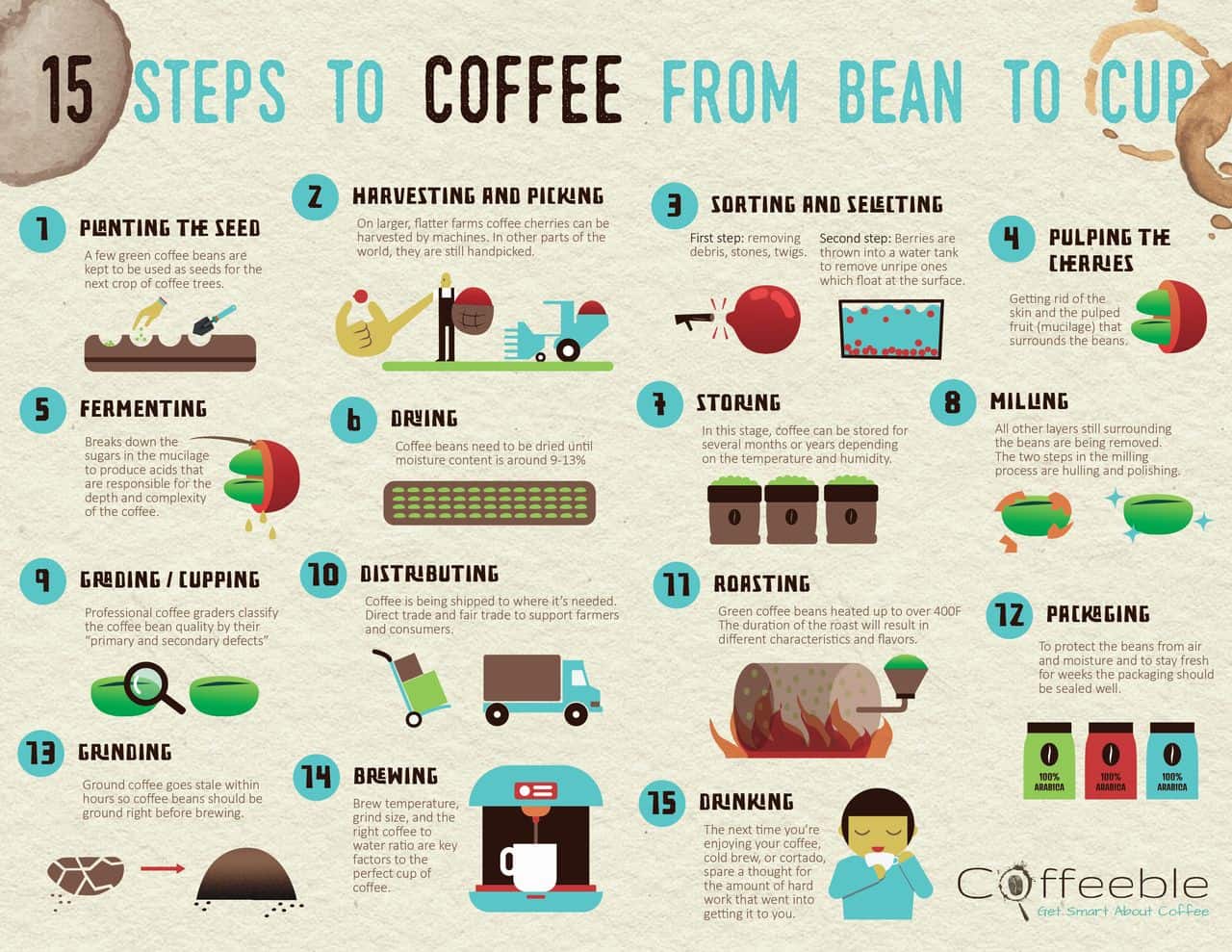
Credit: www.coffeebeancorral.com
Brewing Techniques
Brewing coffee from beans offers many ways to enjoy fresh flavors. Different brewing techniques change the taste and strength of your coffee. Each method highlights unique qualities of the beans. Experimenting helps find your favorite cup.
Pour Over Method
The pour over method uses a cone-shaped filter. Place ground coffee in the filter and pour hot water slowly. Water passes through coffee grounds and drips into a cup below. This method brings out clear and bright flavors. It allows control over water speed and temperature. Perfect for those who enjoy a light, clean cup.
French Press Method
The French press is simple and hands-on. Add coarse coffee grounds to the glass container. Pour hot water and stir gently. Wait for about four minutes to brew. Press the plunger down slowly to separate grounds. This method creates rich, full-bodied coffee. It keeps the natural oils for a strong taste.
Espresso Method
Espresso uses high pressure to brew coffee quickly. Finely ground coffee is packed tightly in a small basket. Hot water forces through the grounds in 25-30 seconds. The result is a small, concentrated coffee shot. Espresso has a bold flavor and thick crema on top. It forms the base for many popular coffee drinks.
Measuring Coffee And Water
Measuring coffee and water is key to making great coffee from beans. Proper measurement ensures the right balance between flavor and strength. Too much coffee can taste bitter. Too little can be weak and watery. The right ratio makes a perfect cup every time.
Coffee-to-water Ratios
The coffee-to-water ratio is the amount of coffee used compared to water. A common ratio is 1:15. This means 1 gram of coffee for every 15 grams of water. For example, 20 grams of coffee with 300 grams of water. This ratio works well for most brewing methods.
You can change this ratio to make coffee stronger or lighter. Use less water for stronger coffee. Use more water for a milder taste. Finding your favorite ratio takes practice.
Using Scales For Accuracy
Using a kitchen scale helps measure coffee and water accurately. Measuring by volume is not as precise. Scales show exact grams of coffee and water. This improves consistency in every cup.
Place your coffee container on the scale and zero it out. Add coffee until you reach your desired weight. Then measure water the same way. A scale is a simple tool that makes a big difference.
Adjusting Strength And Flavor
Adjust coffee strength by changing the coffee-to-water ratio. More coffee means stronger flavor. Less coffee means weaker flavor.
Try small changes to find what tastes best. You can also change grind size or brewing time. These affect flavor too. Start with ratio changes to control strength first.
Brewing Process Tips
Brewing coffee from beans is an art that needs careful attention. Small steps during brewing affect the taste greatly. Follow these tips to improve your coffee’s flavor and aroma.
Blooming The Coffee
Blooming is the first wetting of coffee grounds. Pour a little hot water over the beans to start. This releases trapped gases and helps even extraction. Wait about 30 seconds before adding more water. This step makes coffee taste fresher and brighter.
Brewing Time And Agitation
Control brewing time for the best flavor. Too fast means weak coffee. Too slow can make it bitter. Aim for 3 to 4 minutes depending on your method. Stir or swirl gently during brewing. Agitation helps water reach all grounds evenly. This creates a balanced cup with full flavor.
Common Mistakes To Avoid
Using the wrong grind size is a frequent error. Coarse grounds for drip coffee, fine for espresso. Avoid water that is too hot; ideal is 195-205°F. Overheating burns the coffee and ruins taste. Do not reuse old grounds—they lose flavor fast. Clean your equipment regularly to prevent bad tastes.
Serving And Storing Coffee
Serving and storing coffee properly helps keep its rich flavor and aroma. Fresh coffee tastes best and offers a more enjoyable experience. Knowing how to serve and store coffee correctly can make a big difference in every cup.
Best Serving Practices
Serve coffee immediately after brewing for the best taste. Use clean cups to avoid any leftover flavors. Keep your coffee warm in a thermal carafe, not on a hot plate. Hot plates can make coffee bitter. Pour coffee carefully to avoid spills and enjoy the aroma before sipping.
Storing Beans For Freshness
Store coffee beans in an airtight container to keep them fresh. Keep the container in a cool, dark place, away from sunlight. Avoid storing beans in the fridge or freezer, as moisture can harm the beans. Buy small amounts of beans to ensure you use them quickly. Grinding beans just before brewing locks in the flavor.
Reheating Brewed Coffee
Reheating coffee can change its taste. Use low heat on the stove or microwave for a short time. Avoid boiling coffee, as it makes it bitter. Pour reheated coffee into a clean cup. Add fresh milk or sugar to improve the flavor if needed. Drink reheated coffee soon for the best taste.
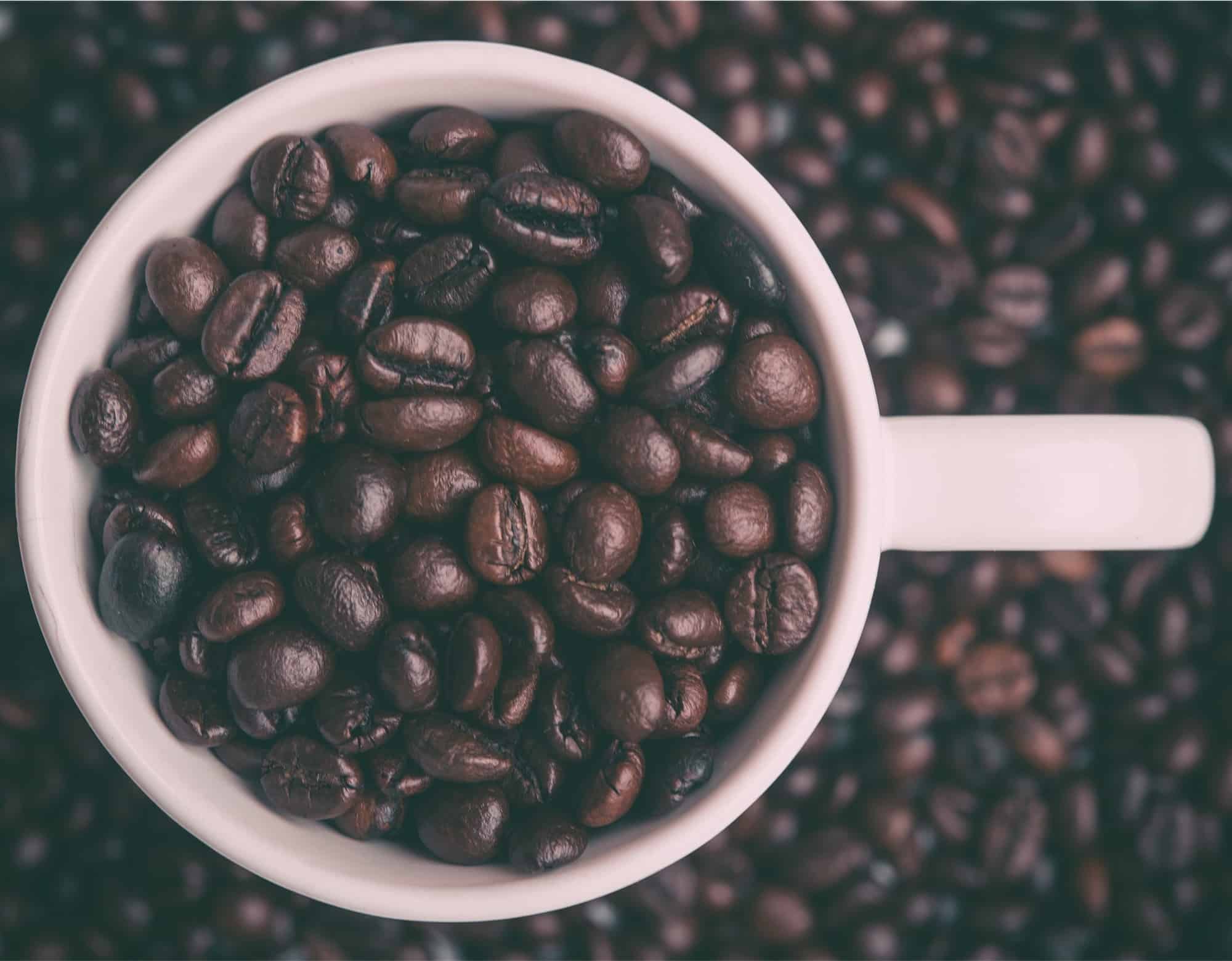
Credit: driftaway.coffee
Frequently Asked Questions
What Equipment Do I Need To Make Coffee From Beans?
To make coffee from beans, you need a grinder, coffee maker, and fresh beans. A burr grinder is ideal for consistent grounds. Choose a brewing method like drip, French press, or espresso machine. Fresh filtered water improves flavor.
How Do I Grind Coffee Beans For Brewing?
Grind coffee beans just before brewing for freshness. Use a coarse grind for French press and medium for drip coffee. Espresso requires a fine grind. Adjust grind size to control extraction and taste balance.
How Much Coffee Beans Should I Use Per Cup?
Use about 1 to 2 tablespoons of coffee beans per 6-ounce cup. This ratio can be adjusted based on taste preference. Weighing beans ensures precision and consistent flavor.
Can I Store Coffee Beans For Later Use?
Yes, store beans in an airtight container away from light, heat, and moisture. Keep them at room temperature, not in the fridge or freezer. Use beans within two weeks for optimal freshness.
Conclusion
Making coffee from beans brings fresh and rich flavor to your cup. Grinding beans just before brewing keeps the taste strong and pure. Choose the right grind size to match your coffee maker. Water temperature and brewing time affect the final taste a lot.
Practice helps you find the best method for your preference. Enjoy the process and the aroma that fills your kitchen. Fresh coffee from beans tastes better and feels more rewarding. Try different beans and techniques to discover what you like most.
Your perfect cup awaits with simple steps and patience.