Last Updated on March 11, 2026
You’re just one cup away from making perfect pour over coffee at home. Imagine waking up to a rich, smooth brew that tastes like it came from your favorite café.
It’s easier than you think, and you don’t need fancy equipment or years of experience. In this guide, you’ll discover simple steps to master the pour over method and unlock the full flavor of your coffee beans. Ready to transform your morning routine?
Let’s dive in.
Choosing The Right Beans
Choosing the right beans is the first step to make great pour over coffee. The beans shape the taste and aroma of your cup. Picking good beans helps you enjoy a fresh and flavorful brew every time. Understanding the types of beans and their qualities matters a lot. This guide covers key points to help you choose the best beans for your pour over coffee.
Single Origin Vs Blends
Single origin beans come from one place or farm. They have unique flavors that reflect their region. These beans often taste fruity, floral, or spicy. They show the true character of their origin.
Blends mix beans from different places. They balance flavors and create smooth tastes. Blends can be mild or strong, depending on the mix. Choose single origin for complex flavor. Pick blends for consistent and balanced coffee.
Freshness And Roast Date
Fresh beans taste better and have more aroma. Check the roast date on the package. Coffee is best used within two to four weeks after roasting. Avoid beans with no roast date. Store beans in a cool, dry place. Grinding beans just before brewing keeps freshness.
Grind Size Importance
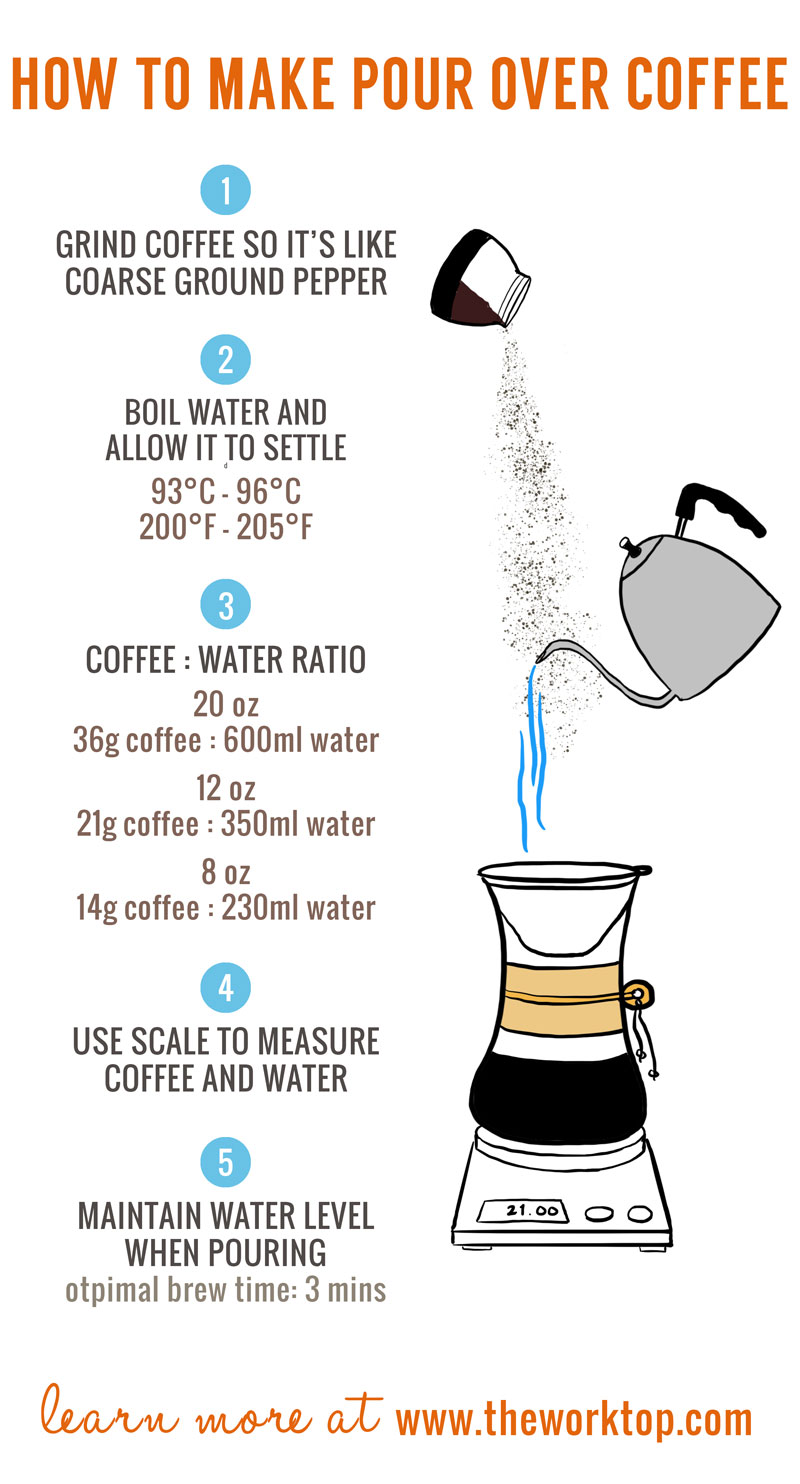
Grind size affects how water flows through coffee. For pour over, use medium grind size. Too fine grind makes coffee bitter and over-extracted. Too coarse grind makes coffee weak and under-extracted. Use a burr grinder for even grind size. Consistent grind helps control flavor and extraction.
Credit: www.theworktop.com
Selecting Equipment
Selecting the right equipment is key for making great pour over coffee. Each tool affects flavor and brewing ease. Simple gear can brew rich, clean coffee. Choose tools that fit your style and budget. This section covers the best brewers, must-have accessories, and kettles with useful features.
Best Pour Over Brewers
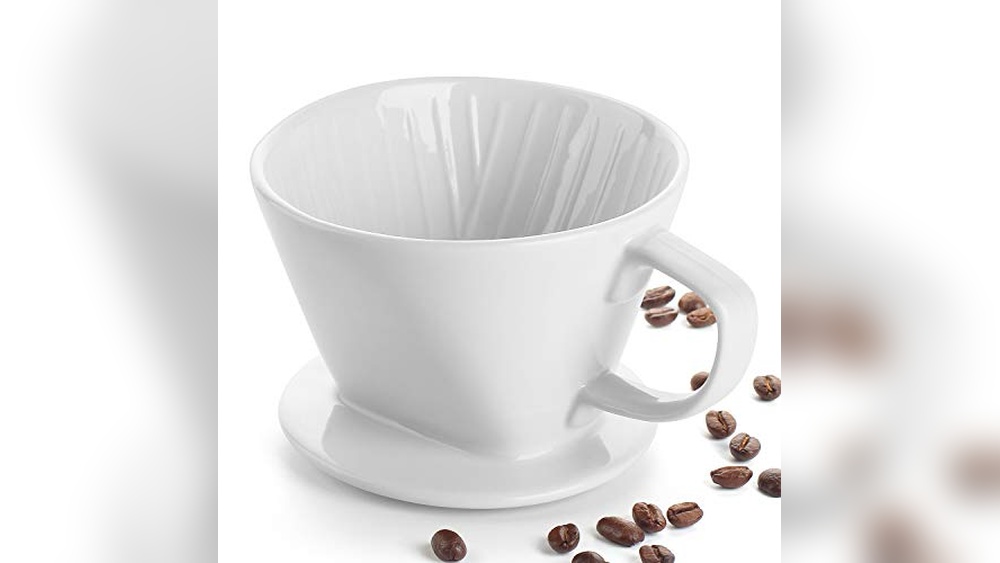
Choose a brewer that matches your needs and skill. Popular models include ceramic, glass, and stainless steel options. Ceramic brewers keep heat well for steady brewing. Glass brewers allow you to watch coffee drip. Stainless steel brewers are durable and often portable. Size matters too; smaller brewers suit one cup, larger ones for sharing. Pick a brewer with a simple shape for even extraction.
Essential Accessories
Some tools make brewing easier and more precise. A quality coffee grinder ensures fresh, consistent grounds. Paper filters fit most brewers and help remove oils. A scale measures coffee and water for accuracy. A timer keeps track of brew time. These small tools improve control and help you repeat great results every time.
Kettle Types And Features
A good kettle offers control over water pouring and temperature. Gooseneck kettles give a steady, slow pour needed for pour over. Electric kettles with temperature control let you heat water to the perfect degree. Manual kettles are simple and often cheaper but need more skill. Choose a kettle with a comfortable handle and stable base for safety. Precise pouring and right temperature bring out the best coffee flavors.
Water Quality And Temperature
Water quality and temperature shape the taste of your pour over coffee. The right water temperature extracts flavors perfectly. Clean water reveals the coffee’s true taste. Poor water quality spoils the brew. This section covers key points to improve your coffee with water.
Ideal Water Temperature
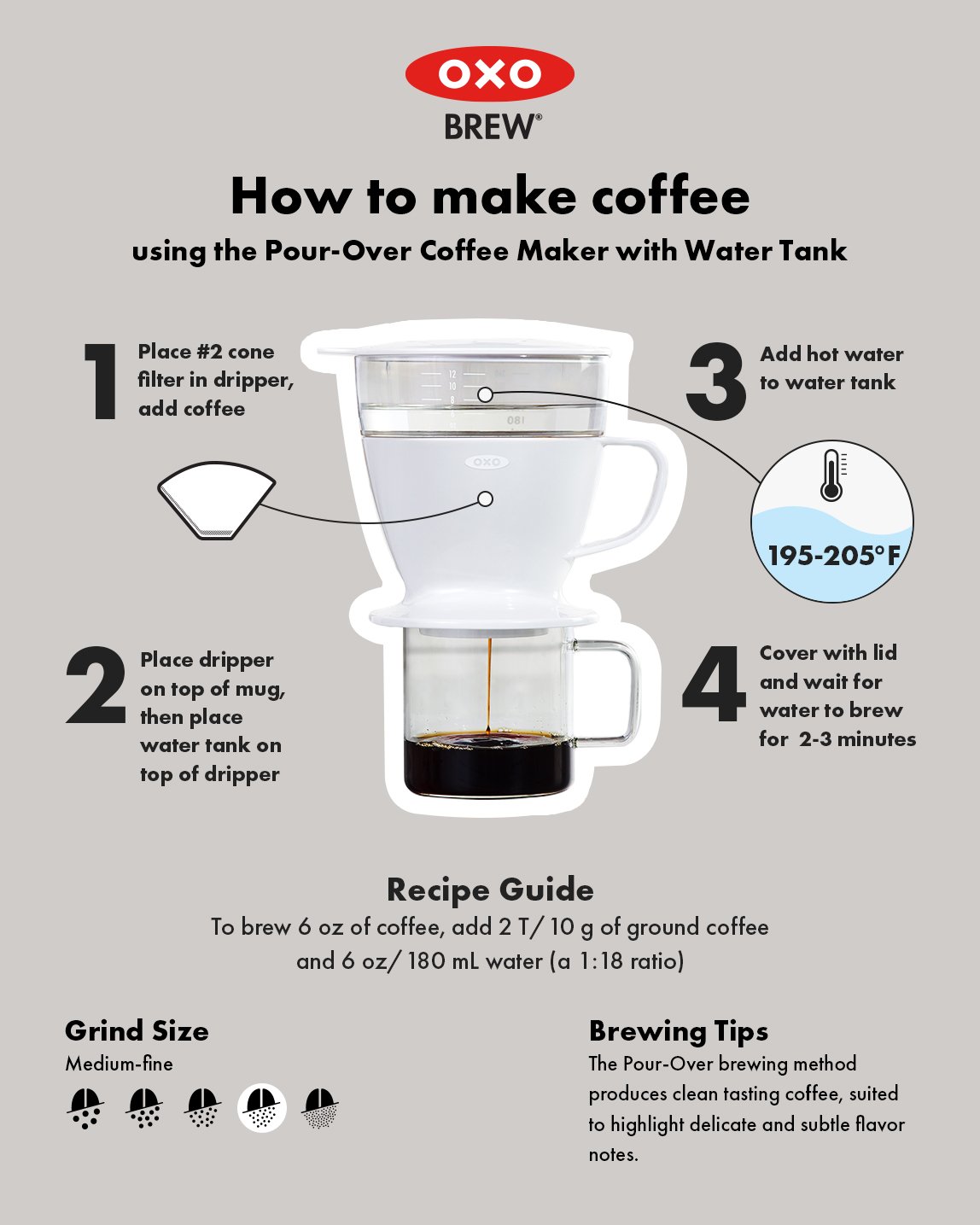
Water temperature affects coffee extraction. Aim for 195°F to 205°F (90°C to 96°C). Hotter water over-extracts and tastes bitter. Cooler water under-extracts and tastes sour. Use a thermometer to check temperature. Boil water, then wait 30 seconds before pouring.
Water Mineral Content
Minerals in water impact coffee flavor. Magnesium and calcium improve extraction and taste. Too many minerals cause off-flavors. Soft water lacks minerals and tastes flat. Balanced mineral content is best for brewing. Use water with moderate hardness for best results.
Using Filters For Clean Water
Filtered water removes chlorine and impurities. Tap water often contains chemicals that harm flavor. Use charcoal or carbon filters for better taste. Avoid distilled water because it lacks minerals. Clean, filtered water makes a clear and fresh cup.
Mastering The Brewing Technique
Mastering the brewing technique is key to making great pour over coffee. It controls the flavor and strength of your cup. Small steps in the process affect the final taste. Understanding each step helps you brew a clean, balanced coffee every time.
Pre-wetting The Grounds
Start by gently pouring a small amount of hot water over the coffee grounds. This step is called pre-wetting or blooming. It allows the coffee to release gases and helps even extraction. Wait about 30 seconds before pouring more water. This simple step improves flavor clarity and depth.
Pouring Patterns And Timing
Pour water slowly in a circular motion. Begin from the center and move outward, then back to the center. This helps wet all grounds evenly. Pour in stages instead of all at once. Timing your pours keeps water contact consistent. Aim for a total brew time of 2.5 to 3.5 minutes. This balance avoids under or over-extraction.
Adjusting Brew Ratios
The ratio of coffee to water changes the coffee’s strength. A common starting ratio is 1 gram of coffee to 16 grams of water. Use a scale for accuracy. Increase coffee for a stronger taste or add water for lighter coffee. Experiment with ratios until you find your perfect cup.
Troubleshooting Common Issues
Troubleshooting common issues in pour over coffee helps improve your brewing skills. Small problems can cause big changes in taste. Fixing these issues makes your coffee taste better. Here are some common problems and easy fixes for them.
Bitter Or Sour Flavors
Bitter coffee often means over-extraction. The water pulls too many compounds from the coffee grounds. Use a coarser grind to fix bitterness. Also, try shorter brewing time or lower water temperature.
Sour flavors happen from under-extraction. The coffee tastes sharp or fruity. Use a finer grind to extract more flavors. Pour water slower and make sure the water is hot enough.
Weak Or Watery Coffee
Weak coffee lacks strength and flavor. It can happen with too little coffee or too much water. Measure coffee and water carefully. Use the right coffee-to-water ratio, usually 1:15 to 1:17.
Check your grind size. Too coarse grounds make water flow fast and weak coffee. Use a finer grind to slow down the water and get a richer taste.
Clogged Filters And Slow Drips
Clogged filters cause slow dripping and uneven brewing. Fine grounds can block the filter. Use a medium grind to prevent clogs. Avoid tamping the coffee too hard.
Rinse paper filters before use. This removes paper taste and helps water flow. Clean your brewer regularly to avoid build-up and keep water flowing smoothly.
Credit: www.oxo.com
Enhancing Your Coffee Experience
Enhancing your coffee experience goes beyond just brewing. Small changes can make every cup taste better and more enjoyable. This section covers simple ways to improve your pour over coffee routine. From trying new beans to proper cleaning, every step counts.
Experimenting With Beans And Roasts
Try different coffee beans from various regions. Each place offers unique flavors and aromas. Light roasts keep fruity and floral notes. Dark roasts bring out deeper, richer tastes. Buy small amounts to test what you like best. Grinding beans fresh before brewing improves flavor. Adjust grind size to change taste and strength.
Serving Suggestions
Serve your pour over coffee in a warm cup. This keeps the coffee hot longer. Add a splash of milk or cream for smoothness. Try a little sugar or honey to sweeten naturally. Pair your coffee with light snacks, like toast or fruit. These simple ideas enhance the overall drinking experience.
Cleaning And Maintenance Tips
Clean your pour over equipment after each use. Rinse filters and drippers with hot water. Use mild soap once a week to remove oils. Avoid strong detergents that leave taste behind. Regular cleaning keeps coffee fresh and pure. Replace old filters to maintain good flow and flavor.
:max_bytes(150000):strip_icc()/Web_1500-SEA-kalita-wave-pour-shot-jesse-raub-01-d4e2aa9b3a574c44abca52742a2874a4.jpg)
Credit: www.seriouseats.com
Frequently Asked Questions
What Grind Size Is Best For Pour Over Coffee?
A medium-fine grind works best for pour over coffee. It allows water to flow evenly. This enhances flavor extraction and prevents bitterness.
How Much Coffee Should I Use Per Cup?
Use about 1 to 2 tablespoons of coffee per 6 ounces of water. Adjust to taste for stronger or milder coffee.
What Water Temperature Is Ideal For Brewing?
The ideal water temperature for pour over coffee is 195°F to 205°F. This range extracts optimal flavor without burning the coffee.
How Long Should I Brew Pour Over Coffee?
Brew time should be between 2. 5 to 4 minutes. This allows full extraction for a balanced and flavorful cup.
Conclusion
Making great pour over coffee takes patience and care. Use fresh coffee beans and clean water. Measure your coffee and water for best taste. Pour slowly and evenly to get good flavor. Enjoy the rich aroma and smooth taste. Practice often to improve your skills.
Brewing coffee this way brings a calm, simple joy. Start today and savor each cup you make.