Last Updated on February 13, 2026
Are you tired of lumpy, bland mashed potatoes that just don’t hit the mark? Imagine creating a smooth, creamy potato puree that melts in your mouth every single time.
Whether you’re cooking for family, hosting friends, or simply want to elevate your meals, mastering potato puree is easier than you think. You’ll discover simple steps and insider tips to make the perfect potato puree that will impress everyone at your table.
Ready to transform your cooking? Let’s dive in!
Choosing The Right Potatoes
Choosing the right potatoes makes a big difference in your potato puree. Different potatoes change the taste and texture. Picking the right type helps you get smooth and creamy results. Not all potatoes work well for purees.
Some potatoes are better for mashing and pureeing. Others are best for roasting or boiling. Knowing the best potato varieties helps you cook better dishes. This guide shows which types work best for potato puree.
Best Potato Varieties
Russet potatoes are the top choice for potato puree. They have a starchy texture that breaks down easily. Yukon Gold potatoes are another good option. They have a creamy texture and buttery flavor. Red potatoes are less starchy and hold their shape. They are not ideal for smooth purees.
Use Russet or Yukon Gold for the best, smooth puree. Avoid waxy potatoes if you want a fluffy texture. Choose potatoes that are firm and fresh for better taste.
How Potato Type Affects Texture
Starchy potatoes make light and fluffy puree. They absorb milk and butter well. Waxy potatoes create a denser, sometimes gluey texture. They do not mash as smoothly. The moisture content in potatoes changes the puree feel.
Russet potatoes absorb liquids and fluff up nicely. Yukon Golds add a creamy richness without being heavy. Using the right potato gives you a smooth, soft puree. Texture depends mostly on the potato type you pick.

Credit: raisingveggielovers.com
Preparing Potatoes For Puree
Preparing potatoes correctly is key to making smooth and creamy potato puree. Clean, peeled, and evenly cut potatoes cook faster and blend better. This step sets the foundation for a perfect texture and flavor.
Focus on washing, peeling, and cutting to ensure your potatoes are ready for boiling and mashing. Each part matters to avoid lumps and uneven cooking.
Washing And Peeling Tips
Start by rinsing potatoes under cold water. Remove dirt and any blemishes with a brush or cloth. Peel the potatoes using a sharp peeler or knife. Thin peeling keeps more potato inside for a better taste and texture. Avoid leaving green spots as they can taste bitter and are not healthy.
Cutting For Even Cooking
Cut potatoes into similar-sized pieces. This helps them cook evenly and finish at the same time. Pieces about 1 to 2 inches work well. Avoid very small or large chunks to prevent overcooking or undercooking. Uniform cutting also makes mashing easier and smoother.
Cooking Methods
Cooking potatoes properly is key to making smooth, creamy potato puree. Different methods change the texture and flavor. Choosing the right way depends on your taste and time.
Boiling For Softness
Boiling potatoes is a common method to make them soft. Cut potatoes into equal pieces for even cooking. Place them in cold water before turning on the heat. Boil until a fork slides in easily. This method makes potatoes tender and easy to mash. It can cause some loss of flavor and nutrients into the water.
Steaming To Preserve Flavor
Steaming keeps more flavor and nutrients inside the potato. Use a steamer basket over boiling water. Cover and steam until potatoes are soft. Steamed potatoes hold their texture better than boiled ones. This method takes a bit longer but results in richer taste. Perfect for a fuller potato flavor in your puree.

Credit: tastesbetterfromscratch.com
Mashing Techniques
Mashing potatoes is a key step in making creamy potato puree. Different tools create different textures. The choice of tool affects smoothness and fluffiness. Try these mashing techniques to find the perfect texture for your puree.
Using A Potato Masher
A potato masher is a classic tool for mashing potatoes. It looks like a metal grid or zigzag wire on a handle. Press down and twist to crush the potatoes. This method keeps some small lumps. It gives a rustic, homemade feel to the puree. Easy to use and clean, it works well for quick mashing.
Ricing For Smoothness
A potato ricer is a handy tool for very smooth puree. It works like a giant garlic press. Push cooked potatoes through small holes to create fine, fluffy potato pieces. This method removes lumps and prevents gluey texture. The result is silky and light potato puree. Best for special meals or when you want extra softness.
Blending With A Mixer
Using an electric mixer speeds up mashing. Whisk or paddle attachments work well. Mix on low speed to avoid overworking the potatoes. Overmixing can make puree sticky or gluey. This method creates a smooth and creamy texture quickly. Ideal for large batches or when you want soft puree fast.
Adding Dairy And Flavor
Adding dairy and flavor transforms plain potato puree into a creamy, tasty side dish. The right dairy choice changes texture and richness. Seasoning lifts the natural potato taste. Extras like garlic or herbs give your puree a special touch.
Choosing Between Butter And Cream
Butter adds a rich, smooth taste and silky texture. It melts into warm potatoes easily. Cream makes the puree extra soft and velvety. Use heavy cream for the richest flavor. Light cream or milk gives a lighter texture. Combine butter and cream for balance. Adjust amounts to suit your taste and desired creaminess.
Seasoning Tips
Salt is essential to bring out potato flavor. Add salt gradually while mashing. Black pepper adds a mild heat and depth. Use freshly ground pepper for best taste. A pinch of nutmeg enhances creaminess subtly. Avoid over-seasoning to keep flavors natural. Taste often to get the right balance.
Incorporating Extras Like Garlic Or Herbs
Roasted garlic adds a sweet, mellow flavor. Mix it into the puree for a gentle kick. Fresh herbs like chives, parsley, or thyme brighten the dish. Chop herbs finely and fold them in last. Dried herbs work but use less to avoid bitterness. These extras add freshness and make the puree more exciting.
Tips For Creamy Texture
Making potato puree creamy is about simple but careful steps. The texture depends on how you handle the potatoes during and after cooking. Small details can make a big difference.
Using the right tools and techniques helps avoid lumps and grainy results. Follow these tips to get a smooth and soft potato puree every time.
Avoiding Overmixing
Mix potatoes gently. Overmixing breaks down starch too much. This makes the puree sticky and gluey. Use a hand masher or a ricer for best results. Stir just until smooth and creamy.
Optimal Temperature For Mixing
Mix potatoes while they are hot. Warm potatoes absorb butter and cream better. Cold potatoes can feel lumpy. Heat helps ingredients blend smoothly. Work quickly before potatoes cool down.
Serving And Storing
Potato puree is a smooth and creamy dish that tastes best when served fresh. Proper serving and storing keep its texture and flavor intact. Follow simple tips to enjoy your potato puree at its best. Storing it correctly helps avoid waste and keeps it ready for later meals.
Presentation Ideas
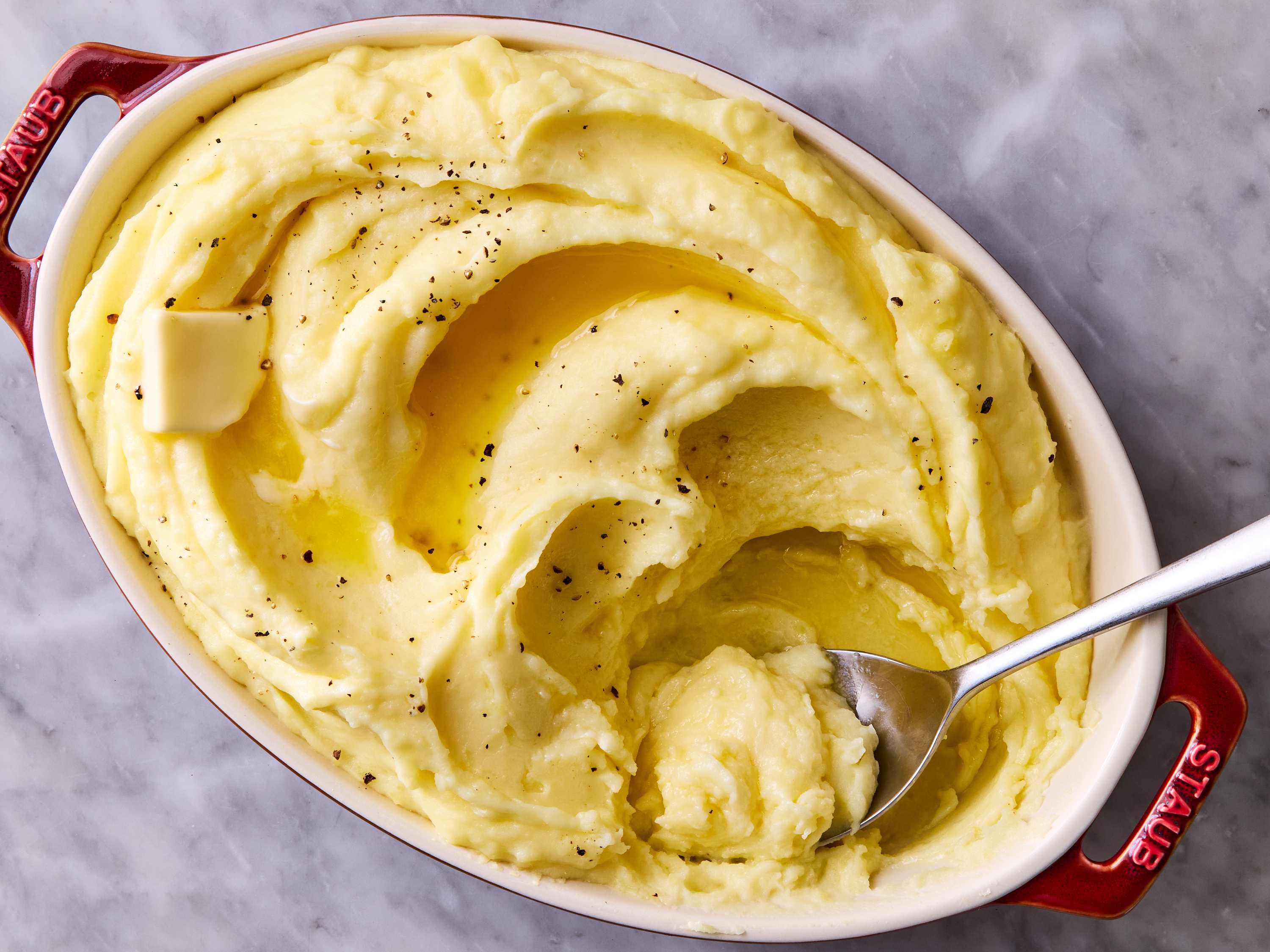
Serve potato puree in a clean bowl or plate. Use a spoon to create swirls or peaks on top. Garnish with fresh herbs like parsley or chives for color. A sprinkle of black pepper or a drizzle of olive oil adds flavor. Pair it with roasted vegetables or grilled meats for a balanced meal. Keep the presentation simple to highlight the puree’s creamy texture.
Reheating Without Losing Creaminess
Heat potato puree gently to keep it smooth. Use low heat on the stove or microwave in short bursts. Stir often while reheating to avoid lumps. Add a splash of milk or cream to restore softness. Avoid high heat to prevent drying or burning. Warm it slowly for the best creamy taste and texture.
Credit: www.thekitchn.com
Frequently Asked Questions
What Type Of Potatoes Are Best For Potato Puree?
Starchy potatoes like Russet or Yukon Gold work best. They create a smooth, creamy texture ideal for purees. Avoid waxy potatoes, as they yield a gluey consistency.
How Do I Make Potato Puree Creamy And Smooth?
Boil potatoes until tender, then mash with warm milk and butter. Use a ricer or food mill for extra smoothness. Avoid over-mixing to prevent a gluey texture.
Can I Make Potato Puree Ahead Of Time?
Yes, you can prepare potato puree a day ahead. Store it covered in the refrigerator. Reheat gently on low heat, stirring occasionally to maintain creaminess.
How Much Butter And Milk Should I Add?
Add butter and milk gradually while mashing. Start with 2 tablespoons of butter and ½ cup of warm milk per 2 pounds of potatoes. Adjust to your desired consistency.
Conclusion
Potato puree is simple to make and tastes delicious. Use fresh potatoes and add butter or milk for creaminess. Stir well to get a smooth texture. Serve it warm with your favorite meal. This easy recipe fits many dishes and tastes great.
Try it often to enjoy a classic side dish. Cooking can be fun and rewarding. Give potato puree a chance in your kitchen today.