Last Updated on February 15, 2026
Are you concerned about the quality of the water you drink every day? Making your own RO (Reverse Osmosis) water at home can be a simple and effective way to ensure pure, clean water for you and your family.
Imagine having crystal-clear water free from harmful contaminants right at your fingertips. In this guide, you’ll learn exactly how to make RO water, step by step, so you can take control of your health and hydration. Keep reading to discover the easy process that can transform your tap water into something truly refreshing and safe.
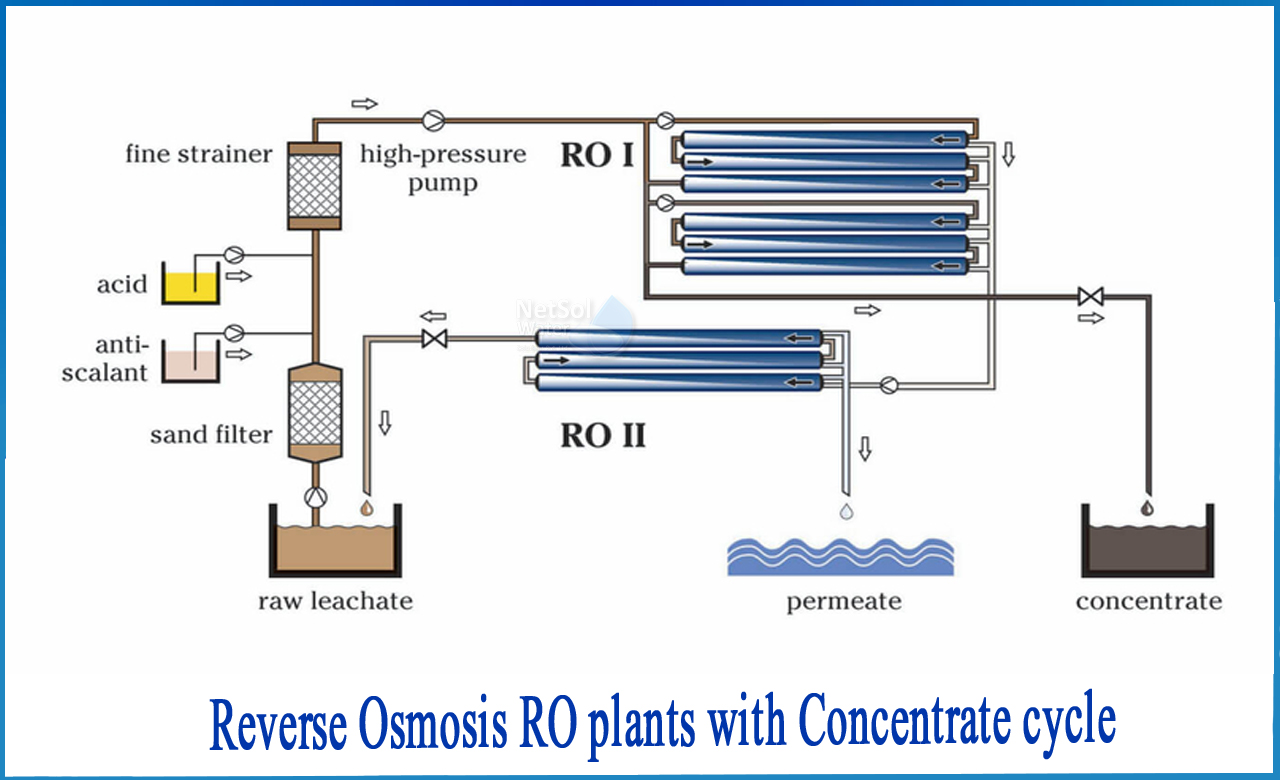
Credit: www.netsolwater.com
Why Choose Ro Water
Choosing the right water for daily use is important. Reverse Osmosis (RO) water offers a clean and safe option. It removes many impurities found in tap water. This makes RO water a popular choice for homes and offices.
Benefits Of Reverse Osmosis
RO water tastes fresh and pure. The system removes bad smells and strange tastes. It also reduces minerals that cause hardness. Using RO water can protect your appliances from damage. It helps keep your water clear and healthy.
Common Contaminants Removed
RO systems remove many harmful particles. These include chlorine, lead, and mercury. It also filters out pesticides and bacteria. Many viruses cannot pass through the RO membrane. This ensures the water is much safer to drink.
Health Advantages
Drinking RO water supports better health. It lowers the risk of waterborne diseases. The water is free from harmful chemicals. RO water helps people with weak immune systems. It also aids in better digestion and hydration.
Essential Components Of Ro System
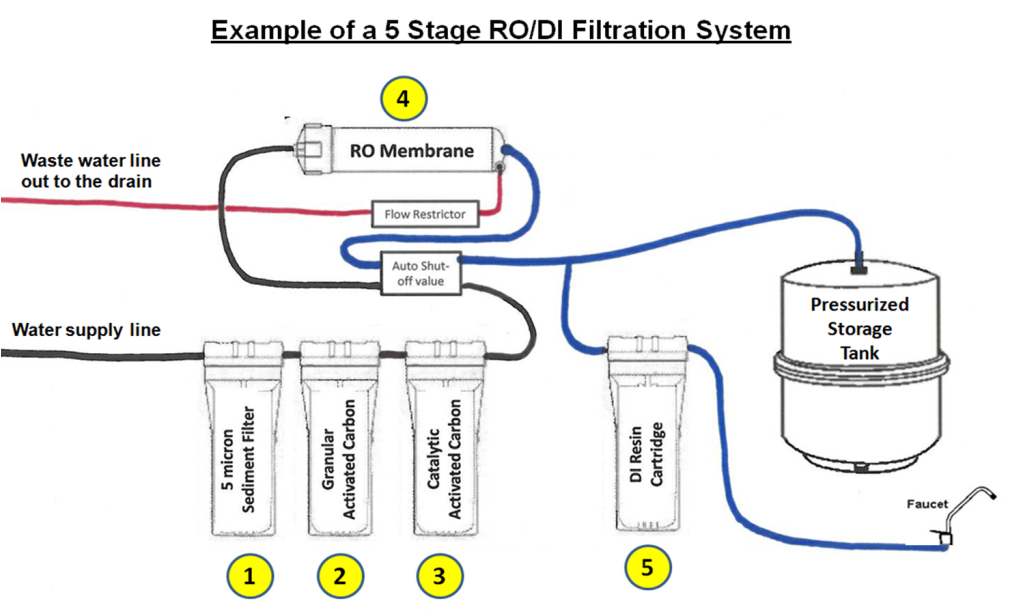
Understanding the essential parts of a Reverse Osmosis (RO) system helps you make clean water at home. Each component has a clear job to remove dirt, chemicals, and germs. Together, they ensure water is safe and tasty.
Pre-filters
Pre-filters catch big particles like sand and rust. They protect the RO membrane from damage. These filters also remove chlorine, which can harm the membrane. Keeping pre-filters clean helps the whole system work well.
Ro Membrane
The RO membrane is the heart of the system. It blocks tiny particles, bacteria, and chemicals. Water passes through its tiny holes, leaving impurities behind. This step removes the most harmful substances from water.
Post-filters
Post-filters polish the water after the membrane. They remove any leftover taste or smell. This stage makes the water fresh and clean. Post-filters improve water quality before drinking.
Storage Tank
The storage tank holds filtered water ready to use. It keeps water clean and fresh until needed. The tank helps provide water quickly when you turn on the tap. It ensures you have clean water on demand.
Step-by-step Ro Water Preparation
Preparing RO water at home is easy with the right steps. Follow this guide to make clean, safe water using a reverse osmosis system. The process includes assembling the system, connecting water, powering on, and flushing the system. Each step is simple and clear.
Assemble The System
Start by unpacking all parts carefully. Place the RO unit on a flat surface near the water source. Connect filters in the correct order as shown in the manual. Tighten all fittings to avoid leaks. Make sure the storage tank is connected properly.
Connect Water Supply
Attach the water supply line to the inlet valve. Use a wrench to secure the connection tightly. Turn on the water supply slowly to check for leaks. If any leaks appear, tighten the fittings more. Ensure steady water flow into the system.
Power On And Test
Plug in the RO system power cord. Switch on the unit to start the filtration process. Listen for any unusual sounds from the pump. Check if water flows through the system. Watch the pressure gauge to ensure normal operation.
Flush The System
Open the faucet connected to the RO system. Let water run for 5 to 10 minutes. This removes any impurities or residues inside. Turn off the faucet and let the tank fill. Your RO water is now ready to use.
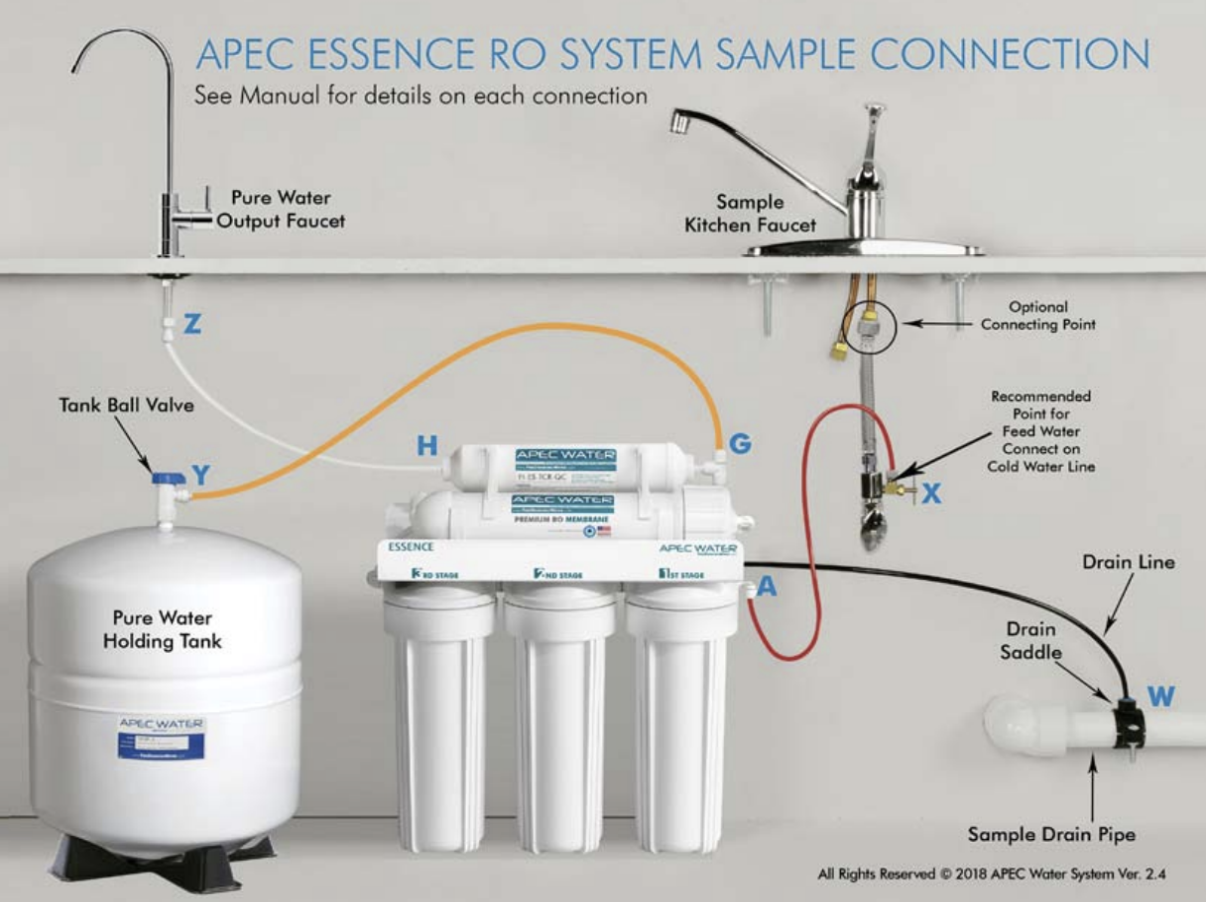
Credit: www.33buckets.org
Maintaining Your Ro System
Maintaining your RO system is key to getting clean and safe water every day. A well-kept system works efficiently and lasts longer. It helps avoid common problems and keeps the water taste fresh. Simple care steps can keep your system in top shape.
Regular Filter Replacement
Filters remove dirt and harmful particles from water. Over time, these filters get clogged. Replace them as the manufacturer suggests. Usually, this is every 6 to 12 months. Fresh filters ensure good water flow and clean water. Keep a schedule to change filters on time.
Cleaning And Sanitizing
Regular cleaning stops bacteria growth inside the system. Use a mild cleaner safe for RO units. Clean the storage tank and pipes every 6 months. Sanitizing removes germs and keeps water pure. Rinse well after cleaning to avoid any residue taste.
Troubleshooting Common Issues
Sometimes, your RO system may stop working well. Check for leaks or strange noises. Low water pressure can reduce output. Look for clogged filters or blocked pipes. Replace worn parts quickly. Follow the user manual for easy fixes.
Cost And Efficiency Tips
Making RO water at home saves money and ensures clean water. Understanding costs and efficiency helps you get the best results. Smart choices reduce waste and keep bills low. These tips help you run your RO system well without extra expenses.
Choosing The Right System
Select a system that fits your water needs and space. Smaller systems use less power and water. Check the filter quality and ease of replacement. A simple design often costs less to maintain. Look for systems with good reviews and warranties.
Saving Water And Energy
Use your RO system only when needed. Avoid running it continuously to save energy. Collect the waste water for plants or cleaning tasks. This reduces water waste and lowers your bills. Keep the system in a cool place to improve efficiency.
Budget-friendly Maintenance
Replace filters on time to avoid damage and extra costs. Clean the system regularly to keep it working well. Use original parts to extend the system’s life. Watch for leaks and fix them quickly. Regular care saves money on repairs later.
Credit: www.discus.com
Alternatives To Ro Water
Reverse osmosis (RO) is a popular method for purifying water. Still, some people want other options. Different methods can clean water effectively. These choices depend on your needs and water source. Understanding alternatives helps pick the best solution.
Other Filtration Methods
Activated carbon filters remove chlorine and bad taste. They do not remove all chemicals or minerals. UV filters kill bacteria and viruses using light. They do not remove particles or chemicals. Distillation boils water and collects the steam. It removes many impurities but uses more energy. Each method has pros and cons to consider.
When To Use Ro Water
RO water suits areas with high pollution or salt. It removes almost all impurities, including minerals. Use RO if water has heavy metals or chemicals. It helps in places with poor water quality. RO is best for drinking and cooking water safety.
Comparing Purity Levels
RO water has very low contaminants. Activated carbon filters remove some chemicals but not minerals. UV filters kill germs but leave particles. Distilled water is very pure but lacks minerals. Choose based on how clean the water must be. Each method changes water purity differently.
Frequently Asked Questions
What Is Ro Water And Why Is It Important?
RO water is purified water made by reverse osmosis. It removes impurities and harmful substances. This water is safe, clean, and ideal for drinking and cooking.
How Does An Ro Water System Work?
An RO system pushes water through a semi-permeable membrane. It filters out contaminants like chemicals, salts, and microbes. The result is clean, purified water.
Can I Make Ro Water At Home?
Yes, you can make RO water at home using an RO water purifier. It requires installation and regular maintenance for optimal performance.
How Often Should Ro Membranes Be Replaced?
RO membranes should be replaced every 2 to 3 years. Regular replacement ensures the system works efficiently and water remains pure.
Conclusion
Making RO water at home is simple and safe. You only need the right equipment and clean water. Following the steps carefully helps remove harmful substances. This process ensures water tastes better and is healthier to drink. Clean water protects your family from many illnesses.
Try this method to enjoy pure water every day. Keep your RO system maintained for the best results. Clean water is key to good health and happiness.