Last Updated on April 6, 2026
Are you looking for a simple way to boost your health and enjoy fresh flavors every day? Making your own vegetable juice is easier than you think.
With just a few ingredients and simple steps, you can create a delicious drink packed with vitamins and nutrients. Imagine starting your day feeling energized and refreshed, knowing exactly what’s in your glass. Keep reading, and you’ll discover how to make vegetable juice that tastes great and supports your well-being.
Your body will thank you!
Choosing Fresh Vegetables
Choosing fresh vegetables is key to making tasty and healthy vegetable juice. Fresh veggies have more nutrients and better flavor. They also give your juice a bright color and smooth texture.
Picking the right vegetables can improve your juice’s taste and health benefits. It is important to know which vegetables work best for juicing and which ones are in season. This makes your juice fresh and affordable.
Best Vegetables For Juicing
Carrots are sweet and rich in vitamins. Celery adds a refreshing, light flavor. Cucumbers make the juice smooth and mild. Spinach and kale bring lots of nutrients and a green color. Beetroot gives a deep red color and natural sweetness. These vegetables blend well and taste great in juice.
Seasonal Vegetable Picks
Seasonal vegetables are fresher and often cheaper. In spring, try asparagus and spinach. Summer offers cucumbers, tomatoes, and zucchini. Fall is perfect for beets, carrots, and kale. Winter brings root vegetables like carrots and celery. Choosing seasonal veggies means your juice tastes better and supports local farmers.
Organic Vs. Conventional
Organic vegetables are grown without synthetic chemicals. They may have fewer pesticides. Conventional vegetables might cost less and are widely available. Washing all vegetables well reduces dirt and pesticides. Both types can be used, but organic veggies might offer cleaner juice.
Essential Juicing Equipment
Making fresh vegetable juice is simple with the right tools. Having essential juicing equipment makes the process smooth and fun. It helps get the best flavors and nutrients from your vegetables. Choosing good equipment saves time and effort in the kitchen.
Types Of Juicers
Juicers come in several types. Centrifugal juicers work fast and are easy to use. They spin vegetables at high speed to extract juice. Masticating juicers crush and press vegetables slowly. This method keeps more nutrients and juice quality. Triturating juicers use two gears to crush vegetables. They give the highest juice yield but cost more. Pick a juicer that fits your budget and needs.
Tools For Prep And Storage
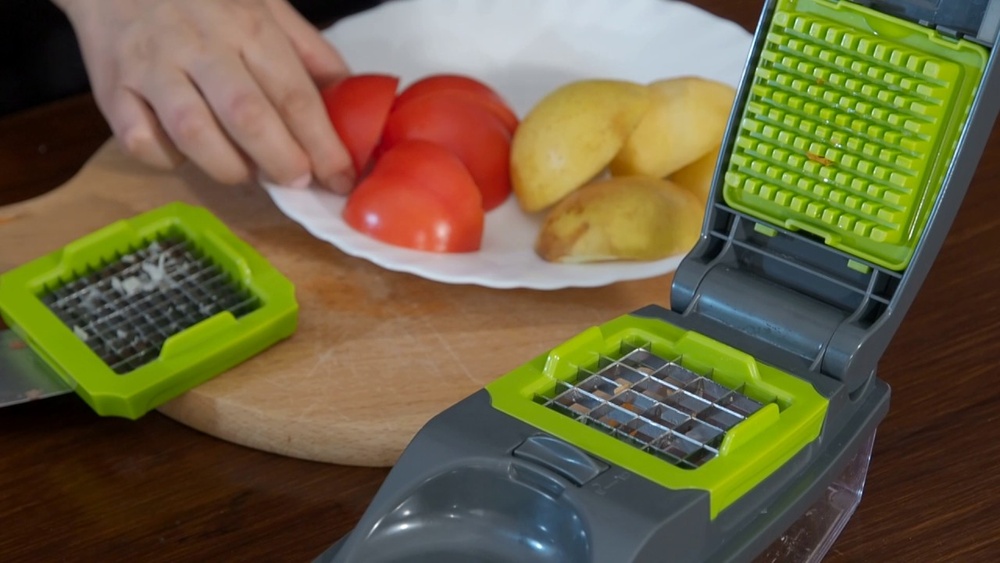
Good tools make juicing easier. A sharp knife helps cut vegetables quickly. A cutting board keeps your work clean and safe. Peelers remove tough skins from vegetables like carrots. Strainers catch pulp for smoother juice. Storage containers keep juice fresh longer. Choose containers with airtight lids. Keep everything clean to enjoy fresh juice every time.
Basic Juicing Techniques
Basic juicing techniques help create fresh, healthy vegetable juice. They make the process simple and efficient. Following these steps gives the best flavor and nutrition from your vegetables.
Washing And Preparing Vegetables
Start by rinsing vegetables under cold water. This removes dirt and chemicals. Use a brush for firm vegetables like carrots or beets. Peel vegetables with tough skins if needed. Cut vegetables into small pieces to fit the juicer. Remove any seeds or cores to avoid bitterness.
Juicing Step-by-step
Turn on your juicer before adding vegetables. Feed pieces slowly into the chute for smooth juice flow. Use a plunger to gently push vegetables down. Collect juice in a clean container. Stir juice to mix flavors evenly. Turn off the juicer and clean it right away.
Tips To Maximize Juice Yield
Use fresh, firm vegetables for more juice. Alternate soft and hard vegetables while juicing. Press pulp with a spoon to get extra juice. Avoid overloading the juicer to prevent clogs. Drink juice soon after making for best taste and nutrients.
Simple Vegetable Juice Recipes
Making vegetable juice at home is easy and healthy. Simple recipes can help you enjoy fresh juice every day. These recipes need few ingredients and little time. Each juice has its own taste and benefits. Try these simple vegetable juice recipes to start your day right.
Green Detox Juice
This juice cleans your body and boosts energy. Use fresh spinach, cucumber, and celery. Add a small green apple for sweetness. Squeeze half a lemon for a fresh twist. Blend all ingredients with water until smooth. Drink it fresh for the best effect.
Carrot And Ginger Blend
Carrots provide vitamin A and a sweet flavor. Ginger adds a spicy, warming touch. Peel and chop carrots and ginger. Juice them together or blend with water. This drink helps digestion and improves immunity. Serve chilled or with ice cubes.
Beetroot And Apple Mix
Beetroot gives a rich, earthy taste and good nutrients. Apple adds natural sweetness to balance flavors. Wash and cut beetroot and apple into pieces. Juice or blend them with a little water. This mix supports heart health and stamina. Enjoy it fresh for better taste.
Boosting Flavor And Nutrition
Vegetable juice can be tasty and healthy. You can make it better with simple tricks. Adding flavors and nutrients makes each sip enjoyable and good for you. Small changes bring big benefits to your juice. Explore ways to boost both taste and health.
Adding Herbs And Spices
Fresh herbs add a fresh and lively taste. Try mint, basil, or cilantro for a new twist. Spices like ginger or turmeric give warmth and help your body. These natural flavors make juice exciting and full of life. They also bring antioxidants and other good nutrients.
Incorporating Citrus And Sweeteners
Citrus fruits brighten the juice with a sharp, fresh flavor. Lemon, lime, or orange juice lift dull vegetable tastes. A little natural sweetener balances bitterness. Use honey, maple syrup, or a small piece of fruit. These choices keep the juice healthy and tasty without too much sugar.

Credit: www.youtube.com
Storing And Serving Juice
Storing and serving vegetable juice properly keeps it fresh and tasty. Fresh juice can lose flavor and nutrients quickly if not stored well. Serving it right also improves the experience.
Best Containers For Fresh Juice
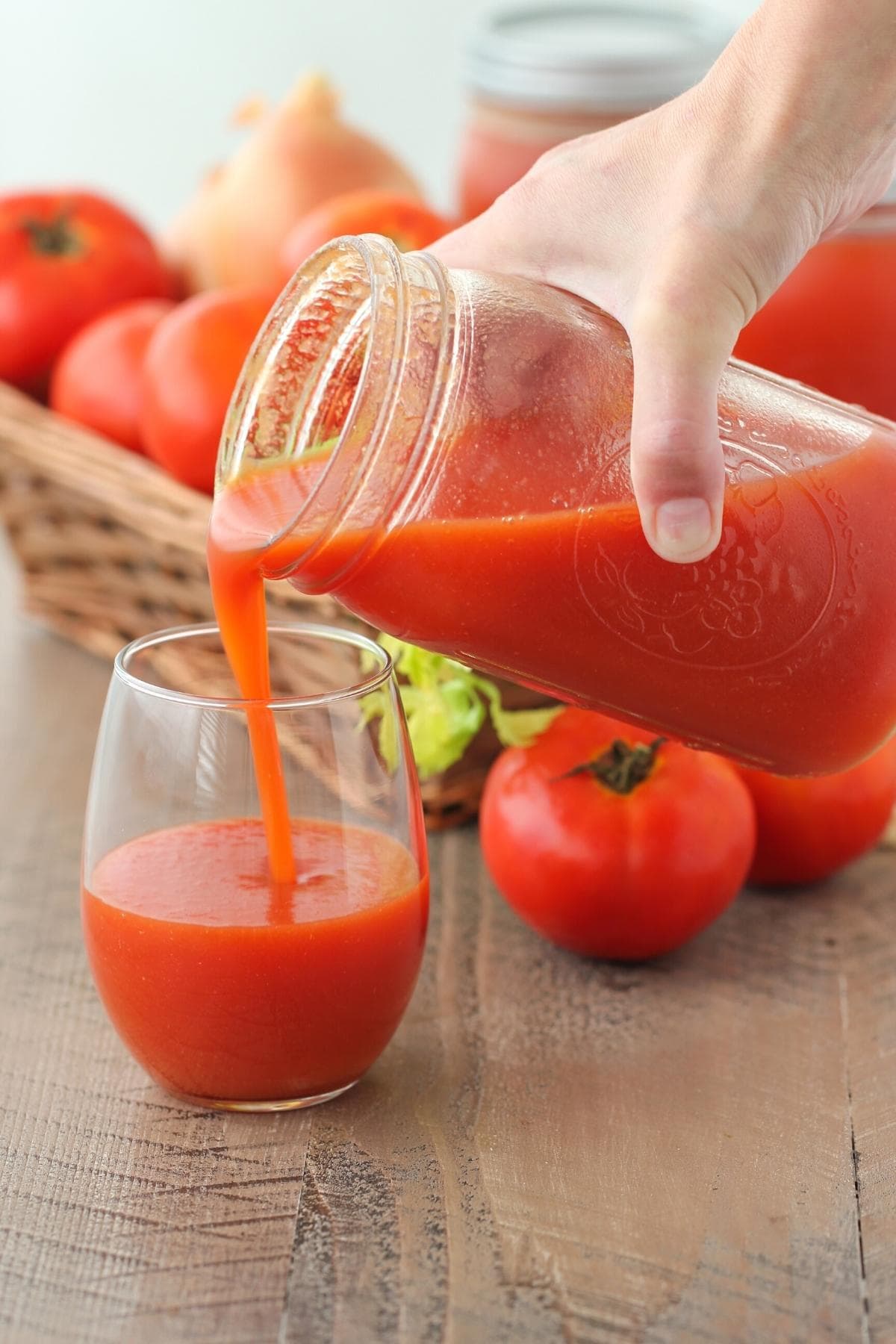
Choose glass bottles or jars with tight lids. Glass does not change the juice taste. Avoid plastic containers that may leak chemicals. Stainless steel bottles also work well. Dark-colored containers help protect juice from light. This slows down nutrient loss and spoilage.
How To Keep Juice Fresh Longer
Fill containers to the top to reduce air inside. Air causes oxidation and makes juice spoil faster. Store juice in the fridge below 40°F (4°C). Drink juice within 24 to 48 hours for best taste. Keep containers sealed tightly after pouring. Avoid leaving juice out at room temperature. Shake juice gently before serving to mix any separated parts.
Health Benefits Of Vegetable Juice
Vegetable juice offers many health benefits. It provides a simple way to get important nutrients. Drinking it regularly supports overall well-being. The juice is easy to digest and absorbs quickly. This makes it a great choice for a healthy diet.
Vitamins And Minerals Boost
Vegetable juice is full of vitamins and minerals. It contains vitamin A, C, and K in good amounts. These vitamins help keep your skin, eyes, and bones healthy. Minerals like potassium and magnesium support heart and muscle function. Drinking vegetable juice helps you get these nutrients fast.
Supporting Digestion And Immunity
Vegetable juice contains fiber and antioxidants. Fiber aids digestion and keeps your gut healthy. Antioxidants protect your body from damage caused by free radicals. This support helps boost your immune system. Drinking vegetable juice regularly can help you feel stronger and fight illness better.
:max_bytes(150000):strip_icc()/3749036-bad7c5461202493cad2a3d60ffe05306.jpg)
Credit: www.eatingwell.com
Common Juicing Mistakes To Avoid
Making vegetable juice is healthy and refreshing. Many people make simple mistakes that reduce taste and nutrition. Avoiding these common errors helps create better juice. Learn which mistakes to watch for.
Overusing Certain Vegetables
Using too much of one vegetable can ruin the flavor. Some vegetables have strong tastes that overpower others. For example, too much kale or celery can make juice bitter. Balance flavors by mixing different vegetables. This creates a smoother, tastier drink.
Ignoring Pulp And Fiber
Pulp contains important fiber that helps digestion. Many people throw away all pulp, losing nutrients. You can add some pulp back into your juice for more fiber. This keeps the juice healthy and filling. Don’t waste the good parts of your vegetables.
Credit: www.olgasflavorfactory.com
Frequently Asked Questions
What Vegetables Are Best For Making Juice?
Leafy greens, carrots, cucumbers, celery, and beets are ideal for juice. These vegetables offer high water content and rich nutrients, making your juice fresh, flavorful, and healthy.
How Do I Prepare Vegetables For Juicing?
Wash vegetables thoroughly to remove dirt and pesticides. Cut them into small pieces to fit your juicer. Removing tough skins or seeds improves juice texture and taste.
Can I Juice Vegetables Without A Juicer?
Yes, use a blender to blend vegetables, then strain the pulp with a fine mesh sieve or cheesecloth. This method extracts juice but may be less smooth than a juicer.
How Long Does Homemade Vegetable Juice Stay Fresh?
Fresh vegetable juice is best consumed within 24-48 hours when refrigerated. Store juice in an airtight container to maintain nutrients and prevent oxidation or spoilage.
Conclusion
Making vegetable juice at home is simple and healthy. Fresh veggies give your body important vitamins and minerals. You can mix different vegetables to find your favorite taste. Juicing saves time and helps you drink more greens. Try to use organic vegetables for the best quality.
Drink your juice soon after making it for fresh flavor. Enjoy this natural drink as a daily boost to your health. Start juicing today and feel the difference in your energy. Small steps like this can improve your well-being a lot.
Keep it fresh, keep it tasty!