Last Updated on April 15, 2026
Are you ready to enjoy fresh, homemade whole grain bread without the hassle? Making whole grain bread in your bread machine is easier than you think.
You’ll get a delicious, healthy loaf that fills your kitchen with a warm, inviting aroma. Imagine slicing into soft, hearty bread that’s perfect for sandwiches, toast, or just eating plain. This guide will walk you through every step, so you can create your own wholesome bread right at home.
Keep reading, and you’ll discover simple tips that make your bread turn out perfect every time.
Choosing The Right Whole Grains
Choosing the right whole grains is key to baking delicious bread in your bread machine. Whole grains give bread a rich flavor and great texture. They also add important nutrients your body needs.
Different grains offer different tastes and health benefits. Picking the right one will help you enjoy your homemade bread even more. Let’s explore some common whole grains and their benefits.
Types Of Whole Grains
Whole wheat is the most popular grain for bread. It has a nutty taste and makes bread soft and chewy. Rye adds a strong, earthy flavor and a denser texture. Oats bring mild sweetness and extra fiber. Barley offers a slightly sweet, nutty flavor and a tender crumb. Each grain changes your bread’s look and taste.
Benefits Of Whole Grain Bread
Whole grain bread is rich in fiber. Fiber helps with digestion and keeps you full longer. It contains vitamins like B and minerals such as iron and magnesium. These nutrients support your energy and overall health. Whole grains also have antioxidants that protect your cells.
Where To Buy Quality Grains
Look for whole grains at health food stores or local markets. Choose grains labeled “100% whole grain” or “whole wheat.” Buying organic grains can reduce exposure to pesticides. Bulk bins let you buy the exact amount you need. Store grains in airtight containers to keep them fresh longer.
Credit: www.kingarthurbaking.com
Essential Ingredients For Bread Machine Bread
Making whole grain bread in a bread machine starts with the right ingredients. Each one plays a key role in the bread’s texture, taste, and rise. Using quality ingredients ensures a soft, tasty loaf every time. Below are the essential ingredients to prepare your bread machine dough.
Flour Varieties And Blends
Whole grain flour is the main ingredient for healthy bread. Common types include whole wheat, rye, and spelt. Mixing whole grain flour with white bread flour improves texture and rise. The white flour adds lightness while whole grain adds flavor and nutrients. Use fresh, high-quality flour for best results.
Yeast Selection
Yeast helps the bread rise by creating air bubbles. Active dry yeast and instant yeast work well in bread machines. Instant yeast acts faster and can be added directly to flour. Use fresh yeast for a good rise and avoid expired packs. Measure yeast carefully for consistent results.
Liquid Components
Water is the most common liquid in whole grain bread recipes. It hydrates the flour and activates the yeast. Milk or plant-based milk can add softness and flavor. Use warm liquids, about 110°F (43°C), to help yeast grow. Avoid very hot or cold liquids as they affect rising.
Additional Flavor Enhancers
Salt balances flavor and controls yeast activity. Honey or sugar feed the yeast and add sweetness. Olive oil or butter enrich the dough and improve texture. Seeds, nuts, or dried fruits add taste and nutrition. Use these extras in small amounts for best results.
Preparing Your Bread Machine
Preparing your bread machine properly is the first step to baking perfect whole grain bread. It ensures smooth operation and good bread texture. Small preparations can make a big difference in your baking results.
Before adding ingredients, check the bread machine carefully. Make sure it is clean and the parts work well. Adjust the settings to suit whole grain bread recipes. Use the right bread pan for best baking performance.
Cleaning And Maintenance Tips
Clean your bread machine after every use. Remove crumbs and dough bits from the pan and kneading blade. Wipe the inside and outside with a damp cloth. Avoid using harsh chemicals that can damage the machine. Regular maintenance keeps the machine working smoothly and extends its life.
Selecting The Correct Settings
Choose the setting designed for whole grain or whole wheat bread. This setting adjusts the kneading and baking time. It helps the dough rise properly and bake evenly. If your machine lacks this setting, use the manual mode for longer kneading and baking. Correct settings improve bread texture and flavor.
Using The Right Bread Pan
Use the bread pan that comes with your machine. Check that it fits well and locks in place. Some machines require a specific pan for whole grain bread. A proper pan ensures even baking and easy bread removal. Avoid using damaged or non-standard pans to prevent baking issues.

Credit: breaddad.com
Step-by-step Bread Making Process
Baking whole grain bread in a bread machine is simple and rewarding. Follow each step carefully to get soft, tasty bread. This process helps you use your machine correctly and avoid mistakes.
Below is a clear guide to help you make whole grain bread at home. Each step is important for the perfect loaf.
Measuring And Adding Ingredients
Start by measuring ingredients accurately. Use a kitchen scale or measuring cups for precision. Add liquids first, such as water or milk. Next, add dry ingredients like whole grain flour, salt, and sugar. Finally, place the yeast on top. Avoid letting yeast touch the liquid at first.
Setting The Machine
Choose the correct bread setting for whole grain or whole wheat bread. Set the crust color to your preference: light, medium, or dark. Select the loaf size based on your recipe. Press start and let the machine begin its work.
Monitoring The Dough
Check the dough during the first kneading cycle. It should form a smooth, elastic ball. If dough is too dry, add a little water. If it is too sticky, add a small amount of flour. Close the lid and let the machine continue.
Baking Time And Tips
The baking cycle usually takes about 3 to 4 hours. Avoid opening the lid during baking to keep heat steady. When baking finishes, remove the bread pan carefully. Let the bread cool on a wire rack before slicing. This prevents a doughy texture inside.
Troubleshooting Common Issues
Troubleshooting common issues helps you bake better whole grain bread. Bread machines are helpful but sometimes problems happen. Knowing how to fix these problems saves time and ingredients. Let’s explore solutions for dense bread, uneven crust, and poor rising.
Dense Or Heavy Bread
Dense bread often means too much flour or not enough liquid. Check your measurements carefully. Use fresh yeast for good rise. Whole grain flour absorbs more water. Add a little extra water or milk to the mix. Avoid overmixing the dough; it can make bread tough. Let the machine complete its full cycle for best results.
Uneven Crust
Uneven crust can come from uneven heat or too much sugar. Make sure the bread pan sits evenly in the machine. Avoid opening the lid during baking; this causes temperature drops. Use the correct baking setting for whole grain bread. If the crust is too dark, try lowering the baking temperature or shortening the baking time.
Bread Not Rising Properly
Poor rising often means old or inactive yeast. Check the expiration date on the yeast package. Make sure the water temperature is right, about 105°F to 115°F. Too hot or too cold water kills yeast. Use the right amount of sugar to feed the yeast. Whole grain flour can slow rising, so allow extra time if needed.
Credit: www.kingarthurbaking.com
Enhancing Your Whole Grain Bread
Enhancing your whole grain bread can make it more flavorful and exciting. Simple additions bring new textures and tastes. These small changes turn basic bread into a special treat.
Adding Nuts And Seeds
Nuts and seeds add crunch and nutrition. Walnuts, almonds, sunflower seeds, or flaxseeds work well. They boost fiber and healthy fats. Sprinkle a handful into the dough before baking. This creates a satisfying texture with every bite.
Incorporating Herbs And Spices
Herbs and spices bring fresh and warm flavors. Try rosemary, thyme, or oregano for an earthy taste. Cinnamon or nutmeg adds a sweet, spicy touch. Mix these directly into the dough. The aroma fills the kitchen and the bread.
Sweeteners And Fruit Add-ins
Sweeteners and fruits add natural sweetness and moisture. Honey, maple syrup, or molasses blend well with whole grains. Dried fruits like raisins, cranberries, or chopped dates add chewiness. Add these ingredients in small amounts to keep the dough balanced.
Storing And Serving Tips
Storing and serving whole grain bread properly keeps it fresh and tasty longer. Whole grain bread has natural oils that can go bad if not stored well. Proper storage stops the bread from drying out or getting moldy quickly.
Best Storage Practices
Store whole grain bread in a cool, dry place. Use a bread box or a paper bag to keep air out but allow some airflow. Avoid plastic bags for daily storage because they trap moisture. Moisture makes bread soggy and encourages mold growth. Keep the bread at room temperature, not in the fridge. The fridge dries bread faster and makes it hard.
Freezing Whole Grain Bread
Freeze whole grain bread to keep it fresh for weeks. Slice the bread before freezing to grab only what you need. Wrap slices tightly in plastic wrap or foil, then place them in a freezer bag. Remove as much air as possible to avoid freezer burn. Thaw bread at room temperature or toast slices directly from the freezer. Freezing preserves flavor and texture better than refrigeration.
Serving Suggestions
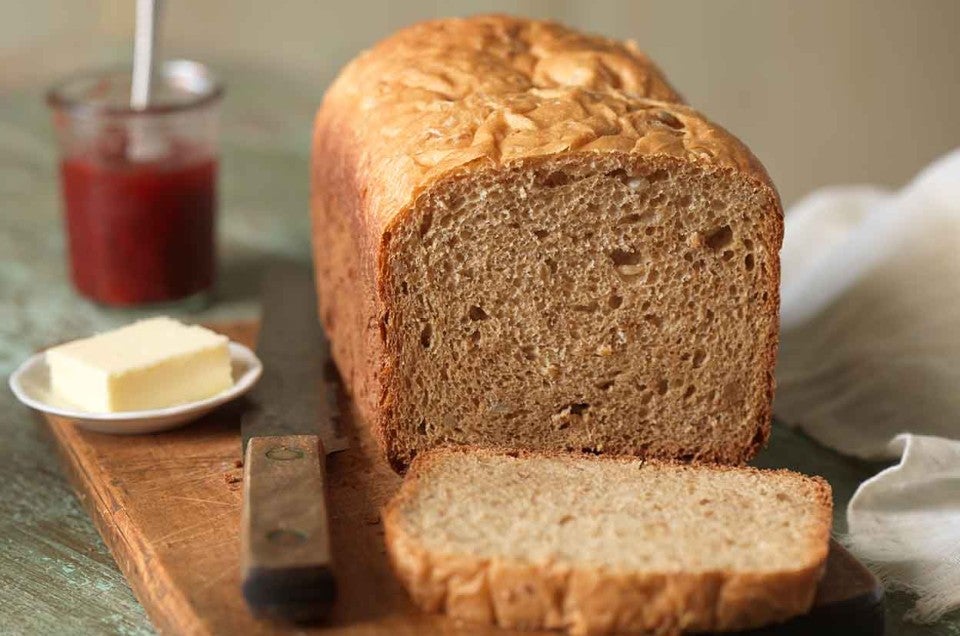
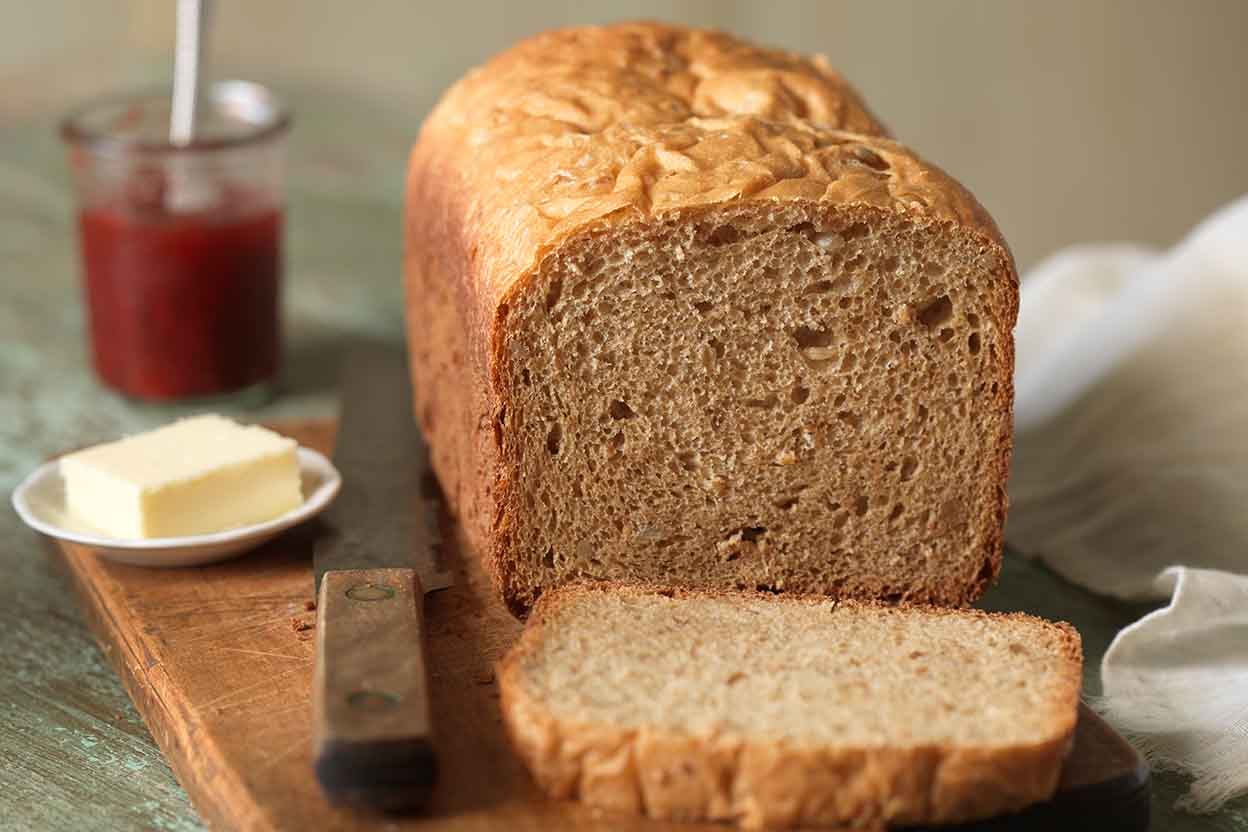
Serve whole grain bread fresh or lightly toasted. It pairs well with butter, jam, or honey. Use it for sandwiches with fresh vegetables and lean meats. Whole grain bread also works great for dipping in soups or making croutons. Keep portions small to avoid waste. Enjoy its nutty flavor and chewy texture in simple meals.
Frequently Asked Questions
What Type Of Whole Grain Flour Is Best For Bread Machines?
Whole wheat flour is ideal for bread machines. It provides good texture and flavor. You can also mix it with white flour for a lighter loaf.
How Long Does Whole Grain Bread Take In A Bread Machine?
Whole grain bread typically takes 3 to 4 hours to bake in a bread machine. Times vary based on machine settings and ingredients.
Can I Add Seeds Or Nuts To Whole Grain Bread?
Yes, adding seeds or nuts enhances flavor and nutrition. Add them during the kneading cycle for even distribution.
Should I Use Warm Or Cold Water For Whole Grain Bread?
Use warm water, around 110°F (43°C), to activate yeast effectively. Cold water slows fermentation and may affect rising.
Conclusion
Making whole grain bread in a bread machine is simple and rewarding. Fresh bread fills your home with a warm aroma. You control the ingredients, ensuring healthy and tasty results. Experiment with different grains and seeds for variety. Enjoy homemade bread with your favorite spreads or meals.
Baking bread yourself saves money and adds freshness. Start your bread machine journey today and enjoy wholesome, fresh bread anytime.