Last Updated on December 24, 2025
Are your kitchen cabinets a cluttered mess that makes cooking stressful? Imagine opening your cabinets and instantly finding exactly what you need, saving you time and frustration.
Organizing your kitchen cabinets doesn’t have to be overwhelming or expensive. With a few simple steps, you can transform your space into a neat, efficient area that makes meal prep a breeze. Keep reading, and you’ll discover easy tips that will change the way you use your kitchen every day.
Assess Your Kitchen Space
Assessing your kitchen space is the first step to organizing cabinets well. This helps you use every inch smartly. It makes sure your storage fits your cooking habits. Knowing your kitchen’s layout helps avoid clutter and wasted space.
Identify Cabinet Types
Look at all the cabinets in your kitchen. Some cabinets have shelves, some have drawers. Corner cabinets might have lazy susans or pull-out racks. Knowing each type helps decide what to store where. It also guides how to arrange items for easy reach.
Measure Cabinet Dimensions
Use a tape measure to get the height, width, and depth of each cabinet. Write down these numbers clearly. Accurate measurements help pick the right storage containers. They also help plan shelf placement and drawer organizers. This avoids buying items that do not fit.
Evaluate Storage Needs
Think about what you store most in your kitchen. Pots, pans, plates, or dry foods? Group similar items together. Consider how often you use them. Store daily items in easy-to-reach cabinets. Less used items can go in higher or lower cabinets.
Declutter Before Organizing
Decluttering is the first step to organize kitchen cabinets well. Clearing out unnecessary items creates space. It helps you see what you have and what you need. This makes organizing easier and faster. Start with a clean slate to avoid clutter buildup later.
Sort Items By Usage
Separate kitchen items based on how often you use them. Keep daily use items within easy reach. Store rarely used items in higher or harder-to-reach places. This saves time and effort during cooking. It also keeps your kitchen tidy and efficient.
Discard Expired Or Unused Items
Throw away expired food and broken utensils. Toss out duplicates or things you never use. This frees up space and reduces clutter. Old spices, canned goods, and snacks should be checked regularly. Removing useless items helps maintain a fresh, clean kitchen.
Group Similar Items Together
Place like items in the same area or container. Keep all baking supplies, spices, or cooking oils together. Use clear bins or labeled containers to stay organized. Grouping items makes it easier to find what you need. It also keeps your cabinets neat and orderly.
Maximize Cabinet Storage
Maximizing cabinet storage makes your kitchen neat and easy to use. It helps keep items in order and saves space. Organized cabinets let you find what you need quickly. Small changes can create big storage improvements.
Use Adjustable Shelves
Adjustable shelves let you change shelf height. This fits tall or short items perfectly. You can store pots, pans, or dishes without wasting space. Moving shelves is simple and allows flexible storage options.
Incorporate Pull-out Drawers
Pull-out drawers bring items to you. No need to reach deep inside. They work well for spices, utensils, or canned goods. Drawers help keep things visible and easy to grab. This reduces clutter and saves time.
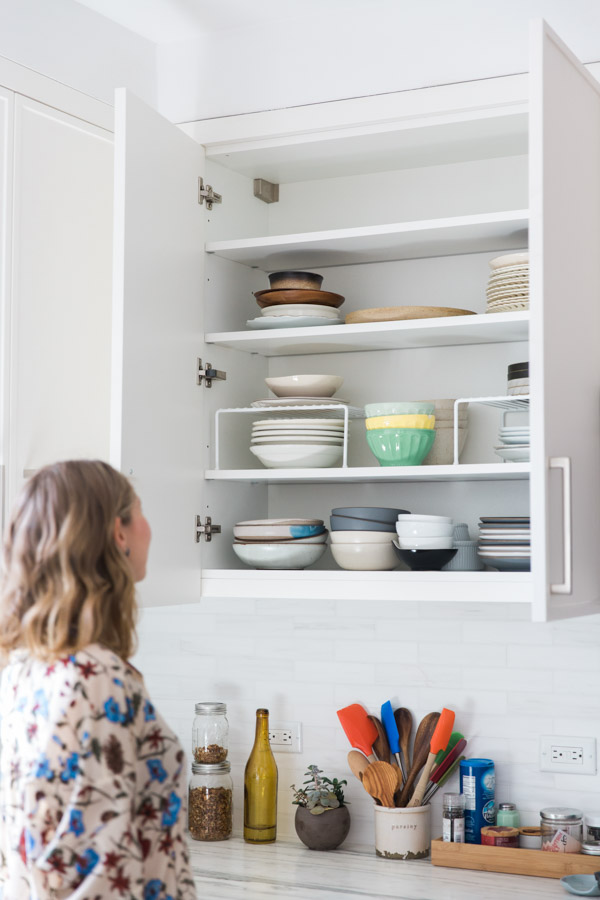
Add Shelf Risers And Dividers
Shelf risers create extra layers inside cabinets. Use them for cups or plates to avoid stacking too high. Dividers keep cutting boards and trays upright. These tools organize items and make cabinets look tidy. They help use every inch of space wisely.
Credit: feedmephoebe.com
Optimize Item Placement
Optimizing item placement in kitchen cabinets makes cooking easier and faster. Proper arrangement helps you find things quickly. It also saves space and keeps the kitchen neat. Organize by how often you use items and their weight. This way, your kitchen stays safe and efficient.
Store Daily Use Items At Eye Level
Keep items you use every day at eye level. This includes plates, cups, and spices. You can grab them without bending or stretching. It saves time during busy cooking moments. Daily use items stay visible and easy to reach.
Place Heavy Items Low
Store heavy pots, pans, and appliances on lower shelves. This prevents accidents when lifting them down. It also protects your back from strain. Low placement makes heavy items easy to handle and safer to use.
Keep Rarely Used Items Up High
Put items you use less often on top shelves. These might be holiday dishes or large serving trays. High shelves keep the main space clear. Use a step stool to reach them safely when needed.
Use Organizers And Containers
Organizing kitchen cabinets becomes easier with the right tools. Using organizers and containers helps keep everything neat and easy to find. It saves space and reduces clutter. This way, you can keep your kitchen tidy and functional.
Choose Clear Containers
Clear containers let you see contents without opening them. This saves time and prevents spills. Use clear jars, boxes, or bins for dry goods like pasta, rice, or snacks. They stack well and keep food fresh longer. Clear containers also give a clean and uniform look.
Label Everything
Labels make finding items quick and simple. Use a label maker or write on sticky notes. Label containers with the item’s name and expiration date. This helps avoid confusion and waste. Everyone in the household can find what they need easily. It keeps your cabinets organized over time.
Utilize Lazy Susans And Baskets
Lazy Susans spin, so you can reach items in the back easily. Place spices, sauces, or small jars on them. Baskets hold groups of similar items together. Use baskets for snacks, baking supplies, or cleaning products. Both tools keep cabinets tidy and maximize space.
:max_bytes(150000):strip_icc()/organize-your-kitchen-cabinets-2648622-04-6931115e04784603b782c69ec181d6ec.jpg)
Credit: www.thespruceeats.com
Maintain Your Organized Cabinets
Keeping your kitchen cabinets organized requires regular care. Maintaining order saves time and reduces stress. It also keeps your kitchen neat and functional. Small efforts often prevent big messes later.
Regularly Reassess Contents
Check your cabinets often. Remove items you no longer use or need. Group similar items together for easy access. This habit keeps your cabinets clutter-free. It also helps you notice expired food or broken containers.
Clean Cabinets Periodically
Wipe down shelves and doors every few weeks. Use a mild cleaner to remove dirt and stains. Clean corners and edges where dust gathers. Regular cleaning keeps your cabinets fresh. It also prevents unwanted smells and pests.
Adopt Consistent Habits
Put things back in their place after use. Use labeled containers and baskets for better order. Keep frequently used items within reach. Consistency makes it easier to maintain organization. Everyone in the household should follow these habits.
:strip_icc()/kitchen-pantry-snacks-c2bb5c24-7b13dec53fc446c8ad1ae36763639f30.jpg)
Credit: www.bhg.com
Frequently Asked Questions
How Do I Start Organizing Kitchen Cabinets?
Begin by emptying all cabinets completely. Sort items into categories like cookware, utensils, and food. Discard expired or unused items. Clean shelves before placing items back in an organized, accessible way.
What Are The Best Storage Solutions For Cabinets?
Use clear containers, adjustable shelves, and lazy Susans. Drawer dividers and stackable bins maximize space. These tools keep items visible, accessible, and neatly separated to avoid clutter.
How Can I Maintain Organized Kitchen Cabinets?
Regularly declutter and clean your cabinets every few months. Return items to their designated spots after use. Avoid overfilling shelves to maintain easy access and order.
How Do I Organize Small Kitchen Items Effectively?
Store small items in labeled bins or baskets. Use drawer organizers or small containers to group similar items. This prevents loss and keeps your cabinets tidy and efficient.
Conclusion
Organizing kitchen cabinets makes cooking and cleaning easier. It saves time and reduces stress in the kitchen. Use shelves, containers, and labels to keep things neat. Regularly check and remove items you no longer need. Small changes can create a big difference.
A tidy kitchen feels welcoming and works better every day. Start organizing today for a more pleasant kitchen space.