Last Updated on February 18, 2026
To pan sauté shrimp, heat oil in a skillet, add seasoned shrimp, and cook until pink and opaque. This usually takes about 2-3 minutes per side.
Sautéing shrimp is a quick and simple cooking method that results in flavorful, tender seafood. Start with fresh or thawed shrimp, ensuring they are peeled and deveined. Heat a tablespoon of olive oil or butter in a large skillet over medium-high heat.
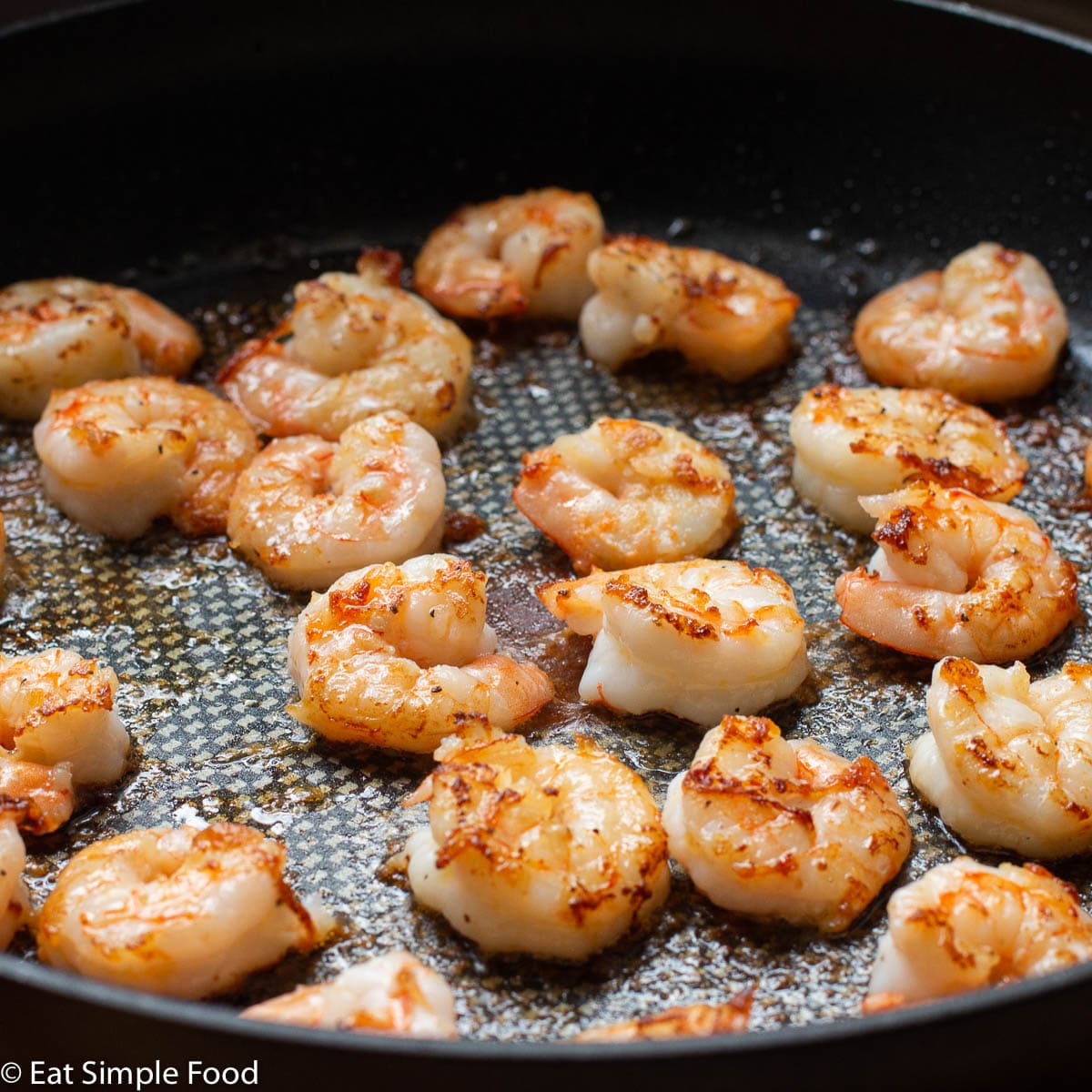
Once the oil is hot, add the shrimp in a single layer. Season with salt, pepper, and your choice of herbs. Cook for 2-3 minutes on each side, until the shrimp turn pink and opaque. Avoid overcooking to maintain their tender texture. Serve immediately with your favorite side dishes.
Introduction To Pan Sauteing Shrimp
Pan sauteing shrimp is a simple and delicious way to cook. This method brings out the natural flavors of the shrimp. It’s quick, requiring just a few minutes to prepare a tasty dish. Whether you’re a beginner or an experienced cook, pan sauteing shrimp can be a delightful experience.
Why Choose Pan Sauteing?
Pan sauteing is a preferred method for many reasons. It allows you to control the cooking process easily. You can monitor the shrimp as it cooks, ensuring perfect texture and flavor.
This cooking method also requires minimal equipment. A simple pan and a spatula are all you need. This makes it convenient for quick meals.
Key Benefits Of This Cooking Method
- Speed: Shrimp cooks very quickly, usually in under 5 minutes.
- Flavor: Pan sauteing enhances the shrimp’s natural taste.
- Versatility: You can add various spices and herbs.
- Health: Using a small amount of oil keeps the dish light.
| Benefit | Explanation |
|---|---|
| Speed | Shrimp cooks in under 5 minutes. |
| Flavor | Enhances natural shrimp taste. |
| Versatility | Add various spices and herbs. |
| Health | Uses minimal oil. |
In summary, pan sauteing shrimp is an easy and efficient way to cook. The process is quick and enhances the shrimp’s flavor. You can also experiment with different seasonings to suit your taste.
Selecting The Right Shrimp
Choosing the right shrimp is crucial for a delicious dish. Freshness, size, and type impact the flavor and texture. Here’s how to choose the best shrimp for pan sautéing.
Fresh Vs. Frozen Shrimp
Fresh shrimp often taste better. Buy them from a trusted fishmonger. Ensure they smell like the ocean, not fishy.
Frozen shrimp are convenient. They’re usually frozen right after being caught. Choose shrimp without added preservatives.
Both options can work well if handled properly. Thaw frozen shrimp in the fridge overnight. Rinse fresh shrimp under cold water before use.
Size And Count Explained
Shrimp size matters. It affects cooking time and texture. Shrimp are sold by count per pound. Here’s a quick guide:
| Size | Count Per Pound | Best For |
|---|---|---|
| Jumbo | 16-20 | Grilling, Sautéing |
| Large | 21-30 | Sautéing, Stir-fry |
| Medium | 31-40 | Salads, Pasta |
| Small | 41-50 | Soups, Stews |
For pan sautéing, large or jumbo shrimp work best. They cook evenly and stay juicy.
Always check the count per pound before buying. This ensures you get the right size.
Essential Tools And Ingredients
Pan sauteing shrimp is an easy and delicious way to prepare a meal. Using the right tools and ingredients ensures your shrimp are flavorful and perfectly cooked.
Best Pans For Sauteing
The pan you choose impacts the taste and texture of your shrimp. Here are some of the best options:
- Stainless Steel Pan: Great for even heat distribution.
- Non-stick Pan: Prevents shrimp from sticking.
- Cast Iron Skillet: Adds a rich flavor to your shrimp.
Must-have Spices And Herbs
The right spices and herbs bring out the best in shrimp. Here are some essentials:
| Spice/Herb | Benefit |
|---|---|
| Garlic | Enhances the shrimp’s natural flavor. |
| Paprika | Adds a subtle heat and color. |
| Parsley | Provides a fresh, herbal taste. |
| Lemon Zest | Gives a bright, citrusy flavor. |
Use these spices and herbs to make your shrimp tasty. They are simple but powerful!
Credit: eatsimplefood.com
Preparation Steps For Shrimp
Before you can pan sauté shrimp, you must prepare them properly. This section covers the essential steps for thawing, cleaning, and marinating shrimp to enhance their flavor and texture. Follow these preparation steps to make your shrimp dish a success.
Thawing And Cleaning
Frozen shrimp must be thawed before cooking. Follow these simple steps:
- Place the frozen shrimp in a bowl.
- Fill the bowl with cold water.
- Let the shrimp sit for 15-20 minutes.
- Drain the water and pat the shrimp dry with paper towels.
Now, clean the shrimp:
- Remove the shell by peeling it off.
- Use a small knife to devein the shrimp.
- Rinse the shrimp under cold water.
- Pat the shrimp dry again with paper towels.
Marination Ideas
Marinating shrimp adds flavor. Here are some ideas:
| Marinade | Ingredients |
|---|---|
| Garlic Lemon |
|
| Spicy Cajun |
|
| Herb Mix |
|
Marinate the shrimp for at least 30 minutes in the refrigerator. This allows the flavors to infuse the shrimp, making them delicious and juicy.
Mastering The Saute Technique
Sauteing shrimp is a quick and easy way to enjoy seafood. Mastering the saute technique ensures your shrimp are juicy and flavorful. Follow these simple steps to achieve perfection.
Heat Control
Heat control is crucial for sauteing shrimp. Use medium-high heat to start. This ensures a good sear without overcooking.
Use a heavy-bottomed pan for even heating. Add oil or butter and let it heat until shimmering. This prevents shrimp from sticking and promotes even cooking.
Timing For Perfect Doneness
Timing is key to perfect doneness. Cook shrimp for 2-3 minutes per side. They should turn pink and opaque.
Use a timer to avoid overcooking. Overcooked shrimp become rubbery and lose flavor.
| Step | Action |
|---|---|
| 1 | Heat pan on medium-high |
| 2 | Add oil or butter |
| 3 | Wait until shimmering |
| 4 | Add shrimp |
| 5 | Cook 2-3 minutes per side |
- Use fresh or thawed shrimp.
- Remove shells and devein shrimp.
- Pat shrimp dry before cooking.
By mastering these techniques, you will always have perfect shrimp. Enjoy your delicious, perfectly sauteed shrimp!
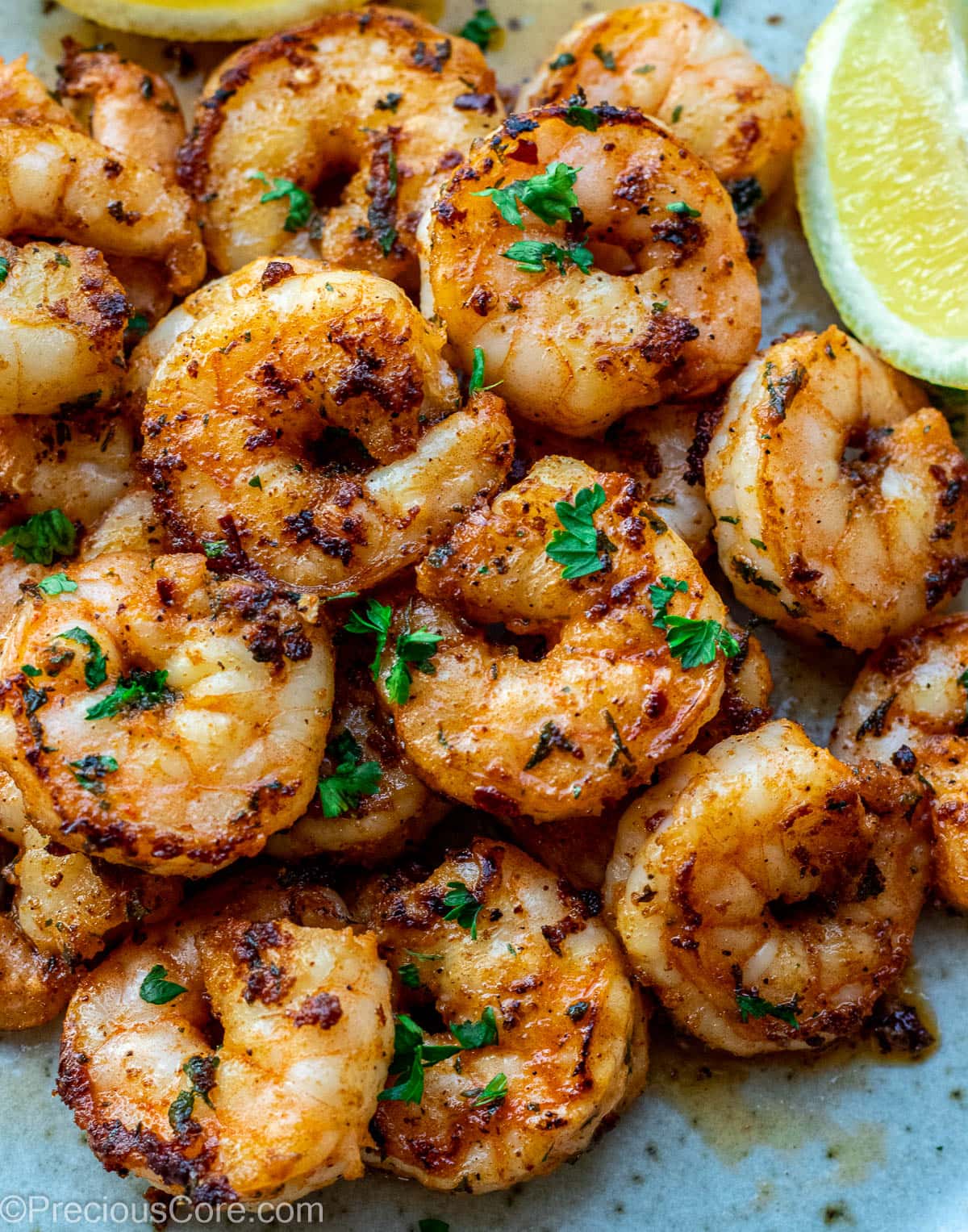
Credit: www.preciouscore.com
Flavor Enhancements
Enhancing the flavor of pan sautéed shrimp can make a big difference. Simple ingredients can elevate the dish to new heights. Here are some great ways to add extra flavor.
Garlic And Butter Magic
Garlic and butter are a classic combination. They add a rich, savory taste to shrimp. Start by melting butter in a pan. Add minced garlic and cook until fragrant. The aroma will fill your kitchen. Toss in the shrimp and sauté until pink and opaque.
For an extra kick, sprinkle some red pepper flakes. A squeeze of lemon juice adds a fresh zest. This combination makes your shrimp buttery and delicious.
Wine Infusions
Wine adds a sophisticated touch to sautéed shrimp. Use white wine for a light, tangy flavor. Pour a splash into the pan after the garlic and butter. Let it simmer and reduce slightly. This will enhance the flavors of the shrimp.
Red wine can also be used for a bolder flavor. It pairs well with robust seasonings. Experiment to find your favorite combination. Remember to cook off the alcohol for a smooth taste.
| Flavor Enhancer | Effect |
|---|---|
| Garlic | Adds a rich, savory taste |
| Butter | Makes the shrimp buttery and delicious |
| White Wine | Gives a light, tangy flavor |
| Red Wine | Adds a bold, robust flavor |
These simple flavor enhancers can make your pan sautéed shrimp extraordinary. Experiment with different combinations. Find what works best for your taste buds.
Serving Suggestions
Pan sautéed shrimp is a versatile dish that can be enjoyed in many ways. Here are some serving suggestions to make your shrimp dish stand out and please your guests.
Pairings With Sides
Pair your shrimp with a variety of sides to create a balanced meal.
- Garlic Butter Rice: The creamy flavor complements the shrimp perfectly.
- Steamed Vegetables: Broccoli, carrots, and bell peppers add color and nutrition.
- Caesar Salad: A crisp salad provides a refreshing contrast.
- Mashed Potatoes: Creamy potatoes are a hearty side.
Presentation Tips
Make your shrimp dish visually appealing with these presentation tips.
- Use Fresh Herbs: Sprinkle chopped parsley or cilantro for a pop of color.
- Serve on a Platter: Arrange shrimp on a large platter for an inviting look.
- Lemon Wedges: Place lemon wedges around the shrimp for a vibrant touch.
- Drizzle Sauce: Add a drizzle of garlic butter sauce for extra flavor.
These suggestions will make your pan sautéed shrimp dish a hit at any table. Enjoy the delightful flavors and beautiful presentation!
:max_bytes(150000):strip_icc()/4600372-d5c775915fe34f12a76d6dede8b6a4af.jpg)
Credit: www.allrecipes.com
Common Mistakes To Avoid
Pan sauteing shrimp can be quick and easy. But many make mistakes that ruin the dish. Knowing these common errors can help you cook perfect shrimp every time.
Overcrowding The Pan
One of the biggest mistakes is overcrowding the pan. Shrimp need space to cook evenly. If you add too many, they will steam instead of saute. This leads to rubbery and less flavorful shrimp.
To avoid this, use a large pan. Cook shrimp in batches if necessary. This ensures each shrimp gets enough heat to cook perfectly.
Overcooking The Shrimp
Another common mistake is overcooking the shrimp. Shrimp cook very quickly. Overcooking makes them tough and chewy.
Watch the shrimp closely. When they turn pink and curl into a C-shape, they are done. This usually takes just a few minutes.
| Common Mistake | Solution |
|---|---|
| Overcrowding the Pan | Use a large pan or cook in batches |
| Overcooking the Shrimp | Cook until pink and C-shaped |
Advanced Variations
Once you have mastered the basic technique of pan sautéing shrimp, it’s time to explore advanced variations. Elevate your shrimp dishes by incorporating a variety of flavors and combinations. These advanced techniques will add depth and excitement to your meals.
Incorporating International Flavors
International flavors can transform your shrimp into a global delight. Try these ideas:
- Asian Influence: Use soy sauce, ginger, and garlic.
- Italian Touch: Add tomatoes, basil, and a splash of white wine.
- Mexican Twist: Combine lime juice, cilantro, and chili powder.
These ingredients can be added during the cooking process. Ensure they are well-mixed for an even flavor distribution.
Creating Shrimp Saute Medleys
Shrimp saute medleys combine shrimp with various vegetables and other proteins. These combinations offer a balanced and flavorful dish.
| Combination | Ingredients |
|---|---|
| Seafood Medley | Shrimp, scallops, calamari, garlic, olive oil |
| Vegetable Stir-fry | Shrimp, bell peppers, onions, broccoli, soy sauce |
| Protein-Packed Dish | Shrimp, chicken strips, snap peas, teriyaki sauce |
Mix and match ingredients based on your preferences. Each medley offers a unique taste experience.
Storing And Reheating
After you’ve enjoyed your delicious pan-sautéed shrimp, you might have leftovers. Proper storage and reheating are key to maintaining their taste and texture. Below are some tips to help you store and reheat your shrimp effectively.
Best Practices For Leftovers
Proper storage ensures your shrimp stays fresh and safe to eat. Follow these simple steps:
- Place the shrimp in an airtight container.
- Store it in the refrigerator within two hours of cooking.
- Use the refrigerated shrimp within 3 days.
If you want to store the shrimp for longer, freezing is an option:
- Lay the shrimp on a baking sheet in a single layer.
- Freeze them for about an hour.
- Transfer the frozen shrimp to a freezer-safe bag.
- Label the bag with the date.
Frozen shrimp can last up to 3 months. Always label your containers to track storage time.
Reheating Without Losing Texture
Reheating shrimp properly helps maintain its texture and flavor. Use these methods:
- Microwave: Place shrimp in a microwave-safe dish. Cover with a damp paper towel. Microwave on low for 1-2 minutes.
- Stovetop: Heat a skillet over medium heat. Add a small amount of oil or butter. Sauté shrimp for 2-3 minutes, turning occasionally.
- Oven: Preheat the oven to 300°F (150°C). Place shrimp on a baking sheet. Cover with foil and heat for 10 minutes.
Avoid overcooking the shrimp during reheating. Overcooked shrimp can become rubbery and lose flavor.
These methods ensure your shrimp retains its delicious taste and texture.
Frequently Asked Questions
Is It Better To Saute Shrimp In Oil Or Butter?
Sauté shrimp in butter for a rich, flavorful taste. Use oil for a lighter, crispier texture. Both are delicious.
How To Cook Shrimp In A Pan?
Heat oil in a pan over medium heat. Add shrimp, seasoning with salt and pepper. Cook for 2-3 minutes per side until pink. Serve immediately.
How Do You Know When Sauteed Shrimp Is Done?
Shrimp is done when it turns pink and opaque. The tails should curl slightly. Cook for 2-3 minutes per side. Avoid overcooking to keep shrimp tender.
Can You Pan Saute Frozen Shrimp?
Yes, you can pan sauté frozen shrimp. Thaw them first for better results. Pat them dry before cooking.
Conclusion
Mastering the art of pan sautéing shrimp is simple and rewarding. Follow these steps for perfect, flavorful shrimp every time. The right technique ensures juicy, well-seasoned shrimp. Enjoy experimenting with different seasonings and recipes. Happy cooking and savor every delicious bite!