Last Updated on December 17, 2025
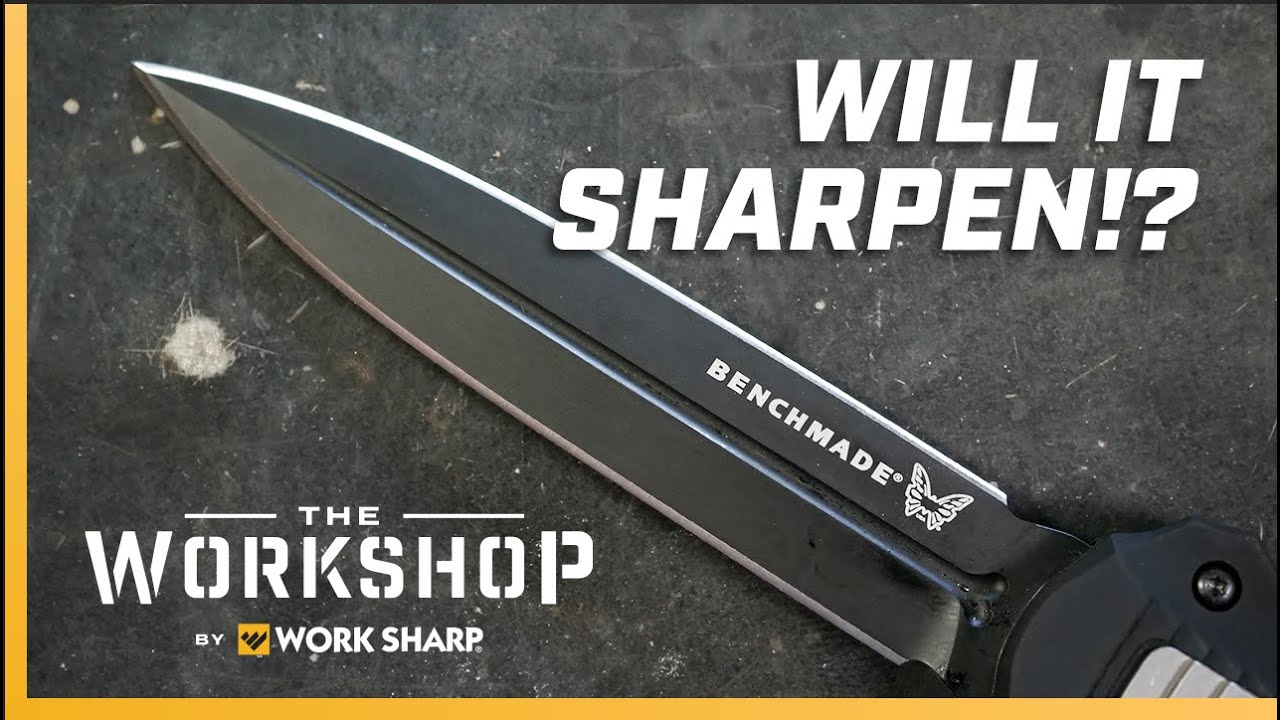
You rely on your Benchmade knife for precision and durability, so keeping it sharp is key. A dull blade can slow you down and make tasks harder than they need to be.
But sharpening your knife doesn’t have to be complicated or time-consuming. In this guide, you’ll discover simple, effective steps to restore your Benchmade’s edge quickly and safely. By the end, you’ll know exactly how to sharpen your knife like a pro and keep it ready for anything.
Ready to bring your blade back to life? Let’s get started.
Choosing The Right Sharpening Tools
Choosing the right sharpening tools is key to keeping your Benchmade knife sharp. The tool you pick affects the blade’s edge, ease of use, and safety. Knowing the types of sharpeners and the grit levels helps you pick the best option for your needs. This guide breaks down the options clearly.
Types Of Sharpeners
Sharpeners come in many forms. Manual sharpeners include whetstones and diamond stones. These require you to move the blade by hand. Electric sharpeners use motors to do the work. They are fast and easy but less precise. There are also pull-through sharpeners, which guide the blade through fixed angles. Each type suits different skill levels and sharpening goals.
Whetstones Vs. Electric Sharpeners
Whetstones give you control over the sharpening process. You can adjust angle and pressure easily. They work well for fine edges and touch-ups. Electric sharpeners speed up the process. They are good for quick fixes and beginners. Whetstones need more practice to use well. Electric sharpeners might remove too much metal if used often. Choose based on your skill and how sharp you want your knife.
Selecting The Proper Grit
Grit size is important for sharpening. Coarse grits (200-600) fix dull or damaged edges. Medium grits (800-1500) sharpen and smooth the blade. Fine grits (3000 and above) polish the edge for a razor finish. Start with coarse grit if the blade is very dull. Use finer grits to refine and polish. Matching the grit to your knife’s condition gives the best results.
Credit: www.youtube.com
Preparing Your Benchmade Knife
Preparing your Benchmade knife is the first step to sharpening it properly. A well-prepared knife ensures a smooth sharpening process. It also protects the blade and keeps you safe. Take your time to get everything ready before you start.
Cleaning The Blade
Clean the blade carefully before sharpening. Remove any dirt, grease, or residue. Use warm water and mild soap. Dry the blade completely with a soft cloth. A clean blade helps you see the edge clearly. It also prevents dirt from scratching the knife during sharpening.
Inspecting For Damage
Look closely at the blade for any damage. Check for chips, cracks, or deep scratches. Small dents can affect sharpening results. If the blade has serious damage, consider professional repair. Fixing damage early protects the knife’s performance and safety.
Setting Up A Safe Workspace
Choose a flat, stable surface for sharpening. Good lighting is important to see the blade edge. Keep your workspace free of clutter. Use a non-slip mat or towel to hold the knife steady. Keep your fingers clear of the blade path. Safety is key for a successful sharpening session.
Sharpening Techniques
Sharpening your Benchmade knife keeps it precise and safe to use. Proper techniques help restore the blade’s edge without damaging it. Use the right method for the best results. Below are key sharpening techniques to try.
Maintaining The Correct Angle
Hold the knife at a steady angle while sharpening. Usually, a 20-degree angle works well for Benchmade knives. Keep this angle consistent to avoid uneven edges. Too steep or too flat angles dull the blade faster. Practice holding the knife steady before you start.
Using The Whetstone Effectively
Start with a coarse grit whetstone for dull blades. Soak the stone in water for 5 to 10 minutes first. Slide the blade across the stone, maintaining the correct angle. Use smooth, even strokes from the base to the tip. Flip the blade and repeat on the other side. Finish with a fine grit stone for a sharp edge.
Working With Electric Sharpeners
Choose an electric sharpener made for fine knives. Insert the blade gently into the slot. Let the sharpener guide the angle. Move the blade slowly and evenly through the sharpener. Avoid pressing too hard to prevent damage. Check the blade often to avoid over-sharpening.
Credit: www.reddit.com
Honing And Stropping
Honing and stropping keep your Benchmade knife sharp and ready. They help maintain the blade’s edge between full sharpenings. These techniques improve cutting performance and blade life. Both are easy to do at home with simple tools.
Difference Between Honing And Sharpening
Honing straightens the blade’s edge without removing much metal. It fixes small bends or folds on the edge. Sharpening removes metal to create a new edge. Honing is done more often than sharpening. It keeps the knife sharp longer and delays the need for sharpening.
Using A Honing Rod
Hold the honing rod vertically on a stable surface. Place the knife edge against the rod at a 20-degree angle. Swipe the blade down the rod, from base to tip. Repeat on the other side, keeping the angle steady. Use light pressure and smooth strokes. Hone your knife before or after each use for best results.
Stropping For A Polished Edge
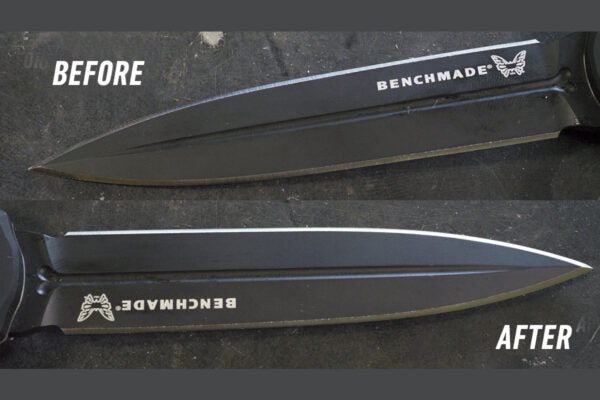
Stropping removes small burrs left after honing or sharpening. Use a leather strop or a flat piece of leather. Apply a stropping compound if available. Pull the blade away from the edge on the strop. Keep a consistent angle, usually the same as honing. Stropping makes the edge smooth and sharp. It improves cutting and reduces blade drag.
Testing Sharpness
Testing sharpness is a key step after sharpening your Benchmade knife. It shows if the blade is ready for use. You can test sharpness safely with simple methods. These methods help check the edge without damage.
Paper Cut Test
Hold a piece of paper firmly. Try slicing it with the knife edge. A sharp blade cuts smoothly and cleanly. If the knife tears or struggles, it needs more sharpening. This test is quick and effective.
Thumb Nail Test
Gently drag the knife edge across your thumbnail. A sharp blade catches slightly on the nail. If it slides off easily, the edge is dull. Use caution to avoid injury. This test gives a good idea of sharpness.
Visual Inspection
Look closely at the blade edge under light. A sharp edge has no shiny or rounded spots. Dull spots reflect light and appear worn. Check the entire edge for uniform sharpness. This simple check helps confirm your sharpening work.
Knife Maintenance Tips
Proper maintenance keeps your Benchmade knife sharp and safe. Simple habits help your knife last longer and work better. Follow these tips to keep your blade in top condition.
Regular Sharpening Schedule
Sharpen your Benchmade knife often. A dull blade can be dangerous and hard to use. Check the edge every few uses. Use a sharpening stone or a quality sharpener. Sharpen gently to keep the blade strong.
Proper Storage
Store your knife in a dry place. Keep it in a sheath or knife block to protect the edge. Avoid tossing it in drawers with other tools. This prevents damage and rust. Clean your knife before storing it.
Avoiding Common Mistakes
Do not use your knife on hard surfaces like glass or stone. Avoid cutting frozen or hard items that can chip the blade. Do not sharpen too fast or with too much pressure. Use the right tools for sharpening. Handle your knife carefully to avoid accidents.
Credit: worksharptools.com
Frequently Asked Questions
How Often Should I Sharpen My Benchmade Knife?
Sharpen your Benchmade knife when it starts cutting less efficiently. Typically, every 3-6 months is ideal for regular use. Frequent sharpening maintains sharpness and prolongs blade life without removing too much metal.
What Tools Are Best For Sharpening Benchmade Knives?
Use a whetstone, ceramic rod, or a quality knife sharpener. Benchmade knives benefit from fine grit stones for precise edges. Avoid electric sharpeners that can damage the blade’s coating or shape.
Can I Sharpen Benchmade Knives At Home Safely?
Yes, with proper tools and technique, sharpening at home is safe. Follow step-by-step guides and maintain consistent angles. Always handle the blade carefully to avoid injury and preserve the knife’s edge.
What Angle Should I Use To Sharpen A Benchmade Knife?
Sharpen Benchmade knives at a 15 to 20-degree angle. This angle balances sharpness and durability, preserving the blade’s performance. Use a guide to maintain a consistent angle during sharpening.
Conclusion
Sharpening your Benchmade knife keeps it ready and safe to use. Regular care extends the blade’s life and improves cutting power. Use the right tools and follow simple steps for best results. Practice makes sharpening easier and more precise over time.
A sharp knife saves effort and makes tasks faster. Keep your knife clean and store it properly after sharpening. This small effort brings big benefits to your knife’s performance. Try these tips and enjoy a sharper Benchmade every day.