Last Updated on September 29, 2026
Is your meat slicer blade losing its edge? A dull blade can make slicing tougher, uneven, and even unsafe.
But don’t worry—you don’t need to replace the whole blade or hire a pro every time it gets blunt. Learning how to sharpen your meat slicer blade yourself saves time, money, and ensures your slices stay perfect every time. In this guide, you’ll discover simple, step-by-step tips to bring your blade back to life quickly and safely.
Keep reading to master the skill that will keep your kitchen running smoothly and your meals looking professional.

Credit: www.reddit.com
Tools Needed
Sharpening a meat slicer blade requires the right tools. Using proper equipment ensures a sharp, clean cut every time. It also keeps you safe during the process. Below are the essential tools you need before starting.
Choosing The Right Sharpener
Select a sharpener made for meat slicer blades. Some sharpeners use diamond stones for fast sharpening. Others use ceramic wheels for a smooth edge. Match the sharpener to your blade type. A good sharpener saves time and protects the blade.
Safety Equipment
Always wear safety gloves to protect your hands. Cut-resistant gloves reduce the risk of injury. Eye protection is important too. Small metal particles can fly during sharpening. Use goggles or safety glasses to guard your eyes.
Preparing The Slicer
Preparing the meat slicer is the first step before sharpening its blade. This step ensures safety and makes the sharpening process easier. Taking time to prepare the slicer helps avoid accidents and damage.
Cleaning the slicer removes meat residue and debris. A clean slicer allows better access to the blade. The preparation also helps the blade stay sharp longer.
Unplugging And Cleaning
Always unplug the meat slicer before starting any work. This stops the slicer from turning on by accident. Safety first.
Next, clean the slicer thoroughly. Use warm water and mild soap. Wipe down all parts carefully. Remove any bits of meat and grease. Dry the slicer well to avoid rust.
Removing The Blade
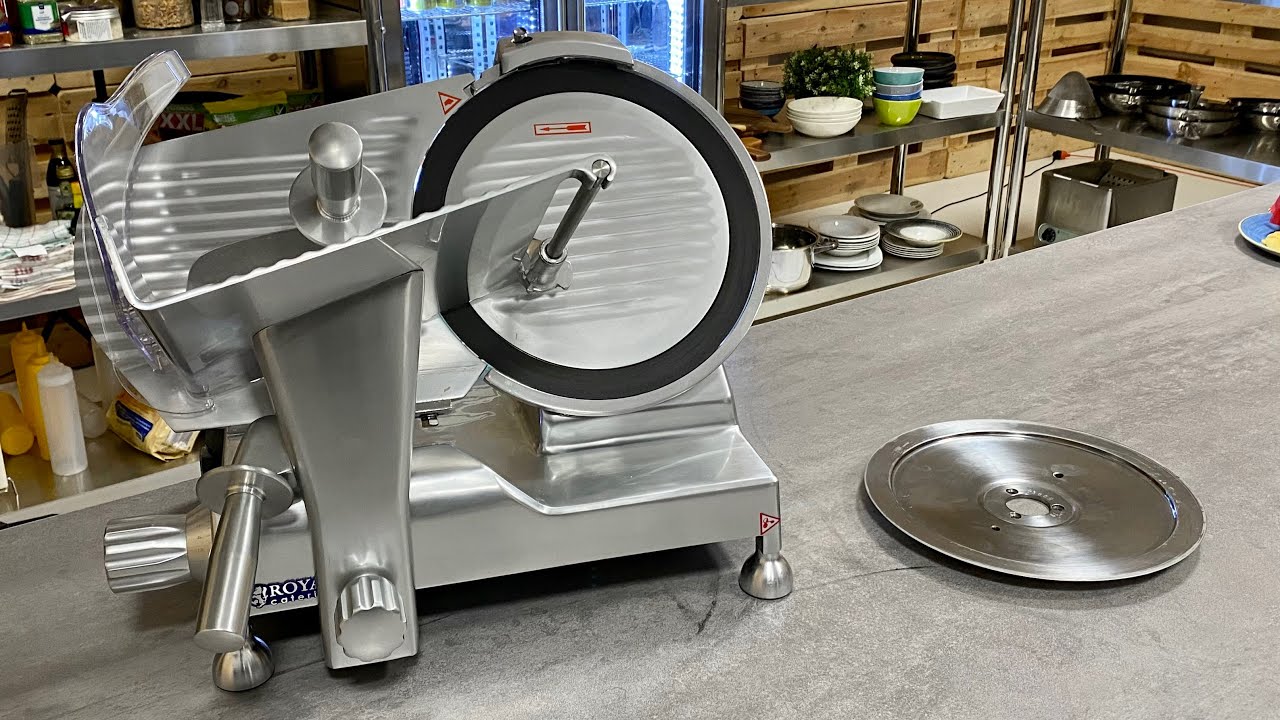
Removing the blade helps sharpen it properly. Check the slicer’s manual for blade removal instructions. Usually, you need to loosen a few screws or a knob.
Handle the blade with care. It is very sharp and can cut skin easily. Place the blade on a flat, clean surface. Now, it is ready for sharpening.
Sharpening Techniques
Sharpening a meat slicer blade keeps it cutting smoothly and safely. Sharp blades reduce effort and create clean slices. Knowing the right techniques helps you maintain the blade’s edge and extend its life. Below are simple methods to sharpen your slicer blade effectively.
Using A Manual Sharpener
A manual sharpener is a small tool with abrasive surfaces. Hold the blade steady and run the sharpener along its edge. Use light, even pressure to avoid damaging the blade. Repeat several times on both sides for a balanced edge. Manual sharpeners work well for quick touch-ups and small blades.
Using An Electric Sharpener
Electric sharpeners use spinning wheels to grind the blade’s edge. Turn on the device and carefully guide the blade through the slots. Keep steady hands to maintain control during sharpening. These sharpeners save time and provide consistent results. They are ideal for frequent use or larger slicer blades.
Sharpening Angle Tips
Maintaining the correct angle is crucial for a sharp edge. Most slicer blades sharpen best at 20 degrees. Holding the sharpener or blade at this angle creates a strong, precise edge. Too steep or too flat angles can dull the blade faster. Use a guide or angle finder if unsure about the correct angle.

Credit: waltons.com
Reassembling The Blade
After sharpening the meat slicer blade, reassembling it properly is crucial. A correctly installed blade ensures safe and smooth slicing. Take your time and follow each step carefully. This process keeps the slicer working well and protects you from injury.
Proper Blade Installation
Place the blade back onto the slicer carefully. Make sure it fits perfectly on the central shaft. Align any holes or notches for screws or bolts. Tighten all screws firmly but do not overtighten. Check that the blade spins freely without wobbling. A loose or misaligned blade can cause accidents or poor cuts.
Testing The Blade
Turn the slicer on at low speed first. Listen for unusual sounds or vibrations. If everything sounds smooth, increase the speed slowly. Test the blade by slicing a piece of meat or cheese. The cuts should be clean and even. Stop immediately if the blade feels loose or shaky. Always wear safety gloves during testing to protect your hands.
Maintenance Tips
Maintaining a meat slicer blade is key to its sharpness and safety. Proper care keeps the blade cutting smoothly and prevents damage. Follow these simple maintenance tips to extend the life of your slicer.
Regular Cleaning
Clean the blade after every use. Use warm water and mild soap. Remove all food particles to stop rust and buildup. Dry the blade completely to avoid moisture damage. Wipe down the entire slicer for best results.
Routine Sharpening Schedule
Set a sharpening routine based on usage. Sharpen the blade before it becomes dull. A sharp blade cuts cleaner and is safer to use. Use the correct sharpening tools for your slicer model. Check the blade often for signs of wear.
Credit: www.youtube.com
Safety Precautions
Sharpening a meat slicer blade needs careful attention to safety. Sharp blades can cause serious cuts. Taking the right steps protects you and others around. Always prepare your workspace and tools before starting.
Wear proper gloves and keep your focus. Avoid distractions to prevent accidents. Follow safety rules strictly to keep each task safe and smooth.
Handling Sharp Blades
Hold blades firmly with cut-resistant gloves. Never touch the blade edge directly. Use tools designed to hold or move the blade safely. Keep the blade away from your body and others. Store blades in a safe place when not in use.
Avoiding Common Injuries
Work slowly and carefully. Do not rush the sharpening process. Keep the area clean to avoid slips or falls. Always unplug the slicer before removing or sharpening the blade. Use proper sharpening tools to reduce risks. Check the blade for damage before and after sharpening.
Frequently Asked Questions
How Often Should I Sharpen A Meat Slicer Blade?
Sharpen your meat slicer blade after every 20-30 hours of use. Regular sharpening ensures clean cuts and extends blade life. Dull blades can damage meat texture and strain the slicer motor. Always check blade sharpness before heavy slicing tasks for optimal performance.
What Tools Do I Need To Sharpen A Meat Slicer Blade?
You need a sharpening stone or a built-in sharpener, a cleaning cloth, and safety gloves. Some slicers have attached sharpening devices. Using the right tools helps maintain blade angle and prevents damage. Always follow the manufacturer’s instructions for best results.
Can I Sharpen A Meat Slicer Blade Myself?
Yes, you can sharpen a meat slicer blade yourself with proper tools and care. Follow safety guidelines and use the recommended sharpening technique for your slicer model. Regular DIY sharpening saves cost and keeps the blade efficient. If unsure, consult the manual or a professional.
Why Is Blade Alignment Important When Sharpening?
Blade alignment ensures even sharpening and prevents uneven wear. Misaligned blades can cause poor slicing quality and damage the slicer. Proper alignment maintains the blade’s sharp edge and extends its lifespan. Always check alignment before and after sharpening.
Conclusion
Sharpening a meat slicer blade keeps it cutting clean and safe. Regular sharpening saves time and effort during slicing. Use the right tools and follow steps carefully. A sharp blade improves food quality and machine life. Take your time and work with care.
Keep your slicer blade sharp to enjoy smooth, easy slicing every day.