Last Updated on February 13, 2026
To stir fry, heat oil in a wok, add ingredients, and cook on high heat while stirring constantly. Ensure even cooking by maintaining high heat and continuous movement.
Stir frying is a quick and healthy cooking method originating from China. It involves cooking bite-sized pieces of vegetables, meat, or tofu in a hot wok or skillet. This technique retains the nutritional value and vibrant colors of the ingredients.
High heat and constant stirring are crucial for preventing burning and ensuring even cooking. Stir frying is perfect for preparing a fast, nutritious meal. Selecting fresh ingredients and preparing them before heating the wok enhances the dish’s flavor and texture. Stir frying can be easily customized to suit various dietary preferences and tastes.
Introduction To Stir Fry
Stir frying is a quick cooking method. It uses high heat and a small amount of oil. This method brings out the flavors in food.
Let’s explore the history and benefits of stir frying. This will help you understand why it is so popular.
Origins And History
Stir frying started in China over 2,000 years ago. It was first used during the Han Dynasty. This method became popular because it saved fuel. It also cooked food quickly.
In ancient times, people used a wok to stir fry. The wok is a round-bottomed cooking pot. It is still used today. The shape of the wok helps in cooking food evenly.
Why Stir Fry?
Stir frying is fast. You can cook a meal in minutes. This makes it perfect for busy people.
It is also healthy. Stir frying uses very little oil. This means your meals are lower in fat.
Stir frying keeps the nutrients in your food. High heat cooking locks in vitamins and minerals. This makes your meals more nutritious.
Stir frying is versatile. You can use any vegetables, meats, or seafood. This means you can make many different dishes.
Essential Equipment
Stir frying is a quick and healthy way to cook. The right tools are key for perfect stir fry dishes. This section covers the essential equipment you need.
Choosing The Right Wok
The wok is the heart of stir frying. Pick a carbon steel wok for even heating. It should have a flat bottom for stability on modern stoves. A 14-inch wok is a good size for most meals. Non-stick woks are easy to clean, but traditional woks offer better heat control.
| Type of Wok | Pros | Cons |
|---|---|---|
| Carbon Steel | Heats evenly, durable | Needs seasoning, can rust |
| Non-stick | Easy to clean, no seasoning | Less heat control, not as durable |
Must-have Utensils
Stir frying needs the right utensils. A long-handled spatula helps stir food without burning your hand. A ladle is useful for scooping sauces and liquids. Tongs are great for turning meat and veggies quickly.
- Spatula: Long handle, heat resistant, essential for stirring.
- Ladle: Ideal for liquids, sauces, and soups.
- Tongs: Perfect for gripping and flipping ingredients.
Having these tools makes stir frying easier and safer. Heat-resistant utensils prevent burns. Stainless steel options are durable and easy to clean.
Key Ingredients
Stir frying is a quick and healthy cooking method. It requires the right ingredients to make it delicious. This section covers the key ingredients you’ll need for a perfect stir fry.
Vegetables
Vegetables add color and nutrition to your stir fry. Here are some popular choices:
- Bell peppers
- Broccoli
- Carrots
- Snap peas
- Mushrooms
- Baby corn
Bell peppers bring sweetness and color. Broccoli adds crunch and nutrients. Carrots are sweet and crunchy. Snap peas are crisp and fresh. Mushrooms add an earthy flavor. Baby corn is tender and sweet.
Proteins
Proteins are essential for a balanced meal. Choose from these options:
- Chicken
- Beef
- Shrimp
- Tofu
- Pork
- Eggs
Chicken is lean and cooks quickly. Beef adds rich flavor. Shrimp is light and cooks in minutes. Tofu is perfect for vegetarians. Pork is tender and tasty. Eggs are a great addition for extra protein.
Sauces And Seasonings
Sauces and seasonings elevate the taste of your stir fry. Here are some must-haves:
| Sauce | Flavor |
|---|---|
| Soy sauce | Salty and umami |
| Oyster sauce | Sweet and savory |
| Hoisin sauce | Sweet and tangy |
| Sriracha | Spicy |
Use soy sauce for a classic taste. Oyster sauce gives a sweet and savory touch. Hoisin sauce adds a sweet and tangy flavor. Sriracha is perfect for a spicy kick.
Don’t forget seasonings like garlic, ginger, and sesame oil. Garlic adds depth. Ginger gives a fresh, zingy taste. Sesame oil brings a nutty flavor.
:max_bytes(150000):strip_icc()/WokSills101-StirFrying-VickyWasik1-947e9de8656942a185a124d561050d8e.jpg)
Credit: www.seriouseats.com
Preparation Tips
Stir-frying is a quick and tasty method. Proper preparation is key. Follow these tips to ensure a perfect stir-fry every time.
Chopping Techniques
Chopping vegetables and meats correctly is crucial.
- Slice vegetables into uniform pieces. This ensures even cooking.
- Cut meats into thin strips. This helps them cook quickly.
- Use a sharp knife. This makes chopping easier and safer.
For a neat and quick chop, use a mandoline slicer. It speeds up the process and ensures consistency.
Marinating Methods
Marinating adds flavor and tenderness to your stir-fry.
| Ingredient | Marinade Tips |
|---|---|
| Chicken | Use soy sauce, garlic, and a bit of ginger. |
| Beef | Marinate in oyster sauce and a splash of vinegar. |
| Vegetables | Toss in olive oil, salt, and pepper. |
Marinate meats for at least 30 minutes. This allows the flavors to penetrate.
Vegetables can be marinated for a shorter time. This ensures they remain crisp.
Cooking Techniques
Mastering the art of stir-frying involves understanding key cooking techniques. These techniques ensure your dish is flavorful and perfectly cooked.
Heat Control
High heat is essential for stir-frying. It cooks food quickly, sealing in flavors. Preheat your wok or skillet before adding ingredients. This step ensures even cooking.
Use oil with a high smoke point. Examples include canola, peanut, or vegetable oil. This prevents the oil from burning and maintains the dish’s flavor.
Keep the heat consistent throughout the cooking process. Adjust as needed to avoid burning.
Timing And Sequencing
Timing is crucial. Add ingredients in the correct order to ensure even cooking.
| Order | Ingredients |
|---|---|
| 1 | Aromatics (garlic, ginger, onions) |
| 2 | Proteins (chicken, beef, tofu) |
| 3 | Vegetables (carrots, bell peppers, broccoli) |
| 4 | Sauces and seasonings |
Sequencing helps in achieving the desired texture. Cook aromatics first. This releases their flavors into the oil. Next, add proteins. Cook until they are seared but not overdone.
Then, add vegetables. Start with harder vegetables like carrots. Follow with softer ones like bell peppers. Finally, add your sauces and seasonings. Stir quickly to coat everything evenly.
:max_bytes(150000):strip_icc()/223382_chicken-stir-fry_Rita-1x1-1-b6b835ccfc714bb6a8391a7c47a06a84.jpg)
Credit: www.allrecipes.com
Popular Stir Fry Recipes
Stir fry recipes are fast, tasty, and healthy. They offer a variety of flavors and textures. Whether you eat meat or prefer veggies, there’s a stir fry for you. Below are two popular stir fry recipes that are easy to make at home.
Classic Chicken Stir Fry
The Classic Chicken Stir Fry is a favorite for many. It is simple and delicious. Here are the ingredients and steps to make this dish:
| Ingredients | Quantity |
|---|---|
| Boneless Chicken Breast | 1 lb, sliced thin |
| Broccoli Florets | 2 cups |
| Bell Peppers (Red and Green) | 1 cup, sliced |
| Garlic | 3 cloves, minced |
| Soy Sauce | 1/4 cup |
| Olive Oil | 2 tbsp |
| Cornstarch | 1 tbsp |
| Water | 1/4 cup |
- Heat olive oil in a large skillet or wok.
- Add chicken slices and cook until browned.
- Add garlic and cook for another minute.
- Add broccoli and bell peppers, stirring constantly.
- In a small bowl, mix soy sauce, water, and cornstarch.
- Pour the sauce mixture over the chicken and vegetables.
- Cook until the sauce thickens and vegetables are tender.
Vegetarian Delight
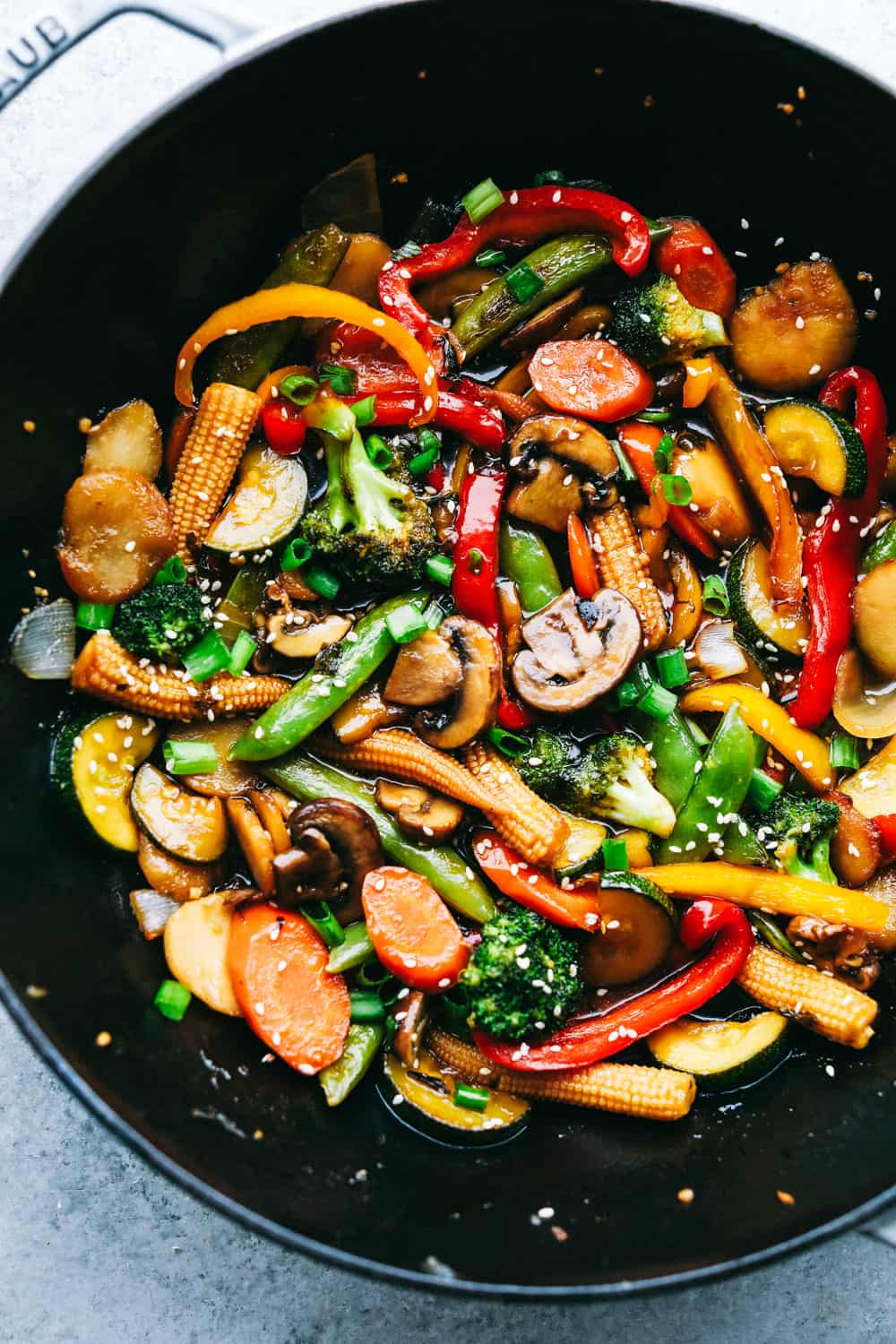
The Vegetarian Delight is perfect for those who love veggies. It is colorful and packed with nutrients. Here are the ingredients and steps for this dish:
| Ingredients | Quantity |
|---|---|
| Firm Tofu | 1 block, cubed |
| Snow Peas | 1 cup |
| Carrots | 1 cup, thinly sliced |
| Baby Corn | 1 cup |
| Green Onions | 1/2 cup, chopped |
| Ginger | 1 tbsp, minced |
| Sesame Oil | 2 tbsp |
| Hoisin Sauce | 1/4 cup |
- Heat sesame oil in a large skillet or wok.
- Add tofu cubes and cook until golden brown.
- Add ginger and cook for another minute.
- Add snow peas, carrots, and baby corn, stirring constantly.
- Pour hoisin sauce over the tofu and vegetables.
- Cook until the vegetables are tender but still crisp.
- Garnish with chopped green onions before serving.
Common Mistakes
Stir-frying is a quick and healthy cooking method. Many home cooks make common mistakes that ruin the dish. Here are some tips to avoid soggy vegetables and overcooked meat.
Avoiding Soggy Vegetables
Soggy vegetables are a common stir-fry issue. Follow these tips to keep them crisp:
- High Heat: Use high heat for quick cooking.
- Dry Vegetables: Pat vegetables dry before cooking.
- Small Batches: Cook in small batches to avoid steaming.
- Quick Cooking: Stir-fry vegetables quickly to retain crunch.
- Even Slices: Cut vegetables evenly for uniform cooking.
Preventing Overcooked Meat
Overcooked meat can ruin a stir-fry. Here’s how to keep it tender:
- Thin Slices: Slice meat thinly for quick cooking.
- Marinate: Marinate meat to enhance flavor and tenderness.
- High Heat: Cook on high heat to sear the meat quickly.
- Small Batches: Cook meat in small batches to avoid steaming.
- Remove Quickly: Remove meat from the wok as soon as it’s done.
Credit: therecipecritic.com
Advanced Tips
Stir frying is a quick and versatile cooking method. Mastering basic techniques is essential, but advanced tips can elevate your dishes. Let’s dive into some expert tricks to enhance your stir fry skills.
Experimenting With Flavors
Experimenting with flavors can transform your stir fry. Use a variety of sauces, spices, and aromatics. Fresh herbs like basil or cilantro add a fresh note. Try using different types of oils like sesame or peanut for unique tastes.
Consider creating your own sauce combinations. Mix soy sauce, hoisin sauce, and oyster sauce for a rich base. Add a splash of rice vinegar or lime juice for acidity. A teaspoon of honey or sugar can balance the flavors.
| Ingredient | Flavor Profile |
|---|---|
| Sesame Oil | Nutty |
| Fish Sauce | Umami |
| Chili Paste | Spicy |
| Ginger | Spicy and Warm |
Incorporating Noodles And Rice
Adding noodles or rice to your stir fry makes it more filling. Cook them separately and add them at the end to avoid mushiness.
Use a variety of noodles for different textures. Rice noodles are light and chewy. Egg noodles are more substantial. Soba noodles have a nutty flavor.
For rice, jasmine rice is aromatic and fluffy. Brown rice adds a nutty flavor and more fiber. Cauliflower rice is a low-carb alternative.
- Rice Noodles: Light and chewy
- Egg Noodles: Substantial and hearty
- Soba Noodles: Nutty flavor
- Jasmine Rice: Aromatic and fluffy
- Brown Rice: Nutty and fibrous
- Cauliflower Rice: Low-carb option
Adding noodles or rice to your stir fry makes it a complete meal. It also absorbs the sauce, making the dish more flavorful.
Frequently Asked Questions
What Are The Basic Steps Of Stir Fry?
Heat oil in a wok. Add aromatics like garlic and ginger. Cook proteins until browned. Stir in vegetables. Add sauce and toss until everything is coated and cooked through. Serve immediately.
How Do You Cook A Stir Fry?
Heat oil in a pan. Add meat or tofu, cook until browned. Add vegetables, stir frequently. Pour in sauce, cook until thickened. Serve hot over rice or noodles.
How To Stir Fry Vegetables Correctly?
Heat oil in a hot pan. Add vegetables in batches to avoid overcrowding. Stir continuously for even cooking. Use high heat for crisp-tender results. Season at the end.
How To Stir Fry In A Pan?
Heat oil in a pan over medium-high heat. Add sliced vegetables and protein. Stir constantly for 5-7 minutes. Season and serve.
Conclusion
Mastering stir fry is easier than you think. Follow these steps to create a delicious, healthy meal quickly. Fresh ingredients and high heat are key. Experiment with different vegetables, proteins, and sauces. Enjoy the satisfaction of a homemade stir fry.
Happy cooking and bon appétit!