Last Updated on February 13, 2026
To stir fry without a wok, use a large skillet or frying pan. Ensure it’s hot before adding ingredients.
Stir often for even cooking. Stir-frying is a quick and versatile cooking method that can be achieved even without a traditional wok. By using a large skillet or frying pan, you can still create delicious stir-fried dishes at home. The key is to make sure your pan is hot before adding your ingredients and to keep them moving by stirring frequently.
This ensures even cooking and allows you to enjoy the flavors of a stir-fry without the need for a wok.
The Art Of Stir Fry
In the world of cooking, stir-frying is an art form that brings together the vibrant colors, bold flavors, and quick cooking techniques of Asian cuisine. But what if you don’t have a wok? Don’t worry, you can still master the art of stir-frying with the right techniques and tools. Let’s explore the essence of stir-frying and debunk the myth that a wok is an absolute necessity.
Essence Of Stir Frying
Stir-frying is all about high heat, quick cooking, and the perfect balance of textures and flavors. It’s a versatile cooking method that allows you to showcase the natural colors and flavors of your ingredients while retaining their nutrients.
Myth Busting: The Wok Necessity
Contrary to popular belief, you don’t need a traditional wok to stir-fry like a pro. While a wok’s sloped sides and wide surface area are ideal for stir-frying, you can achieve similar results using a large, flat-bottomed skillet or a cast-iron pan. The key is to ensure that your pan is hot enough to quickly cook the ingredients without steaming them.
Choosing The Right Equipment
Equip yourself with the right tools for stir-frying, even if you don’t have a wok. Discover alternative options such as a large skillet or a frying pan to achieve the perfect stir-fry dish.
Stir-frying is a quick and easy cooking technique that can be done with or without a wok. If you don’t have a wok, don’t worry! There are several alternatives you can use to achieve the same delicious results. However, choosing the right equipment is crucial to ensure that your stir-fry is cooked to perfection.Best Pan Alternatives To A Wok
While a wok is the traditional vessel for stir-frying, it is not the only option. Here are some of the best pan alternatives to a wok:| Pan Type | Features |
|---|---|
| Cast iron skillet | Distributes heat evenly, retains heat well |
| Non-stick skillet | Easy to clean, perfect for beginners |
| Carbon steel skillet | Heats up quickly, lightweight |
| Stainless steel skillet | Durable, great for high-heat cooking |
Essential Stir Fry Tools
In addition to the right pan, there are a few essential tools you’ll need to ensure that your stir-fry turns out perfectly:- Sharp chef’s knife
- Cutting board
- Wooden spoon or spatula
- Tongs
- Bowl for marinating
- Measuring cups and spoons
Prep Work Mastery
Mastering the art of prep work is the first step towards creating a delicious stir fry without a wok. By focusing on efficient chopping techniques and understanding the basics of marinating, you can enhance both the speed and flavor of your stir fry dishes. In this post, we will explore the essential tips and tricks to help you achieve prep work mastery.
Chopping Techniques For Quick Cooking
When it comes to stir frying without a wok, the key is to chop your ingredients into uniform, bite-sized pieces. This ensures that they cook quickly and evenly, resulting in a perfectly balanced dish. Here are a few chopping techniques to speed up your cooking process:
- Julienne: Slice your vegetables into thin, matchstick-like strips. This technique works well for carrots, bell peppers, and zucchini.
- Dice: Cut your ingredients into small, even cubes. This technique is ideal for onions, garlic, and tofu.
- Mince: Finely chop your herbs and aromatics to release their flavors. This technique is perfect for ginger, garlic, and cilantro.
Marinating Basics For Flavor Infusion
To infuse your stir fry with maximum flavor, marinating your protein is essential. The marinade helps tenderize the meat or tofu while adding depth to the overall taste. Here are the basic steps to follow:
- Choose your marinade: Create a flavorful combination of soy sauce, ginger, garlic, and a touch of sweetness with honey or brown sugar.
- Prep your protein: Cut your meat or tofu into bite-sized pieces and place them in a shallow dish.
- Pour the marinade: Pour the prepared marinade over the protein, ensuring all pieces are coated evenly.
- Cover and refrigerate: Let the protein marinate for at least 30 minutes, allowing the flavors to penetrate.
Once your prep work is complete, you are ready to stir fry your ingredients to perfection, even without a wok. So, chop with precision and marinate with care to elevate your stir fry game!
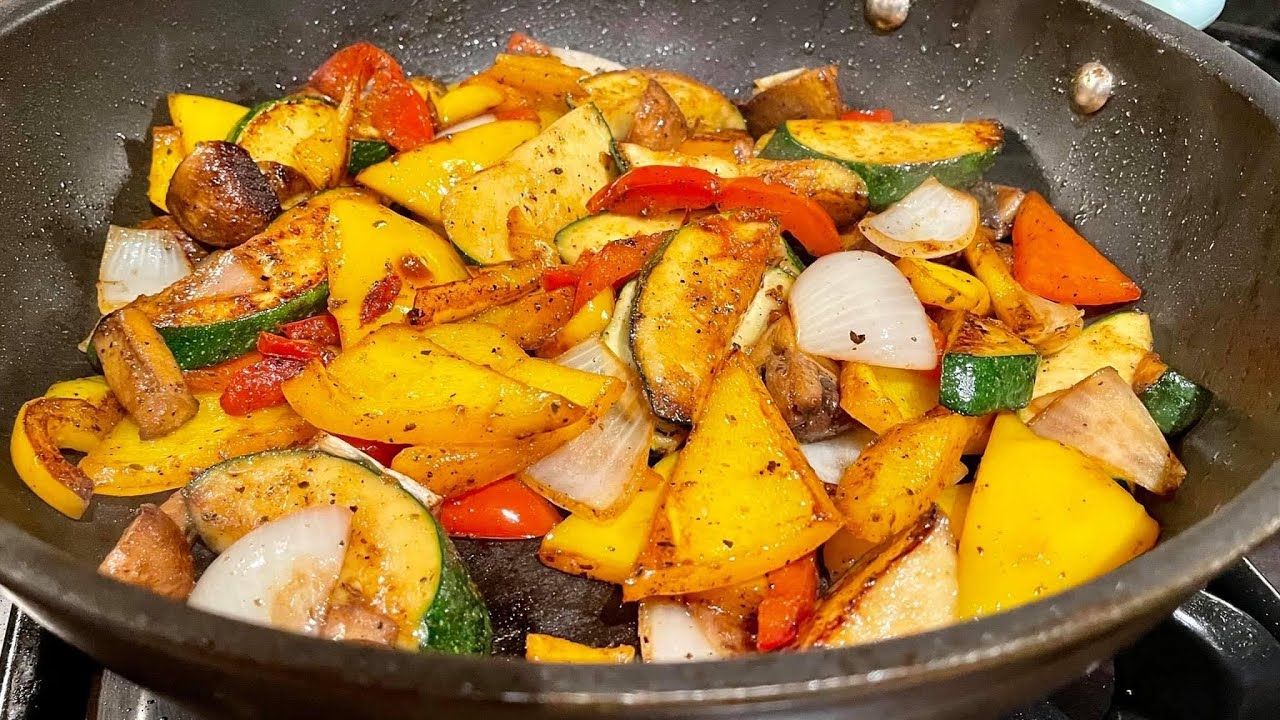
Credit: www.youtube.com
Heat Control Secrets
When it comes to stir-frying without a wok, heat control is the key to achieving that perfect balance of flavors and textures. While using a wok is the traditional method, not everyone has one readily available in their kitchen. But fear not, because with a few simple techniques, you can still create delicious stir-fries using a regular frying pan or skillet. In this article, we will explore the secrets to managing temperature without a wok and how to tell if your pan is perfectly heated.
Managing Temperature Without A Wok
While a wok’s unique shape and material facilitate even heat distribution, you can still achieve similar results with a regular frying pan or skillet. Here are some tips for managing temperature without a wok:
- Choose the right pan: Opt for a pan that is made of a material with good heat conductivity, such as stainless steel or cast iron. These materials will help distribute heat evenly.
- Preheat your pan: Before adding any ingredients, preheat the pan over medium-high heat for a few minutes. This ensures that the pan is evenly heated and ready for cooking.
- Use high heat: Once your pan is preheated, turn the heat to high. This will help create that signature stir-fry sear and prevent ingredients from becoming soggy.
- Work in small batches: To maintain a consistent temperature, it’s essential to avoid overcrowding the pan. Stir-fry in small batches, allowing each ingredient to cook evenly.
- Adjust heat as needed: If you notice that your ingredients are cooking too quickly or burning, reduce the heat slightly. On the other hand, if they are not cooking fast enough, increase the heat accordingly.
Signs Your Pan Is Perfectly Heated
Knowing when your pan is perfectly heated is crucial for achieving that coveted stir-fry texture. Here are some signs to look out for:
- Water droplets evaporate quickly: Sprinkle a few drops of water onto the pan. If they sizzle and evaporate almost immediately, your pan is ready for cooking.
- Oil shimmers: When the oil in your pan reaches the right temperature, it will shimmer and have a slightly wavy appearance. This indicates that it’s hot enough to start stir-frying.
- Ingredients sizzle on contact: When you add ingredients to the pan, they should sizzle upon contact. This shows that the pan is hot enough to quickly sear the ingredients and lock in their flavors.
By mastering the art of heat control without a wok, you can create delicious stir-fries that are bursting with flavor. Remember to choose the right pan, preheat it properly, and adjust the heat as needed. Keep an eye out for the signs that your pan is perfectly heated, and you’ll be well on your way to stir-fry success!
Oil Selection And Usage
When it comes to stir-frying without a wok, selecting the right oil and using it correctly is essential for achieving that perfect dish. Different oils have different smoke points and flavors, so it’s important to choose the best option for high-heat cooking. Additionally, using the right quantity and timing for the oil can greatly influence the outcome of your stir-fry.
Best Oils For High-heat Cooking
When stir-frying without a wok, it’s important to use oils with high smoke points to prevent them from burning and imparting a bitter taste to your dish. Peanut oil, sesame oil, and canola oil are some of the best options for high-heat cooking due to their high smoke points and neutral flavors. These oils are ideal for achieving that authentic stir-fry taste even without a wok.
Oil Quantity And Timing Tips
Using the right quantity of oil is crucial for stir-frying without a wok. It’s recommended to use about 1-2 tablespoons of oil for a standard stir-fry dish. Heat the oil in a large, flat-bottomed pan over high heat for a minute before adding the ingredients. When the oil is hot but not smoking, it’s the perfect time to start stir-frying your ingredients.

Credit: www.nytimes.com
The Stir Fry Dance
In the world of stir-frying, mastering the art of The Stir Fry Dance is essential. It involves quick moves and precise timing to create flavorful dishes without a wok.
Stirring Techniques For Even Cooking
- Use a wide skillet for better heat distribution.
- Move ingredients constantly with a wooden spoon.
- Utilize a circular motion while stirring.
Adding Ingredients In The Right Order
- Start with high smoke point oil like sesame or peanut oil.
- Add hard vegetables first, then protein, and finally soft veggies.
- Season with sauces and spices towards the end.
Creating Depth Of Flavor
Discover the secrets to creating depth of flavor in your stir-fry, even without a wok. Master the art of using a regular pan to achieve delicious and authentic Asian dishes with rich, complex tastes. Elevate your cooking skills and savor every bite.
Using Aromatics And Sauces
Using aromatic ingredients like garlic and ginger enhances flavor. Soy sauce, oyster sauce, and hoisin sauce add depth. Marinating proteins in sauces before stir-frying infuses flavor.Layering Spices And Seasonings
Layering spices like cumin and coriander creates complexity. Chili flakes and Sichuan peppercorns add heat and aroma. Balancing sweet with salty enhances the overall taste profile.Serving And Presentation
Serving and presentation play a crucial role in making your stir-fry dish visually appealing and enticing. Here are some tips to elevate the presentation of your stir-fry without a wok:
Plating Tips For Visual Appeal
- Use vibrant and colorful vegetables for a visually appealing dish.
- Garnish with fresh herbs like cilantro or green onions for a pop of color.
- Consider using different textures like crunchy nuts or sesame seeds as a topping.
Pairing With The Perfect Side Dishes
- Opt for steamed rice or noodles as a classic side to complement your stir-fry.
- Include a light and refreshing side salad to balance out the flavors.
- Try serving with a side of pickled vegetables for added tanginess.
Cleanup And Care
When it comes to stir-frying without a wok, cleanup and care are essential for maintaining your non-wok pan. Follow these tips to keep your cookware in top condition.
Post-cooking Cleanup Tips
- Wash the pan with warm, soapy water.
- Use a soft sponge to avoid scratching the surface.
- Dry the pan thoroughly to prevent rust.
- Store in a dry place to avoid moisture buildup.
Maintaining Your Non-wok Pan
- Avoid using metal utensils to prevent scratches.
- Season your pan regularly to maintain its non-stick properties.
- Check for any signs of wear and tear and address them promptly.
- Store your pan properly to prevent damage.
:max_bytes(150000):strip_icc()/WokSills101-StirFrying-VickyWasik1-947e9de8656942a185a124d561050d8e.jpg)
Credit: www.seriouseats.com
Recipe Inspirations
Classic Stir Fry Recipes Redefined
Stir fry recipes have been a staple in many kitchens for years. From the classic beef and broccoli to the timeless chicken and vegetable medley, these traditional recipes have stood the test of time. However, it’s always exciting to put a new spin on old favorites. Here are some innovative ideas to breathe new life into classic stir fry recipes.
Innovative Stir Fry Ideas To Try
Stir fry doesn’t have to be limited to the usual suspects. There are countless creative ways to experiment with flavors and ingredients, taking your stir fry game to the next level. Whether it’s incorporating unique vegetables, trying different proteins, or experimenting with diverse sauces, the possibilities are endless. Here are some innovative stir fry ideas to inspire your culinary creativity.
Frequently Asked Questions
Q: Can I Stir Fry Without A Wok?
A: Yes, you can stir fry without a wok. A large skillet or frying pan can work as a substitute. Make sure you use a pan with a flat bottom, so the ingredients cook evenly.
Q: What Kind Of Oil Is Best For Stir Frying?
A: The best oils for stir frying are those with a high smoke point, such as peanut, vegetable, or canola oil. These oils can withstand high heat without burning and impart minimal flavor to the dish.
Q: How Do I Prevent The Ingredients From Sticking To The Pan?
A: To prevent ingredients from sticking to the pan, heat the pan before adding oil and ingredients. Use a generous amount of oil and stir frequently. If ingredients start to stick, add a tablespoon of water or stock to the pan.
Q: Do I Need A Special Technique For Stir Frying?
A: Yes, there are a few techniques to stir fry successfully. Cut ingredients into small, even pieces for quick and even cooking. Use high heat and a flat-bottomed pan. Stir frequently and use a spatula to toss the ingredients.
Conclusion
Incorporating these tips can help you achieve delicious stir-fry without a wok. With the right tools and techniques, you can create flavorful and healthy dishes in your own kitchen. Experiment with different ingredients and flavors to find your perfect stir-fry combination.
Happy cooking!