Last Updated on July 26, 2026
Have you ever wondered if your silverware is truly made of real silver or just silver-plated? Knowing the difference can save you money, protect your investment, and even help you care for your pieces better.
But how can you tell if your silverware is genuine without expensive tests? You’ll discover simple and reliable ways to identify real silver at home. Keep reading, and you’ll never have to guess again whether your silverware is the real deal.

Credit: www.youtube.com
Identifying Silver Marks
Identifying silver marks is the first step to know if silverware is real silver. These marks show the metal’s purity and origin. They help confirm authenticity and value.
Common Silver Hallmarks
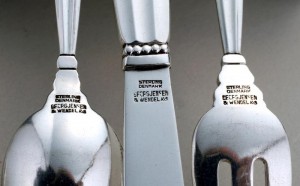
Silver hallmarks are small stamps on silverware. They often include symbols, numbers, or letters. These marks tell the silver content and sometimes the maker. Common marks include numbers like “925” or symbols like a lion. They show the piece is real silver.
Sterling Silver Stamps
Sterling silver is 92.5% pure silver. It usually has a “925” stamp. Some items have the word “Sterling” or “Sterling Silver.” These stamps guarantee the silver content is high. Look closely for these marks on your silverware.
Country-specific Marks
Different countries use unique silver marks. For example, British silver often has a lion mark. French silver may have a Minerva head. American silver uses “925” or “Sterling.” Check the country’s marks to learn more about your silverware.
Physical Characteristics Of Real Silver
Real silverware has distinct physical traits that help identify its authenticity. These traits include weight, color, shine, and tarnish patterns. Understanding these features makes it easier to tell real silver from fake or silver-plated items. Below are some key characteristics to check.
Weight And Density
Real silver feels heavier than most metals of the same size. It has a high density, which gives it a solid, substantial feel. Silverware made of real silver will not feel light or flimsy. Hold the piece in your hand to sense its weight. If it feels too light, it might not be real silver.
Color And Shine
Real silver has a bright, white-gray color. It shines with a soft, smooth glow instead of a harsh or plastic-like shine. The shine is steady and does not look too glossy. Over time, real silver develops a unique luster that is hard to copy with other metals or coatings.
Tarnish Patterns
Silver tarnishes naturally when exposed to air and moisture. Tarnish looks like a dark or black layer on the surface. It often appears uneven and can be removed with silver polish. Fake silver or silver-plated items may not tarnish the same way or may show signs of wear instead of real tarnish.
Simple Home Tests
Simple home tests can help you check if silverware is real silver. These tests use items you already have at home. They are quick, easy, and do not need special tools. You can try these tests to get a good idea about your silverware’s authenticity.
Magnet Test
Real silver is not magnetic. Bring a magnet close to your silverware. If the magnet sticks, the silverware is not real silver. If it does not stick, your silverware might be silver or silver-plated. This test is simple but not 100% foolproof.
Ice Cube Test
Silver conducts heat fast. Place an ice cube on the silverware. Watch how quickly it melts. If the ice melts very fast, the silverware is likely real silver. If it melts slowly, the item might be made of another metal. This test shows silver’s strong heat conductance.
Sound Test
Silver makes a clear, ringing sound. Gently tap the silverware with a metal spoon. Listen carefully to the sound it makes. A long, clear ring means real silver. A dull or short sound means it is not pure silver. This test helps check the metal’s quality by sound.

Credit: www.reddit.com
Chemical Testing Methods
Chemical testing methods offer a reliable way to check if silverware is real silver. These tests involve applying specific chemicals to the metal. The reaction helps identify the silver content quickly. This method is popular because it is accurate and easy to perform at home or in a lab.
Acid Test Kits
Acid test kits are common for testing silver. They include small bottles of acid and testing stones. Rub the silverware on the stone to leave a mark. Apply acid to the mark and watch the color change. Different colors show different metal types. These kits are affordable and simple to use.
Silver Testing Solutions
Silver testing solutions work like acid test kits but come in liquid form. Dip a small brush into the solution and apply it to the silver. The solution reacts with the metal surface. A color change means the silver content can be measured. These solutions help test silver purity quickly.
Professional Lab Testing
Professional labs provide precise silver testing services. They use advanced tools like X-ray fluorescence analyzers. Labs can detect exact silver content and other metals present. This method is best for valuable or antique silverware. It offers detailed and trustworthy results.
Common Silverware Materials To Compare
Silverware comes in different materials. Knowing these helps you spot real silver. Each material has unique features. Some look similar but feel different.
Here are common silverware materials to compare. This guide helps you identify real silver from others.
Silver-plated Vs. Solid Silver
Silver-plated items have a thin layer of silver on another metal. The base metal can be copper or nickel. Over time, plating can wear off. Solid silver pieces are made mostly of silver. Usually, they contain 92.5% silver, called sterling silver. Solid silver feels heavier and lasts longer. Silver-plated silverware is cheaper but less durable.
Stainless Steel And Other Metals
Stainless steel is common in everyday silverware. It resists rust and is strong. It looks shiny but is not silver. Other metals like aluminum or brass may be used. These metals are lighter and do not tarnish like silver. They do not have the same value or feel as silver.
Nickel Silver Characteristics
Nickel silver is also called German silver. It contains nickel, copper, and zinc. It looks like silver but has no real silver content. Nickel silver is less expensive and harder than silver. It does not tarnish easily but can cause allergies. Knowing these traits helps avoid confusion with real silver.
Credit: www.memphiscashforgold.com
Care And Maintenance Tips
Taking care of real silverware helps keep it shiny and lasting longer. Proper care stops tarnish and damage. Follow simple steps to maintain your silver’s beauty and value.
Cleaning Real Silver
Use a soft cloth to clean silver after each use. Wash silverware with mild soap and warm water. Avoid harsh detergents or scrubbing pads. Dry silver immediately to prevent water spots. Use silver polish for stubborn tarnish. Polish gently to keep the surface smooth.
Storage Recommendations
Store silverware in a dry place to avoid moisture. Wrap pieces in soft cloth or anti-tarnish paper. Avoid storing silver with rubber or stainless steel. Use special silverware cases or cloth bags. Keep silver separate to prevent scratches.
Avoiding Damage
Do not put silver in the dishwasher. Heat and harsh detergents can damage silverware. Avoid contact with acidic foods like lemon or vinegar. Handle silverware carefully to prevent bending or dents. Regularly check for signs of wear or damage.
Frequently Asked Questions
How Can I Identify Real Silverware Markings?
Look for stamps like “925,” “Sterling,” or “Ster” on your silverware. These marks indicate 92. 5% pure silver content.
Does Real Silverware Tarnish Over Time?
Yes, real silverware tarnishes due to oxidation. Regular polishing restores its shine and removes tarnish effectively.
Can A Magnet Test Prove Silverware Authenticity?
No, real silver is not magnetic. If a magnet sticks, the silverware likely contains other metals.
What Sound Does Real Silverware Make?
Real silverware produces a clear, ringing sound when tapped gently, unlike dull sounds from fake metals.
Conclusion
Knowing how to tell if silverware is real silver saves time and money. Simple tests like checking for marks or using a magnet help you spot real silver. Real silver feels heavier and has a distinct shine. Avoid buying fake pieces by learning these easy tips.
Trust your eyes and hands when inspecting silverware. With practice, identifying genuine silver becomes quick and natural. Keep these tips handy for your next silverware purchase. Genuine silver adds value and beauty to your collection.